
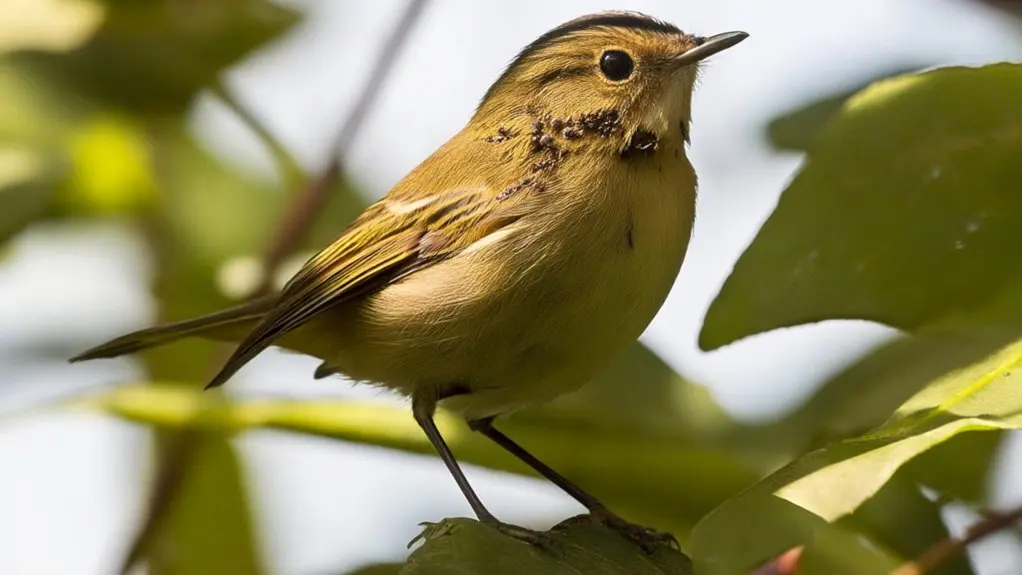
Yes, birds can get ticks by passing through tick-infested areas during migration. Larvae or nymphs attach to their feathers or skin and can stay there for days.
Certain species, like ground-foraging thrushes, tend to carry more ticks. These ticks are often infected with Lyme disease bacteria.
The ticks can drop off in urban or new environments, which increases the risk of disease. Climate and habitat changes are making this spread even more common.
Understanding these interactions helps us see how birds influence tick distribution and Lyme disease risks across different regions.
How and Why Birds Get Ticks During Migration
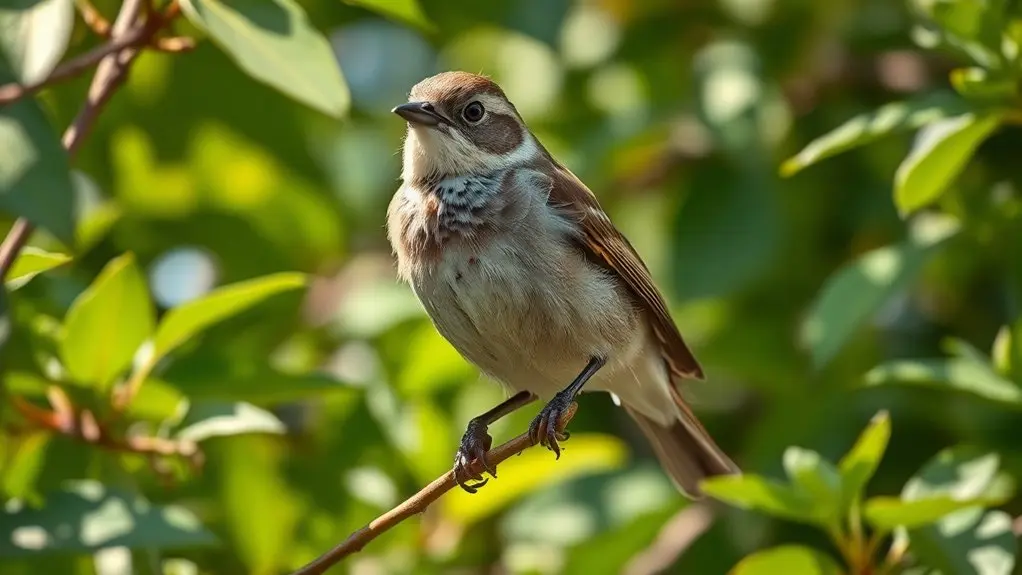
Because migratory birds frequently pass through tick-infested habitats, they often acquire ticks during their journeys, especially species that forage on the ground or consume seeds. During avian migration, ticks in their larval or nymphal stages latch onto birds’ feathers or skin to feed.
Tick attachment is facilitated by the birds’ close proximity to tick habitats and their foraging behaviors, which increase exposure risk.
Once attached, ticks can remain on the birds for several days, enabling them to be transported over long distances. Research, such as studies on redwings in Europe, confirms a significant percentage of migrating birds carry multiple tick stages during autumn migration.
So, it makes sense that tick attachment is common during avian migration.
Understanding these dynamics helps clarify why this happens and highlights the role migratory birds play in spreading ticks across regions. It’s pretty fascinating how birds unintentionally become part of the tick’s journey.
Which Birds Are Most Likely to Carry Ticks
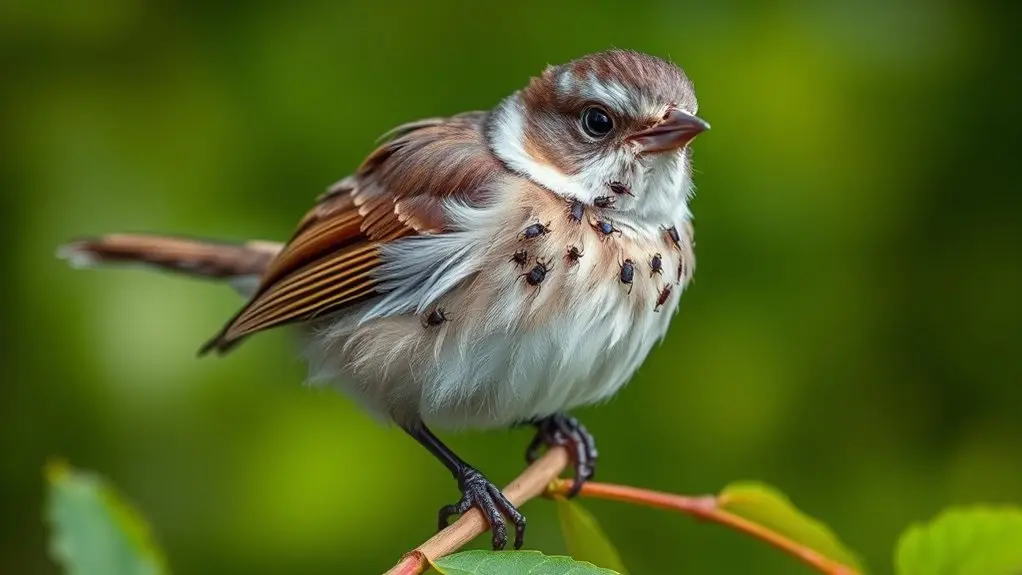
You’ll notice that true thrushes and other passerines, especially those that forage on the ground, tend to carry ticks more often because of their habits and where they live.
Birds that breed or spend the winter at high latitudes and low elevations also tend to have higher rates of tick infestation.
Knowing these patterns makes it easier to figure out which species are more likely to transport ticks and potentially spread diseases.
High-Risk Bird Species
Although many bird species can carry ticks, true thrushes (genus Turdus) stand out as particularly significant reservoirs, especially for ticks infected with Lyme disease bacteria. You’ll find that passerines, or perching birds, also exhibit high tick competence and frequently carry infected ticks.
Birds that engage in extensive migration increase the likelihood of tick attachment and spreading pathogens across regions.
Species that feed primarily on seeds and forage close to the ground face greater exposure to questing ticks.
Additionally, birds breeding and wintering at high latitudes and low elevations tend to be more effective at transmitting Lyme disease through attached ticks.
Those with broad geographic ranges and fast life histories, like early breeding or short lifespans, are often high-risk hosts.
This makes them critical to understanding tick-borne disease dynamics.
Bird Habits Affecting Infestation
How do specific bird behaviors influence their likelihood of carrying ticks? Birds with ground-foraging habits, such as true thrushes (genus *Turdus*), face higher tick exposure during nest building and daily activity.
Dietary habits also play a role. Seed-eating species tend to have increased infestation compared to insectivorous or omnivorous birds. Additionally, breeding and wintering at high latitudes or low elevations increases contact with questing ticks.
Birds exhibiting early breeding or short lifespans often carry and transmit ticks more efficiently.
| Behavior Trait | Impact on Tick Infestation | Examples |
|---|---|---|
| Ground-foraging | High exposure | True thrushes, passerines |
| Dietary habits (seeds) | Higher infestation | Seed-eating birds |
| Nest building | Increased tick contact | Ground nesters |
| Habitat (latitude) | Greater overlap with ticks | High-latitude breeders |
| Pace-of-life | Enhanced transmission | Early breeders |
How Birds Spread Lyme Disease Across Regions

Because migratory songbirds travel vast distances, they actively transport ticks infected with Borrelia burgdorferi, the bacterium responsible for Lyme disease, across regions. During bird migration, ticks attach to the birds’ feathers and skin, hitching a ride over hundreds or thousands of miles. This tick attachment helps spread Lyme disease vectors beyond their usual habitats.
Studies confirm that infected ticks found on migratory birds appear in diverse geographic areas, including urban and suburban environments. This shows that birds introduce Lyme disease into new regions.
Birds with broad breeding and wintering ranges increase the chances of transporting infected ticks over large areas.
Also, climate change and habitat alterations are changing bird migration patterns. This can boost the potential for wider dispersal of Lyme disease through ticks attaching to these birds. So, it’s not just the birds themselves but also how their routes shift that matters.
When and Where Birds Carry Infected Ticks
When birds migrate or live in urban and suburban areas, they often carry ticks infected with Borrelia burgdorferi. These include species like Ixodes scapularis and Haemaphysalis leporispalustris. Bird migration helps spread these infected ticks across different regions.
Urban green spaces and suburban neighborhoods are important places where birds pick up and bring in ticks. Ticks usually attach themselves under feathers, in ear canals, bill rictus, and around the skin near the eyes. Infestation rates can vary depending on the bird species and location.
There’s evidence that these ticks are present year-round, especially in milder climates during late autumn. So, it’s not just a seasonal thing. Birds keep moving and carrying ticks wherever they go.
| Bird Species | Common Tick Attachment Sites | Habitat Type |
|---|---|---|
| Redwing | Ear canal, orbital skin | Migratory, urban green spaces |
| Thrush | Beneath feathers, bill rictus | Migratory, suburban |
| Various songbirds | Orbital skin, under feathers | Urban green spaces |
| Ground feeders | Bill rictus, ear canal | Suburban, rural |
How Climate Change and Urbanization Affect Bird-Tick Interactions
As climate change shifts bird breeding ranges northward, you’ll see increased interactions between birds and questing ticks. This expands the risk of Lyme disease into new regions.
Rising temperatures also prolong tick activity into late autumn, overlapping with migratory behavior. Consequently, this enhances tick dispersal over larger geographic areas.
Urban habitat changes further influence bird-tick dynamics. Some bird species establish permanent populations in cities and suburbs, which increases contact with tick habitats.
These environmental shifts help introduce and maintain infected ticks in areas that were previously unsuitable for their survival.
Because of this, the combination of climate warming and urbanization promotes tick population establishment in urban habitats through bird-mediated transport. This intensifies ecological connectivity between wildlife and vector-borne pathogens.
Understanding these processes is critical if we want to anticipate changes in tick distribution linked to bird ecology.
What Lyme Disease Risks Do Ticks Carried by Birds Pose to You?
You can get exposed to Lyme disease when ticks carried by birds infected with Borrelia burgdorferi bite you. Migratory and resident birds often transport these infected ticks across different regions.
Because of this, they help spread Lyme disease into urban and suburban areas where you live or spend time.
Knowing how bird-carried ticks move and behave can help you better understand your risk. It also guides you in taking the right steps to prevent getting bitten.
Bird-Carried Tick Risks
How do birds influence the risk of Lyme disease in your area? Birds don’t transmit Lyme disease directly, but they carry infected ticks like *Ixodes scapularis* and spread them over long distances. Their feather coloration and nesting behaviors can affect tick attachment and survival, which influences local tick populations.
Ground-foraging and seed-eating species often host more infected ticks. This can elevate risk in urban and suburban environments where these birds settle.
- Up to 50% of I. scapularis nymphs on birds carry *Borrelia burgdorferi*
- Migrating birds introduce infected ticks into new regions
- Nesting behaviors create microhabitats favorable to ticks
- Feather coloration may affect tick detection and removal
Understanding these factors helps you assess Lyme disease risks linked to bird-carried ticks.
Lyme Disease Transmission
What risks do ticks carried by birds pose to your health? Ticks attached to birds, especially during bird migration, can carry Borrelia burgdorferi, the bacteria responsible for Lyme disease. While birds don’t directly transmit Lyme disease to you, their role in spreading infected ticks across regions increases your exposure risk.
Studies show nearly one-third of ticks on birds harbor this pathogen, highlighting a significant transmission potential. When ticks detach from migratory or resident birds in new environments, they may seek new hosts, including humans or pets, leading to possible infection.
Urban green spaces frequented by birds can therefore become hotspots for infected ticks. Understanding tick attachment and bird migration patterns helps you better protect yourself against Lyme disease risks posed by these vectors.
How You Can Protect Yourself From Ticks Carried by Birds
Because birds can carry infected ticks into residential areas, taking proactive measures is essential to reduce your risk of tick bites and related diseases. Birds’ feeding habits and nesting behaviors often bring ticks into yards and gardens, increasing human exposure.
Birds can introduce infected ticks into residential areas, raising the importance of proactive protection against tick bites.
To protect yourself, you should use insect repellents containing DEET and wear protective clothing, like long sleeves and pants. Also, make sure to conduct thorough tick checks on yourself, children, and pets after outdoor activities.
It’s a good idea to maintain well-kept lawns and remove leaf litter to reduce tick habitats near your home.
You can also create physical barriers between wooded areas and recreational spaces to limit tick dispersal from bird activity.
Frequently Asked Questions
Can Birds Get Ticks in Their Nests?
Yes, birds can get ticks in their nests, especially in grassy or wooded areas.
It’s a good idea to prioritize nest sanitation during bird migration. This helps reduce tick infestations and interrupts the tick life cycle.
Do Ticks Affect Birds’ Health or Behavior?
Ticks can affect birds’ health by causing anemia or transmitting diseases. You should understand that bird immunity varies, so practicing tick prevention helps minimize infestation risks and behavioral changes like increased grooming or reduced activity.
Taking some simple steps can make a big difference. Keeping an eye on your bird’s behavior and checking for ticks regularly can help catch problems early. It’s all about staying proactive to keep your feathered friends healthy and happy.
How Long Do Ticks Stay Attached to Birds?
Ticks usually stay attached to birds for 3 to 7 days, depending on the species and how well the bird grooms itself.
Knowing how long ticks tend to hang on can really help you step up your bird tick prevention game. It’s all about catching those little pests early.
The sooner you remove ticks, the better you reduce the health risks for the birds before the ticks get fully engorged.
Can Pet Birds Get Ticks From Wild Birds?
Yes, your pet birds can get ticks from wild birds during bird migration.
Practicing tick prevention by limiting outdoor exposure and regularly inspecting your birds helps reduce the risk of tick transfer and disease transmission effectively.
It’s a good idea to keep an eye on your birds, especially during migration seasons, to keep them safe and healthy.
Are There Natural Predators That Remove Ticks From Birds?
You won’t find many natural predators that remove ticks from birds directly, but bird grooming plays a key role in tick prevention.
Some microbes infect ticks, aiding control, yet specialized predators mainly target larger mammals. So, when it comes to birds, it’s mostly about how they keep themselves clean rather than having other animals do it for them.
Conclusion
Understanding that birds can occasionally host ticks during migration helps you appreciate the subtle ways these tiny hitchhikers influence disease spread. While it may seem like a minor concern, recognizing the role birds play in transporting ticks and potentially Lyme disease empowers you to take informed precautions.
By staying aware of when and where risks increase, you can gently guard yourself against these microscopic travelers without unnecessary alarm. This way, you maintain both your health and peace of mind.