
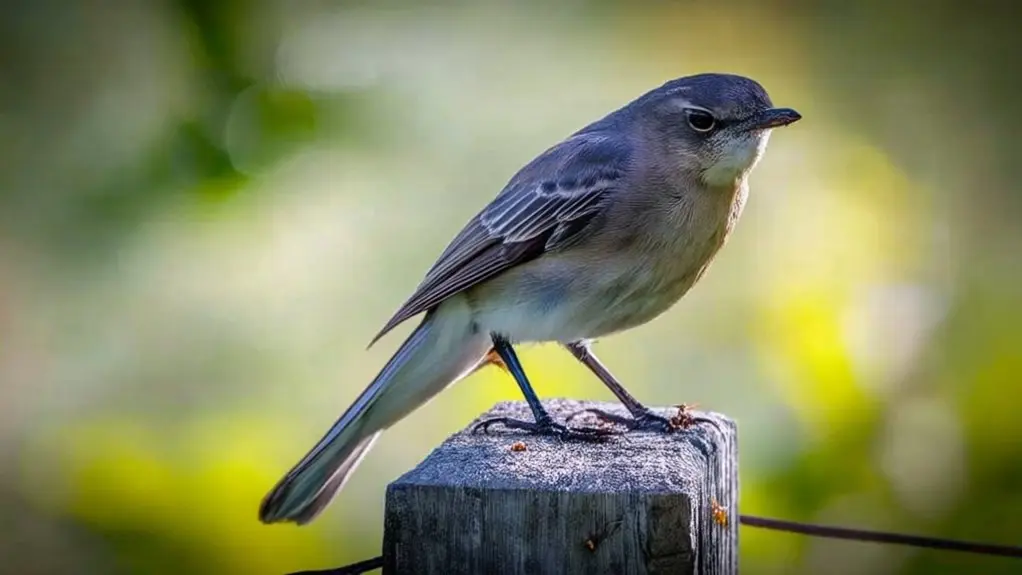
You can’t get lice from birds because bird lice are species-specific parasites that only survive on birds. They feed on bird blood or skin flakes and won’t live or reproduce on humans.
Sometimes, bird lice might crawl onto your skin when you’re handling nests or birds, but they don’t cause infestations or spread diseases to people.
If you want to understand how bird lice behave and how to avoid contact, there’s more to learn about their habits and management.
What Are Bird Lice? Their Hosts and Habitats
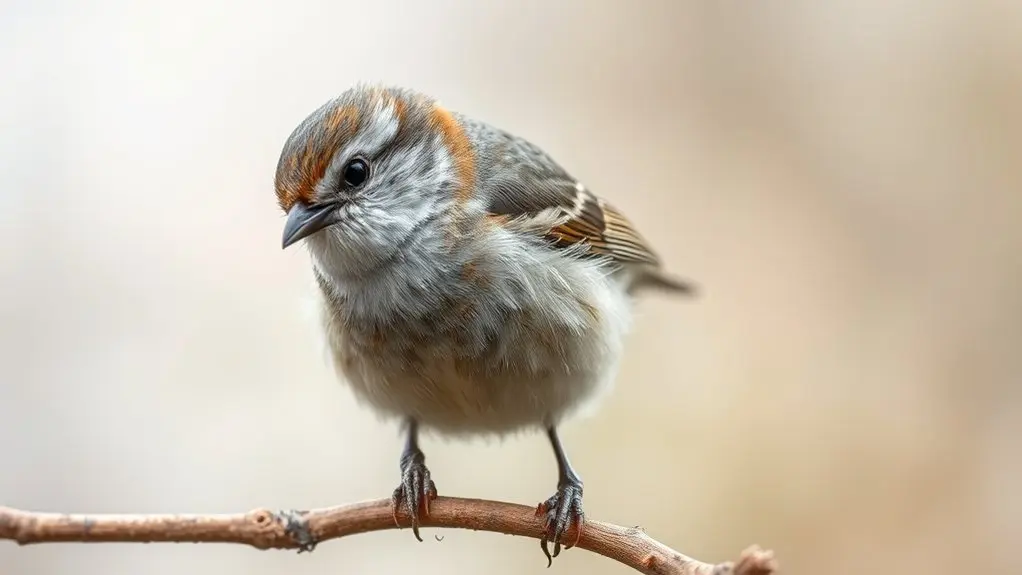
Although you mightn’t notice them, bird lice are specialized ectoparasites that live exclusively on birds, feeding on their blood or skin flakes. Their evolutionary adaptation has led to remarkable host specificity, meaning they typically infest only certain bird species or closely related groups.
This specialization allows them to thrive on their avian hosts, exploiting niches in feathers and skin. You’ll find bird lice not only on the bird’s body but also in nests or roosting areas, where they lay eggs and complete their life cycle.
Since bird lice can’t survive long away from their hosts, they depend on direct contact with birds or nesting materials for survival. This close ecological relationship highlights their role as highly adapted, host-specific parasites within bird populations.
Can Bird Lice Infest Humans and Cause Bites?
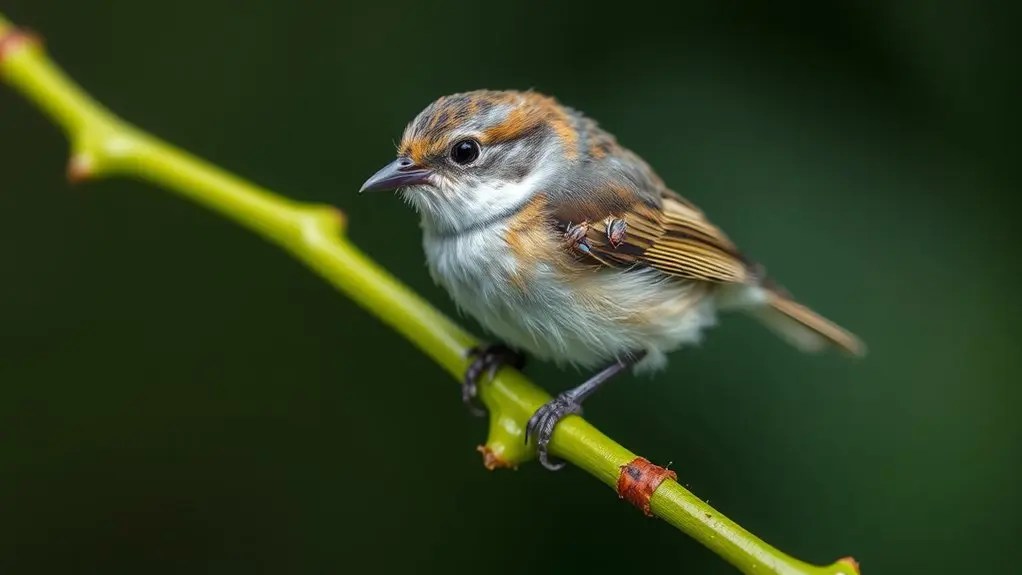
You might be wondering if bird lice can actually infest humans and cause bites. Well, the truth is, bird lice rarely bite people.
But sometimes, if you come into accidental contact with infested birds or their nests, you might get an occasional bite. That said, these parasites can’t set up permanent infestations or survive for long on humans.
Bird Lice On Humans
While bird lice primarily infest birds because they’re really picky about their hosts, they can sometimes bite humans if there’s direct contact. These lice rely on feathers and bird grooming to keep their life cycle going, so humans just don’t make good hosts.
If bird lice come into contact with you, they might bite briefly, causing a bit of itching or irritation. But don’t worry—they can’t set up a permanent infestation on your skin.
Usually, you’d only get exposed in places with a lot of lice, like bird nests that are heavily infested.
You won’t catch any diseases from bird lice, and it’s super rare for them to infest humans at all.
If you want to avoid any issues, just try to remove bird nests near your home and manage bird populations around buildings.
It’s pretty interesting to know that even though they might bite sometimes, bird lice rarely bother or harm people.
Bite Incidents Rare
Bird lice rarely bite humans because they’ve evolved to feed specifically on birds’ blood and feathers. These parasites are highly specialized, relying on bird grooming behaviors and flight patterns to maintain their presence on avian hosts.
While bird lice can accidentally bite humans during close contact, such as handling infested birds or disturbing nests, such incidents are exceptionally rare.
Bird lice lack the physiological adaptations necessary to thrive, reproduce, or sustain infestations on human skin. So, they don’t represent a significant threat to people.
If you come into contact with bird lice, bites are usually infrequent and cause minimal irritation.
Understanding bird lice’s host specificity helps explain why human infestations and bite incidents remain uncommon. This is true even though people might occasionally come into contact with them during activities involving birds or their habitats.
How Do Bird Lice Transfer From Birds to People?
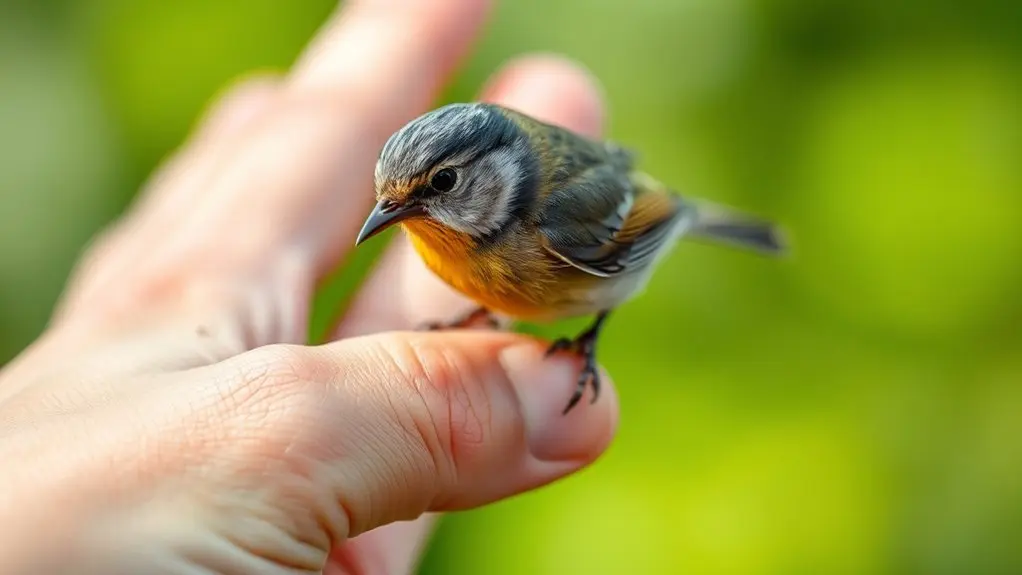
You should know that bird lice are pretty picky about where they live—they’re specially adapted to birds and don’t usually do well on humans. They mainly transfer when you have direct contact with infested birds, their nests, or feathers.
That’s when the lice can crawl onto your skin or clothes. But here’s the thing: these lice can’t complete their life cycle on people, so they don’t survive or reproduce once they leave their bird hosts.
Bird Lice Host Specificity
Because lice are highly specialized to their avian hosts, they rarely survive on humans. Bird lice are avian parasites adapted to live exclusively on birds, unlike feather mites, which have different ecological niches. Their host specificity limits their ability to infest humans.
You should understand these key points about bird lice host specificity:
- Bird lice lack specialized mouthparts to feed on human blood, preventing sustained infestation.
- Transfer to humans mainly occurs through incidental contact with infested nests or bird bedding, not direct bird-to-human transmission.
- Any bird lice found on humans typically die quickly, as they can’t establish permanent populations.
This specificity ensures bird lice remain bird-bound, making human infestations an uncommon and short-lived event.
Human Contact Risks
How exactly do lice transfer from birds to people? Bird lice are highly host-specific parasites adapted to the unique environment of bird feathers. This includes things like feather coloration and body temperature.
During bird migration, lice may spread among avian populations, but transmission to humans is pretty rare. You usually encounter bird lice only through direct contact with infested birds or their nests.
Since these lice can’t survive or reproduce on human skin, they don’t complete their life cycle on you. Any transfer needs prolonged, close exposure to infested birds or contaminated nesting materials.
Though bird lice may bite humans occasionally, they don’t establish infestations. So, while there are some risks from human contact, they’re minimal and don’t lead to a lasting lice presence on people.
Lice Survival Off Birds
Although bird lice can temporarily leave their hosts, their survival off birds is severely limited. These lice depend on bird blood, which restricts their lifespan and off-host survival to just a few days.
When you come into close contact with infested birds or nests, bird lice might crawl onto you. However, they rarely establish a lasting infestation on humans because they’re specially adapted to bird hosts.
Consider these points about bird lice transfer:
- Bird lice require bird blood to survive and reproduce, so they can’t live long away from birds.
- Direct transfer to humans is uncommon since bird lice can’t thrive on human skin.
- Any lice found on you after contact usually can’t live or reproduce on your body.
Bird Lice Myths You Shouldn’t Believe
When you encounter bird lice near your home, it’s important to understand that these parasites cannot infest humans. Bird lice evolution has resulted in species-specific behavior, adapting solely to their avian hosts. Despite occasional bites, bird lice do not establish colonies on human skin or hair.
Misunderstandings often arise from confusing bird lice with human lice or other pests. So, don’t worry if you spot them around birds or nests—they’re not going to take up residence on you.
| Myth | Fact |
|---|---|
| Bird lice can infest humans | Bird lice are species-specific to birds only |
| Bird lice jump from birds to people | Bird lice stay in bird nests or feathers, not on humans |
| Bird lice cause human infestations | Bird lice cannot survive or reproduce on humans |
| Bird lice behavior includes biting humans to feed | Biting is rare and incidental, not for feeding on humans |
| Bird lice are identical to human lice | They are biologically distinct with different host preferences |
What to Do If You Suspect Bird Lice at Home
If you suspect bird lice in your home, the first step is to locate and remove any nearby bird nests or roosting sites. These are the primary sources of infestation. Bird migration patterns often influence where nests appear seasonally, so keep an eye on local bird activity.
Feather wear on birds can indicate lice presence, but these parasites rarely transfer to humans. So, try not to worry too much about catching them yourself.
Feather wear signals lice on birds, but these pests seldom jump to humans—so no need to worry.
Here’s what you should do next:
- Thoroughly clean and vacuum areas beneath nests to remove lice and eggs that may have fallen.
- Avoid handling infested birds directly. Instead, contact wildlife or pest control professionals for safe removal.
- Consider professional pest control to ensure effective treatment and prevent reinfestation.
Following these steps can help you deal with bird lice in a scientific way and reduce the chance of them spreading in your home.
How to Prevent Bird Lice Exposure in Your House
Since bird lice rarely transfer to humans unless there’s direct contact with infested nests or feathers, preventing their presence starts with controlling bird activity around your home. During bird migration, birds often seek nesting sites, so sealing attics, vents, and eaves is essential to block access.
You should regularly monitor for nests and remove them promptly.
Although feather cleaning is a natural behavior birds use to reduce lice, it doesn’t eliminate lice risk near human dwellings. Maintaining cleanliness around your property minimizes bird attraction and potential lice exposure.
If you suspect lice presence, engage professional pest control to target infestations effectively. These measures reduce the likelihood of bird lice transferring to you by limiting contact with infested nests or feathers without disrupting natural bird behaviors.
Why Removing Bird Nests Stops Bird Lice Infestations
Although bird lice depend heavily on their hosts, their survival hinges on the presence of bird nests. These nests serve as critical breeding and living sites. Removing nests disrupts the lice’s life cycle and reduces their population around your property.
Here’s why removing bird nests effectively stops bird lice infestations: Bird lice are host-specific and can’t survive long without nests, so nest removal interrupts their reproduction. Nests provide essential habitats for lice breeding; eliminating these sites limits their ability to thrive.
Regular nest removal prevents recurring infestations, especially during bird migration seasons when new nests form.
While nest preservation is important for bird conservation, managing nests near buildings helps control lice infestations. It also protects your living environment effectively.
Frequently Asked Questions
Are Bird Lice Harmful to Pets Like Cats or Dogs?
Bird lice aren’t harmful to your pets like cats or dogs because they specialize in bird grooming and nest hygiene. They can’t survive on mammals, so your pets won’t get infested or irritated by bird lice.
Can Bird Lice Survive on Clothing or Furniture?
You might think bird lice can cause clothing infestation, but they can’t survive long on fabrics or furniture.
For effective bird lice prevention, focus on removing nearby bird nests, since lice need a bird host to live.
Do Bird Lice Carry Any Diseases Transmissible to Humans?
You won’t contract diseases from bird lice; avian parasites lack adaptations for human infection.
Despite the minimal risk of disease transmission, you should still remove nests and treat infested areas to prevent any irritation or contamination. It’s better to keep things clean and avoid any potential discomfort.
How Long Can Bird Lice Live Without a Bird Host?
You’ll find bird lice behavior limits their survival off a host to about 10 days in warm, humid conditions. Effective lice treatment options focus on removing them quickly, as they can’t feed or reproduce without a bird.
Are There Specific Seasons When Bird Lice Are More Common?
You’ll notice seasonal infestation peaks during spring and summer, coinciding with bird migration and nesting activity. These conditions create ideal environments for bird lice reproduction, increasing their populations and the likelihood of encountering them during these periods.
Conclusion
You might think bird lice could jump to you, but the truth is more surprising. While these parasites thrive on birds, they rarely infest humans or cause bites.
Still, if you find bird lice near your home, don’t ignore it. The real risk lies in ignoring nests that harbor them.
So, next time you spot a bird’s nest nearby, remember removing it isn’t just about cleanliness. It’s about preventing an infestation you didn’t see coming.