
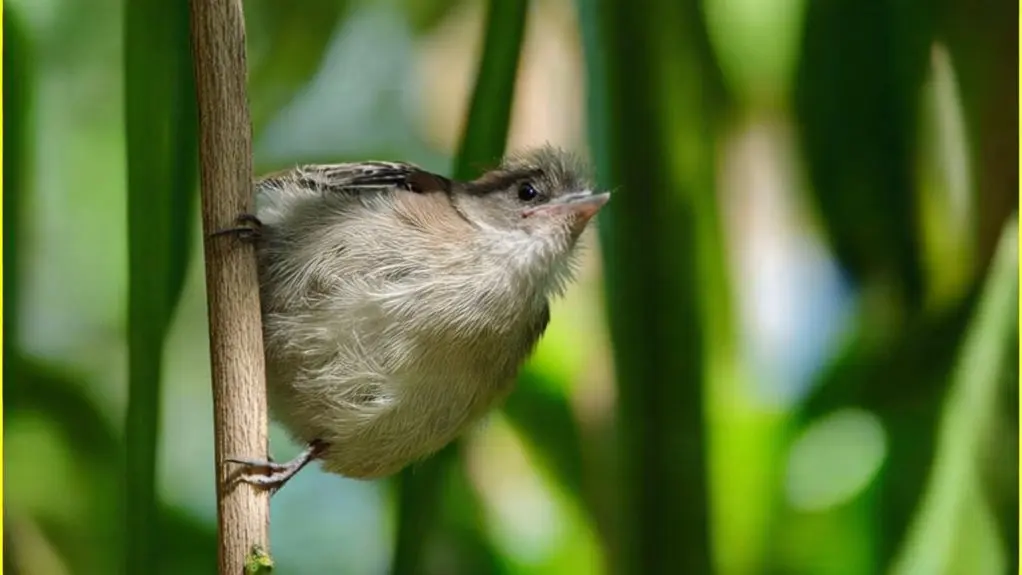
Yes, birds can get too fat to fly because excess fat restricts muscle movement, obscures the keel bone, and increases energy demands. All of these things reduce flight efficiency and endurance.
Overweight birds tend to fatigue quickly, face respiratory issues, and show decreased agility. This can really disrupt their natural behaviors like nesting.
High-calorie diets, limited exercise, and health problems all contribute to obesity in birds. But with proper diet and activity, birds can often recover their flight ability.
You can explore how these factors interact and look into effective management strategies next.
How Bird Obesity Impairs Flight

Although birds rely on efficient muscle movement for flight, excess fat deposits along their chest and wings can physically restrict these muscles, reducing flight performance. When fat accumulates around the keel bone, it obscures the natural contours essential for maximum wing strength and impairs the flight mechanics that enable lift generation.
You’ll notice that overweight birds struggle to lift their bodies because the extra mass increases energy demands and decreases muscle efficiency. This leads to quicker fatigue and reduced stamina during flight.
Plus, obesity-related conditions like fatty liver disease further impair muscle function, making flight even harder.
What Causes Birds to Gain Excess Fat and Weight
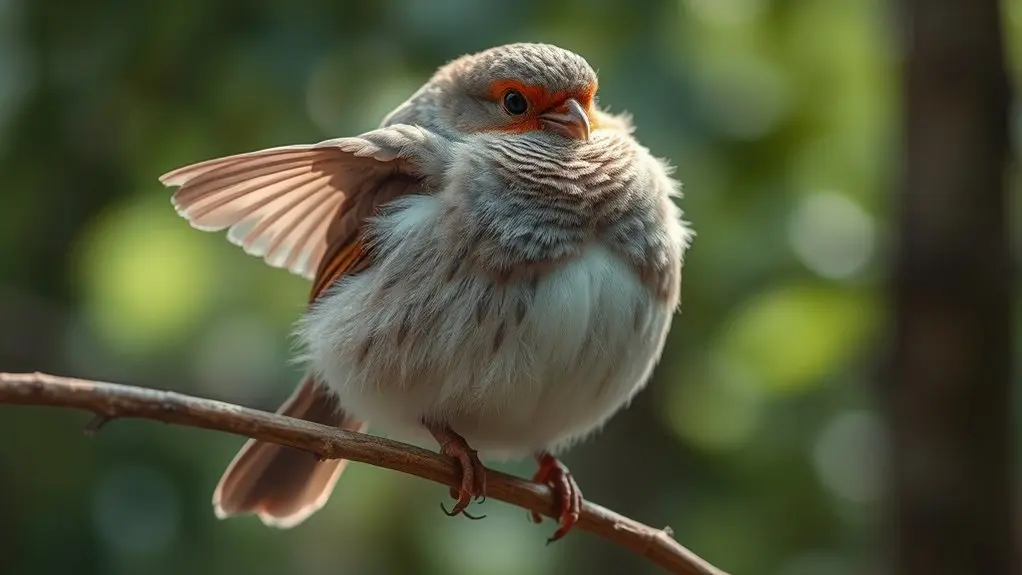
When birds consume diets high in calories, particularly those rich in fatty seeds, nuts, and processed foods lacking essential nutrients, they tend to accumulate excess fat.
Birds eating high-calorie, nutrient-poor foods often accumulate excess fat.
You’ll find that overfeeding and limited physical activity considerably contribute to weight gain.
Sedentary behavior reduces natural exercise, affecting feather condition and even altering nesting behavior.
Also, certain health issues like fatty liver disease promote abnormal fat storage.
Key factors causing excess fat and weight in birds include:
- High-calorie, nutrient-poor diets combined with overfeeding
- Reduced flying, climbing, and overall physical activity
- Health conditions disrupting normal metabolism
How to Recognize If a Bird Is Too Heavy to Fly
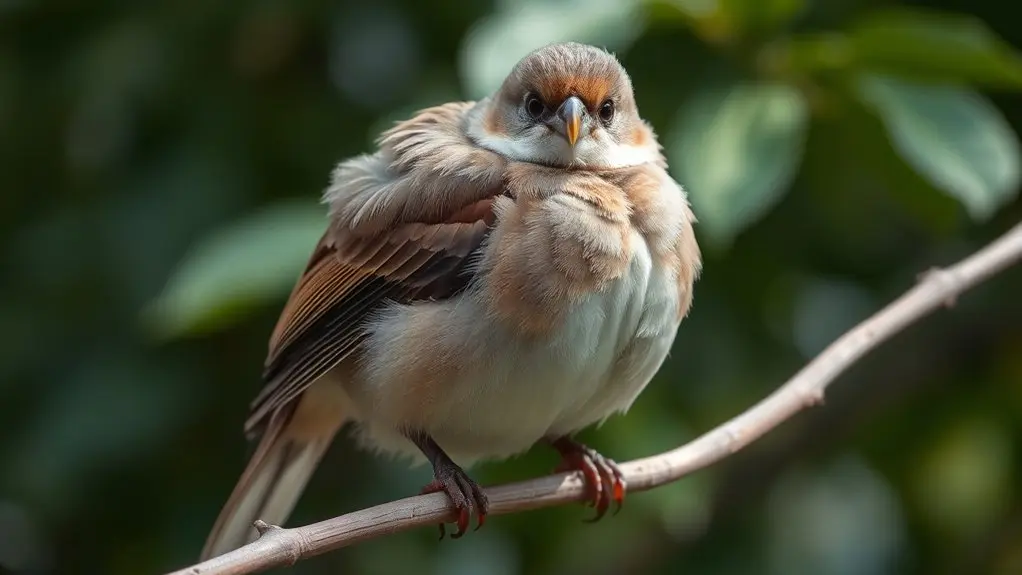
If you want to determine whether a bird is too heavy to fly, you need to assess specific physical and behavioral indicators. First, gently feel the bird’s breastbone; if it’s difficult to detect or obscured by fat, this signals excess weight. Look for fat deposits around the neck and chest, which can restrict wing movement.
A rounded belly and reduced keel prominence further confirm this condition. Behaviorally, observe if the bird tires quickly or shows reduced activity, which may indicate impaired flight capability. Additionally, unusual feather shedding can occur due to excess weight stress.
Changes in nesting behavior, such as less frequent nest visits, may also reveal flight difficulties. Regular weight checks and careful observation help you recognize when a bird is too heavy to fly effectively. It’s all about paying attention to these signs so you can help your bird stay healthy and active.
Why Do Some Wild Birds Become Overweight Naturally?
Because wild birds rely heavily on environmental cues and food availability, they sometimes become overweight naturally as a survival mechanism. When food is abundant, birds like owls or hawks can accumulate fat reserves to endure periods of scarcity.
Wild birds often gain weight naturally, storing fat during abundance to survive scarce times.
This fat storage is often linked to their feather coloration and nesting habits, which can influence energy expenditure and insulation needs.
You should note that seasonal fat buildup supports long migrations and harsh winter survival. Nesting habits may require extra energy, prompting increased fat storage. Feather coloration can affect thermal regulation, impacting fat accumulation.
These adaptations help birds optimize survival, even if it occasionally results in excess weight. Understanding these factors clarifies why some wild birds appear overweight without health detriment.
How Diet Affects Bird Obesity and Weight Loss
You’ll notice that diets loaded with fatty seeds and processed foods really add to birds packing on extra fat.
If you tweak their diet to include more fiber-rich veggies and carefully measured amounts of good-quality pellets, it can help them lose weight more effectively.
Plus, when you mix these diet changes with getting them moving more, it makes for a safer and more lasting way to tackle bird obesity.
Impact of High-Fat Diets
When birds consume diets high in fat, especially those rich in seeds like sunflower and pine nuts, they take in excess calories that offer limited essential nutrients. This seed overfeeding leads to fat accumulation not just under the skin but also around critical organs.
These abnormal fat deposits can impair flight muscles and reduce wing efficiency. Plus, diets high in fat but low in proteins and vitamins can cause fatty liver disease, which further diminishes a bird’s capacity to fly.
You should also know that eating too many fatty foods pushes out nutrient-rich vegetables and formulated pellets, making weight gain even worse.
The key impacts include excessive calorie intake from fatty seeds, abnormal fat deposits affecting mobility, and the development of fatty liver that reduces metabolic function. Managing these factors is really important to prevent obesity-related flight problems in birds.
Diet-Based Weight Loss
Although high-fat diets contribute heavily to bird obesity, adjusting dietary composition offers a practical approach to weight loss. You can reduce excess fat by limiting seeds and nuts to 1-2 servings per week, thereby lowering calorie intake.
Incorporating vegetables, beans, and low-fat pellets guarantees balanced nutrition without excess fats, supporting gradual weight reduction.
Proper portion control is critical to avoid nutritional deficiencies that might impair feather hydration, which is essential for maintaining flight capabilities.
Additionally, a balanced diet positively influences nesting behavior by providing adequate energy for reproductive activities.
By managing diet carefully, you help your bird shed unwanted weight safely, improving overall health and restoring flight ability.
This method aligns with avian physiology, emphasizing sustainable dietary changes rather than rapid weight loss to prevent metabolic stress.
How Lack of Exercise Contributes to Flight Problems
Because birds rely on strong muscles and cardiovascular fitness for flight, a lack of exercise directly weakens these critical systems. Flight muscle deterioration happens when birds don’t move regularly, which reduces their ability to generate lift.
Plus, being inactive lets fat build up around the chest and wings. This restricts wing flexibility and makes moving harder. You’ll notice that without exercise:
- Muscle tone declines, limiting powerful take-offs and sustained flight.
- Cardiovascular fitness drops, reducing stamina and endurance.
- Joint pain and fatigue increase, making flying even tougher.
All these factors together cause serious flight problems in overweight birds. So, staying active is key to keeping their bodies in good shape and their flight smooth.
Diet and Exercise Strategies for Overweight Birds
You want to make sure your bird gets a balanced diet. This means offering pellets, plenty of vegetables, and only a small amount of high-fat seeds to keep their weight in check.
Also, try to encourage daily physical activities. Let your bird fly around, climb, and engage in interactive play. These activities help burn off energy and keep them active.
When you put these strategies together, it really helps manage your bird’s weight and boosts their overall health.
Balanced Nutrition Plans
When managing overweight birds, establishing a balanced nutrition plan is essential to promote healthy weight loss and maintain overall well-being. Proper nutrition not only affects feather coloration but also impacts nesting habits, which are both indicators of avian health.
You should focus on a diet primarily of pellets, vegetables, and beans, while limiting fruit and high-fat seeds.
Gradual portion control helps reduce stress and ensures steady progress. It’s all about making changes that your bird can adjust to comfortably.
Key components include minimizing high-fat seed and nut intake to control calorie consumption. Providing varied, nutrient-rich foods supports natural behaviors like nesting.
Also, monitoring weight regularly and consulting an avian veterinarian helps you adjust diet plans as needed.
This approach maintains ideal feather condition and encourages normal nesting behavior. Both are vital for overall health and effective weight management.
Taking these steps can really make a difference in your bird’s life.
Encouraging Active Behavior
Alongside balanced nutrition, promoting active behavior plays a significant role in managing overweight birds. You should provide daily opportunities for flying, climbing, and active play to help your bird burn excess calories effectively.
Incorporate foraging toys and puzzle feeders to stimulate both mental engagement and physical movement, which supports weight loss while preserving feather condition.
Gradually increase exercise routines to allow your bird’s muscles and cardiovascular system to adapt without stress.
Create a stimulating environment with varied perches, toys, and safe outdoor flight areas to encourage natural activity levels.
Additionally, monitor your bird’s weight, vocal behavior, and activity regularly to assess the effectiveness of your strategies and adjust them according to your bird’s health needs.
This way, you ensure a holistic approach to weight management.
Health Risks From Bird Obesity and Poor Flight Ability
Although birds rely on their lightweight bodies and strong flight muscles for efficient flight, excessive fat deposits can severely impair these functions. When birds become obese, you’ll notice their feather health often declines, and their nesting behavior may be disrupted due to reduced mobility.
Excess fat hinders lift generation and masks the keel bone, signaling weakened flight muscles.
You might observe symptoms like labored breathing and fatigue, which limit flight endurance. Obesity also raises risks of fatty liver disease and injury from decreased agility.
Key health risks include:
- Impaired flight muscle function due to subcutaneous fat
- Reduced survival chances from decreased agility and endurance
- Compromised respiration and increased fatigue during flight
Understanding these risks is crucial to ensure birds maintain excellent health and preserve essential behaviors like nesting and preening. It’s all about keeping them light and strong so they can keep doing what they do best.
Success Stories of Birds Regaining Flight After Weight Loss
Excess fat can severely limit a bird’s flight ability, but evidence from rehabilitation efforts shows this condition isn’t always permanent. Several rescue birds, including parrots and owls, have regained flight after weight loss programs emphasizing controlled diet and exercise.
For instance, an overweight owl lost 20 grams in two weeks, restoring her flight capacity. These birds often show improved agility, strength, and restored nesting habits. Feather coloration frequently normalizes, indicating better health and metabolic function.
| Bird Species | Weight Lost | Key Recovery Factors |
|---|---|---|
| Owl | 20 grams | Controlled diet, exercise |
| Parrot | 15 grams | Balanced nutrition, enrichment |
| Hawk | 18 grams | Environmental stimulation |
| Falcon | 22 grams | Gradual weight reduction |
These success stories confirm that proper care can restore natural behaviors and flight. It’s encouraging to see how with patience and the right approach, birds can truly bounce back.
Frequently Asked Questions
Can Certain Bird Species Be Naturally Heavier Without Flight Issues?
Yes, you’ll find certain bird species naturally heavier without flight issues due to evolutionary adaptations. Their avian dietary habits and bird migration patterns optimize muscle strength and wing structure, enabling efficient flight despite increased mass.
It’s pretty fascinating how nature works, right? These birds have developed ways to stay strong and fly well even when they’re on the heavier side. So, weight doesn’t always mean trouble for birds in the air.
How Does Molting Affect a Bird’s Weight and Flight Ability?
Molting causes feather shedding and weight fluctuations. You’ll notice new feather growth and fluid retention add weight.
Your bird’s flight ability may weaken temporarily due to lost flight feathers and reduced muscle strength during this period.
It’s a natural process, so don’t worry too much. Just keep an eye on your bird and give it some extra care while it’s molting.
Are There Specific Supplements That Help Birds Lose Weight Safely?
You won’t find specific supplements proven to reduce bird weight safely. Successful weight management really depends on a balanced bird diet.
Studies show that about 70% of weight problems improve with diet and exercise, not supplements. So, it’s best to prioritize good nutrition over pills when helping your bird lose weight.
Can Environmental Factors Like Climate Influence Bird Obesity?
Yes, urban habitats can increase bird obesity by providing abundant food and reducing predatory threats. You might notice birds gaining excess weight because of this. That extra weight can actually impair their flight performance.
It also affects their overall survival, especially in changing environments. So, these environmental factors really do play a role in how birds maintain their health. It’s pretty interesting to see how cities impact wildlife in unexpected ways.
Is It Possible for Birds to Regain Flight After Permanent Wing Damage?
You can’t expect full flight recovery after permanent wing damage, but wing rehabilitation may improve limited movement. Structural or neurological injuries usually prevent complete recovery, so rehabilitation focuses on maximizing residual flight capabilities, not restoring original flight.
Basically, the goal is to help the bird make the most of what it still has. It’s about improving quality of life, even if full flight isn’t possible anymore. So, while the bird might not soar like before, it can still get around better with some help.
Conclusion
You might think a bird’s wings are made for endless skies, but excess weight can clip their freedom like invisible chains. Understanding how diet, exercise, and natural factors contribute to bird obesity is key to restoring their flight.
By recognizing signs of heaviness and addressing causes scientifically, you help birds shed the burden and reclaim their airborne grace. Their recovery isn’t just survival, it’s proof of the delicate balance between nature and nurture.