
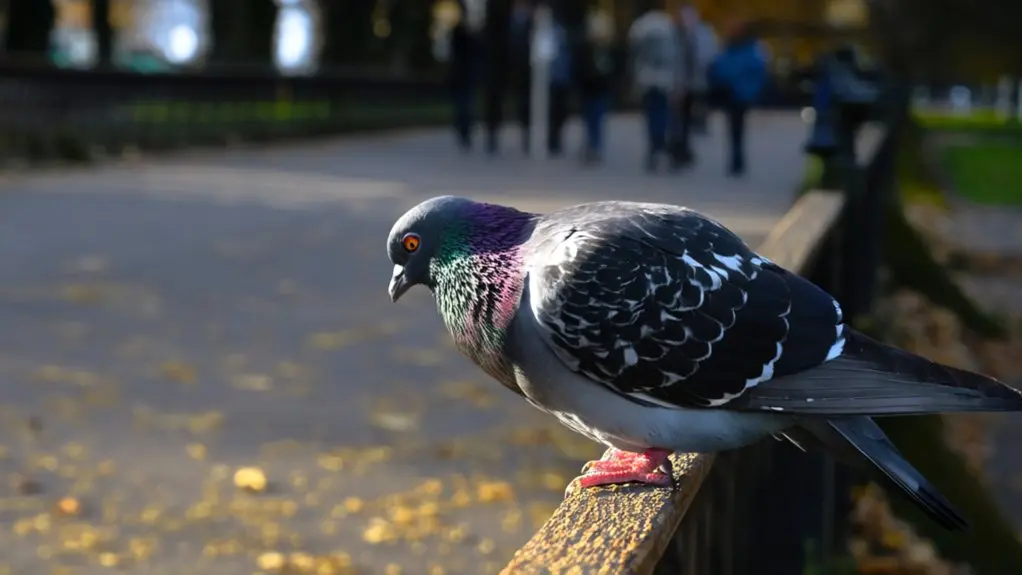
Yes, birds can pass diseases to you through contact with droppings, feathers, or saliva. Inhaling spores from dried droppings may cause fungal infections like histoplasmosis. Bacteria such as Salmonella and E. coli can come from contaminated feces.
Bird flu viruses also pose a risk, mainly through direct contact with sick birds or surfaces. Using protective gear and proper hygiene greatly reduce your chances of infection. Understanding these risks can help you better protect yourself and others.
Disease Transmission From Birds to Humans
How exactly can birds transmit diseases to humans? You can catch illnesses through contact with bird droppings, feathers, or secretions like saliva and mucus.
Bird migration plays a big role because infected birds spread pathogens across regions, which ups the chances of exposure.
Migrating birds carry diseases far and wide, increasing the risk of human exposure across different areas.
Feather coloration is mostly a biological thing, but it can influence how humans interact with birds. Brightly colored birds might attract more attention, which means more potential contact.
Disease transmission often happens when you breathe in spores from contaminated droppings. This can cause illnesses like histoplasmosis or cryptococcosis.
Handling infected birds or cleaning contaminated areas without protection also raises your risk of getting psittacosis or avian influenza.
Plus, bird feces can contaminate food or water, leading to infections like salmonella.
Mosquitoes and other vectors can also pass bird-borne viruses, such as West Nile Virus, to you through bites.
Which Birds Are Most Likely to Carry Human Diseases
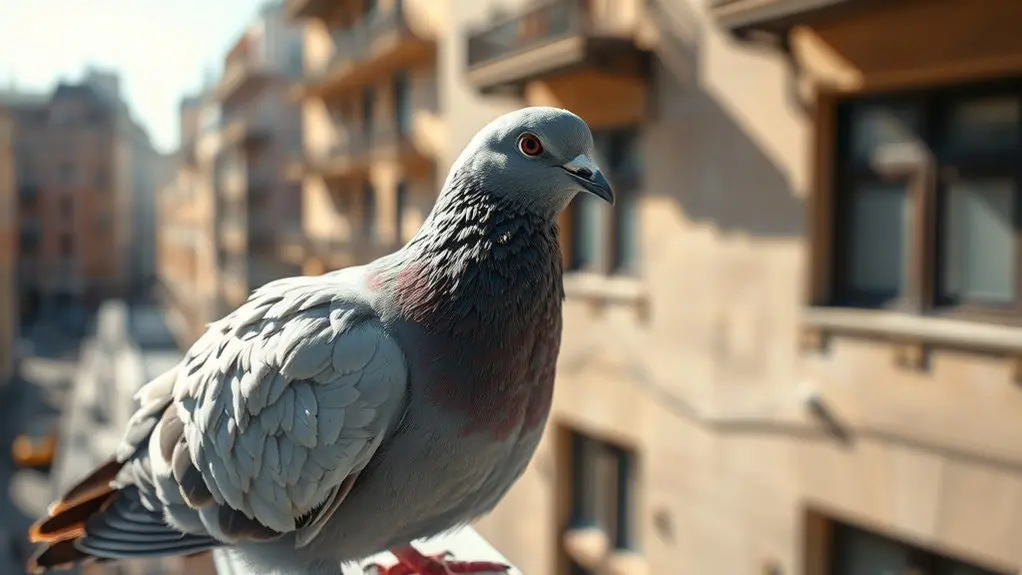
Which birds pose the greatest risk for transmitting diseases to humans? Wild waterfowl, including ducks and geese, are notable carriers of avian influenza viruses that can infect humans. This is especially true during bird migration when they travel long distances and interact with various environments.
Urban nesting birds like gulls, sparrows, and feral pigeons also increase human exposure risk because they live close to people and contaminate areas with their droppings.
Feral and pest birds such as starlings commonly harbor bacteria like Salmonella and E. coli, which can cause infections.
Pet psittacine birds, including parrots and cockatiels, transmit psittacosis through direct contact with their secretions.
Although pigeons and crows are widespread, they rarely carry bird flu viruses that threaten human health.
Understanding these risk factors can help you minimize disease exposure from birds.
Common Diseases Found in Bird Droppings

You should know that bird droppings can carry harmful bacteria like Salmonella and E. coli. These bacteria might cause gastrointestinal illnesses if you’re exposed to them.
On top of that, there are fungal pathogens such as Cryptococcus and Histoplasma that can be found in contaminated droppings. These fungi can lead to serious respiratory infections.
Knowing about these risks really highlights why it’s so important to handle bird waste carefully and maintain good hygiene around it.
Bacterial Risks From Droppings
Although bird droppings may seem harmless, they can harbor harmful bacteria like Salmonella, E. coli, and Campylobacter that cause gastrointestinal illnesses in humans. You should be aware that droppings contamination poses real bacterial risks, especially since avian parasites can accompany these bacteria.
Here are three key points to contemplate:
- Salmonella in bird feces can contaminate food and surfaces, leading to food poisoning outbreaks.
- E. coli from droppings can cause severe infections, including kidney failure, particularly in vulnerable individuals.
- Campylobacter exposure results in symptoms such as nausea, diarrhea, abdominal cramps, and fever.
To minimize risk, always practice thorough handwashing and disinfect surfaces after contact with bird droppings. These evidence-based precautions help prevent bacterial transmission and protect your health.
Fungal Infections Overview
Beyond bacterial threats, bird droppings also harbor fungal pathogens that can pose serious health risks. Cryptococcosis, caused by Cryptococcus neoformans, often transmits through contact with pigeon droppings.
Histoplasmosis arises from inhaling spores of Histoplasma capsulatum found in soil contaminated by bird excrement.
Both infections can lead to severe respiratory and neurological symptoms if untreated. Bird behavior, such as roosting and nesting, influences contamination levels and increases human exposure risk.
These fungi also show significant resistance, which can make treatment more complicated.
To protect yourself, maintain proper hygiene by wearing protective clothing and thoroughly cleaning surfaces exposed to droppings. Diagnosis requires laboratory testing, and antifungal medications remain the standard treatment.
Understanding these fungal threats highlights the importance of managing bird-related environments to minimize health risks effectively.
How Bird Flu and Other Bird Viruses Affect People
You can catch bird flu, especially the H5N1 strain, if you come into direct contact with infected birds or surfaces they’ve contaminated. It’s not very common for people to get infected, but it’s still a good idea to take precautions.
For example, wearing protective gear when handling birds can really lower your risk. And if you do get infected, getting medical treatment early is super important to help manage symptoms and keep the illness from getting worse.
Human Infection Risks
How do bird flu viruses and other avian pathogens impact human health? Human infection risks arise primarily through direct contact with infected birds or contaminated environments within bird habitats. Avian migration plays a role in the geographic spread of these pathogens, influencing exposure patterns.
Here are some key points to think about: Bird flu viruses like H5N1 infect humans mainly through contact with infected birds or their droppings. Human-to-human transmission is still pretty rare.
Handling dead birds or droppings without protective gear raises the risk of catching diseases like psittacosis and histoplasmosis.
In reported human cases, symptoms usually tend to be mild and often just look like a regular flu. Understanding these transmission pathways helps you see how you might come across risks from avian pathogens when you’re out in nature.
Prevention And Treatment
Why does proper handling and prevention matter when dealing with bird flu and other avian viruses? Because bird migration can introduce infected birds to new regions, increasing exposure risks.
You should always cook poultry and eggs to an internal temperature of 165°F. This effectively kills bird flu viruses.
When handling dead or sick birds, wear protective gloves and masks to minimize contact with feather allergens and virus particles.
Although human-to-human transmission is low, maintaining hygiene and vigilance prevents outbreaks. If you develop symptoms after exposure, seek immediate medical attention for early detection.
Antiviral medications and vaccines exist to treat and protect against avian influenza, which shows how important prompt action is.
These evidence-based measures reduce infection risks and help control virus spread from birds to humans. So, staying careful really does make a difference.
Signs and Symptoms of Bird-Borne Illnesses
Although bird-borne illnesses vary in origin, they commonly produce a spectrum of symptoms that affect multiple body systems. When you’re exposed to avian vocalizations or frequent bird nesting sites, you risk inhaling pathogens or contacting contaminated droppings.
Key symptoms to watch for include respiratory issues such as dry cough, chest pain, and shortness of breath. These are often linked to fungal infections like histoplasmosis.
You might also notice flu-like signs, including fever, chills, headache, and muscle aches. These symptoms are typical of psittacosis contracted from pet birds.
Gastrointestinal distress is another common sign. This can include nausea, vomiting, diarrhea, and abdominal cramps caused by bacteria like Salmonella or E. coli.
Severe neurological symptoms, such as seizures or confusion, may also occur but are less common. Recognizing these signs early helps with timely diagnosis and treatment.
Risks From Bacterial and Fungal Bird Infections
When you come into contact with bird droppings or contaminated surfaces, you increase your risk of contracting bacterial infections such as Salmonella, E. coli, and Campylobacteriosis. These pathogens thrive in environments where birds gather, especially urban roosts where droppings pile up.
Bird migration spreads these bacteria across regions, which means more chances of exposure.
Fungal infections like Cryptococcosis and Histoplasmosis happen when you inhale spores found in dried droppings. These are often linked to pigeons in crowded urban areas.
Then there’s Psittacosis, caused by Chlamydia psittaci, which can pass from infected birds to people, leading to serious respiratory problems.
Because bacteria and fungi can be in bird droppings, touching or breathing them in without protection can cause severe illnesses. That’s why it’s important to understand these risks, especially in places where birds migrate or roost in cities.
Taking precautions can help reduce the chance of disease spreading.
Effective Ways to Prevent Bird-Borne Diseases
To minimize the risk of contracting diseases from birds, you need to adopt targeted prevention strategies that address both direct contact and environmental contamination. Understanding bird migration patterns helps you anticipate potential disease exposure. Plus, knowing about avian anatomy guides safe handling practices.
Focus on these three key actions:
- Regularly remove nests and droppings to eliminate pathogen reservoirs.
- Use protective gear like gloves and masks when cleaning contaminated areas.
- Install physical barriers such as bird netting to prevent roosting and reduce environmental contamination.
Also, be sure to wash your hands thoroughly after contact and disinfect surfaces to break the chain of disease transmission. These evidence-based measures, grounded in avian biology and epidemiology, effectively reduce human exposure to bird-borne pathogens linked to bacterial and fungal infections.
Why Safe Bird Removal Protects Your Health
Taking proactive steps like removing nests and droppings regularly is only part of managing bird-borne disease risks. Safe bird removal protects your health by minimizing exposure to pathogens found in accumulated droppings and nesting materials.
During bird migration, birds often build nests in human environments, which increases the potential for disease transmission. Professional removal experts use exclusion and habitat modification techniques to safely eliminate nests without disturbing birds in ways that raise airborne spores or bacteria.
Bird migration brings nesting in human spaces, increasing disease risks; experts safely remove nests using exclusion and habitat changes.
This approach prevents pathogens such as Salmonella and Histoplasma from growing, reducing risks of respiratory and systemic infections. By maintaining a clean environment through controlled nest disruption and droppings removal, you considerably lower the chance of zoonotic diseases spreading to you or your family.
It’s all about ensuring safer coexistence with transient bird populations.
What to Do If You’ve Been Exposed to Bird Diseases
Although exposure to bird droppings or infected birds can pose health risks, you can reduce complications by promptly following specific safety measures. Bird migration and avian habitats increase the potential for encountering pathogens, so acting quickly is really important.
First, wash your hands thoroughly with soap and water immediately after contact with bird droppings or birds.
If you develop symptoms like fever, cough, headache, or respiratory issues, seek medical attention right away. Follow your healthcare provider’s recommendations for testing or treatment.
Also, report dead or sick birds to local health authorities. This helps monitor disease spread associated with bird migration patterns.
Using protective clothing, masks, and gloves when handling contaminated areas can further reduce your risk of infection from bird-borne diseases. It’s always better to be safe than sorry!
Frequently Asked Questions
Can Pet Birds Transmit Diseases Differently Than Wild Birds?
Yes, pet birds transmit diseases differently than wild birds. You’ll mainly face zoonotic transmission risks like psittacosis.
Wild birds, on the other hand, more commonly spread avian influenza. Because of this, you need distinct prevention strategies based on their unique disease profiles.
Are Children More Vulnerable to Bird-Related Diseases?
Think of bird migration as a river carrying unseen currents; you’re more vulnerable if your defenses aren’t strong. Children’s developing immune systems and close contact with avian habitats increase their risk of bird-related diseases considerably.
Their bodies are still building up protection, so exposure to birds can lead to infections more easily than in adults. Plus, kids often play outside where birds are common, which ups the chances of coming into contact with germs.
It’s kind of like how a small crack can let water in; a young immune system lets diseases sneak through more often. So, being mindful of where kids play and teaching good hygiene can really help keep them safe.
How Long Can Bird Pathogens Survive on Surfaces?
You’ll find bird pathogen longevity on surfaces varies. Salmonella lasts hours to days, and it sticks around longer in moist, cool spots.
The avian influenza virus can survive up to 48 hours on surfaces. So, it’s important to keep that in mind when dealing with bird areas.
Proper disinfection reduces surface contamination effectively. Regular cleaning really helps keep these pathogens in check.
Do Bird Vaccines Affect Disease Transmission to Humans?
Bird vaccine effectiveness mainly supports poultry disease control, reducing disease prevalence in birds. While this indirectly lowers human risk, bird vaccines don’t directly prevent disease transmission to humans. So, you still need proper hygiene and contact avoidance.
It’s important to remember that vaccines are just one part of keeping both birds and people safe. Even with vaccinated birds, practicing good hygiene and minimizing direct contact can make a big difference. That way, you’re doing everything you can to stay protected.
Can Bird Diseases Be Transmitted Through Bird Bites?
Yes, bird diseases can transmit through bites, though it’s pretty rare. Feather diseases and infections might spread during bird migration, which can increase the risk a bit.
You should always treat bites promptly to minimize bacterial or viral transmission from birds. It’s better to be safe and clean the wound right away. That way, you reduce the chance of any complications.
Conclusion
When it comes to birds and disease transmission, knowledge is your best defense. While some birds can carry pathogens harmful to humans, proper precautions drastically reduce risks. Remember, “an ounce of prevention is worth a pound of cure.”
By understanding which birds pose threats, recognizing symptoms early, and practicing safe removal and hygiene, you protect your health effectively. Stay informed and cautious. Science shows prevention is the key to avoiding bird-borne illnesses.