
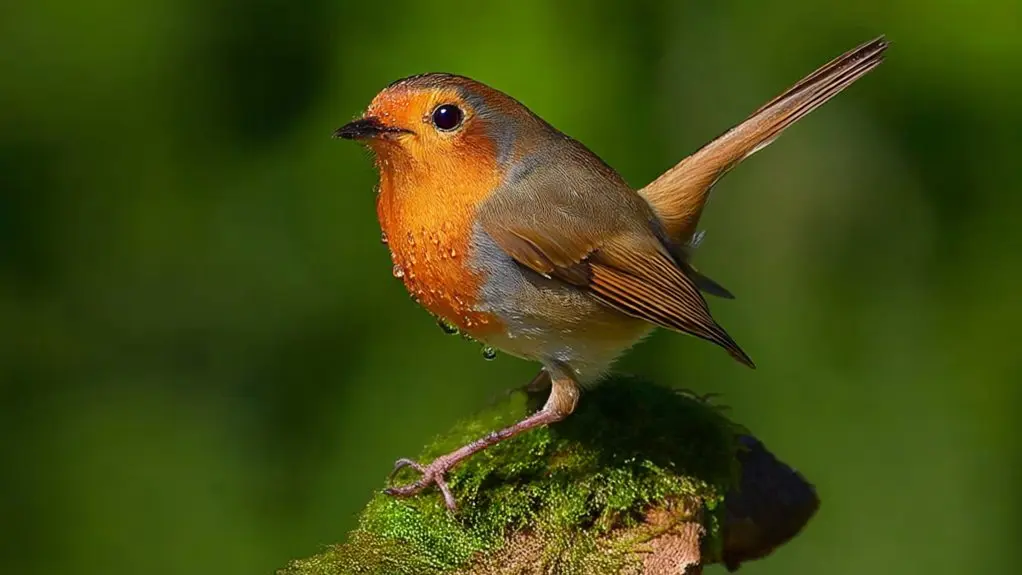
You can’t get rabies from birds because the rabies virus only infects mammals and can’t survive or replicate in avian species. Birds lack the specific receptors and nervous system structures the virus needs to cause infection.
Common rabies carriers include bats, raccoons, skunks, and foxes. These are all mammals that can transmit the virus through bites or scratches.
Understanding these details will clarify why birds aren’t part of the rabies transmission cycle. It also helps you know how to protect yourself from the real risks.
Which Animals Can Carry Rabies?
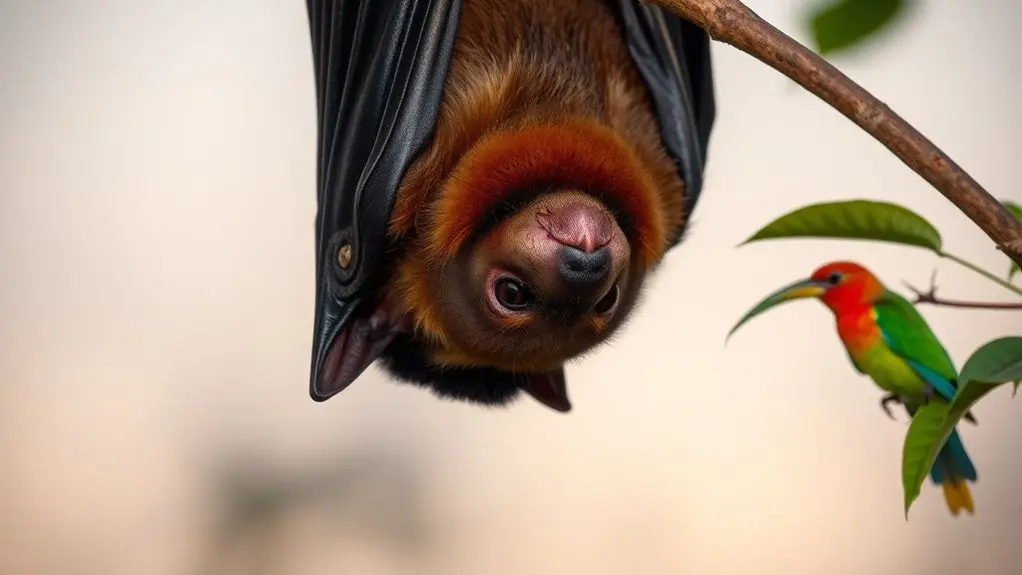
Which animals can actually carry rabies? Rabies primarily infects mammals, targeting their nervous systems with high specificity. You’ll find the virus commonly in bats, raccoons, skunks, foxes, and dogs, species that serve as reservoir hosts.
Birds, despite their extensive bird migration patterns, aren’t known to carry or transmit rabies. Their unique avian immunity prevents the rabies virus from establishing infection. This immunity, combined with differences in nervous system physiology, means birds don’t support the virus replication necessary for transmission.
While birds can host other pathogens, they pose no rabies risk to humans. So, understanding which animals can carry rabies helps focus prevention efforts on mammalian reservoirs rather than avian species, which remain unaffected by this virus.
Why Birds Can’t Give You Rabies
Although birds are known carriers of various pathogens, they don’t carry or transmit the rabies virus. This is because the rabies virus specifically targets mammalian neural tissue, which differs markedly from the nervous system of birds.
Unlike mammals, birds lack the necessary receptors for the virus to infect and replicate efficiently in their bodies.
Their physiology, adapted for bird flight and maintaining feather health, creates an environment unsuitable for the rabies virus. No documented cases exist of rabies transmission from birds to humans or other animals.
- Birds’ nervous systems differ structurally from mammals’, preventing viral infection
- Bird flight demands unique neurological adaptations incompatible with rabies virus replication
- Feather health and maintenance mechanisms don’t support the virus’s survival or spread
How Rabies Spreads Among Mammals
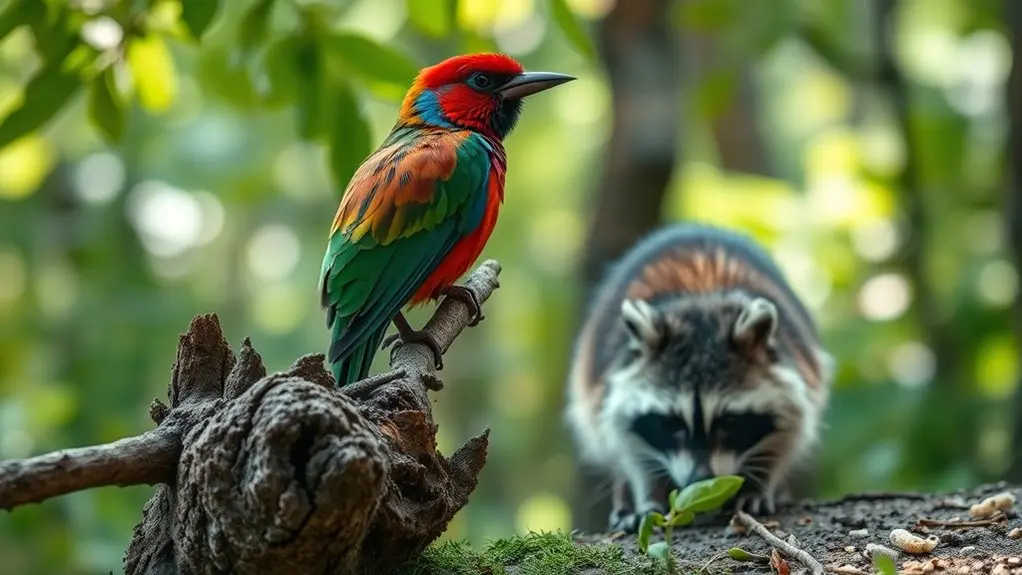
When a mammal bites or scratches another, it can introduce the rabies virus through infected saliva or nervous tissue, starting the infection process. This mammal transmission is the main way rabies spreads because the virus targets the nervous system.
Once inside, the virus travels along peripheral nerves toward the central nervous system, eventually reaching the brain.
The virus moves through peripheral nerves to the central nervous system, ultimately reaching the brain.
The infection disrupts neurological function, which leads to severe symptoms and death if untreated. The virus stays highly contagious during this active phase but becomes noninfectious once it’s dried or exposed to sunlight.
Understanding this pathway is really important because it shows how close contact with infected saliva or nervous tissue helps rabies move easily among mammals.
Common Rabies-Carrying Wildlife in the U.S
Since rabies virus exclusively infects mammals, you won’t find birds carrying or transmitting it. Despite bird migration influencing ecosystem dynamics, avian species remain unaffected by rabies. Plus, avian vaccines don’t target this virus.
In the U.S., rabies primarily circulates among specific wild mammals. You should know these animals serve as common reservoirs and transmitters:
- Bats, accounting for about 70% of reported rabies cases in wildlife
- Raccoons, which often interact with human environments
- Skunks and foxes, noted for unusual daytime activity when infected
Understanding these carriers helps you recognize the real rabies risks in wildlife encounters. Unlike birds, these mammals can transmit rabies through bites or scratches. So, it’s really important to avoid contact with them.
What To Do After Encountering a Bat or Wild Mammal
If you come into contact with a bat or wild mammal, especially through a bite or scratch, acting quickly can considerably reduce your risk of contracting rabies. Immediately wash the wound with soap and water to remove virus particles. Then, seek prompt medical evaluation to assess whether postexposure prophylaxis (PEP) is necessary.
Quickly wash any bat or wild mammal bite or scratch and seek medical advice to prevent rabies.
Contact local health authorities or wildlife agencies to report the incident and arrange for rabies testing of the animal if possible.
Unlike birds, which benefit from avian immunity and avoid rabies transmission despite bird migration patterns, bats and wild mammals remain primary rabies carriers. So, avoid handling or disturbing these animals to minimize your exposure risk.
Following these precise steps guarantees timely intervention after exposure. This is vital for preventing rabies infection.
How To Protect Yourself and Your Pets From Rabies
Although birds can’t carry rabies, protecting yourself and your pets from this deadly virus means being careful around wild mammals. Rabies mainly affects mammals, so even during bird migration seasons, you want to pay attention to mammals.
Keep your pets’ rabies vaccinations up to date to protect them from infected wildlife.
While birds are important for the ecosystem, they don’t affect rabies risk. So, focus on mammals when it comes to rabies prevention.
To protect yourself and your pets:
- Avoid contact with stray or injured mammals like bats, raccoons, and skunks.
- Keep pets vaccinated according to local health guidelines.
- Report suspicious animal behavior to local health authorities quickly.
Knowing the symptoms of rabies and getting medical care right away after possible exposure can help reduce risks and keep everyone safe.
Why You Don’t Need to Worry About Rabies From Birds
You don’t need to worry about rabies from birds because the rabies virus just can’t infect or reproduce inside their bodies. See, rabies mainly targets mammals.
So far, there’s no proof that birds get infected or spread the virus naturally.
Knowing how rabies spreads among wildlife makes it clear why birds aren’t a risk at all. It’s all about the types of animals the virus can affect—and birds aren’t on that list.
Birds And Rabies Virus
Since the rabies virus infects only mammals, birds can’t carry or transmit rabies to humans. The virus doesn’t replicate in bird tissues, and neither bird flight nor feather contamination pose any risk for rabies transmission.
You don’t need to worry about rabies from birds because rabies spreads through saliva or nervous tissue from infected mammals only. The virus can’t survive in bird feathers, droppings, or other avian body parts.
Also, there are no documented cases of rabies transmission from birds to humans.
Understanding these facts helps you avoid unnecessary concern over encounters with wild or domestic birds. Their role in rabies ecology is nonexistent, so you can safely appreciate bird flight without fear of contamination or infection related to rabies.
Rabies Transmission In Wildlife
Understanding the inability of birds to harbor or transmit rabies sets the stage for examining rabies transmission in wildlife more broadly. Rabies primarily affects mammals, targeting their nervous systems, while avian immunity and bird virus interactions prevent birds from becoming infected.
Since the rabies virus is transmitted through saliva or nervous tissue of infected mammals, birds don’t pose a risk to you through bites or scratches. This distinction highlights that wildlife rabies transmission centers on mammals like bats, raccoons, and foxes.
Because birds lack the cellular mechanisms necessary for rabies infection, you don’t need to worry about contracting rabies from any avian species. This scientific understanding confirms that birds remain outside the rabies transmission cycle, ensuring their safety and yours.
Frequently Asked Questions
Can Bird Droppings Transmit Any Diseases to Humans?
Yes, bird droppings can transmit diseases like histoplasmosis and Salmonella to you, especially in avian habitats where bird migration concentrates droppings.
Always handle and clean them carefully to avoid health risks associated with these pathogens. It’s better to be cautious when you’re around areas where birds gather a lot. Just taking some simple precautions can keep you safe.
Are There Any Viruses Birds Commonly Carry?
Yes, birds commonly carry avian viruses like avian influenza and West Nile virus. These bird pathogens can affect both birds and humans, so you should handle bird contact carefully to reduce potential health risks.
It’s always a good idea to be cautious around birds, especially if they seem sick. Wearing gloves or washing your hands after touching birds or their droppings helps keep you safe. Just a little care goes a long way in preventing illness.
How Can I Safely Handle Injured or Sick Birds?
Think of bird feeding as nest guarding. Approach injured birds cautiously. Wear gloves and use a towel or container to gently pick them up.
Avoid the beak and claws to keep yourself safe. After handling, wash your hands thoroughly. This way, you stay safe and scientific.
Do Bird Bites Pose Any Health Risks?
Bird bites can cause minor infections, so you should clean wounds promptly. While bird migration and avian communication don’t increase rabies risk, you must still practice good hygiene to prevent bacterial infections from bites.
It’s always a good idea to keep the area clean and watch for any signs of infection, like redness or swelling. If you notice anything unusual, don’t hesitate to see a healthcare professional. Taking these simple steps can help keep you safe after a bird bite.
Can Bird Feathers Cause Allergic Reactions?
Think of bird feather allergies as tiny sparks igniting feather dust sensitivity in your immune system. Your body reacts to proteins in feathers, causing sneezing, itching, or asthma symptoms. This happens especially if you’re sensitive to feather dust exposure.
It’s like your immune system is on high alert whenever it detects these proteins. So, even a small amount of feather dust can set off those uncomfortable reactions. Understanding this can help you manage or avoid triggers more effectively.
Conclusion
You don’t need to lose sleep over birds when it comes to rabies. They simply aren’t part of the chain. Rabies quietly travels through mammals, not feathered friends.
By understanding which animals carry this virus and taking simple precautions, you’re safeguarding yourself and your loved ones from potential risk. So, while birds bring beauty to your world, rest assured they won’t bring rabies.
Stay informed, stay safe, and let nature’s wings remain worry-free companions.