
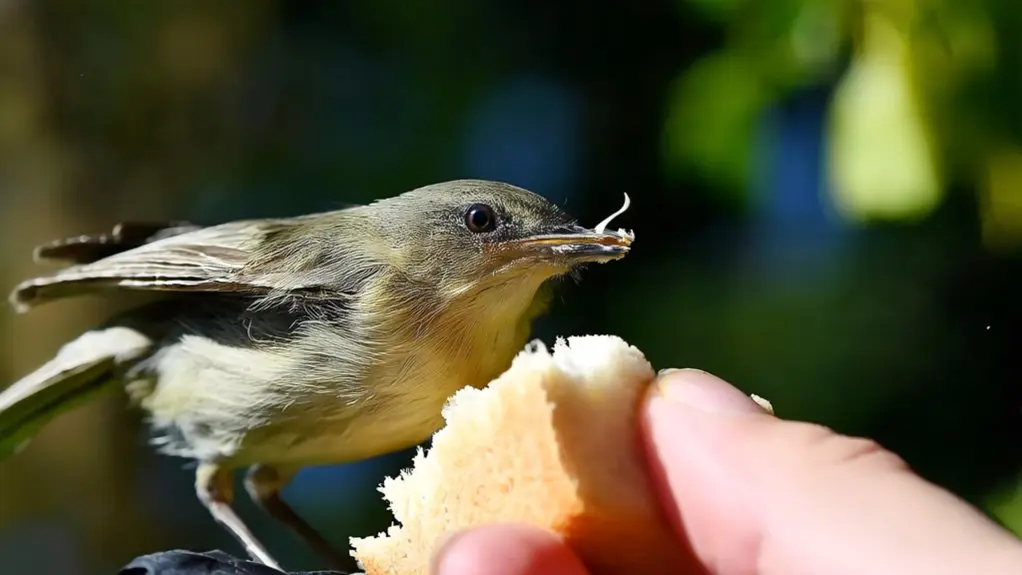
You shouldn’t feed bread to birds because it lacks essential nutrients and its high carbohydrates can disrupt their metabolism. Ingredients like salt and unhealthy fats cause dehydration and organ problems. Bread can cause physical harm, including digestive blockages and malnutrition.
Moldy bread introduces toxins that weaken immunity. Environmentally, uneaten bread pollutes water and alters wildlife behavior. Instead, use safe, natural foods and proper feeding methods to protect bird health and habitats.
More details explain how to keep birds safe and healthy. It’s really important to choose the right foods if you want to help birds thrive. So, skip the bread and go for better options!
Is It Safe to Feed Bread to Birds?
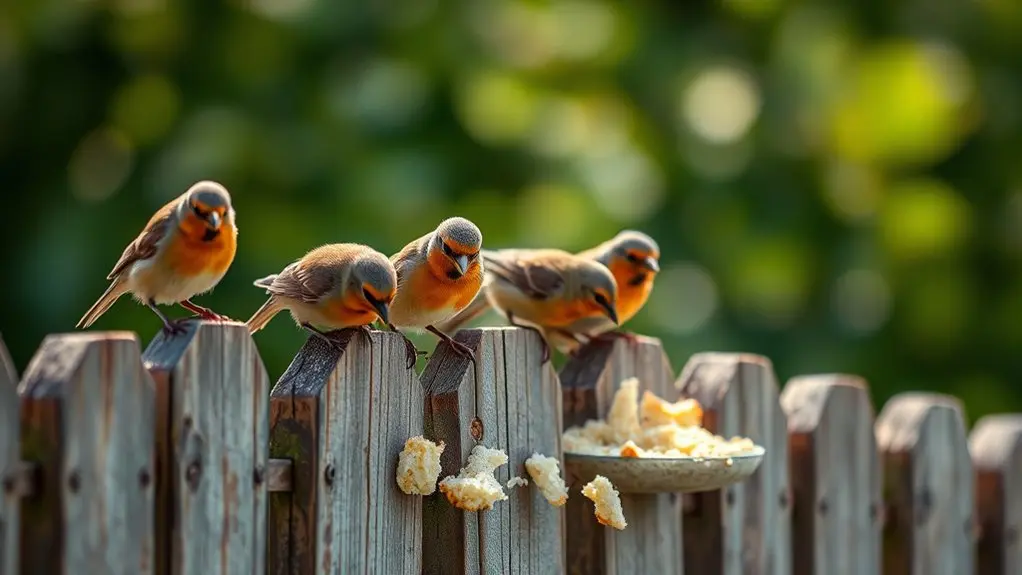
Why should you avoid feeding bread to birds? Bread lacks the essential nutrients birds need for proper health, which can weaken them during critical periods like bird migration. When birds rely on bread, they may suffer nutritional deficiencies that impair energy reserves necessary for long flights.
Also, feeding bread can cause nest disturbance. Increased human presence and crowds around feeding sites disrupt breeding and nesting behaviors.
Moldy bread poses risks of yeast infections, and bread pieces can lodge in digestive tracts, leading to blockages and fatal complications.
The presence of bread also attracts pests and predators, altering natural behaviors and potentially increasing threats to local bird populations.
In some regions, feeding bread to waterfowl is prohibited to help prevent these health and ecological problems.
Which Ingredients in Bread Harm Birds?
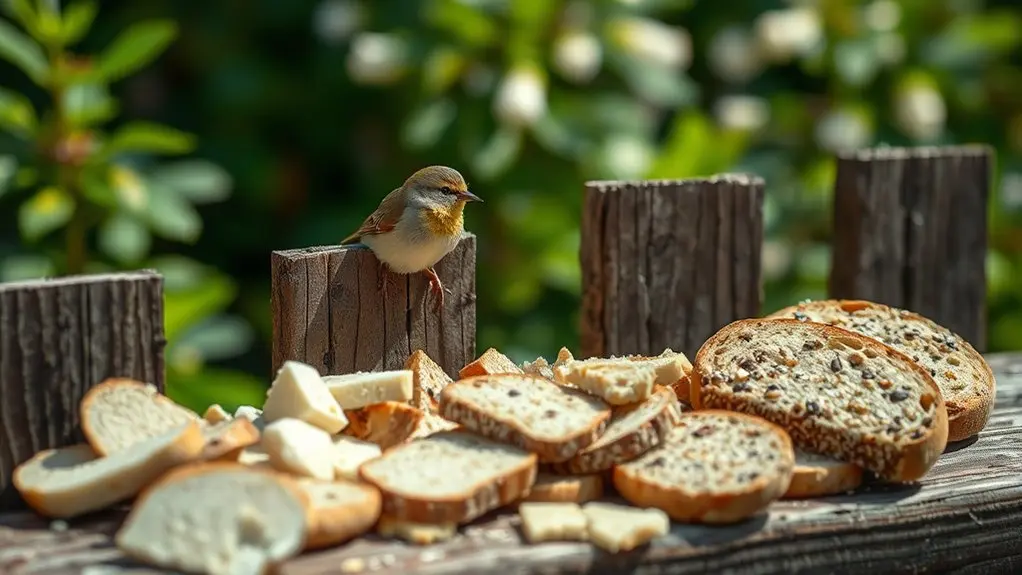
You should know that some nutrients in bread, like niacin and thiamin, can actually mess with birds’ nutrient balance.
On top of that, ingredients like salt, hydrogenated fats, and high fructose corn syrup can be harmful—they might cause dehydration, electrolyte problems, and generally poor health.
Plus, preservatives, enzymes, and bleaching agents in bread could be toxic or have unknown effects on birds.
Harmful Nutrients In Bread
Although bread may seem like a harmless treat, several of its common ingredients pose significant risks to birds. Bread contains nutrients like niacin, iron, and thiamin, which can disrupt bird digestion by causing nutrient imbalances and deficiencies.
Its high content of salt, high fructose corn syrup, and hydrogenated fats further impair avian health by overwhelming their metabolic systems.
Because bread lacks essential nutrients, relying on it can lead to malnutrition and related health complications. The nutrient-poor composition fails to meet birds’ dietary needs, compromising their physiological functions.
Understanding these harmful nutrients is essential to preventing dietary imbalances and maintaining ideal bird digestion and health.
Toxic Additives And Preservatives
Because bread often contains preservatives, enzymes, and bleaching agents, these additives can be toxic to birds when ingested. Toxic additives in bread pose significant risks because the preservatives can alter bird metabolism and physiology.
When feeding birds, you should be aware of harmful ingredients that may cause adverse reactions.
Common toxic additives and preservatives in bread include chemical preservatives that disrupt digestive processes, enzymes that interfere with nutrient absorption, bleaching agents linked to respiratory irritation, artificially added vitamins causing nutrient imbalances, and high fructose corn syrup inducing metabolic disturbances.
These components can build up and harm bird health over time. Knowing about these toxic additives and preservative effects helps you avoid unintentionally hurting birds when offering them bread.
Effects Of Salt And Fat
How do salt and fat in bread impact bird health? Salt can cause dehydration and electrolyte imbalances in birds, which messes with their kidney function. This can even lead to fatal outcomes, especially for smaller species.
Hydrogenated fats, which are common in processed bread, are unnatural for birds. They might contribute to fatty liver disease and other metabolic disorders. These health problems can make it harder for birds to do important things like migrate or build nests because they reduce energy and overall fitness.
Unhealthy trans fats also interfere with normal organ function, making survival even tougher. Birds rely on nutrient-rich diets during migration and nest building, so eating bread with too much salt and harmful fats can really mess with their bodies and long-term health.
It’s best to avoid feeding birds bread that contains these ingredients to keep them healthy and safe.
How Bread Affects Bird Nutrition and Health
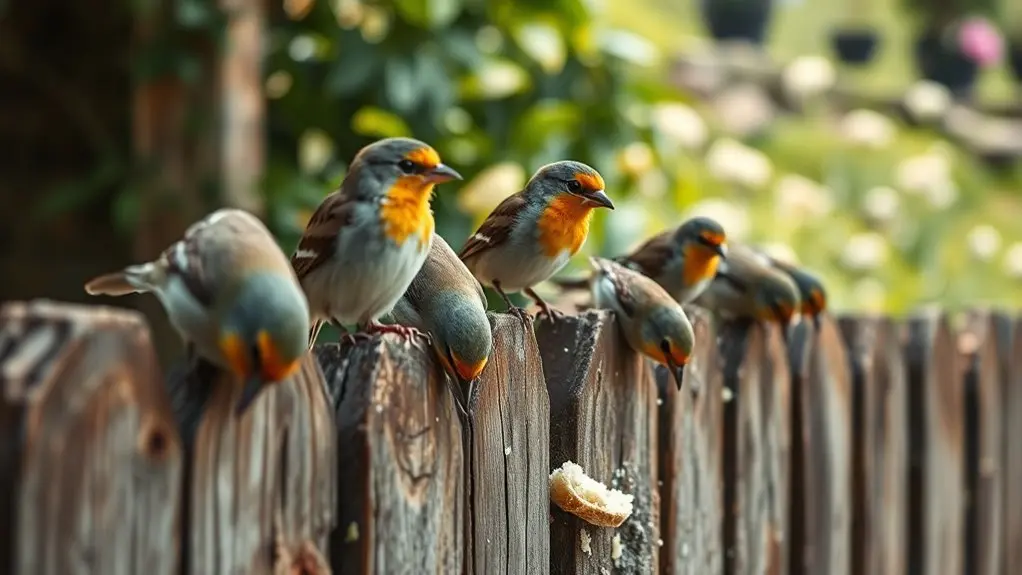
When birds consume bread, they receive little to no essential nutrients such as vitamins, proteins, or fats that are crucial for their health. Bread’s high carbohydrate content disrupts bird metabolism and reduces nutrient absorption, leading to several negative outcomes.
For example, it can cause stomach swelling, which leads to malnutrition. Birds may also experience decreased energy levels that make their daily activities harder. Plus, bread reduces how well birds use their food, affecting their growth and body condition.
Stomach swelling and low energy from bread lead to malnutrition and poor growth in birds.
Over time, nutrient deficiencies can even cause wing deformities. There’s also an increase in liver glycogen levels, which might damage organs.
All of this shows that bread has poor nutritional value and interferes with normal bodily functions in birds. Feeding bread messes with their ability to process nutrients properly and ultimately harms their overall health.
Physical Dangers Bread Poses to Birds
You should know that bread can actually cause some serious physical harm to birds. For example, it can lead to digestive blockages or even injuries from sharp pieces of bread.
And it’s not just about the bread itself—moldy bread can be even worse because it might cause fatal yeast infections.
Plus, when birds eat a lot of bread, they don’t get the nutrients they need, which can lead to problems like wings that don’t form properly.
Digestive Blockages And Mold
Although bread might seem harmless, it can cause serious digestive blockages in birds that may prove fatal. When birds consume bread, it may lodge in their digestive system, creating physical obstructions that prevent nutrient absorption and lead to starvation or internal injuries.
Plus, mold risks associated with bread are significant. Moldy bread produces toxins that can cause yeast infections and compromise the bird’s immune system. This can potentially damage essential organs.
Consider these dangers:
- Digestive blockages from lodged bread pieces
- Mold growth accelerating in moist environments
- Toxin production leading to yeast infections
- Immune system impairment from ingesting mold
- Organ damage caused by mold toxins
Knowing these risks helps you protect birds from avoidable health threats related to bread consumption. It’s always better to be informed and keep birds safe!
Nutritional Deficiencies Effects
Beyond the immediate risks of digestive blockages and mold toxicity, bread poses significant threats through nutritional deficiencies that can severely affect a bird’s physical health. Bread lacks essential vitamins, proteins, and fats, leading to nutrient imbalances that impair growth, molting, and reproductive success.
When birds consume bread, its high carbohydrate content causes stomach swelling, which reduces their appetite for more nutritious foods. This malnutrition results in immune suppression, weakening their ability to fight infections and increasing disease susceptibility.
Physical Deformities Risks
When birds consume bread regularly, their bodies often suffer from physical deformities caused by nutritional imbalances. These imbalances disrupt normal feather growth and can lead to beak deformities, which makes feeding harder for them.
Malnutrition also affects bone development and can result in skeletal abnormalities.
You should be aware of these specific risks:
- Wings growing outward instead of lying flat against the body
- Abnormal leg growth patterns that make it harder for birds to move
- Blockages in the digestive tract from lodged bread pieces
- Weakening of bones and tissues, which increases the risk of fractures
- Organ damage caused by physical obstruction or malnutrition
All these physical deformities reduce birds’ chances of survival by limiting their ability to fly, feed, and stay healthy overall.
Environmental and Water Effects of Feeding Bread
If you feed bread to birds near water bodies, you might unintentionally cause significant environmental harm. In urban impact zones, unconsumed bread decomposes and releases excess nutrients. This promotes bacteria and algae growth, which leads to water contamination.
This nutrient overload disrupts aquatic ecosystems by changing oxygen levels and harming aquatic species. Moldy bread introduces spores that can infect waterfowl and aquatic life, making water quality worse.
Plus, bread attracts pests like rodents and insects, which might spread waterborne diseases and add to contamination risks.
All in all, feeding bread near water causes a decline in water quality and throws local aquatic environments out of balance. Knowing these effects helps explain why feeding bread, especially in cities and near water, is a serious environmental concern.
Unwanted Behaviors and Problems From Feeding Bread
Although feeding bread to waterfowl might seem harmless, it often triggers aggressive behaviors as birds compete for limited food resources. This competition can disrupt natural bird migration patterns and interfere with normal nesting behaviors.
Over time, birds may become reliant on bread, abandoning their instinctive foraging techniques. Plus, the presence of excess bread causes several ecological and behavioral issues, including:
- Increased aggression among waterfowl competing for bread
- Dependence on human-provided food, disrupting natural migration
- Attraction of pests like rodents and insects, spreading diseases
- Nutritional deficiencies leading to reduced flight ability and deformities
- Negative impacts on nesting behaviors due to poor health
Feeding bread ultimately undermines the health and natural behaviors essential for wild birds’ survival. So, even if it feels like you’re helping, it can actually do more harm than good.
Healthy Alternatives to Bread for Wild Birds
Because bread lacks the essential nutrients wild birds need, you should offer healthier alternatives that support their natural diet and well-being. Natural, unrefined grains such as millet, corn, and sunflower seeds supply vital proteins, fats, and carbohydrates necessary for energy during bird migration.
Fresh fruits like grapes, berries, and chopped apples provide hydration and vitamins crucial for maintaining strength and immune function. Vegetables including peas, lettuce, and cabbage offer low-fat nutrients that aid overall health.
Commercial birdseed mixes designed for specific species guarantee a balanced diet and attract diverse birds. These foods also support behaviors like nest building by providing necessary nutrients for feather growth and muscle development.
Avoid processed, salted items, which disrupt hydration and create nutritional imbalances. These can potentially impair survival during migration and reproduction phases.
How to Feed Wild Birds Responsibly and Safely
When feeding wild birds, you need to prioritize their health and safety by choosing the right foods and keeping feeding areas clean. Watching out for bird feeding ethics helps reduce harm to their habitats and supports local ecosystems.
You should offer natural, unrefined seeds like sunflower, millet, or cracked corn because they provide ideal nutrition. Avoid giving bread at all—it doesn’t have nutrients and can actually cause health problems.
Try to provide a variety of foods, including small pieces of fruit and vegetables, to meet the needs of different bird species.
Make sure to keep feeders and food clean by removing any moldy or spoiled items to prevent disease.
Also, keep an eye on how much you’re feeding the birds. Overfeeding can disrupt their natural habitat and cause other issues.
Local Rules and Regulations for Feeding Birds
Understanding how to feed wild birds responsibly also means recognizing the legal boundaries set by local authorities. Many areas regulate feeding to prevent disruptions in bird migration and nesting habits. These disruptions can affect the ecosystem balance.
Feeding waterfowl or wild birds may be prohibited to avoid overpopulation and habitat damage. Always verify local rules to avoid fines or penalties.
| Location Type | Feeding Allowed? | Purpose of Regulation |
|---|---|---|
| Urban Parks | Sometimes | Prevent large gatherings |
| Nature Reserves | Rarely | Protect native species, habitats |
| Water Bodies | Usually No | Avoid overpopulation, water pollution |
Check local policies before feeding to support healthy wildlife and habitats. It’s always best to play it safe and help keep the environment balanced.
Frequently Asked Questions
Can Feeding Bread to Birds Spread Diseases?
Yes, feeding bread to birds can spread diseases by promoting nutritional deficiencies and encouraging behavioral changes that increase exposure to pathogens.
Moldy or spoiled bread introduces harmful microbes, leading to infections and disrupting natural foraging habits.
How Does Bread Affect Bird Migration Patterns?
Bread negatively affects migration patterns by causing birds to rely on it, disrupting natural cues. Its poor nutritional impact weakens birds, reducing their stamina and altering traditional migratory timing and routes. This can potentially delay or stop migration altogether.
Basically, when birds depend too much on bread, it throws off their natural behavior and survival skills. It’s not just about food—it’s about how they know when and where to go. So, feeding birds bread might seem harmless, but it can really mess with their migration.
Do All Bird Species React the Same to Eating Bread?
No, bird species don’t react the same to eating bread. You should consider bird nutrition carefully and offer bread alternatives like seeds or grains. These options better meet their dietary needs and prevent nutritional deficiencies or health risks.
It’s important to remember that what might be okay for one bird isn’t necessarily good for another. So, sticking to natural foods is usually the safest bet to keep birds healthy and happy.
Can Bread Cause Dependency in Wild Birds?
You know what they say: “Don’t bite the hand that feeds you.” Bread can cause dependency in wild birds, leading to significant nutritional impact and behavioral changes. This can disrupt their natural foraging and increase aggressive competition at feeding sites.
It’s important to think about what we feed them because it really affects their health and habits. Feeding birds bread might seem harmless, but it can actually do more harm than good. So, next time you spot some wild birds, consider offering them healthier options instead.
Is Stale Bread Safer Than Fresh Bread for Birds?
No, stale bread isn’t safer than fresh bread for birds. You’ll find both negatively impact nutritional intake and can cause behavioral changes, like dependency.
Plus, stale bread risks mold-related health issues that are just as harmful to birds. So, whether it’s fresh or stale, bread isn’t really a good choice for feeding them. It’s better to look for healthier options that support their well-being.
Conclusion
So, sure, go ahead and feed birds bread if you want to see them waddling like ducks with swollen bellies and suffering from malnutrition. After all, who cares about moldy crusts clogging waterways or encouraging aggressive bird gangs?
If you prefer healthy, thriving wildlife, maybe skip the carbs and opt for proper seeds and grains. But hey, if you’re aiming for an avian soap opera, keep tossing those breadcrumbs. Science totally backs chaos.