
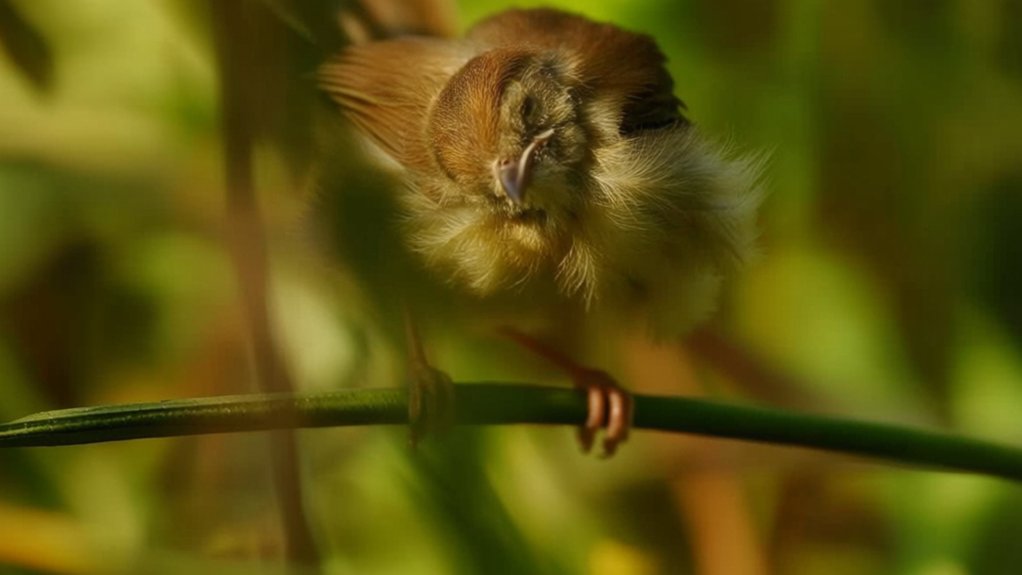
You might worry if your bird has ataxia, and rightly so. It signals serious neurological trouble rather than causing death directly. While ataxia alone isn’t usually fatal, it often points to underlying issues like infections, toxins, or injuries.
If these problems go untreated, they can quickly become life-threatening. Early veterinary care is essential to improve your bird’s chances. Understanding the causes, risks, and steps you can take helps you protect your bird’s health and well-being more effectively.
What Is Ataxia and Why It Matters in Birds
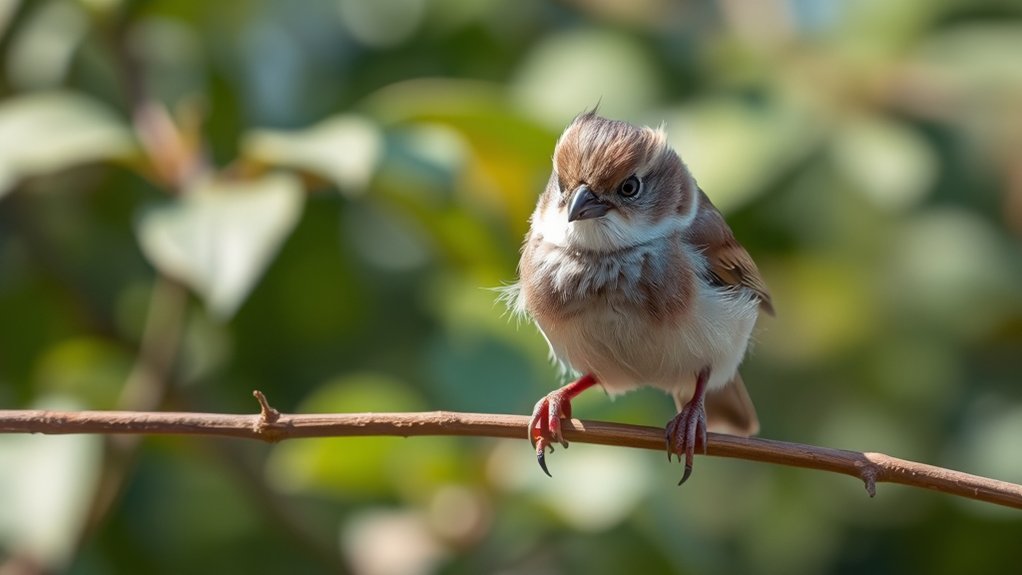
Although ataxia may seem like a simple balance problem, it actually signals serious neurological dysfunction in birds. When you notice uncoordinated movements, stumbling, or an unsteady gait, these signs reflect disruptions in the nervous system.
Ataxia shows up through symptoms like a wide-based stance, head tilting, circling, or falling. Each of these indicates impaired neural control.
You should understand that ataxia is classified by the affected nervous system region: cerebellar, vestibular, or proprioceptive. Each type presents distinct clinical signs.
Various factors can interfere with normal neural function and cause ataxia. These include infections, toxins, nutritional deficiencies, trauma, and neoplasia.
Early recognition is essential because ataxia often points to underlying health issues that may become life-threatening if left untreated.
That’s why prompt veterinary evaluation is crucial for your bird’s well-being. Catching problems early can make all the difference.
Common Neurological Causes of Ataxia in Birds
Recognizing ataxia as a sign of neurological dysfunction in your bird means understanding its underlying causes. Several neurological conditions can lead to ataxia, and each requires careful attention and intervention.
You should be aware of these common causes:
Viral infections like pheasant ataxia and Newcastle Disease can damage nervous tissue. Heavy metal toxicosis, especially lead and zinc poisoning, often affects cerebellar function. Nutritional deficiencies, such as shortages of vitamin E and selenium, also contribute to neurodegeneration.
Viral infections, heavy metal poisoning, and nutrient deficiencies are key causes of neurological damage in birds.
Infectious diseases, including Proventricular Dilatation Disease (PDD), cause inflammation in the central nervous system. Neural tumors or metastasis may present as progressive neurological decline.
Knowing these causes helps you seek timely care for your bird.
Musculoskeletal Problems That Can Look Like Ataxia

When birds show signs of uncoordinated movement or wobbliness, musculoskeletal problems might be the underlying cause rather than neurological ataxia. Fractures, joint inflammation, or soft tissue injuries can impair movement, mimicking ataxic symptoms.
Conditions like arthritis or gout alter gait and cause lameness, which you might mistake for neurological issues.
Metabolic bone disease from calcium or vitamin D deficiency weakens bones, increasing fracture risk and causing stumbling.
Trauma from falls or collisions also leads to soft tissue damage or broken bones, affecting coordination.
It’s important to recognize that these musculoskeletal issues require treatments such as splinting, pain management, or nutritional correction, which differ notably from therapies used for neurological ataxia.
Understanding this distinction is essential for providing appropriate care and improving your bird’s recovery chances.
How Vets Diagnose Bird Ataxia
When your bird starts showing signs of ataxia, vets usually begin by asking about its medical history and doing a careful neurological exam. They want to get a clear picture of what’s going on.
Then, they often use diagnostic tools like blood tests, X-rays, and sometimes more advanced imaging to help figure out the cause.
Diagnostic Procedures Overview
Although ataxia in birds can stem from various causes, veterinarians rely on a systematic approach to diagnose it accurately. You’ll find that the process begins with a thorough history and detailed physical and neurological exams to pinpoint signs of nervous or musculoskeletal dysfunction.
Then, vets use specific diagnostic tools to clarify the cause. These include blood tests to detect toxins, infections, or nutritional deficiencies. Imaging like radiographs, CT, or MRI helps reveal structural brain or spinal abnormalities.
Neurological assessments are done to evaluate coordination and reflexes.
Post mortem histopathology provides a definitive diagnosis in fatal cases. They also rule out infectious and metabolic causes through targeted testing.
This careful, stepwise evaluation helps tailor effective treatments. It improves your bird’s prognosis and safety.
Differentiating Ataxia Causes
Because ataxia in birds can arise from diverse causes, veterinarians carefully differentiate among them using a combination of detailed history-taking, neurological exams, and targeted diagnostic tests. They begin by gathering dietary, environmental, and symptom histories to narrow potential causes.
Neurological exams assess coordination and reflexes, guiding further testing.
Blood work and imaging help identify heavy metal poisoning or trauma. Specific laboratory tests rule out infectious diseases like Newcastle Disease by detecting characteristic clinical signs and pathogens.
Post mortem histopathology can confirm viral or bacterial infections through neural tissue analysis.
Nutritional deficiencies emerge from dietary review combined with physical exams, while radiographs identify structural injuries.
This systematic approach guarantees accurate diagnosis, enabling you and your vet to tailor safe, effective treatment plans compassionately and precisely.
Is Ataxia Life-Threatening for Birds?
If you notice ataxia in your bird, you should understand that while the symptom itself isn’t directly life-threatening, it often signals serious underlying conditions that can quickly become fatal without treatment.
Ataxia reflects neurological dysfunction and may lead to complications like paralysis or inability to eat and drink.
Ataxia signals neurological issues that can cause paralysis or hinder a bird’s ability to eat and drink.
Key concerns include the risk of dehydration and starvation due to impaired feeding, secondary infections from a weakened immune response, and potential heavy metal poisoning causing rapid decline.
Infectious diseases like PDD also require urgent care.
Neurological impairment can indicate severe systemic disease.
Prompt veterinary evaluation is essential.
While ataxia alone doesn’t cause death, it’s a red flag for conditions that can threaten your bird’s survival if ignored.
Treatment Strategies for Different Causes of Ataxia
When treating ataxia in birds, you have to tailor the approach to the specific underlying cause to guarantee the best outcome. Early diagnosis is super important. For example, chelation therapy with calcium EDTA works well to reverse heavy metal poisoning if started early.
Nutritional deficiencies like hypocalcemia call for injectable calcium gluconate first, then oral supplements and vitamin D3 to follow. Infectious causes such as PDD need targeted antimicrobials. On the other hand, musculoskeletal injuries benefit from cage rest and pain management.
| Cause | Treatment | Notes |
|---|---|---|
| Heavy Metal Poisoning | Chelation (Calcium EDTA) | Early intervention critical |
| Nutritional Deficiency | Calcium supplements + Vit D | Correct imbalance promptly |
| Infection (PDD) | Antimicrobial therapy | Tailored to pathogen |
| Musculoskeletal Injury | Rest + Pain management | Supportive care essential |
Focusing on the root cause really helps boost recovery and lowers the risk of mortality.
When to Seek Urgent Care for a Wobbly Bird
Although mild ataxia may not always signal an emergency, you should seek urgent veterinary care immediately if your bird can’t perch, falls repeatedly, or lies on the cage floor. These signs point to severe neurological impairment needing prompt attention.
Watch closely for seizures, head tilt, circling, or nystagmus. Also, pay attention if your bird is rapidly worsening or unable to stand. Refusal to eat or drink because of incoordination is another red flag.
Look out for signs of heavy metal poisoning or neurological disease, and sudden behavioral changes or lethargy.
Early veterinary evaluation can identify life-threatening causes and start treatment quickly, improving your bird’s chances of recovery.
Don’t delay if you notice these symptoms, as birds can deteriorate rapidly without intervention. Your attentive care can be lifesaving.
How Bird Owners Can Prevent Ataxia
Because ataxia often results from preventable causes, you can greatly reduce your bird’s risk by maintaining a clean environment, providing balanced nutrition, and practicing safe husbandry. Use the 3Ds: disinfection, distancing, and deterrence to minimize infectious agents.
Offer a diet rich in calcium, vitamin E, and selenium to prevent neurological deficiencies. Make sure your bird has adequate space and safe perches. Avoid trauma to reduce musculoskeletal injury risks.
Regularly monitor your bird’s health and seek veterinary care promptly if you notice early neurological or physical abnormalities. Limit exposure to toxins by providing safe water and avoiding heavy metals like lead and zinc in cages or toys.
These measures collectively safeguard your bird’s neurological health and substantially lower the chance of ataxia.
Frequently Asked Questions
Can Ataxia in Birds Be Hereditary?
Ataxia in birds isn’t typically hereditary. You’ll find it’s usually caused by infections, toxins, or injuries.
While rare genetic cases might exist, you shouldn’t expect ataxia to pass down genetically in most birds. It’s not something that commonly runs in bird families. So, if you notice ataxia, it’s more likely due to something environmental or health-related rather than genetics.
Are Certain Bird Species More Prone to Ataxia?
If you observe a cockatoo struggling with coordination, know it’s more prone to ataxia due to toxin sensitivity. You should monitor sensitive species closely, as their neurological health demands precise nutritional and environmental care to prevent such issues.
Keeping an eye on these birds can really make a difference. It’s all about catching problems early and adjusting their diet or surroundings. That way, you help keep them steady and healthy.
How Long Does It Take for Ataxia Symptoms to Appear?
Ataxia symptoms can appear within hours to weeks, depending on the cause. You’ll see rapid onset with poisoning or trauma, while nutritional or infectious issues cause gradual progression.
Can Diet Changes Alone Reverse Ataxia in Birds?
Think of ataxia like a wilting plant. If you water it early, it recovers.
You can often reverse nutritional ataxia in birds by correcting their diet quickly. But infections or toxins need more than just food adjustments.
Is Ataxia Contagious Between Birds?
Ataxia itself isn’t contagious, but if it’s caused by infectious diseases like Newcastle Disease, those can spread between birds. You should practice strict biosecurity to prevent transmitting underlying infections causing neurological symptoms.
It’s important to remember that not all causes of ataxia are infectious. So, keeping your birds healthy and monitoring them closely can help catch any issues early on. If you notice symptoms, it’s best to consult a vet for proper diagnosis and care.
Conclusion
When you see your bird wobbling like a leaf caught in a breeze, don’t ignore it. Ataxia signals underlying struggles, neurological or musculoskeletal, that can threaten their life if untreated. Act swiftly, seek veterinary care, and follow tailored treatments to steady their steps.
With your attentive care, you can help your feathered friend regain balance and soar safely once more. It’s all about turning uncertainty into hope and healing.