
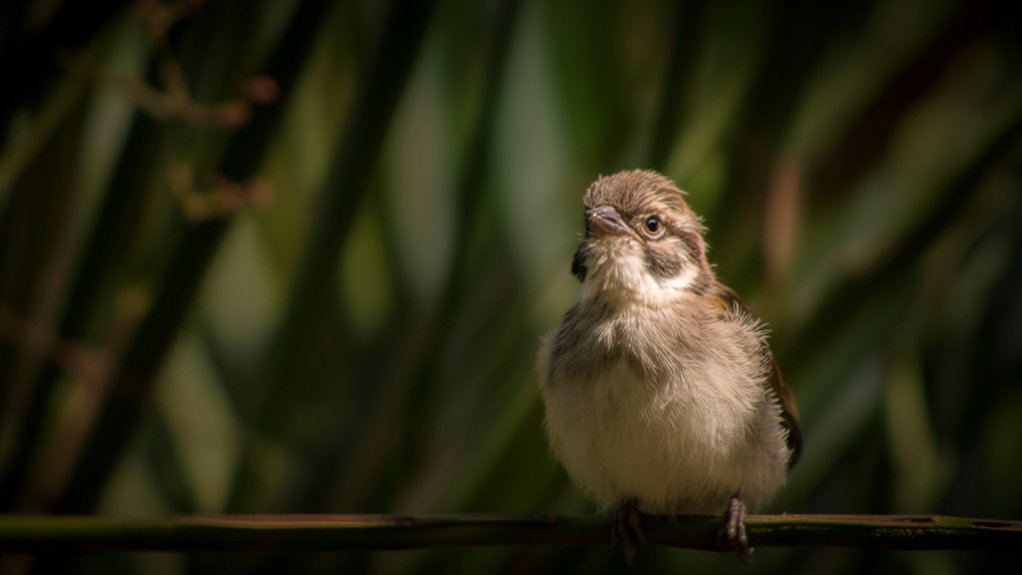
Yes, birds can die from stress because it triggers physiological changes like elevated corticosterone and adrenaline. These hormones weaken their immune system and can lead to organ failure.
Stress also causes physical signs such as feather loss, rapid breathing, and lethargy. Environmental factors like noise, light pollution, and predators can make their condition worse.
Chronic stress really takes a toll on their health. Understanding how stress affects birds helps you recognize the signs and learn ways to better support their well-being.
Physical and Behavioral Effects of Stress on Birds
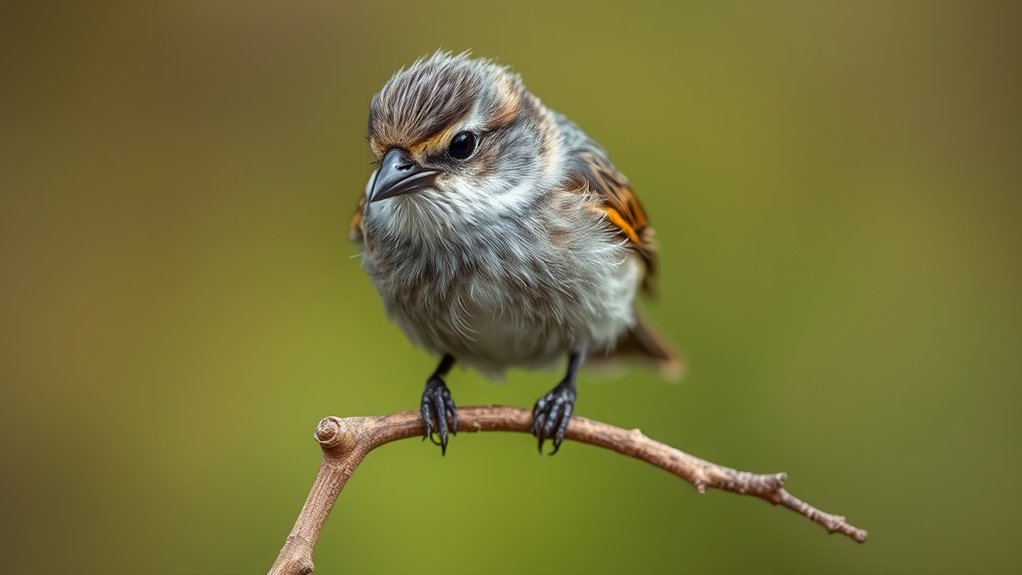
Although stress is a natural response in birds, it triggers significant physiological changes that affect their health and behavior. When stressed, your bird mobilizes fuel from its liver, shuts down digestion, and redirects blood flow to limbs, muscles, and the brain to respond quickly.
Stress prompts birds to redirect energy and blood flow, impacting digestion and boosting their rapid response mechanisms.
Chronic stress raises corticosterone and adrenaline levels, which impairs the immune system, leaving your bird vulnerable to illness.
Physically, prolonged stress can result in feather loss and weakened skin, compromising protection.
Behaviorally, stress may show up as feather plucking, aggression, excessive vocalization, or withdrawal, which all point to emotional distress. You might also notice rapid breathing, trembling, or loss of appetite.
Understanding these effects helps you see how stress compromises your bird’s physiological functions and overall well-being. That’s why it’s so important to minimize stressors in their environment.
Common Signs of Bird Stress
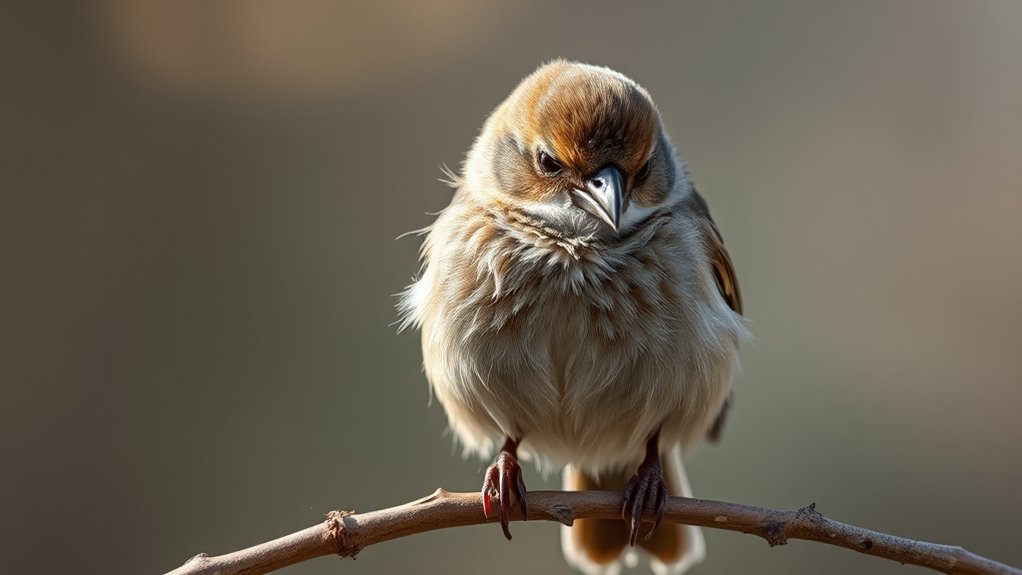
You might notice your bird acting differently when it’s stressed. For example, it could start screaming more than usual, plucking its feathers, or pacing around its cage.
Along with these behaviors, there are physical signs to watch for too—things like rapid breathing, feather loss, or trembling.
It’s really important to understand what in the environment might be causing this stress so you can help make your bird’s habitat more comfortable and calming.
Behavioral Stress Indicators
How can you tell when a bird is under stress by observing its behavior? Birds display specific actions that indicate emotional distress or anxiety. Increased vocalization, such as screaming, signals fear, while withdrawal or silence suggests emotional strain.
Repetitive behaviors like pacing or head swinging often reflect boredom or anxiety. Changes in eating habits also serve as behavioral stress markers.
| Behavioral Indicator | Meaning |
|---|---|
| Increased screaming | Distress or fear |
| Withdrawal or silence | Emotional stress |
| Pacing, toe tapping | Anxiety or boredom |
| Changes in appetite | Stress-related disruption |
Recognizing these signs helps you address stress before it escalates to physical symptoms or chronic issues. So, keeping an eye on these behaviors can really make a difference for your bird’s well-being.
Physical Signs Observed
When birds experience stress, their bodies show clear physical signs that you can easily spot to check how they’re doing. Rapid breathing, trembling, and fluffed feathers often mean they’re feeling uncomfortable or scared.
If the stress sticks around, you might see them lose their appetite and start losing weight, which is a sign of ongoing distress.
Birds dealing with chronic stress or boredom might start plucking their feathers or even hurt themselves by picking at their skin. You could also notice sudden lethargy or that they’re less active than usual—these are physical clues that something’s off.
Sometimes, stress can cause respiratory problems or make it hard for them to breathe, especially if they get overheated or their chest movement is restricted.
Keeping an eye on these signs gives you important info about your bird’s health and lets you know when it’s time to step in and help.
Environmental Stress Triggers
Although birds have evolved to cope with various environmental challenges, certain human-related factors can considerably increase their stress levels. These environmental stress triggers can disrupt essential behaviors like communication, foraging, and nesting. This can impact their overall well-being.
Common environmental stressors include loud noises from traffic, construction, or industry, which interfere with communication and breeding. Bright, unshielded outdoor lighting can cause disorientation and navigation errors. Also, the presence of outdoor cats and unrestrained dogs can disrupt foraging and resting.
Close human activity near nests may lead to delayed incubation or even nest abandonment. Environmental changes, such as relocating cages or introducing new pets, can trigger feather plucking and aggression.
Recognizing these triggers helps you minimize stressors and support healthier bird behavior and survival.
Environmental Stressors Causing Bird Stress (Noise, Light, Pets)
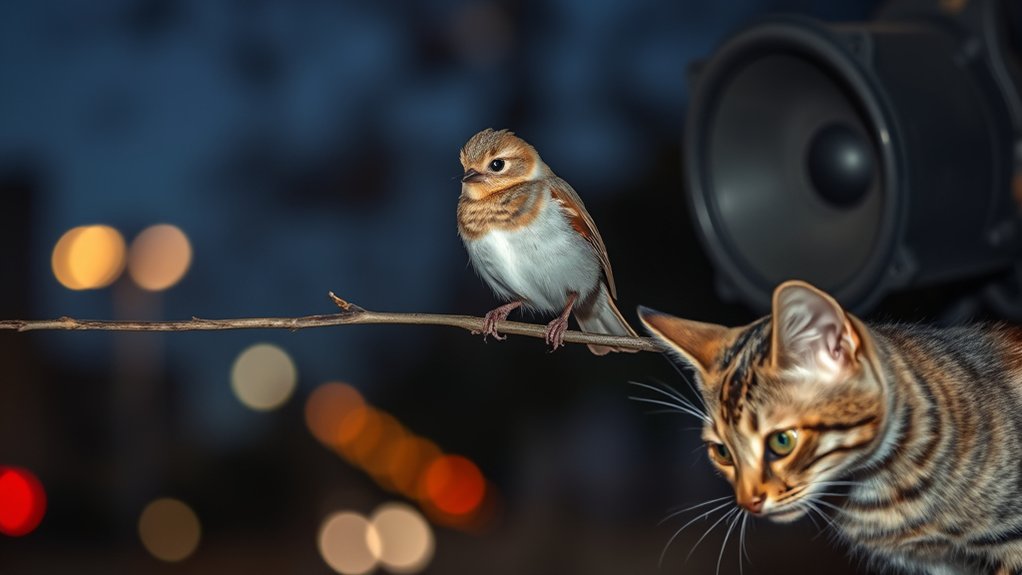
You’ll notice that persistent urban noise from traffic and industrial sources can really mess with how birds communicate.
When they can’t hear each other properly, it often leads to lower breeding success.
Then there’s artificial lighting—especially the kind that’s unshielded on buildings and parking lots.
This kind of light can confuse migrating birds and make them more likely to get injured.
When you put it all together, understanding these environmental stressors makes it clear how noise and light pollution add to the stress birds face every day.
Urban Noise Impact
How does urban noise affect bird populations? Persistent noise from sources like freeways and industrial motors disrupts bird communication and predator detection, raising stress levels. This interference can delay incubation or cause parents to abandon nests, reducing reproductive success.
Outdoor pets such as cats and unleashed dogs disturb natural behaviors like foraging and resting, which only adds to the stress birds experience. Consider these key impacts:
- Noise pollution impairs vocal communication critical for mating and territory defense.
- Elevated stress hormones result from constant auditory disturbances.
- Disrupted breeding behaviors lower offspring survival rates.
- Outdoor cats kill an estimated 1.4 to 3.7 billion birds annually in the U.S., a major anthropogenic threat.
- Pets’ presence fragments habitats and increases stress during essential activities.
When you put it all together, you can see how urban noise plays a big role in increasing avian stress and contributing to population declines.
Light Pollution Effects
When migratory birds encounter bright, unshielded artificial lights from tall buildings and parking lots, they often become disoriented. This increases the risk of injury or death from collisions with human-made structures.
The disorientation also messes with their natural navigation, causing them to stray off course or circle illuminated areas.
Artificial lighting during migration seasons interferes with birds’ breeding and rest cycles. This adds to their overall environmental stress.
Plus, too much light makes them more vulnerable to urban threats, which only makes the stress worse.
To help reduce these impacts, using low-intensity, shielded, long-wave lighting is recommended. This type of lighting reduces disorientation in nocturnal migratory birds.
How Handling and Heat Increase Bird Stress
Although handling is necessary for a bird’s care, applying too much pressure can restrict its chest movement. This can impair breathing and trigger stress responses. You must grip gently to avoid causing suffocation, rapid heartbeat, or adrenaline spikes that elevate stress.
Birds rely on unrestricted chest movement for effective respiration. If their chest is constricted, it can lead to respiratory distress or overheating.
Heat makes stress worse by raising body temperature, which increases the risk of heat stroke or dehydration.
To protect birds, keep their environment cool and well-ventilated. Handle them calmly to help reduce stress.
- Gentle grip prevents breathing impairment
- Tight holding causes rapid heartbeat and adrenaline surge
- Chest movement is essential for respiration
- Excess heat accelerates stress and temperature rise
- Cool, ventilated spaces reduce heat-related harm
How Chronic Stress Harms Birds’ Health (Including Sudden Death)
Because chronic stress keeps birds’ corticosterone and adrenaline levels elevated, their immune systems weaken and overall health declines. You’ll notice prolonged stress leads to physiological deterioration, increasing risks of illness, sudden heart failure, or organ failure. Environmental pressures like noise and light pollution further compromise immunity, heightening disease susceptibility.
Chronic stress also causes physical issues such as feather plucking, skin problems, and reproductive failure, which reduce survival chances. Energy diverted to continuous stress responses lowers a bird’s ability to maintain essential functions, raising mortality risk.
| Stress Effect | Physiological Impact | Consequence |
|---|---|---|
| Elevated stress hormones | Immune suppression | Increased infections |
| Environmental pressures | Organ system strain | Sudden death |
| Behavioral changes | Feather plucking, skin issues | Impaired survival |
| Energy diversion | Reduced reproductive capacity | Population decline |
How to Prevent and Reduce Stress in Pet and Wild Birds
To effectively prevent and reduce stress in pet and wild birds, you need to create a stable and enriching environment that addresses both physical and psychological needs. Consistency in routine and habitat reduces anxiety, while environmental enrichment helps fight boredom and stress-related behaviors. Maintaining stable temperatures and minimizing sudden changes prevents physiological and psychological strain.
Creating a stable, enriched environment with consistent routines reduces anxiety and prevents stress in pet and wild birds.
You should also limit exposure to loud noises and human disturbances. These can be major stress triggers for birds.
Finally, regular monitoring and timely veterinary intervention ensure early detection and management of stress-related health issues.
Provide a consistent, quiet, and familiar environment. Enrich cages with toys, mirrors, and varied activities. Maintain stable temperature and avoid sudden environmental changes.
Limit loud noises, construction sounds, and human disturbances. Observe regularly and seek prompt veterinary care for early stress signs.
Supporting Birds Through Stress and Loss
When birds face stress and loss, you can support their recovery by maintaining consistent routines and providing gentle interactions. Keeping predictable lighting and feeding schedules reduces anxiety and helps create a sense of security.
Introducing environmental enrichment, like new perches, toys, or foraging challenges, can distract birds and ease their emotional distress. It’s important to carefully watch for signs of heightened stress, such as silence or feather plucking, so you can address issues quickly.
Responding to these signs with proper care helps minimize prolonged suffering. While this section focuses on how you can support your bird directly, remember that reaching out to avian professionals is also important. They offer essential guidance for your bird’s physical and emotional healing.
When to Get Vet Help for Stressed Birds
Supporting a bird through stress involves careful observation and adjustments to their environment, but there are moments when professional veterinary care becomes necessary. You should seek immediate help if your bird exhibits severe stress signs such as labored breathing or sudden lethargy.
Supporting a bird through stress requires careful observation and knowing when to seek veterinary care.
Prompt consultation with an avian vet is critical when physical symptoms like loss of appetite or rapid weight loss occur. Behavioral changes, including excessive screaming or self-mutilation, also warrant veterinary evaluation.
Persistent stress signs despite environmental changes indicate underlying health risks requiring expert intervention.
Labored breathing or near collapse
Sudden lethargy or shock symptoms
Loss of appetite or abnormal droppings
Rapid weight loss or physical deterioration
Behavioral changes like self-mutilation or withdrawal
Acting swiftly can prevent serious complications. So don’t wait if you notice these signs!
Summary: Caring for Birds to Minimize Stress
Although birds can adapt to various environments, maintaining a consistent routine and providing a quiet, familiar setting considerably reduces stress levels.
You should enrich their environment with toys and perches to stimulate mental activity and prevent boredom-induced stress.
Guarantee proper nutrition and keep their living space clean and well-ventilated to support health and resilience.
Minimize exposure to loud noises, bright lights, and predators, which act as significant stressors for both indoor and outdoor birds.
Handle birds gently, avoiding sudden movements or abrupt environmental changes, to prevent stress-induced health issues.
By implementing these measures, you can effectively reduce stress, promoting your bird’s overall well-being and longevity while preventing potentially fatal stress responses.
It’s really about creating a calm and engaging space for your bird. When you do that, you’ll notice they’re happier and healthier.
And who doesn’t want a happy feathered friend?
Frequently Asked Questions
Can Certain Bird Species Handle Stress Better Than Others?
Yes, you’ll find that species like raptors handle stress better due to evolutionary adaptations. These birds have developed ways to cope with harsh environments and challenges over time.
On the other hand, smaller or domesticated birds, such as canaries, are more sensitive to stress. This sensitivity affects their health more severely and quickly. So, their ability to handle stress just isn’t as strong.
Does Stress Affect a Bird’s Ability to Learn or Mimic Sounds?
Yes, stress impairs your bird’s ability to learn and mimic sounds by disrupting neural pathways and elevating corticosterone levels. It also reduces motivation, causing fatigue and anxiety.
These effects make your bird prioritize survival behaviors over vocal learning and mimicry activities. So, when a bird is stressed, its focus shifts away from picking up new sounds. This can really affect how well it learns and mimics.
Are There Specific Foods That Help Reduce Bird Stress?
You won’t believe it, but feeding birds antioxidant-rich berries, leafy greens, omega-3 sources like flaxseed, and vitamin E-packed spinach can scientifically reduce stress by stabilizing their oxidative balance and boosting immune function.
This helps enhance their emotional resilience effectively. It’s pretty amazing how certain foods can have such a positive impact on birds’ well-being. Just a little change in their diet can make a big difference.
Can Stress in Birds Be Hereditary or Passed to Offspring?
Stress in birds isn’t hereditary, and you won’t find it passed genetically to offspring.
Instead, environmental factors and parental stress impact reproductive success. But the genetic transmission of stress itself doesn’t occur in bird populations. So, it’s more about the surroundings and how parents handle stress than something they pass down in their genes.
How Does Stress Impact a Bird’s Reproductive Success?
You’ll find that stress reduces reproductive hormones and delays nesting, lowering fertility and breeding success. It also elevates corticosterone, impairing egg viability.
Pollution disrupts mating behaviors, which ultimately decreases clutch size and chick survival rates. So, when birds are stressed or in a polluted environment, their chances of successful reproduction really take a hit.
Conclusion
Stress wraps around birds like an invisible cage, tightening with every disturbance. You must recognize signs early and adjust their environment to break free from this silent threat. Chronic stress can cascade into severe health issues or sudden death.
This really shows why proactive care is so important. By minimizing noise, handling birds gently, and ensuring proper temperature, you help shield them from harm. When in doubt, consult a vet promptly. Your attentive actions are crucial to preserving their delicate balance and well-being.