
Yes, birds can die from shock because it rapidly disrupts their circulation and organ function, causing a critical drop in blood pressure and oxygen delivery. This compromise can lead to rapid organ failure, hypothermia, and heightened vulnerability to predators.
Without prompt veterinary care or supportive intervention, shock worsens quickly, increasing mortality risk. Understanding how shock affects birds and knowing how to respond effectively is essential to improving their survival chances and recovery outcomes.
What Is Shock in Birds?
How does shock affect birds, and why should you act quickly when you suspect it? Shock is a critical physiological response triggered by trauma, injury, or extreme stress that disrupts circulation and impairs organ function.
Shock disrupts circulation and organ function, requiring immediate action to protect birds from severe harm.
When a bird experiences sudden impact, like a window collision, its blood pressure drops sharply. This reduces oxygen delivery to tissues and can rapidly lead to organ failure.
The severity and duration of shock depend on the extent of the injury. That’s why prompt recognition and intervention are so important.
Without immediate supportive care, shock can be fatal.
Acting quickly helps stabilize circulation and oxygenation, increasing the bird’s chances of survival. Understanding shock as a life-threatening condition shows why a timely response is essential to prevent irreversible damage in affected birds.
What Are Common Signs of Shock in Birds?
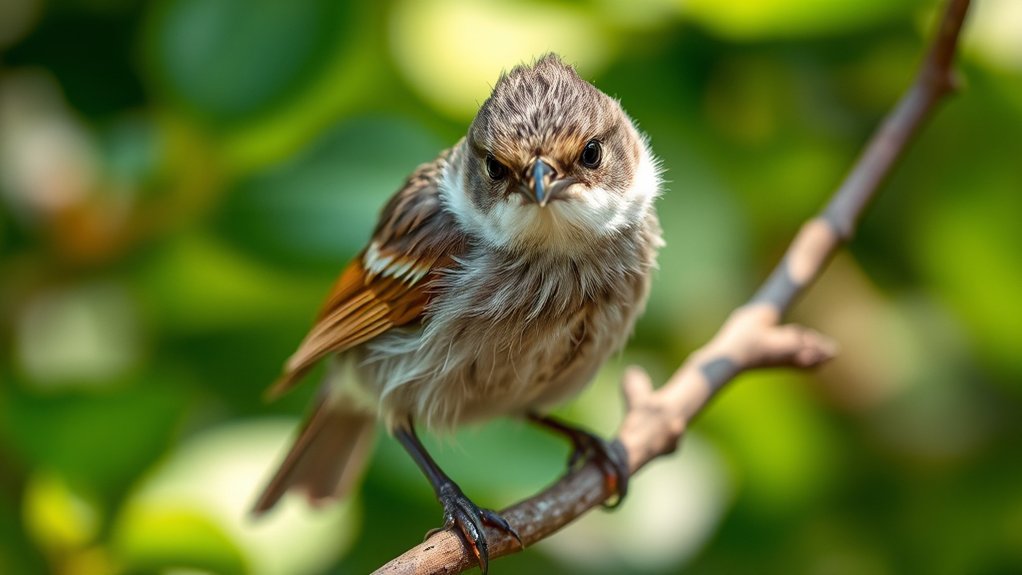
You’ll notice physical signs like fluffed-up feathers, pale combs, and labored breathing when a bird is in shock.
Behaviorally, the bird might stay very still, seem weak, or not respond when you get close.
Along with these signs, things like cold skin and a lack of interest in food are clear indicators that the bird is in shock.
Physical Indicators
Although shock can show up in different ways, some physical signs in birds consistently point to it. You’ll often notice fluffed feathers and weakness, along with unresponsiveness to stimuli. Birds in shock usually breathe fast or with difficulty and may feel cold to the touch, which signals problems with circulation.
Take a close look at the eyes. Crusted, swollen, or bleeding eyes and dilated pupils are signs of serious distress. Trauma-related signs might include wounds with blood, missing feathers, or unusual discharges.
Also, pale or discolored combs and wattles suggest poor circulation, which is a key sign of shock. Knowing these physical indicators helps you figure out how the bird is doing and act quickly.
That’s really important for effective help and giving the bird a better chance to survive.
Behavioral Symptoms
When should you become concerned about a bird’s behavior indicating shock? You should be alert when a bird shows immobility, weakness, or unresponsiveness upon approach. Birds in shock often fluff their feathers and exhibit little to no interest in food or movement.
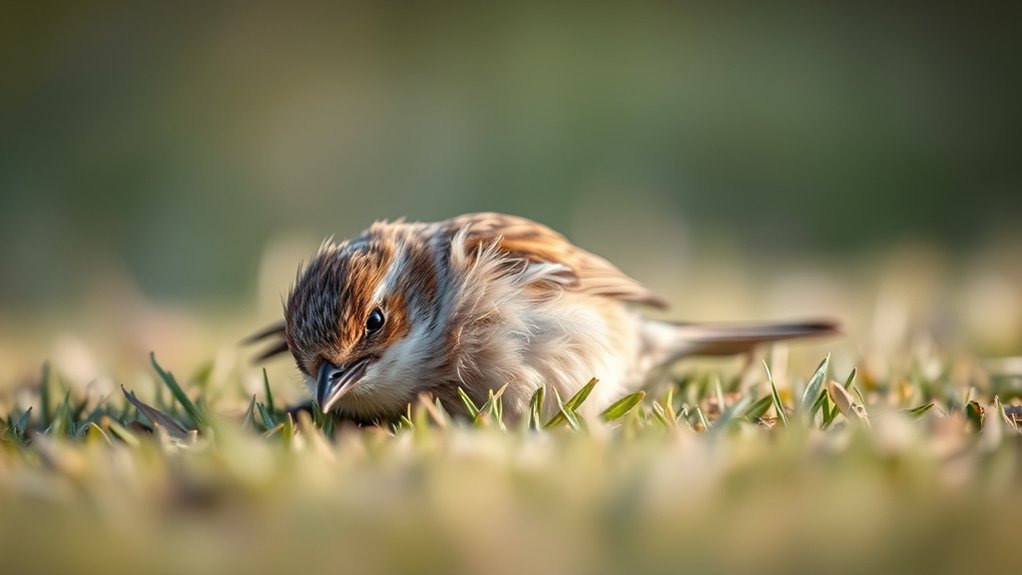
Observe for shallow or labored breathing and dilated pupils, which are critical signs. Additionally, a bird remaining on the ground without attempting to escape or fly away signals severe distress.
Lethargy and a lack of reaction to stimuli further confirm shock. These behavioral symptoms reflect compromised physiological function and indicate the bird’s urgent need for veterinary evaluation.
Recognizing these precise signs enables timely intervention, which can be lifesaving in avian shock cases. So, keeping an eye out for these changes can really make a difference.
Why Can Shock Be Deadly for Injured Birds?
You’ll notice that shock really messes up blood flow and how a bird’s organs work. This quickly puts their survival at serious risk.
When birds get hurt, they’re not just dealing with their bodies shutting down — they also become easier targets for predators. That’s why it’s so important to act fast, keeping them warm and giving them fluids to help avoid deadly outcomes.
Physiological Impact Of Shock
Because shock causes a sudden drop in blood flow, it prevents essential organs in birds from receiving enough oxygen and nutrients to function properly. This inadequate perfusion rapidly weakens the heart and circulatory system, increasing the risk of organ failure.
You’ll notice that birds in shock often develop hypothermia due to impaired thermoregulation, which further compromises survival.
Additionally, the stress hormone surge can cause internal bleeding and hematomas, worsening internal injuries. Without immediate treatment, these physiological disruptions can cause irreversible damage to critical organs such as the brain, liver, and kidneys.
The combined effects of diminished oxygen delivery, cardiovascular collapse, and internal hemorrhaging explain why shock poses a life-threatening condition for injured birds.
Vulnerability To Predation
Although shock severely impairs a bird’s physical capabilities, its impact on vulnerability to predation is equally critical. When a bird experiences shock, its mobility diminishes markedly, reducing its ability to escape threats.
You’ll notice that shock decreases a bird’s alertness and awareness, making it less responsive to nearby predators. Physiologically, shock causes weakness and disorientation, hindering the bird’s capacity to fly or seek cover effectively.
Predators instinctively target immobilized or unresponsive birds, and those in shock present an easier opportunity. Without prompt intervention, the bird’s compromised state considerably increases the risk of predation.
Understanding this link between shock and heightened vulnerability is essential for grasping why shock can be deadly for injured birds, beyond just the internal physiological effects.
Importance Of Immediate Care
How quickly you respond to an injured bird in shock can mean the difference between life and death. Shock causes a critical drop in blood pressure and circulation, impairing oxygen delivery to essential organs.
Without immediate care, organ function rapidly declines, leading to irreversible damage or death within hours.
You must act swiftly to stabilize the bird by providing warmth to prevent hypothermia and administering fluids to combat dehydration.
Minimizing handling reduces stress and conserves energy that’s crucial for recovery.
Prompt intervention stops shock from getting worse, maintaining organ perfusion and greatly increasing the chances of survival.
If treatment is delayed, shock worsens and often leads to fatal outcomes.
How Do Window Collisions Cause Shock in Birds?
What happens inside a bird’s body when it crashes into a window at high speed? The collision causes rapid physiological trauma, including concussion and internal injuries, which trigger shock. You’ll notice rapid breathing and collapse as the bird’s body reacts to neurological and air sac damage.
Even minor impacts can provoke these forceful stress responses, impairing recovery if untreated. It’s pretty intense, even if the bird looks okay at first.
| Impact Type | Physiological Response |
|---|---|
| High-speed collision | Concussion, internal trauma |
| Minor strike | Stress-induced shock |
| Air sac damage | Breathing difficulty |
| Neurological trauma | Rapid collapse, shock signs |
Understanding these effects helps you see why prompt intervention is essential for birds suffering from window collision shock. Acting quickly can make all the difference.
What Should You Do If You Find a Bird in Shock?
When you discover a bird exhibiting signs of shock, you must act quickly and carefully to increase its chances of survival. First, handle the bird gently while wearing gloves to minimize stress and prevent injury.
Place the bird in a warm, dark, and quiet environment to help stabilize its condition and reduce physiological stress.
Provide a warm, dark, and quiet space to calm the bird and ease its stress.
Don’t offer food or water right away, because shock can impair swallowing and digestion. The best thing to do is promptly transport the bird to a qualified wildlife rehabilitator or veterinarian for thorough assessment and treatment.
Keep a close eye on the bird throughout this process for any changes in behavior or physical condition.
Following expert care protocols closely is essential to support recovery and prevent further complications associated with shock.
How Long Does Shock Last in Birds?
Although shock in birds can resolve quickly in some cases, its duration varies a lot depending on how bad the injury is and other factors. Minor trauma might cause shock that lasts only a few minutes, especially if the bird gets prompt care.
But severe injuries can stretch shock out for several hours.
Environmental conditions, the bird’s overall health, and immediate supportive measures also play a role in how long shock lasts.
It’s important to remember that signs like weakness and unresponsiveness might get better before the bird fully recovers. So, shock can end even though the bird isn’t completely healed yet.
Because shock’s course is unpredictable, keeping a close eye on the bird is really important.
Supportive care helps stabilize them, but if shock is severe or goes on too long, a vet should check the bird to make sure it can survive and recover fully.
When Should You Seek Veterinary Help for a Shocked Bird?
Because shock can rapidly worsen a bird’s condition, you should seek veterinary help immediately if you notice signs of severe trauma such as broken bones, active bleeding, or unresponsiveness.
If the bird remains immobile, fluffed, or unresponsive after initial first aid, professional assessment is vital.
Also, prompt veterinary attention is essential when the bird exhibits labored breathing, cold extremities, or dilated pupils. These are hallmarks of serious shock.
Continued weakness, dehydration, or inability to stand after initial care also warrants intervention.
When in doubt about the injury’s severity or shock status, consulting a veterinarian guarantees accurate diagnosis and appropriate treatment.
Acting swiftly improves the bird’s prognosis and reduces the risk of complications associated with untreated shock or trauma.
Frequently Asked Questions
Can Shock in Birds Be Prevented With Routine Care?
Yes, you can prevent shock in birds through routine care by minimizing stress, providing warmth and hydration, and maintaining a calm environment. It’s also important to monitor their health closely and avoid sudden disturbances.
When you notice any signs of distress, applying proper first aid techniques promptly and consistently can make a big difference. Taking these simple steps helps keep your bird safe and comfortable.
Do Certain Bird Species React Differently to Shock?
Of course, all birds react to shock the same, said no scientist ever. You’ll find smaller birds succumb faster. Raptors endure longer but risk worse injury.
Species like waterfowl manage shock better thanks to superior thermoregulation. It really depends on the bird and how their bodies handle stress. Different species have different strengths and vulnerabilities.
Is Shock in Birds Hereditary or Purely Environmental?
Shock in birds isn’t hereditary; you’ll find it’s purely environmental. You’ll observe that trauma, sudden stress, or external factors trigger shock. Genetics don’t influence susceptibility.
Can Shock Cause Long-Term Behavioral Changes in Birds?
Yes, shock can cause long-term behavioral changes in birds. You’ll notice increased anxiety, altered flight responses, and avoidance behaviors due to neurochemical shifts. These changes can affect feeding, mating, and social interactions.
These effects might last for weeks or even months after the trauma. So, it’s not just a short-term reaction. Birds can carry the impact of shock with them for quite some time.
Are There Natural Remedies to Help Birds Recover From Shock?
You won’t find proven natural remedies that cure shock, yet you can create a calm, warm environment and offer gentle hydration to support recovery.
Conclusion
Yes, birds can die from shock, and it’s essential to act quickly. Shock affects nearly 70% of birds injured in window collisions, making it a leading cause of mortality. You’ll need to keep the bird calm and warm, minimizing stress to improve survival chances.
Remember, shock can last from minutes to hours. So, seeking veterinary help promptly is vital for proper treatment and increasing the bird’s chances of recovery.