
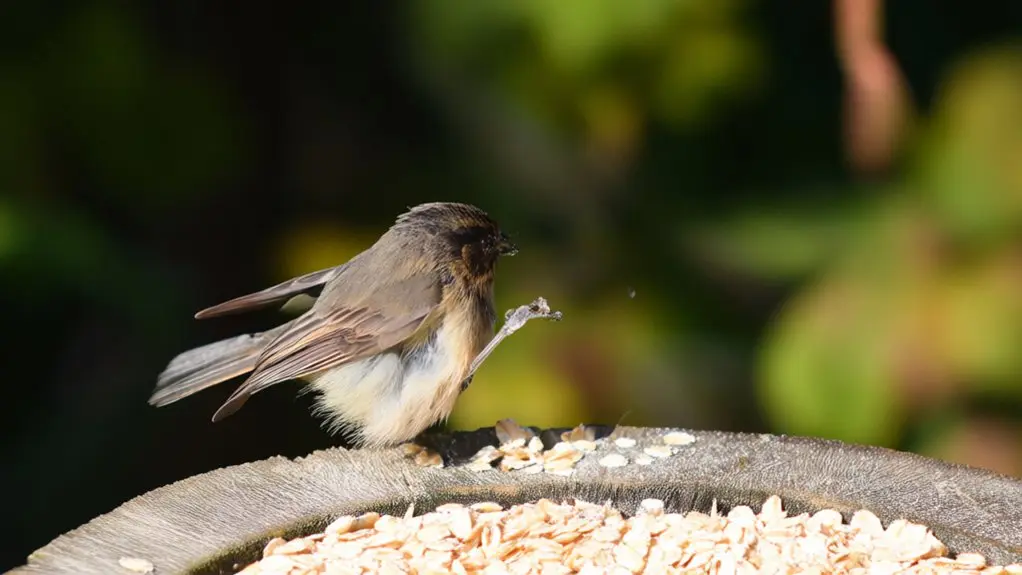
You can safely offer birds raw oatmeal as a nutritious treat when you rinse it thoroughly, serve small portions, and avoid additives. Raw oats provide fiber, vitamins, and minerals that support digestion and overall health in many species like parrots and finches.
However, cooked oatmeal is better for young, sensitive, or ill birds, as it’s easier to digest. Watch for any adverse reactions and adjust feeding accordingly.
Understanding proper preparation and species needs guarantees you provide the best care.
Can Birds Safely Eat Raw Oatmeal?
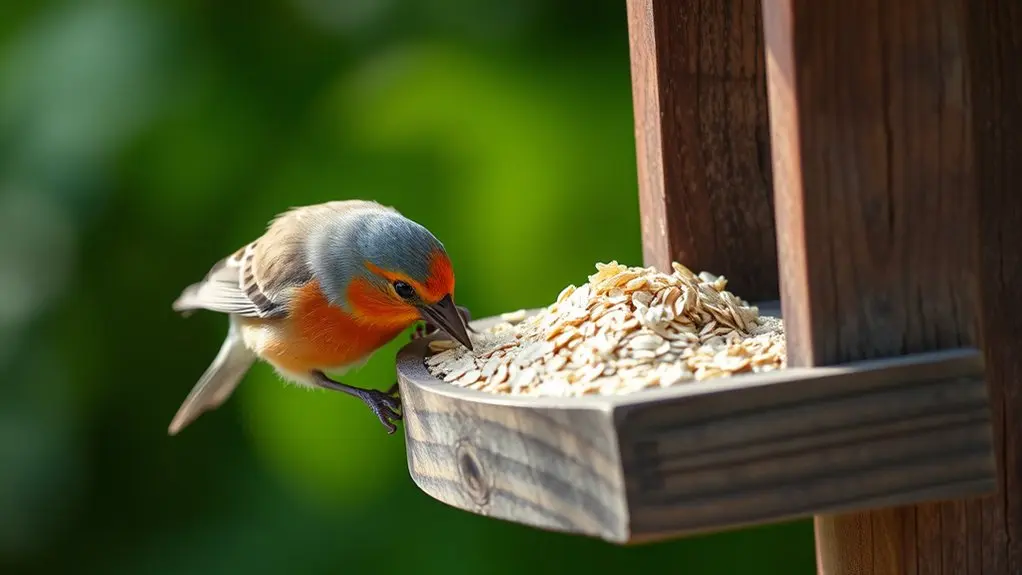
Birds can safely eat raw oatmeal, which offers essential nutrients such as fiber and vitamins that support their health. You can serve raw oatmeal directly or mix it with other foods, as it’s gentle on a bird’s digestive system.
However, it’s important you provide it in moderation, using it as a supplement rather than a primary diet component.
While most bird species tolerate raw oats well, some may prefer cooked oats for easier digestion.
Always make sure the oatmeal you offer is plain, free from added sugars, salt, or flavorings, to avoid potential harm.
Nutritional Benefits of Raw Rolled Oats
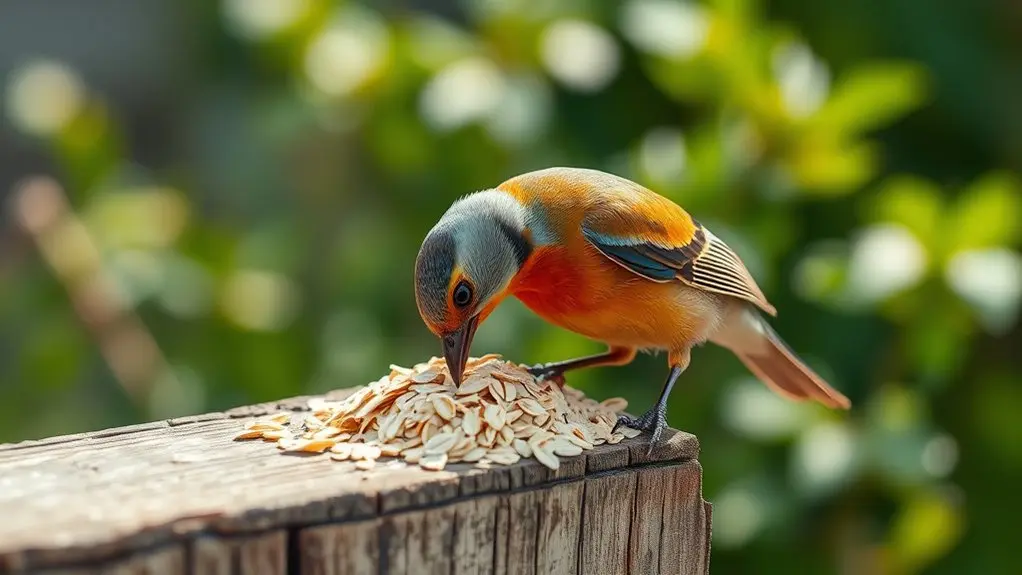
Although often overlooked, raw rolled oats provide a concentrated source of essential nutrients that support avian health. When you include them in your bird’s diet, you offer benefits such as vitamin E, which enhances immune function and maintains healthy skin.
Raw rolled oats deliver vital nutrients like vitamin E that boost your bird’s immunity and skin health.
They also contain essential minerals like magnesium, calcium, and phosphorus that strengthen bones and regulate metabolism. Plus, there’s a modest amount of protein that aids muscle maintenance and growth.
Raw rolled oats have dietary fiber that supports digestion and helps prevent constipation. These nutrients work together to improve your bird’s overall well-being.
By understanding these key nutritional components, you’ll better appreciate why raw rolled oats are a valuable dietary addition.
Just remember to feed them in appropriate quantities to maximize their benefits without causing imbalance.
Digestive and Health Benefits of Raw Oats
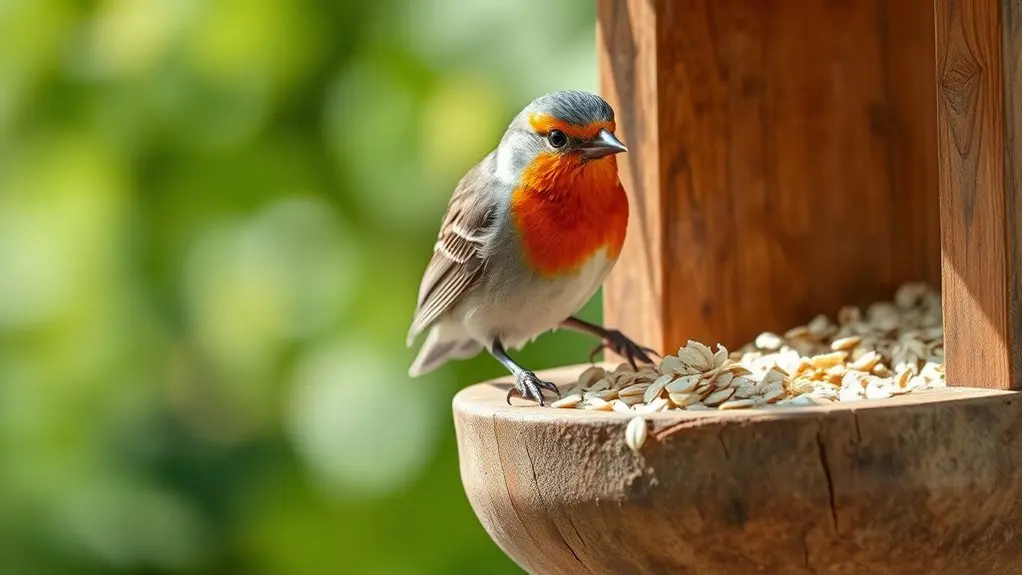
You’ll find that raw oats are packed with important nutrients like magnesium, calcium, and vitamin E, all of which help keep your bird healthy overall.
Plus, they contain a lot of soluble fiber, which is great for regulating digestion and keeping the gut balanced.
Adding raw oats to your bird’s diet can really help prevent constipation and calm any digestive troubles. It’s a simple way to support their digestive health!
Nutritional Benefits Overview
Several key nutrients in raw oatmeal offer significant digestive and health benefits for your feathered friends. Including raw oats in their diet provides:
- Dietary fiber that promotes healthy digestion and helps prevent constipation.
- Vitamin E which supports immune function and overall well-being.
- Magnesium, calcium, and phosphorus that are essential for maintaining strong bones and muscles.
- Soluble fiber to regulate bowel movements and ease digestive discomfort.
These nutrients work together to keep your birds healthy and happy. So, adding raw oats can be a simple way to boost their nutrition!
Digestive Health Support
When you include raw oats in your bird’s diet, you support their digestive health through a rich supply of dietary fiber and essential minerals like magnesium and phosphorus. This fiber helps regulate bowel movements, preventing constipation and keeping their gut balanced. Plus, the minerals play a big role in gastrointestinal function and nutrient absorption, which boosts overall digestive strength.
Feeding oats in moderation can also soothe digestive issues like diarrhea. It helps promote a balanced and healthy digestive system. So, adding oats is a simple way to keep your bird’s tummy happy and healthy.
| Benefit | Component | Effect on Birds |
|---|---|---|
| Fiber | Soluble fiber | Prevents constipation, regulates gut |
| Mineral support | Magnesium | Enhances enzyme function |
| Mineral support | Phosphorus | Supports gut tissue health |
| Gut microbiome balance | Soluble fiber | Maintains microbial diversity |
| Digestive relief | Moderation in diet | Soothes diarrhea, improves resilience |
Bird Species That Enjoy Raw Oatmeal Most
You’ll find that parrots, cockatiels, and finches often enjoy raw oatmeal as a tasty, nutritious snack. Small to medium-sized birds, like budgerigars and lovebirds, also benefit from it when it’s given in moderation.
Knowing what these species prefer really helps when you’re trying to tailor a diet that keeps them healthy and happy.
Favorite Bird Species
Although many bird species can benefit from raw oatmeal, certain birds show a marked preference for it due to their dietary needs and feeding behaviors. You’ll find these species particularly enjoy raw oatmeal:
- Parrots, such as cockatiels and budgerigars, which appreciate its nutritional value.
- Finches and canaries, especially since their softer beaks handle oatmeal well.
- Larger birds like amazons and African greys that require varied diets enriched by oatmeal.
- Wild birds including sparrows and robins, who peck at oatmeal mainly during colder months when other food is scarce.
Understanding these preferences helps you provide suitable nutrition tailored to each bird species’ feeding habits and physiological needs. It’s all about matching what they naturally like and need.
Raw Oatmeal Preferences
Knowing which bird species favor raw oatmeal helps you tailor their diet effectively. Small birds like finches and canaries readily consume raw oats, benefiting from their nutrient content.
Parrots and cockatiels often prefer raw oats either dry or sprinkled over their standard feed, enhancing variety.
Wild birds such as sparrows and chickadees will forage for raw oats when you provide them in feeders or on the ground. This reflects their natural foraging behavior.
Larger species, including pigeons and doves, safely incorporate raw oatmeal into their diet without issue.
When offering raw oatmeal, make sure it’s plain and free from additives or flavorings. This helps avoid health risks across all bird types.
Understanding these preferences allows you to supply a safe, nutritious supplement tailored to each species’ dietary needs.
Safe Preparation of Raw Oats
How can you guarantee raw oats are safe for birds to eat? Follow these essential steps to ensure safety and digestibility:
- Clean Thoroughly: Rinse raw oats under running water to remove dust, dirt, and potential contaminants.
- Avoid Additives: Use only plain oats without salt, sugar, or flavorings that could harm birds.
- Soak Before Serving: Soak oats in water for a few hours to soften them, making digestion easier for your birds.
- Check Quality: Inspect oats to ensure they’re fresh and free from mold or pests.
It’s pretty simple once you get the hang of it. Just remember, keeping things clean and natural is key to keeping your birds happy and healthy!
Serving Raw Oats: Portion and Frequency
When you’re serving raw oats to birds, it’s a good idea to adjust the portion size based on the species and size of the bird. Just offer small amounts, and think of it more as an occasional treat rather than a regular meal.
Try to limit feeding raw oats to just a few times a week. This helps avoid any nutritional imbalances or digestive issues that might pop up if they eat too much.
Keep an eye on how your bird responds to the oats. If needed, tweak the servings to make sure they stay healthy and happy.
Recommended Serving Size
What amount of raw oats should you offer your bird to guarantee both safety and nutritional balance? Here’s a precise guideline:
Small birds require about a teaspoon of raw oats per serving, while larger birds can handle up to a tablespoon. Always tailor portion sizes to your bird’s size, age, and health. If you’re unsure, it’s a good idea to consult an avian vet.
Serve raw oats sparingly to avoid upsetting their digestive system and to maintain nutrient balance.
Use raw oats as a supplement or treat, making sure it complements their primary diet without causing overfeeding.
Feeding Frequency Guidelines
Although raw oats offer valuable nutrients, you should feed them to your bird only occasionally to maintain dietary balance. Typically, providing a small portion once or twice a week is sufficient.
For smaller bird species, limit servings to about a teaspoon, while larger birds can tolerate slightly more.
Regularly feeding excessive raw oats may cause nutritional imbalances, so moderation is paramount. You want to avoid overfeeding and ensure your bird’s diet remains diverse and well-rounded.
Always monitor your bird’s reaction after offering raw oats.
If you notice any digestive discomfort or behavioral changes, reduce the frequency or discontinue feeding.
Following these guidelines will help you safely incorporate raw oats as an occasional treat without compromising your bird’s overall health.
Combining Raw Oats With Other Bird-Friendly Foods
Since raw oats provide a solid nutritional foundation, combining them with other bird-friendly foods like fruits, vegetables, seeds, or grains can greatly enhance the dietary benefits for birds.
When doing this, keep these points in mind:
Mix oats with fruits such as berries or apples to increase nutritional variety and antioxidants. Add vegetables like spinach or carrots to supply essential fiber and vitamins. Incorporate seeds or grains with oats in homemade bird treats to improve taste and nutrient density.
Make certain oats and all combined ingredients are fresh and free from additives or preservatives to maintain safety. This way, you’re providing the best for the birds while keeping their meals safe and healthy.
When to Feed Cooked Oatmeal Instead
When you feed birds, choosing cooked oatmeal can improve nutrient absorption and reduce digestive strain, especially for species with sensitive or immature digestive systems. Cooked oats eliminate anti-nutrients, making vitamins and minerals more bioavailable. They also reduce choking risks and digestive blockages in small or young birds.
Always serve cooked oatmeal plain, avoiding additives that could harm birds. It’s a simple change that can make a big difference.
| Scenario | Reason for Cooked Oatmeal |
|---|---|
| Young or baby birds | Easier digestion, less choking |
| Birds with digestive issues | Prevents impaction and constipation |
| Species sensitive to anti-nutrients | Enhances nutrient uptake |
| Birds prone to choking hazards | Soft texture reduces risk |
Feeding cooked oatmeal under these conditions supports avian health effectively. It’s an easy way to help your feathered friends thrive.
Signs to Watch for After Feeding Raw Oats
If you feed raw oats to birds, you should carefully monitor them for any signs of digestive distress or allergic reactions. Early detection helps prevent serious health issues. Pay close attention to:
- Digestive upset, including diarrhea, vomiting, or changes in stool consistency and color, which indicate gastrointestinal problems.
- Decreased activity or lethargy, signaling potential adverse reactions.
- Allergic symptoms such as swelling or itching around the face or eyes.
- Unusual behavior like loss of appetite or excessive droppings following oat consumption.
It’s a good idea to keep an eye on your birds for these signs, especially after introducing raw oats to their diet.
Catching any issues early can make all the difference.
Consulting Avian Experts Before Feeding Oats
Although raw oats might seem like a simple addition to your bird’s diet, consulting avian experts before feeding them is crucial to guarantee safety and appropriateness. Avian veterinarians can assess whether oats suit your bird’s species and dietary needs. They’ll advise on proper preparation and portion sizes to avoid nutritional imbalances or digestive issues.
Experts also identify potential allergens or harmful ingredients in oats that could trigger adverse reactions. By seeking professional guidance, you assure that adding raw oatmeal complements your bird’s overall health plan without causing harm.
This proactive approach prevents health complications and supports balanced nutrition tailored to your bird’s specific requirements.
Frequently Asked Questions
Can Raw Oatmeal Cause Allergies in Birds?
Yes, raw oatmeal can cause allergies in birds if they’re sensitive to grains or gluten. You should introduce it gradually and watch for symptoms like itching or respiratory issues.
If you notice any allergic reactions, it’s best to consult an avian vet. That way, you can keep your feathered friend safe and healthy.
How Should Raw Oatmeal Be Stored for Bird Feeding?
Treat raw oatmeal like treasure. Store it airtight, away from sunlight and moisture. This keeps it fresh and safe for your birds.
Always use a clean scoop to avoid contamination. Label the container with dates so you know when you stored it.
And keep it separate from strong odors. This helps preserve its nutritional value for your feathered friends.
Is Raw Oatmeal Safe for Baby Birds?
Yes, you can offer baby birds raw oatmeal in small, plain amounts. However, you should soften it and introduce it gradually to avoid digestive issues. Cooking is often safer for very young or delicate nestlings.
It’s all about making sure their little tummies can handle it. So, start slow and watch how they react. That way, you keep them happy and healthy!
Can Wild Birds Eat Raw Oatmeal From Feeders?
Yes, you can offer wild birds raw oatmeal from feeders, but give it sparingly. Make sure it’s plain and fresh, and combine it with other foods to provide balanced nutrition.
This way, you support their digestive health effectively. Just keep in mind not to rely on oatmeal alone for their diet. Mixing it up keeps things tasty and healthy for them.
Does Raw Oatmeal Attract Unwanted Pests or Animals?
Yes, raw oatmeal can attract unwanted pests like ants, rodents, and insects. It’s pretty common because these critters are drawn to the grains and any moisture around them.
To keep this from happening, you should store oats in airtight containers. This helps keep the moisture and smells contained. Also, cleaning feeding areas regularly is key to minimizing pest attraction caused by leftover residues.
Taking these simple steps can really make a difference in keeping your space pest-free.
Conclusion
Just like the ancient wisdom of nature guides seasons, understanding how birds respond to raw oatmeal guarantees their health and energy. You can safely offer raw oats to many bird species, benefiting from their nutrients and digestive aid.
But always prepare and observe carefully. When in doubt, consult an avian expert to avoid any hidden risks. Remember, feeding birds is a delicate balance.
Your informed choices help them thrive in their natural rhythm.