
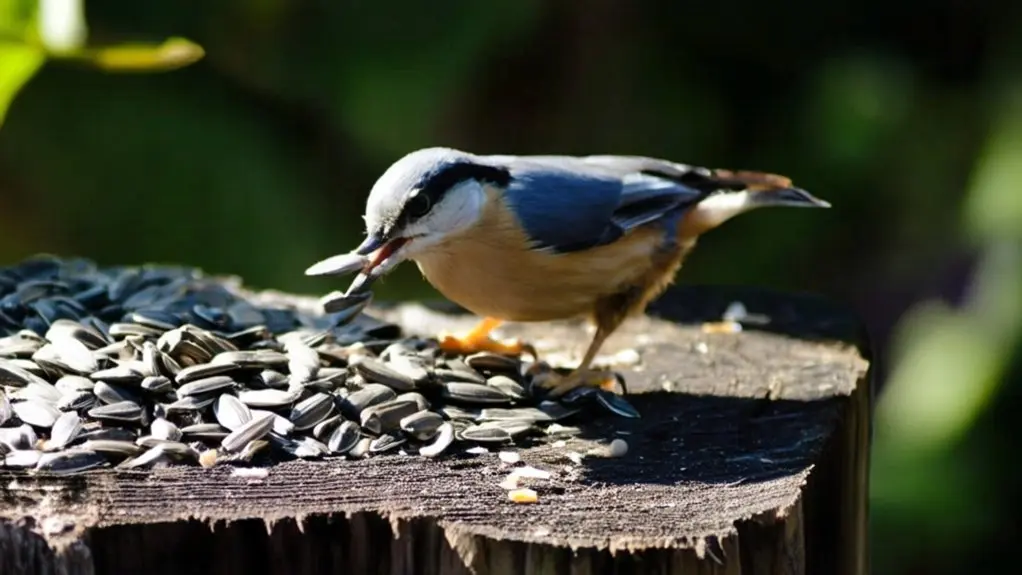
You can feed birds raw sunflower seeds safely. They offer natural oils, nutrients, and energy that are essential for many wild species, especially finches and sparrows with strong beaks. These unprocessed seeds closely mimic a bird’s wild diet and help support their health and metabolism.
Just make sure to store them properly in airtight containers to prevent mold. Mold can be harmful and pose health risks to birds.
To keep your feathered friends safe and well-nourished, it’s important to understand the right ways to select, store, and feed these seeds. We’ll cover those practices next.
What Are Raw Sunflower Seeds : And How Do Birds Eat Them?
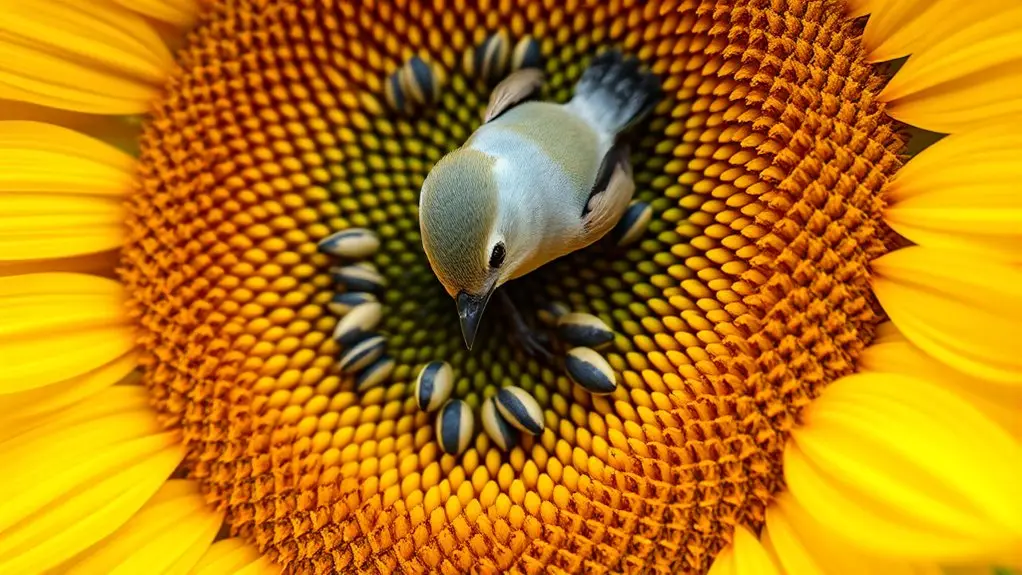
Although raw sunflower seeds are unprocessed and retain their natural nutrients, you might wonder how birds manage to eat them. These seeds come with a tough shell that hasn’t been softened by roasting or other processing.
Birds equipped with strong beaks apply considerable force to crack open this shell, accessing the nutrient-rich kernel inside.
Raw sunflower seeds contain healthy oils and essential nutrients that support bird health and energy levels. Because these seeds are unaltered, they provide a natural food source closely resembling what birds find in the wild.
Which Birds Love Feeding On Raw Sunflower Seeds?
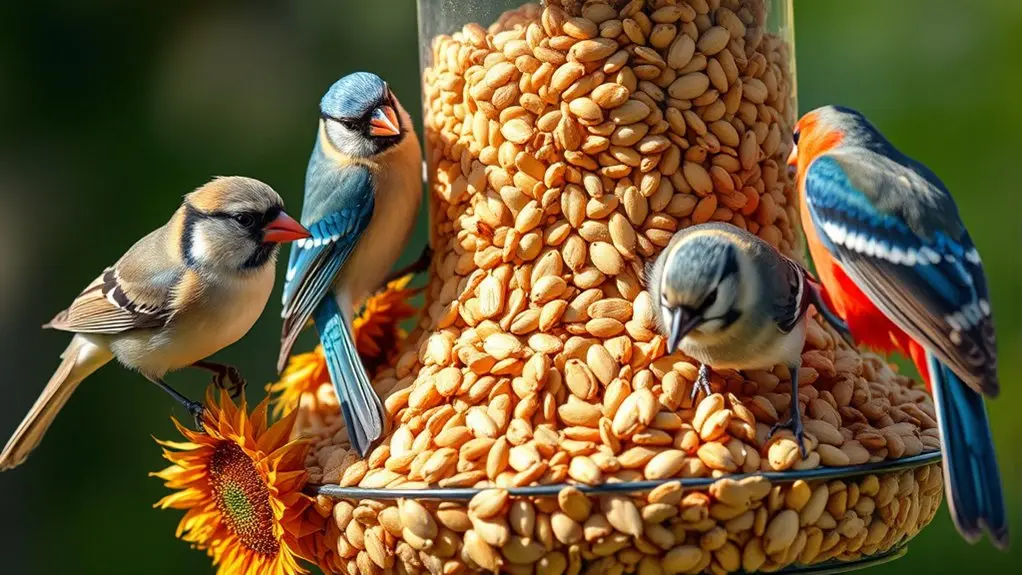
When you observe birds feeding, you’ll notice that many seed-eating species, such as goldfinches, greenfinches, sparrows, and robins, actively seek raw sunflower seeds. These seeds serve as a natural, nutrient-rich food source, especially favored by birds that forage on the ground or within shrubs.
Species like finches and doves efficiently crack open the tough shells thanks to their strong beaks, allowing them to access the high-fat and nutrient content inside. These nutrients are essential for maintaining health and energy, particularly during demanding periods like the breeding season.
However, not all birds show interest. For example, small warblers typically prefer insects over seeds.
Understanding which birds favor raw sunflower seeds helps you provide suitable food that supports their dietary needs effectively.
How To Choose And Store Raw Sunflower Seeds
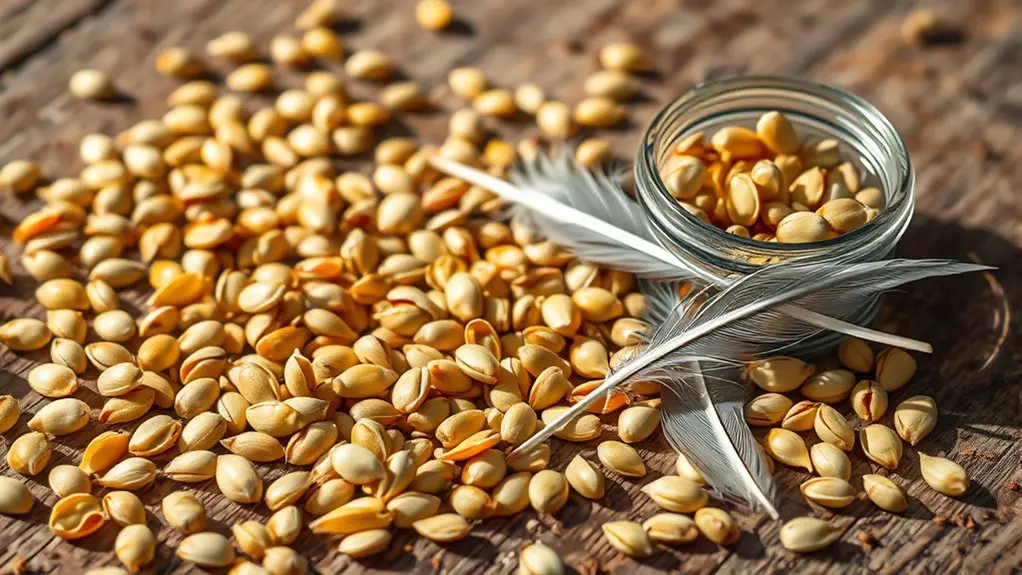
Providing raw sunflower seeds to birds means you need to pick them carefully and store them right to keep their nutritional quality and safety. You want to choose seeds that are unsalted, unseasoned, and free from additives because anything extra could harm the birds.
Once you have the right seeds, store them in an airtight container in a cool, dry place. This helps prevent mold and spoilage. Also, avoid letting the seeds sit in direct sunlight or get damp since that can ruin their freshness and nutrients.
If you want the seeds to last even longer, think about keeping them in the fridge.
Here’s a quick checklist to follow:
- Pick raw, additive-free sunflower seeds.
- Store seeds in airtight containers.
- Keep seeds in cool, dry, and dark places.
- Check your seeds often for mold, pests, or any signs of spoilage and toss any batches that aren’t good anymore.
Doing all this makes sure the seeds stay safe and nutritious for wild birds to enjoy.
Why Raw Sunflower Seeds Are Great For Wild Birds
Because raw sunflower seeds contain high levels of natural oils and essential nutrients, they serve as an excellent energy source for wild birds. These seeds provide a high-fat content that meets the increased energy demands birds face, especially during colder months.
Unlike roasted seeds, raw sunflower seeds retain natural enzymes and beneficial properties that support metabolism and overall health. Many species, including finches, sparrows, and chickadees, actively consume raw sunflower seeds, showing how much they like them and how nutritious they are.
Watch Out: Risks Of Moldy Or Old Raw Sunflower Seeds
You’ve got to watch out for mold on raw sunflower seeds. If they’re stored the wrong way or get old, they can develop harmful mycotoxins. These toxins aren’t just bad news—they can cause serious health problems for birds, affecting their breathing, digestion, and even their nervous system.
So, it’s a good idea to check your seeds regularly.
Keeping them in a cool, dry place makes a big difference and helps keep the birds safe from these risks.
Taking these simple steps can really protect your feathered friends.
Mold Growth Risks
Although raw sunflower seeds offer valuable nutrition to birds, they can become hazardous if stored improperly. Mold growth on these seeds produces mycotoxins, which are toxic compounds causing illness or death in birds if ingested.
To minimize risks, you should:
- Store seeds in dry, cool conditions to prevent moisture accumulation.
- Regularly inspect seeds for visible mold signs such as fuzzy patches, discoloration, or musty odors.
- Discard any seeds that appear old, spoiled, or moldy to avoid contamination.
- Avoid feeding moldy seeds, as they can spread disease within bird populations.
Keeping seeds dry and cool really helps stop mold from growing. It’s a good idea to check on your seeds often—just look for anything that seems off, like strange colors or smells. If you see anything like that, toss those seeds out to keep the birds safe.
Health Hazards For Birds
Proper storage and regular inspection of raw sunflower seeds are necessary, as moldy or old seeds pose significant health hazards to birds. Spoiled seeds can harbor harmful fungi and bacteria, increasing the risk of aspergillosis, a serious respiratory infection common in avian species.
Mold toxins present in deteriorated seeds weaken birds’ immune systems, making them vulnerable to secondary infections and poisoning. Seeds stored improperly or for extended periods are particularly prone to mold growth and toxin accumulation.
To protect birds, you must inspect seeds regularly for signs of mold, discoloration, or off odors. Consuming contaminated seeds can lead to illness, compromised health, and even mortality.
Seed Storage Recommendations
When raw sunflower seeds are stored in humid or warm environments, they can develop mold that produces mycotoxins harmful to birds. To guarantee seeds remain safe and nutritious, follow these storage recommendations:
- Store seeds in airtight containers to prevent moisture ingress.
- Keep containers in cool, dry locations away from direct sunlight to inhibit mold growth.
- Inspect seeds regularly for signs of mold, rancidity, or pests before feeding.
- Discard any seeds showing discoloration, unusual odors, or clumping, as these indicate spoilage.
Old or improperly stored seeds lose nutritional value and become less appealing, reducing their benefits.
Tips To Cut Down Mess And Keep Birds Healthy
Since spilled seeds and hulls can attract pests and promote mold growth, using seed trays or platforms helps you collect debris efficiently and reduce ground mess. Regular cleaning of hulls prevents mold and disease among birds. Opt for shelled sunflower seeds or hearts to minimize shell waste and ease cleanup.
Scatter smaller seeds or use bird tables to encourage ground feeders and reduce seed wastage. Avoid overfilling feeders to prevent spoilage and maintain a healthy environment.
| Tip | Benefit | Action |
|---|---|---|
| Use seed trays/platforms | Collects debris, reduces mess | Place feeders on trays |
| Clean hulls regularly | Prevents mold, disease | Rake or sweep around feeders |
| Choose shelled seeds | Reduces shell debris | Buy sunflower hearts |
| Avoid overfilling | Prevents spoilage | Fill feeders moderately |
Frequently Asked Questions
Can Baby Birds Safely Eat Raw Sunflower Seeds?
Yes, you can safely feed baby birds raw sunflower seeds if you break them into small pieces and guarantee they’re unsalted.
Always offer limited amounts and supervise to prevent choking or digestive issues during their development. It’s really important to keep an eye on them while they eat.
That way, you can make sure they’re safe and healthy as they grow.
Do Sunflower Seeds Affect Bird Migration Patterns?
Sunflower seeds don’t affect bird migration patterns directly. You’ll find that birds migrate based on environmental cues like daylight and temperature, not specific foods.
Seeds may support energy but don’t change timing or routes considerably. So, while seeds are helpful snacks, they’re not the reason birds decide when or where to fly. It’s more about the seasons and the weather out there.
How Do Raw Sunflower Seeds Compare Nutritionally to Other Seeds?
You’ll find raw sunflower seeds offer higher fat and protein levels than millet or cracked corn, providing more energy and essential nutrients like vitamin E. This vitamin supports birds’ immune systems and overall health more effectively than many other seeds.
Can Feeding Sunflower Seeds Attract Unwanted Pests?
Feeding sunflower seeds is like leaving a banquet open to uninvited guests. Squirrels, rats, and raccoons swiftly arrive. Their presence increases disease risks and debris.
Are There Specific Seasons to Feed Birds Sunflower Seeds?
You should feed birds sunflower seeds primarily in fall and winter when natural food is scarce. This helps them build fat reserves to stay warm during the cold months.
Try to reduce feeding in spring and summer since birds rely more on insects and fresh plants during those seasons. It’s best to let them find their natural food sources when they’re available.
Conclusion
Feeding raw sunflower seeds to birds is like offering nature’s nutrient-packed treasure chest. You’ll see how these seeds fuel vibrant feathers and lively songs, especially for species that crave them most. Just remember to pick fresh, mold-free seeds and store them properly to keep your feathered friends safe and healthy.
With mindful care, you’ll create a thriving sanctuary where birds flourish. Your feeder will turn into a lively hub of avian energy and scientific wonder. It’s really rewarding to watch them enjoy such a natural treat!