
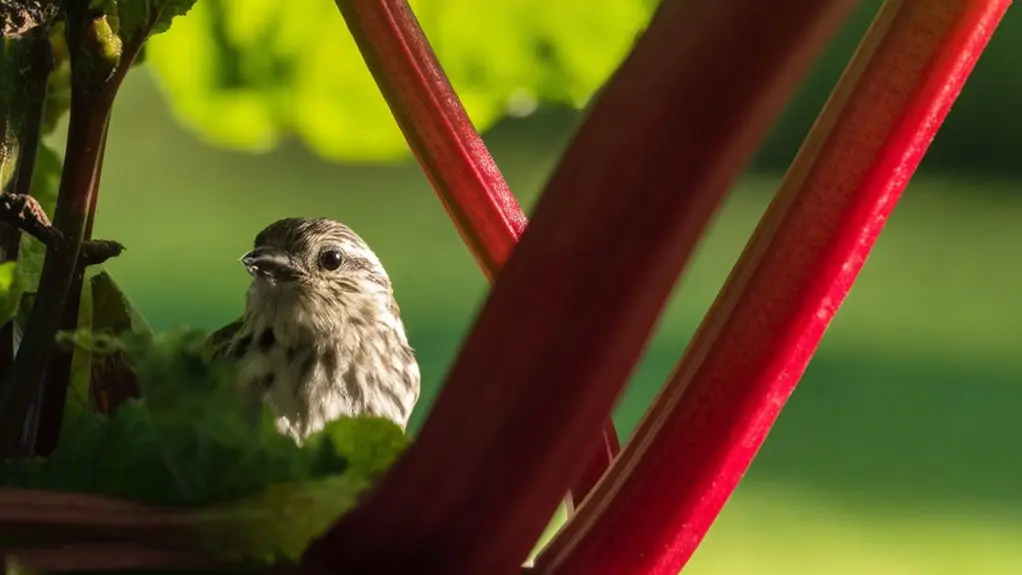
You can safely feed birds rhubarb stalks, but never the leaves. The leaves contain toxic oxalic acid that’s harmful to birds. This acid can cause calcium deficiencies and kidney damage.
It can also lead to serious symptoms like vomiting, weakness, and seizures. To keep your bird safe, try using barriers and offering safer food alternatives. If you think your bird ate rhubarb leaves, get vet care right away.
Knowing these risks and taking precautions will help you protect your bird’s health effectively. It’s always better to be safe when it comes to what your feathered friend eats.
What Is Rhubarb And Why It’s Toxic To Birds
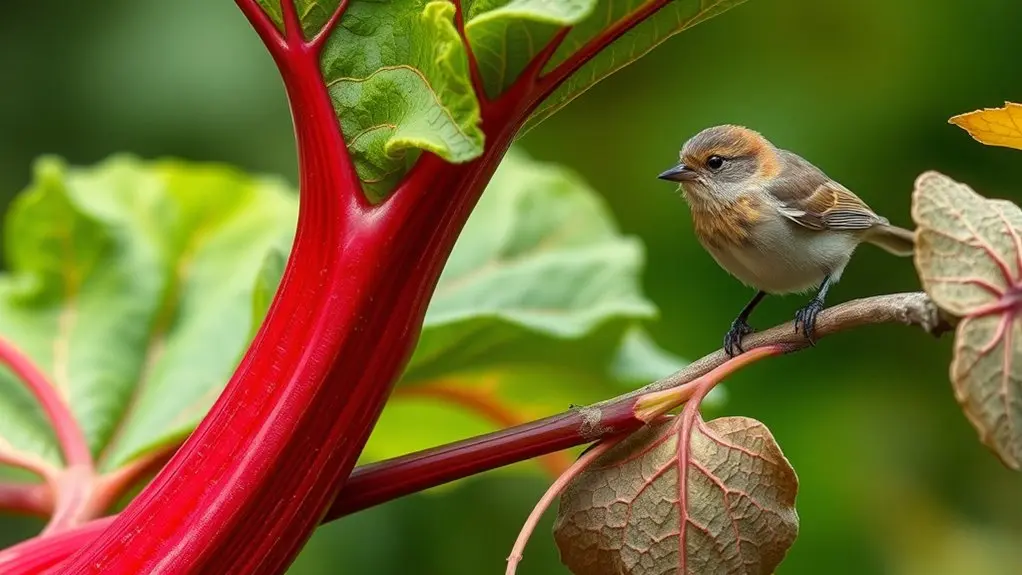
Although rhubarb is commonly known for its large, edible pink or green stalks, its leaves contain high levels of oxalic acid, making them toxic to birds. This compound disrupts calcium absorption and can cause kidney damage, posing serious health risks even in small amounts.
You should never allow your bird to consume rhubarb leaves due to their toxicity.
However, the stalks themselves are safe to eat in moderation if all leaves are completely removed. Because of this, it’s essential to keep rhubarb plants out of reach of your feathered pets to prevent accidental ingestion.
Understanding the distinction between the edible stalks and poisonous leaves helps you protect your bird’s health effectively and avoid potential poisoning. It’s all about knowing what parts are safe and what parts to steer clear of.
How Rhubarb’s Oxalic Acid Harms Birds
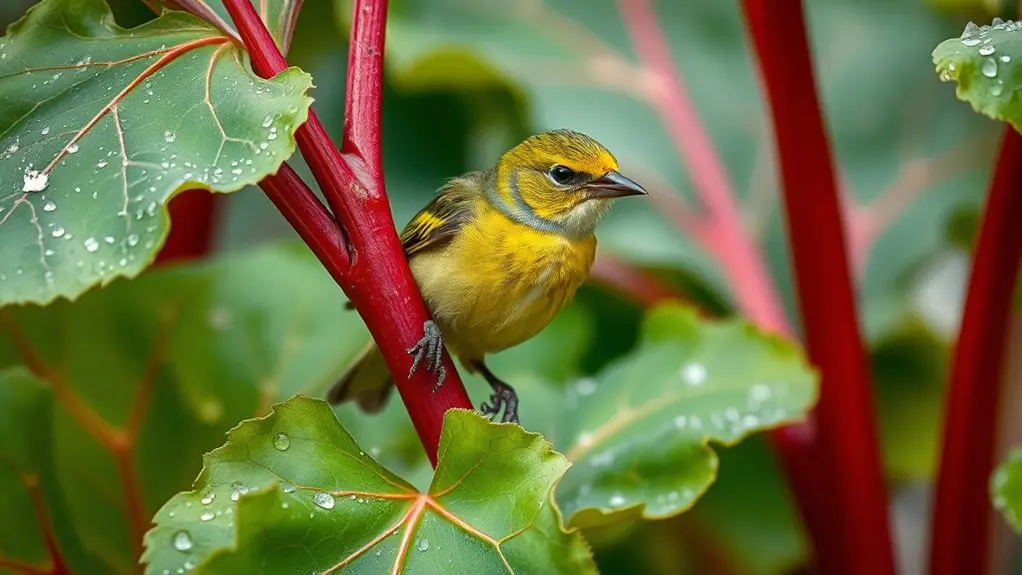
You should know that rhubarb contains oxalic acid, which can interfere with calcium absorption and cause serious kidney damage in birds.
If birds eat enough oxalic acid, they might develop hypocalcemia. This can lead to symptoms like weakness, tremors, and even seizures.
How bad these effects are really depends on how much rhubarb the bird has eaten.
Oxalic Acid Toxicity
How exactly does oxalic acid in rhubarb harm birds? Oxalic acid binds with calcium and other essential minerals in birds, leading to mineral deficiencies that mess with their physiological functions.
Birds are especially vulnerable because their metabolic systems can’t effectively detoxify oxalic acid, unlike humans. When birds eat rhubarb or its leaves, which have high oxalic acid concentrations, the acid encourages the formation of calcium oxalate crystals in their kidneys and tissues.
These crystals cause internal damage and disrupt normal organ function. Even small amounts of rhubarb can pose significant risks because of this toxicity.
Since oxalic acid interferes with crucial mineral absorption and causes crystal formation, it directly threatens birds’ health.
This is why rhubarb is unsafe for birds to eat.
Effects On Bird Health
Because rhubarb contains high levels of oxalic acid, birds that consume it face serious health risks. Oxalic acid interferes with calcium absorption, causing mineral deficiencies that impair bone strength and metabolic functions.
When ingested excessively, it leads to calcium oxalate crystal deposits in the kidneys and other organs, potentially causing renal failure.
Even small amounts of rhubarb can be toxic if consumed regularly or in large quantities. Birds exposed to oxalic acid may show symptoms like weakness, tremors, difficulty breathing, and signs of kidney damage.
This toxin binds essential minerals in the digestive tract, reducing nutrient availability and compromising overall health.
To protect your bird, avoid feeding rhubarb or any food containing significant oxalic acid levels. Really, the risks outweigh any potential benefits, so it’s best to keep it off their menu.
Symptoms To Watch After Rhubarb Exposure
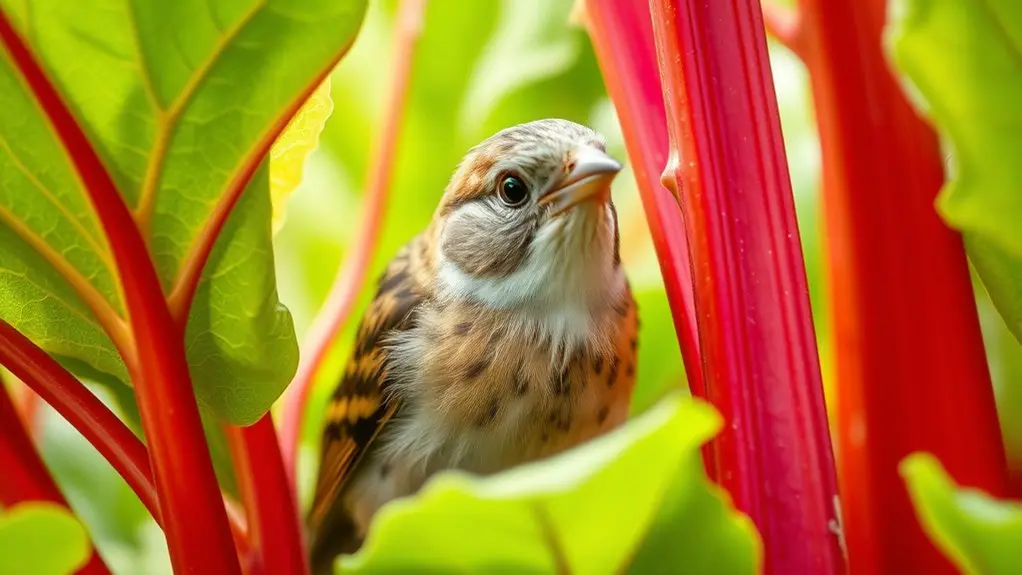
After your bird has been exposed to rhubarb, you’ll want to keep an eye out for signs of poisoning like vomiting, diarrhea, and weakness. These symptoms can be pretty telling.
You might also notice changes in behavior, such as your bird becoming lethargic or having tremors. These can be clues that toxins are affecting them.
If you see physical symptoms like abnormal droppings, trouble breathing, or irregular heart rhythms, it’s important to get veterinary help right away.
Don’t wait—these signs need immediate attention.
Signs Of Poisoning
Although rhubarb ingestion can pose serious risks to birds, recognizing the signs of poisoning early can be lifesaving. You should watch for symptoms like weakness, lethargy, and respiratory difficulty, as these indicate systemic distress.
Digestive issues such as vomiting or diarrhea may also appear. Neurological signs like tremors or seizures often result from cyanogenic compounds in rhubarb leaves. Immediate veterinary care is critical to prevent severe outcomes like organ failure or death.
| Symptom Type | Specific Signs | Urgency Level |
|---|---|---|
| Physical | Weakness, lethargy | High |
| Digestive | Vomiting, diarrhea | Moderate to High |
| Neurological | Tremors, seizures | Critical |
Prompt response ensures better prognosis. So, if you notice any of these signs, don’t wait—get your bird to a vet as soon as possible.
Behavioral Changes Noted
Recognizing changes in behavior can provide early clues to rhubarb toxicity in birds, complementing the physical and neurological signs previously discussed. If your bird shows lethargy or a decreased appetite after rhubarb exposure, these are important warning signs. You might also notice increased vocalization or unusual agitation, which indicate discomfort.
Abnormal droppings or diarrhea often appear early, signaling digestive distress.
In severe cases, behavioral symptoms can escalate to weakness, tremors, or difficulty breathing, requiring immediate veterinary care. Monitoring these behavioral changes closely allows you to respond quickly, improving your bird’s chances of recovery.
Prompt recognition and intervention are vital since birds can deteriorate rapidly after ingesting toxic substances like rhubarb. So, stay vigilant for subtle behavioral shifts to protect your pet’s health effectively.
Physical Symptoms Observed
When birds ingest rhubarb, they often show distinct physical symptoms that indicate toxicity. You may notice vomiting, diarrhea, or abdominal pain caused by rhubarb’s toxic compounds.
Cyanogenic glycosides present in rhubarb can induce cyanide poisoning, leading to respiratory distress and weakness.
Symptoms such as drooling, lethargy, and difficulty breathing can develop within hours after ingestion. In severe cases, neurological signs like tremors or seizures may occur if your bird consumes a substantial amount.
It’s essential you monitor your bird closely after rhubarb exposure and watch for these signs.
Early detection allows for prompt veterinary intervention, which can greatly improve the outcome and prevent fatal complications from rhubarb toxicity.
How To Prevent Birds From Eating Rhubarb
To protect your rhubarb plants from birds, you can try several effective strategies that create physical and psychological barriers. Installing bird netting or mesh around the plants forms a physical blockade, preventing birds from getting to the stalks.
Covering rhubarb beds with lightweight row covers during peak feeding times also helps keep birds away while still letting sunlight and air through.
You can also use visual deterrents like reflective tape, shiny objects, or decoy predators. These play on birds’ natural fears and discourage them from coming near. It’s a simple trick that often works pretty well.
Try harvesting your rhubarb early in the morning or late in the evening when birds are less active.
Also, make sure to promptly remove any fallen or damaged stalks to avoid giving birds easy food sources.
Using a mix of these methods will help keep your plants healthy and reduce bird-related damage.
Bird-Safe Foods Instead Of Rhubarb
While protecting your rhubarb plants from birds is important, it’s just as essential to offer them safe, nutritious alternatives. Rhubarb leaves contain oxalates and anthraquinones, which are toxic compounds harmful to birds. So, it’s best to avoid giving them rhubarb altogether.
Instead, try offering bird-safe fruits like berries, bananas, melons, and apples without seeds. These fruits provide essential vitamins and antioxidants without the risk of poisoning. They’re tasty and healthy options your birds will enjoy.
You can also give leafy greens such as spinach and kale. These are rich in nutrients and safe for most bird species. Vegetables like carrots, peas, and broccoli are great too—they make healthy, non-toxic substitutes that support avian health.
Just remember to always check the toxicity of any new food before introducing it to your specific bird species. This little precaution helps keep your birds safe and prevents any adverse effects linked to rhubarb consumption.
When To Contact A Vet After Rhubarb Exposure
If your bird shows signs such as vomiting, diarrhea, or weakness after possible rhubarb ingestion, you should contact a veterinarian immediately.
Rhubarb contains oxalates and soluble calcium, compounds that can cause kidney damage and metabolic disturbances in birds. The severity depends on the amount ingested and your bird’s size, so early veterinary advice is essential.
Symptoms may develop within hours, necessitating urgent medical intervention to prevent life-threatening complications.
Even if symptoms aren’t immediately visible, you should seek veterinary assistance if you suspect rhubarb exposure. Delaying treatment increases the risk of severe poisoning and irreversible damage.
Prompt professional evaluation guarantees proper diagnosis and timely care, improving the chances of your bird’s full recovery.
Always prioritize veterinary consultation when rhubarb ingestion is suspected. It’s better to be safe and get your bird checked out right away.
Frequently Asked Questions
Can Bird Droppings Show Signs of Rhubarb Poisoning?
Yes, you can observe signs of rhubarb poisoning in bird droppings through abnormal coloration, presence of blood or mucus, and changes in consistency.
You might also notice differences in frequency and odor. These changes indicate gastrointestinal distress and potential toxicity.
If you see any of these signs, it’s important to seek prompt attention for the bird.
Are All Bird Species Equally Sensitive to Rhubarb?
Not all birds wear the same armor against rhubarb’s sting. Your parrots and finches are more vulnerable, while larger birds tolerate it better. Sensitivity varies by species, size, and metabolism.
Can Rhubarb Affect Bird Eggs or Chicks?
Yes, rhubarb can affect bird eggs or chicks by causing calcium deficiency and kidney damage due to oxalic acid.
You should avoid feeding rhubarb to breeding or young birds to prevent developmental and reproductive issues.
It’s best to keep their diet safe and healthy to support their growth and well-being.
Is Dried Rhubarb Safer for Birds Than Fresh?
Dried rhubarb isn’t safer for birds than fresh because drying doesn’t remove toxic oxalates. You should avoid giving either to your bird, as both pose significant kidney and health risks even in small amounts.
It’s really best to keep rhubarb completely off the menu for your feathered friends. Even a little can cause serious problems, so it’s just not worth the risk. Stick to bird-safe treats instead!
Can Birds Develop Immunity to Rhubarb Toxins Over Time?
No, birds can’t develop immunity to rhubarb toxins over time. The oxalates remain harmful, causing cumulative damage without any adaptive resistance.
Repeated exposure only increases health risks rather than building tolerance or immunity. So, it’s definitely not something birds can get used to or fight off.
Conclusion
You should never let your birds eat rhubarb, as its oxalic acid content can be highly toxic. Studies show that oxalate toxicity can lead to kidney failure in birds within hours of ingestion.
If you suspect your bird has consumed rhubarb, watch for symptoms like lethargy or difficulty breathing. And don’t wait—contact a vet immediately.
Instead, offer bird-safe foods like apples or carrots to keep your feathered friends healthy and safe. It’s always better to be cautious when it comes to what they eat!