
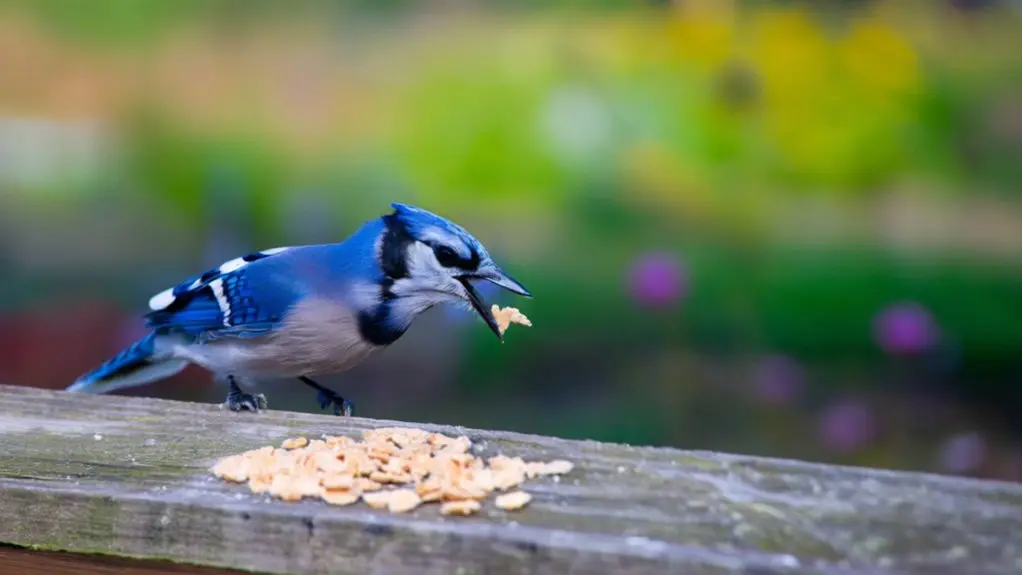
Yes, you can safely feed birds plain shredded wheat, but only if it’s free from added sugars, salt, or artificial ingredients. Offer it in small, manageable pieces to prevent choking. Also, avoid leaving it exposed too long to stop mold from growing.
Shredded wheat provides complex carbohydrates and fiber, but it doesn’t have all the essential nutrients birds need. So, it’s best to use it sparingly as a treat, not as a regular part of their diet.
Knowing the benefits and risks helps you support your birds’ health and nutrition better. Just keep an eye on what you offer and they’ll be just fine.
Can Birds Safely Eat Plain Shredded Wheat?
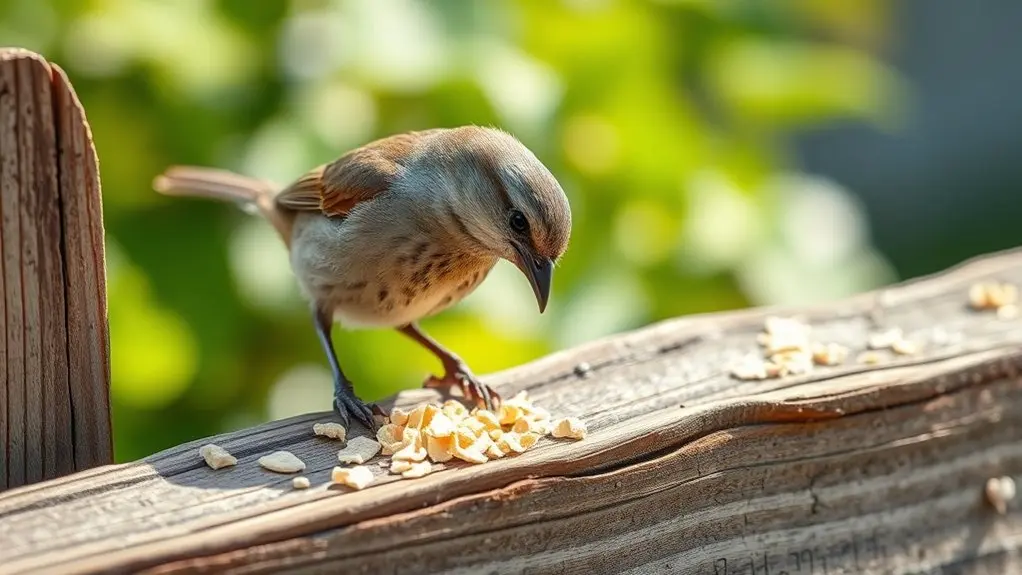
Although not a natural component of their diet, birds can safely eat plain shredded wheat because it consists of whole grains without added sugars or artificial ingredients.
You should offer shredded wheat in small, manageable pieces to prevent choking and facilitate easy consumption.
Its carbohydrate and fiber content supports energy levels, which is particularly beneficial during bird migration when energy demands increase considerably.
Plus, the nutritional support can help birds maintain stamina for their nesting habits, which require substantial energy for building nests and raising offspring.
Just make sure the shredded wheat is plain and free of additives to avoid any health risks.
Why Added Sugars and Salt in Shredded Wheat Can Harm Birds
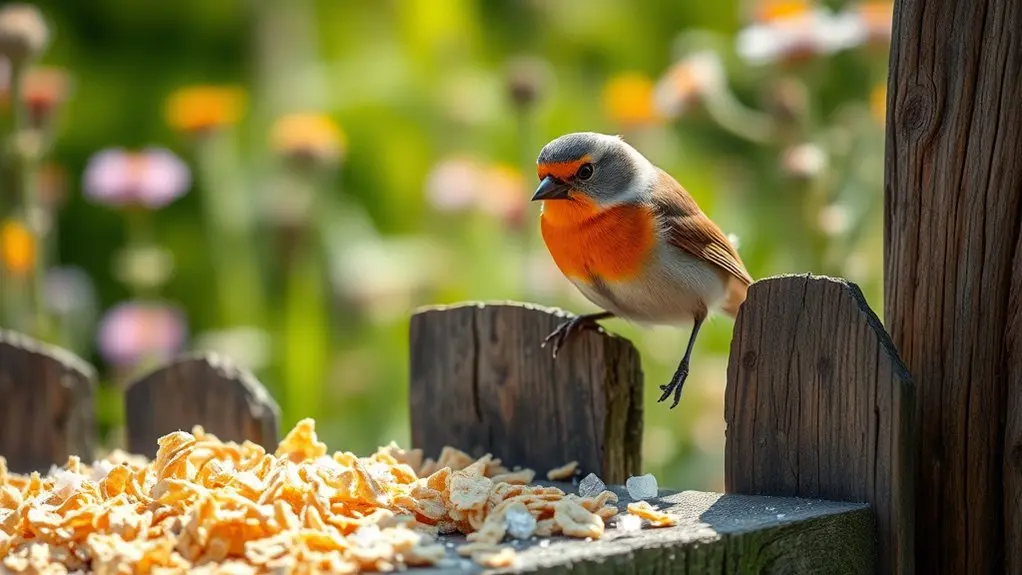
When shredded wheat contains added sugars and salt, it poses significant health risks to birds because they can’t process these substances well. Birds aren’t built to handle high levels of salt, making them very sensitive to it. Too much salt can cause dehydration, upset their electrolyte balance, and even damage their kidneys.
Added sugars mess with their metabolism, which can lead to obesity and other health problems. The salt and sugar levels in processed cereals are way higher than what birds would naturally eat. This can throw off their natural foraging habits and harm their overall health.
When birds eat these kinds of altered foods, they experience physiological stress that can affect how their organs work and disrupt their metabolic balance. So, it’s really important to avoid giving birds shredded wheat that has added sugars and salt if you want to keep them healthy.
Nutritional Profile of Shredded Wheat for Birds
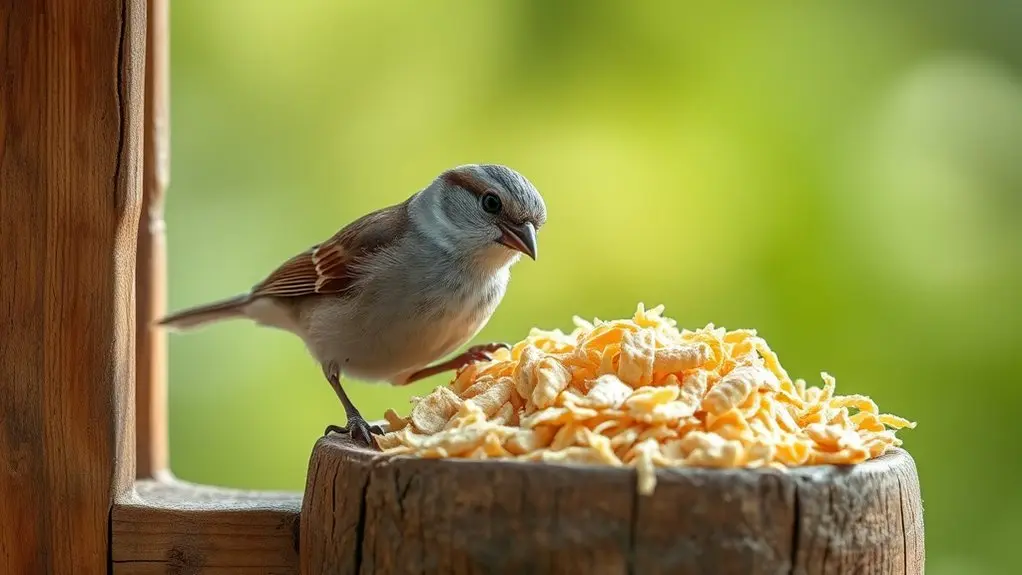
Since shredded wheat is primarily made from whole wheat, it gives birds a good source of complex carbohydrates that help supply energy. The high fiber content is great for bird digestion because it promotes gastrointestinal motility and helps with efficient food absorption.
That said, shredded wheat has very little fat and protein. So, it’s a pretty low-nutrient option compared to seeds or suet, which provide essential amino acids and healthy fats.
Plus, shredded wheat doesn’t offer many vitamins or minerals that birds need to stay healthy.
When you pick shredded wheat for birds, make sure it’s plain and unsweetened. Added sugars or preservatives can mess with their digestion and how they absorb nutrients.
Comparing Shredded Wheat to Other Common Bird Foods
When you compare shredded wheat to common bird foods like seeds and suet, you’ll notice it has much lower fat and protein levels, which are essential for bird energy.
Birds such as finches and sparrows usually prefer nutrient-rich options instead. They might only eat shredded wheat if it’s softened or crumbled first.
Knowing these differences can help you provide a balanced diet that really meets the birds’ nutritional needs.
Nutritional Value Comparison
Although Shredded Wheat offers a valuable source of carbohydrates and dietary fiber because it’s made from whole wheat, it has much less fat and protein compared to common bird foods like sunflower seeds, suet, and mealworms. The fiber helps your bird’s digestion by aiding gut motility.
But the lower fat content means Shredded Wheat is less energy-dense, which is really important during cold weather or breeding times. Unlike sunflower seeds that provide essential fats, or mealworms that are rich in protein, Shredded Wheat works better as a supplemental carbohydrate source.
When you’re picking seeds or foods, think about what your bird species needs nutritionally. Shredded Wheat doesn’t have the nutrient density needed for sustained energy or tissue repair, so it shouldn’t replace higher-protein options in your bird’s diet.
Bird Preference Differences
While shredded wheat provides a valuable carbohydrate source, birds generally show distinct preferences compared to traditional foods like sunflower seeds or nyjer.
During bird migration and nesting habits, birds prioritize nutrient-dense foods rich in fats and proteins to fuel energy demands. Shredded wheat, being lower in these nutrients, serves more as a supplemental treat than a staple.
Smaller birds such as finches may consume shredded wheat if broken into smaller pieces, but they often avoid varieties with added sugars or preservatives.
| Food Type | Nutrient Density | Bird Preference |
|---|---|---|
| Sunflower Seeds | High fats/protein | Preferred during migration and nesting |
| Nyjer Seeds | Moderate fats | Favored by finches |
| Shredded Wheat | Low fats/protein | Occasional supplement |
Which Bird Species Are Most Likely to Eat Shredded Wheat?
You’ll find that small finches, like goldfinches and sparrows, are the most frequent shredded wheat consumers because they’ve a grain-based diet. They really seem to enjoy it.
On the other hand, birds such as woodpeckers and nuthatches might give shredded wheat a try, especially when it’s offered alongside other seeds.
But when it comes to larger species, like blackbirds, they tend to show less interest.
Common Shredded Wheat Eaters
When you offer shredded wheat in an accessible form, various bird species show distinct preferences for this food source. Small songbirds like finches and sparrows, influenced by their bird migration patterns and nesting habits, may occasionally consume shredded wheat, especially during non-breeding seasons.
Woodpeckers and nuthatches often peck at shredded wheat placed on tree bark or platform feeders. Urban-adapted species, such as house sparrows, frequently include shredded wheat in their diet.
Larger birds, including pigeons and doves, accept it when readily available, supplementing their natural grain foraging.
| Bird Species | Feeding Behavior | Habitat Preference |
|---|---|---|
| Finches | Occasional consumption | Woodlands, gardens |
| Sparrows | Frequent consumption | Urban, suburban |
| Woodpeckers | Peck at shredded wheat on bark | Forest edges, parks |
| Pigeons & Doves | Eat shredded wheat if accessible | Urban, rural |
Bird Preferences for Cereals
Although shredded wheat isn’t a primary food source for most birds, certain species show clear preferences for it under specific conditions. You’ll find finches and chickadees readily consuming shredded wheat, especially when it’s soaked to soften the texture, making it easier to digest.
Sparrows and doves may also eat shredded wheat if it’s broken into smaller pieces and offered on the ground or in feeders.
Small songbirds often favor shredded wheat mixed with other grains or seeds, supporting their energy needs during bird migration.
Conversely, larger birds like woodpeckers and jays tend to prefer seeds and nuts over shredded wheat.
During nest building, some birds may use shredded wheat as a supplementary energy source, but it remains a minor component compared to natural cereals and insects.
How to Offer Shredded Wheat Safely to Birds
Since birds can choke on large pieces, break shredded wheat into small, manageable fragments before offering it. This practice aligns with proper bird feeding etiquette and minimizes choking hazards.
Break shredded wheat into small pieces to prevent choking and ensure safe feeding for birds.
Serve shredded wheat plain, without added sugar, salt, or artificial flavorings, to maintain ideal wildlife nutrition.
Slightly moisten the cereal with water or seeds to improve digestibility and ease of consumption.
Place the prepared shredded wheat in a clean feeder or on a plate beneath a feeder to reduce contamination risks.
Avoid leaving it exposed for extended periods, as moisture can promote mold growth harmful to birds.
Offer shredded wheat only as an occasional treat, not a staple. This way, birds get a balanced diet from diverse natural food sources.
It’s always best to keep their nutrition varied and natural.
How to Tell If Shredded Wheat Isn’t Right for Your Birds
If your birds display signs of digestive distress or unusual behavior after eating shredded wheat, it may indicate the cereal isn’t suitable for them. Monitor your birds closely for symptoms such as diarrhea, vomiting, lethargy, or changes in appetite, which can signal intolerance.
Since many commercial shredded wheat products contain added sugars, salts, or preservatives, these ingredients can disrupt your bird diet balance and compromise food safety. Excessive carbohydrates may also cause obesity or nutritional imbalances.
To guarantee safety, always check ingredient labels for additives and offer only plain, unsweetened varieties. If adverse reactions persist despite these precautions, discontinue shredded wheat immediately and consult an avian veterinarian to maintain excellent health and food safety for your birds.
Healthy Alternatives to Shredded Wheat for Birds
When shredded wheat doesn’t meet your birds’ dietary needs or causes adverse reactions, exploring healthier alternatives can support their nutrition and well-being. Plain, unsweetened oats, millet, and cracked corn offer natural nutrition without added sugars or preservatives. These options help promote ideal bird digestion.
Whole-grain cereals like oats or bran flakes provide beneficial fiber and energy. They outperform processed, sugary cereals when it comes to supporting digestive health. Cheerios without added vitamins or honey can be a safe, low-sugar cereal option in moderation. Just be sure to avoid cereals with artificial flavors or sweeteners since they might be toxic to birds.
Also, natural grains and seeds such as sunflower seeds or nyjer provide superior nutritional value. They’ve the right texture that birds prefer in their cereal. These alternatives keep digestion efficient while minimizing health risks linked to processed cereals like shredded wheat.
How to Choose Safe Human Foods for Wild Birds
Although many human foods may seem suitable, choosing safe options for wild birds requires careful evaluation of ingredients and nutritional content.
When considering shredded wheat, you should review the packaging carefully, making sure it’s plain and unsweetened. Avoid products altered by shredded wheat processing that include added sugars, salts, artificial flavors, preservatives, or colors.
These additives can negatively affect bird health. Also, steer clear of shredded wheat fortified with vitamins or minerals not specifically designed for birds.
Serving plain shredded wheat in moderation supports a balanced diet during critical times like bird nesting.
By selecting products free from harmful additives, you provide safe supplemental nutrition without disrupting natural feeding behaviors or nesting success.
This approach minimizes risks while benefiting wild bird populations responsibly. It’s all about keeping things simple and safe for our feathered friends.
Frequently Asked Questions
Can Shredded Wheat Cause Allergies in Birds?
Yes, shredded wheat can cause allergies in birds because of dietary restrictions related to bird nutrition. You should keep an eye out for any reactions like itching or respiratory issues.
This is especially important if your bird has grain sensitivities or pre-existing allergies. So, it’s always a good idea to monitor them closely when introducing new foods.
How Often Can Birds Eat Shredded Wheat?
Don’t put all your eggs in one basket when feeding shredded wheat; you should offer it only a few times weekly. Balancing bird nutrition and respecting dietary preferences guarantees they get essential nutrients from diverse natural foods.
It’s all about variety, you know? Mixing things up keeps your feathered friends healthy and happy. So, go easy with the shredded wheat and make sure their diet includes plenty of other good stuff too.
Does Shredded Wheat Affect Bird Digestion?
Shredded wheat affects bird digestion by providing fiber that supports digestive health when given in moderation. You should consider bird nutrition and dietary preferences carefully to avoid digestive discomfort from excessive intake or enzyme limitations.
It’s all about balance. Too much shredded wheat can cause issues because birds might not have the right enzymes to break it down fully. So, giving it as a treat rather than a staple is usually best.
Can Baby Birds Eat Shredded Wheat?
Like a cautious gardener tending delicate seedlings, you should offer baby birds plain, softened shredded wheat sparingly. This supports bird nutrition without disrupting natural bird feeding habits. It ensures balanced growth and helps avoid harmful additives or digestive issues.
Just remember, a little goes a long way. Baby birds need their natural diet most, so use shredded wheat only as an occasional treat. That way, you’re helping without overstepping nature’s plan.
Is Shredded Wheat Safe for Pet Parrots?
You can offer shredded wheat as occasional parrot treats, supporting bird nutrition carefully. Make sure it’s plain, without additives, and balance it with nutrient-rich foods. This helps avoid excessive carbohydrates and keeps your pet parrot’s health on track.
Just remember, treats should be given in moderation. Parrots need a variety of foods to stay happy and healthy!
Conclusion
Think of shredded wheat as a bridge connecting your pantry to the birds outside. While plain shredded wheat can safely support their nutritional journey, the added sugars and salts act like hidden traps, disrupting their delicate health balance.
By choosing plain varieties and offering them sparingly, you build a sturdy path. Yet, always observe your feathered visitors. Be ready to reroute them to safer, natural seeds and grains when needed, ensuring their well-being thrives scientifically and sustainably.