
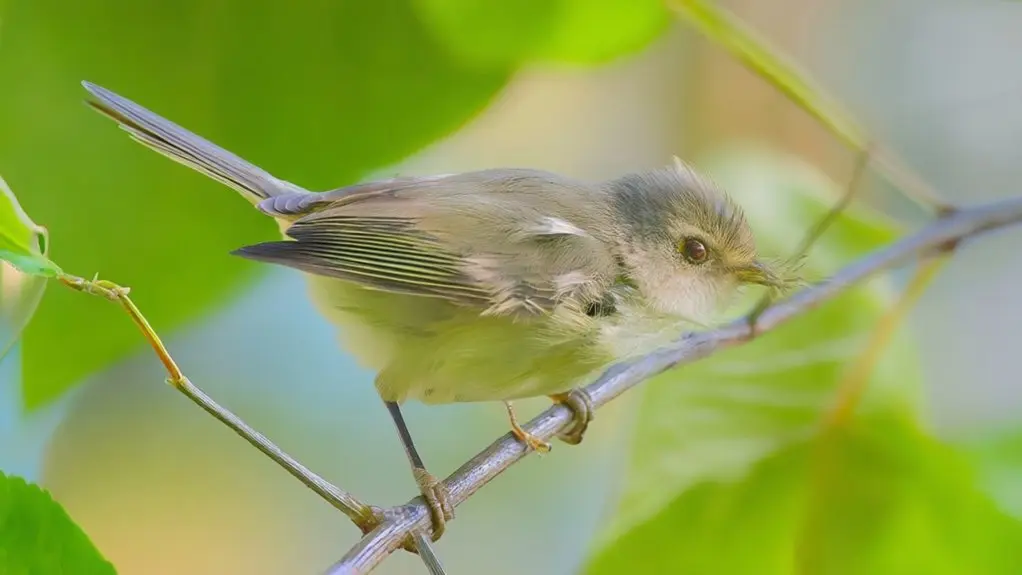
Yes, birds can develop asthma-like respiratory conditions caused by allergens, infections, and environmental irritants such as dust, powder down, and fungi like Aspergillus. You’ll notice symptoms like labored breathing, nasal discharge, and wheezing. While birds don’t get asthma exactly like humans, similar airway inflammation and hypersensitivity occur.
Proper diagnosis involves imaging and lab tests, and management focuses on environmental control and medical treatment. You can explore how causes, symptoms, and care strategies all contribute to supporting your bird’s respiratory health. It’s important to keep an eye on your bird and consult a vet if you notice any breathing issues.
Recognizing Asthma-Like Symptoms in Birds
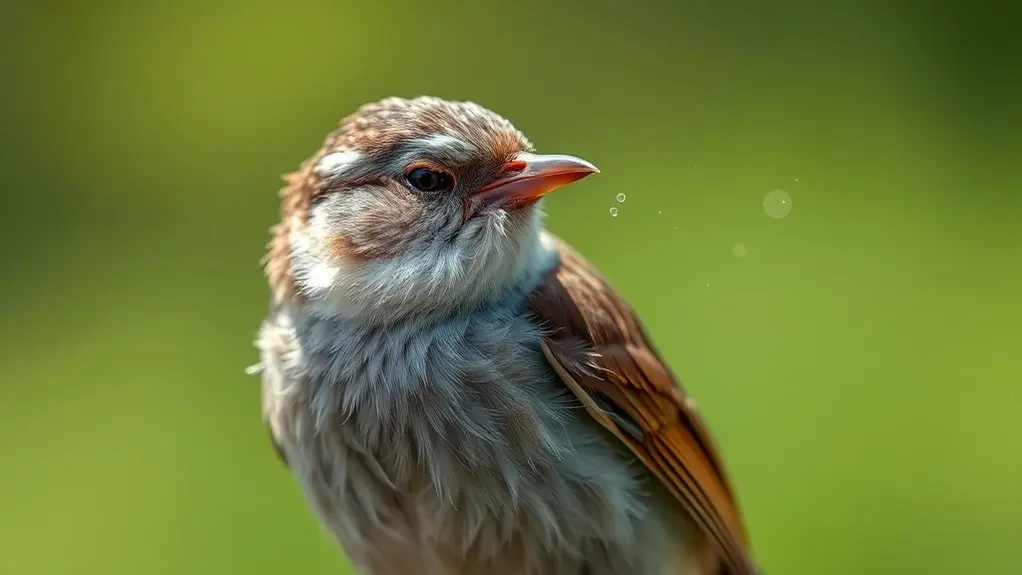
Although birds can’t be diagnosed with asthma exactly as humans are, they can show asthma-like symptoms that signal respiratory distress. You might notice labored breathing, tail bobbing, or nasal discharge in your bird.
Changes in bird vocalizations, such as wheezing or gurgling sounds, often indicate airway inflammation or constriction.
Chronic irritation can affect respiratory efficiency, which may also impact feather health, as poor oxygen exchange disrupts normal maintenance.
To recognize these signs early, observe your bird closely during routine care. Prompt identification through physical examination, supported by lung x-rays and tracheal washes, helps rule out infections and confirms respiratory distress.
Monitoring these symptoms allows you to seek timely intervention, improving your bird’s chances for effective management and recovery.
Causes of Asthma-Like Respiratory Problems in Birds
When your bird develops asthma-like respiratory problems, environmental allergens often play a central role. Several factors contribute to these respiratory issues, including genetic predisposition and exposure to environmental pollutants.
Consider these primary causes:
Consider these primary causes of respiratory issues in birds to better protect their health and comfort.
- Hypersensitivity to allergens such as powder down from parrots, dust, mold spores, and airborne fungi like *Aspergillus*.
- Respiratory parasites including air sac mites and gapeworms causing airway irritation.
- Poor ventilation and contaminated bedding, which increase exposure to pollutants and irritants.
- Long-term malnutrition compromising immune defenses and exacerbating airway inflammation.
Understanding these causes helps you manage your bird’s environment carefully, reducing triggers that mimic asthma symptoms.
Some species may be more vulnerable because of genetic predisposition, so it’s important to monitor and minimize exposure to environmental pollutants.
This way, you can help prevent respiratory distress and keep your feathered friend more comfortable.
Bird Allergies and Hypersensitivity Pneumonitis Explained
You’ll mostly come across bird allergies when you breathe in feather dust, dander, or droppings. These particles can set off hypersensitivity pneumonitis, which is basically lung inflammation caused by your immune system reacting to those proteins.
Keep an eye out for symptoms like difficulty breathing, a runny nose, or a cough that just won’t go away. These signs mean your lungs are sensitive and you should get them checked out quickly.
Catching these symptoms early is really important because it can help stop things from getting worse and causing serious lung damage.
Bird Allergy Causes
Because proteins found in feather dust, droppings, and skin flakes become airborne, bird allergens can easily trigger allergic reactions in sensitive individuals. You should understand these key causes of bird allergies:
- Bird grooming releases powder down proteins, especially from species like cockatoos and African grey parrots, into the air.
- Droppings contain allergenic proteins that become airborne when disturbed.
- Inadequate cage ventilation allows allergen buildup, increasing inhalation risk.
- Repeated exposure sensitizes your immune system, heightening allergic and hypersensitivity responses.
Managing these factors reduces your risk of allergy symptoms like nasal discharge and breathing difficulties. It’s really important to maintain good cage ventilation and minimize dust from bird grooming.
These are essential steps to protect your respiratory health.
Hypersensitivity Pneumonitis Signs
Although bird allergens often cause mild allergic reactions, they can also trigger hypersensitivity pneumonitis, which is a serious immune response affecting your lungs. This condition happens when you inhale proteins found in bird dust, dander, droppings, or feathers. It’s especially common with powder down from parrots like cockatoos and African greys.
You might notice signs such as nasal discharge, labored breathing, and persistent coughing. If exposure keeps happening, these symptoms can get worse and lead to lung inflammation and scarring. This can make it harder for your lungs to work properly.
To diagnose hypersensitivity pneumonitis, veterinarians use blood tests, lung X-rays, tracheal washes, and sometimes lung biopsies. These help detect immune-related lung inflammation.
Reducing contact with bird dust and feather particles is key to preventing permanent lung damage and keeping your bird’s respiratory health in good shape.
Diagnosing Respiratory Conditions in Pet Birds
When your pet bird starts showing signs like labored breathing, nasal discharge, or tail bobbing, it’s really important to get a thorough diagnostic check-up.
You’ll want to use radiographs to take a good look at the lungs and air sacs.
Along with that, lab tests like blood work and microscopic analysis of respiratory secretions come into play.
These tests help pinpoint infections or inflammation, which then guides the best treatment plan for your feathered friend.
Common Respiratory Symptoms
If you notice your bird exhibiting nasal discharge, labored breathing, or frequent sneezing, these signs often indicate underlying respiratory issues. Monitoring changes in feather coloration can also hint at chronic illness. Cage humidity plays a vital role; low humidity may make symptoms worse.
Here are four common respiratory symptoms to watch for:
- Tail bobbing during respiration, signaling increased effort to breathe.
- Open-mouth breathing, a sign of severe distress.
- Persistent sneezing or nasal discharge, indicating irritation or infection.
- Decreased activity levels and lethargy, reflecting compromised respiratory function.
Catching these symptoms early is really important so your bird can get prompt veterinary care. Usually, an accurate diagnosis needs microscopic analysis of respiratory fluids and a physical exam by an avian specialist.
That way, they can figure out if it’s an infection, allergies, or another lung problem.
Diagnostic Imaging Techniques
How do veterinarians accurately diagnose respiratory conditions in pet birds? They rely on imaging techniques as essential diagnostic tools. Radiographs, or X-rays, are commonly used to check for lung and air sac abnormalities.
For a more detailed look, computed tomography (CT) provides cross-sectional images that reveal complex respiratory structures and lesions. Ultrasound is another handy tool, especially when it comes to spotting effusions or masses inside the thoracic cavity.
These imaging methods help detect granulomas, fungal infections like aspergillosis, and other causes of airflow obstruction. To get precise results, proper positioning and sedation are necessary during imaging.
Laboratory Testing Methods
Why do veterinarians rely heavily on laboratory testing to diagnose respiratory conditions in pet birds? Genetic predispositions and environmental triggers make respiratory illnesses tricky, so getting a precise diagnosis is really important.
Laboratory methods give clear answers. For example, tracheal washes and bronchoalveolar lavages collect samples that can be analyzed to spot inflammation or infection.
Blood tests like complete blood counts and differential leukocyte counts help show immune responses linked to diseases such as aspergillosis.
Fungal cultures and PCR assays are used to identify *Aspergillus* spores or other pathogens directly from respiratory samples.
Histopathological examination of biopsied tissues can confirm diagnoses by revealing fungal hyphae, inflammatory infiltrates, or scarring.
These lab tests work alongside imaging techniques, helping vets create targeted treatment plans for respiratory conditions influenced by both genetics and the environment.
Treating Your Bird’s Asthma-Like Breathing Problems
When your bird shows asthma-like breathing problems, getting treatment quickly is really important to reduce airway inflammation and help them breathe better. Giving the prescribed anti-inflammatory medications and glucocorticoids can control the swelling in their airways and make breathing easier. If your bird has an acute episode, oxygen therapy might be needed to support their breathing.
Prompt treatment with anti-inflammatory meds and oxygen support can ease your bird’s asthma-like breathing struggles.
Keeping the cage clean and free of dust and allergens is a must. Regular cleaning helps cut down on environmental triggers that can make symptoms worse.
Also, feeding your bird nutritious, low-dust foods supports their overall health and helps their respiratory system stay strong.
Make sure your bird’s environment is well-ventilated to lower the amount of airborne irritants. Visiting the vet regularly for lung check-ups, like x-rays or tracheal washes, lets you keep an eye on how the condition is progressing and adjust treatments as needed.
Combining medical care with managing your bird’s surroundings is the best way to handle their asthma-like condition.
Preventing Respiratory Allergies and Keeping Bird Lungs Healthy
Although birds are resilient creatures, their respiratory systems can be highly sensitive to airborne allergens like feather dust and dander. To prevent respiratory allergies and keep bird lungs healthy, you should guarantee proper ventilation and use air filtration in the habitat to reduce airborne allergens.
Cleaning and disinfecting cages and nesting areas regularly helps minimize dust accumulation. It’s also important to limit exposure to powder down from species like cockatoos and African greys, as this can trigger hypersensitivity pneumonitis.
Keep an eye on your bird’s vocalization and behaviors such as labored breathing or tail bobbing to catch early signs of respiratory distress.
Encourage frequent feather grooming because it helps control feather dust and maintain respiratory health.
Frequently Asked Questions
Can Certain Bird Species Be More Prone to Respiratory Issues?
Yes, certain bird species show greater respiratory susceptibility due to factors like powder down production and genetic predisposition.
You should recognize that these species are more prone to respiratory issues, especially in environments with allergens or poor ventilation. So, it’s important to keep their living spaces clean and well-ventilated to help reduce risks.
Are Respiratory Problems in Birds Contagious to Humans?
Respiratory problems in birds rarely transmit to humans due to differences in the bird immune system. However, airborne allergens like dander and feathers can trigger allergic reactions or asthma symptoms in sensitive individuals, so caution is necessary.
It’s not super common for bird illnesses to jump to people, but if you’re around birds a lot and start feeling wheezy or sneezy, it’s worth paying attention. Just make sure to keep things clean and ventilated to avoid any trouble.
How Do Environmental Changes Affect a Bird’s Breathing Health?
You’ll notice poor air quality and inadequate cage hygiene worsen your bird’s breathing by increasing allergens and irritants.
Keeping cages clean and making sure there’s good ventilation can really help. It reduces airway inflammation and keeps your bird’s respiratory health in good shape.
Can Diet Influence a Bird’s Respiratory Condition?
Yes, bird nutrition directly influences respiratory health. You should provide dietary supplements rich in vitamins A and E to support mucous membrane integrity and immune function. This helps reduce inflammation and respiratory sensitivity in your bird’s respiratory condition.
Keeping your bird’s diet balanced is really important. It can make a big difference in how well they breathe and fight off respiratory issues. So, paying attention to what they eat is definitely worth it!
What Home Remedies Can Soothe Mild Respiratory Symptoms in Birds?
You can soothe mild respiratory symptoms in birds using natural inhalants like saline sprays and a humidifier. These provide humidifier benefits by easing airway inflammation and improving breathing.
Make sure there’s excellent ventilation and try to reduce irritants in their environment. This helps keep the air clean and makes it easier for your bird to breathe comfortably.
Conclusion
Just as you wouldn’t ignore the warning signs of a storm, don’t overlook your bird’s breathing troubles. While birds don’t get asthma exactly like humans, they can suffer from similar respiratory issues that demand your attention.
By recognizing symptoms early, seeking proper diagnosis, and maintaining a clean environment, you’ll help your feathered friend soar through life with healthy lungs. This way, you can turn potential respiratory storms into clear skies.