
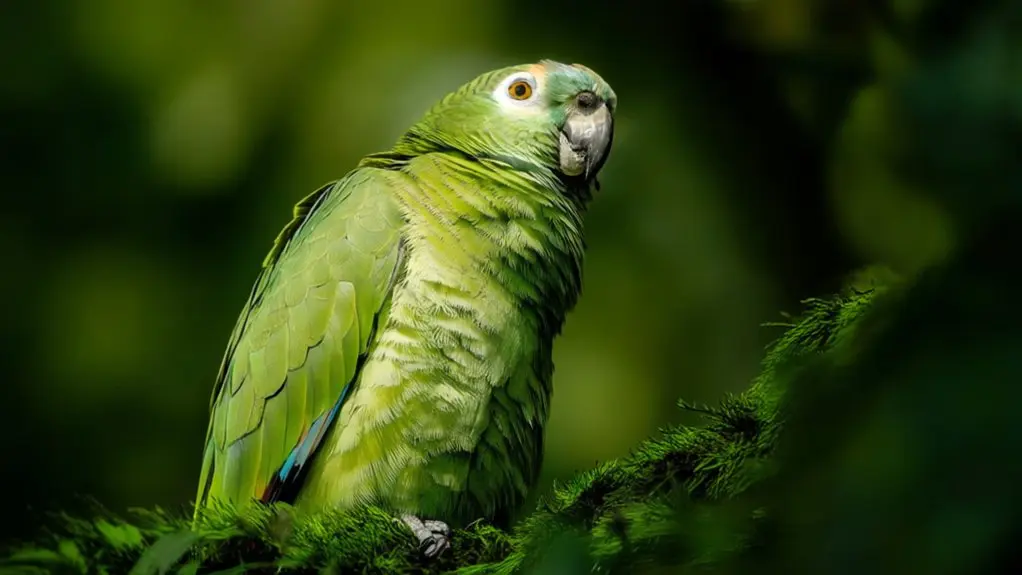
You can’t worry about birds getting AIDS because HIV targets specific receptors found only in humans and primates, which birds don’t have at all. Their cells simply lack the structures HIV needs to enter or replicate. So, infection is biologically impossible.
That said, birds can carry other viruses and bacteria that might affect humans. It’s important to understand these risks and how to handle bird-related illnesses safely.
Learning about bird-borne diseases and safe care practices will help you get a clearer picture of what to watch out for.
What Is AIDS and Why Can’t Birds Get It?
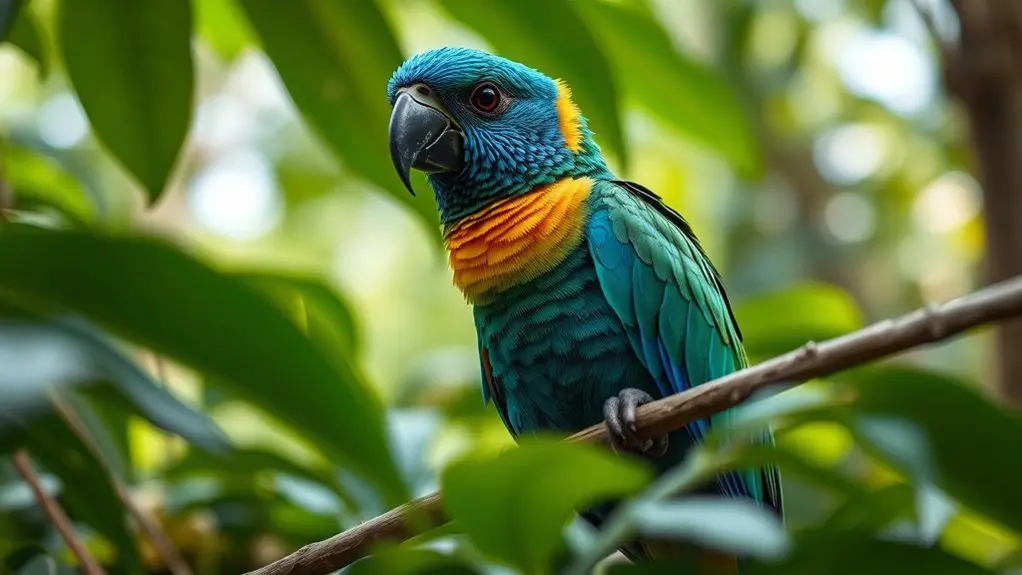
Although AIDS is a serious condition caused by the human immunodeficiency virus (HIV), birds can’t contract it because HIV targets specific receptors found only in humans and primates. The lentivirus responsible for AIDS can’t infect avian species due to fundamental differences in their immune systems and cell receptor structures.
Even as you observe bird migration or study avian communication, you won’t find evidence of HIV infection among birds. Their cells lack the necessary receptor sites, preventing HIV from entering or replicating.
While birds are susceptible to other viral infections, such as avian influenza, the unique biological makeup of their immune systems shields them from HIV/AIDS. This distinction emphasizes the virus’s specificity and the clear separation between human and avian disease susceptibility.
Common Bird-Borne Diseases That Infect Humans
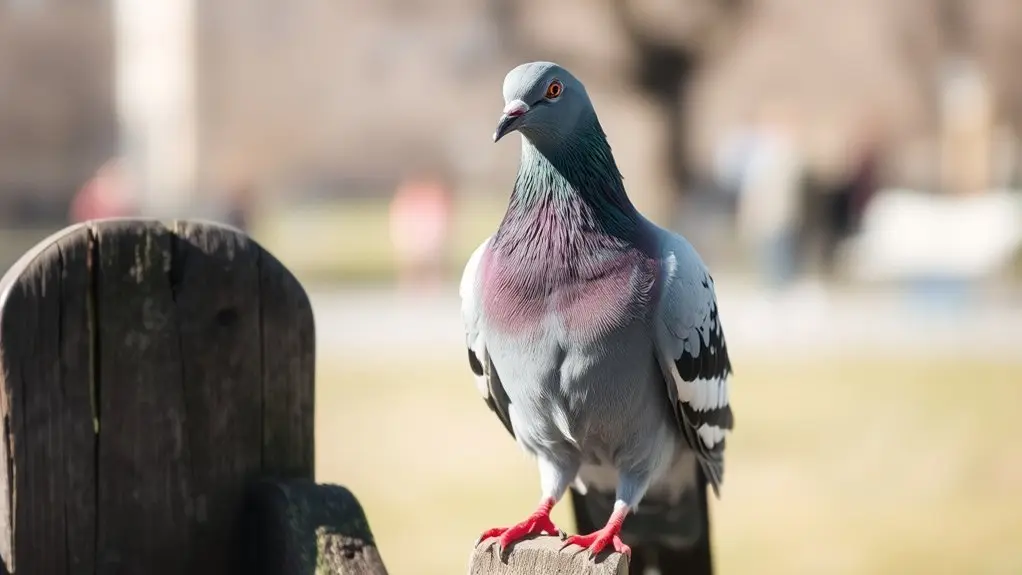
When you come into contact with birds or their environments, you may be exposed to several diseases that can infect humans. Bird migration can increase the spread of pathogens across regions.
Also, feather coloration can indicate species prone to carrying specific diseases.
Here are common bird-borne diseases to know:
- Psittacosis: This is a bacterial infection transmitted via airborne particles from droppings or feather dust. It usually causes flu-like symptoms.
- Histoplasmosis: A fungal infection you can get from inhaling spores in accumulated droppings, especially at roosting sites.
- Cryptococcosis: Another fungal disease that comes from contaminated droppings and can lead to respiratory or nervous system complications.
- Other fungal or bacterial pathogens can spread through direct contact or inhalation.
Keeping good hygiene and following safe cleaning practices can really help limit your risk of infection from bird-borne diseases.
Psittacosis: Symptoms and Risks for People
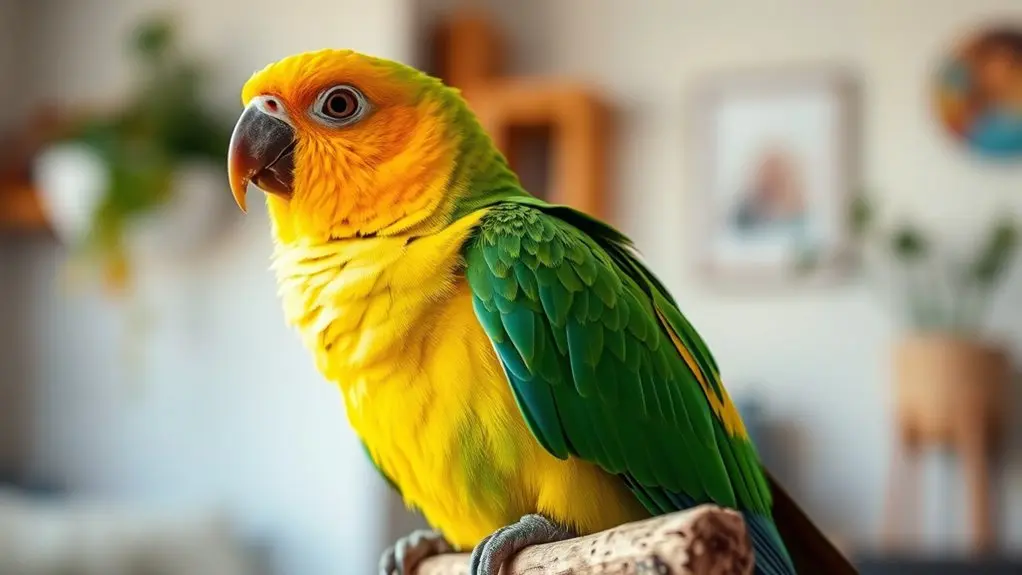
Because psittacosis results from inhaling bacteria-laden particles from bird droppings or feathers, you may develop flu-like symptoms such as fever, chills, headache, and muscle aches soon after exposure.
This zoonotic risk stems from *Chlamydophila psittaci*, which birds can carry even if their bird immune response suppresses symptoms. If untreated, psittacosis can cause severe complications like pneumonia or organ damage.
Your risk escalates if you have a weakened immune system, are elderly, or a young child.
| Risk Group | Reason for Increased Risk |
|---|---|
| Weakened Immunity | Reduced ability to fight bacteria |
| Elderly | Declined immune function |
| Young Children | Developing immune system |
| General Population | Potential exposure to airborne bacteria |
Understanding these risks helps you prevent and quickly identify psittacosis symptoms.
Fungal Diseases Transmitted by Birds: What to Know
You can catch fungal infections like histoplasmosis and cryptococcosis by inhaling spores from bird droppings that are contaminated. These tiny spores tend to build up in soil or dried bird poop, especially around pigeons and starlings.
Common Bird Fungal Diseases
Although birds provide companionship and ecological benefits, they can also carry fungal pathogens like histoplasmosis and cryptococcosis that pose health risks to humans. These fungal diseases often arise from environmental factors tied to the bird’s feather coloration and nesting behaviors, which influence habitat selection and contamination levels.
Here’s what you need to know about common bird fungal diseases:
- Histoplasmosis results from inhaling spores in areas with accumulated bird droppings, often linked to nesting sites.
- Cryptococcosis affects both birds and humans, causing respiratory and neurological symptoms.
- Mold growth on droppings promotes fungal infections in birds.
- Maintaining hygiene through proper cleaning of cages and roosting areas reduces fungal pathogen proliferation.
Understanding these factors helps you manage risks associated with bird fungal diseases effectively. It’s all about keeping things clean and knowing where risks might come from.
Transmission Pathways To Humans
When you handle birds or clean their enclosures, inhaling fungal spores from contaminated droppings can transmit diseases like histoplasmosis and cryptococcosis to humans. These spores are produced by fungi such as Histoplasma capsulatum and Cryptococcus neoformans. They accumulate in droppings at roosting sites, especially during bird migration when large flocks gather.
Disturbing dried droppings or contaminated soil releases airborne spores, which you then inhale. Although feather coloration varies widely among species, it doesn’t influence fungal transmission. But understanding bird behavior and migration patterns helps identify high-risk exposure areas.
People with weakened immune systems face greater infection risks. Recognizing how fungal spores spread from avian environments to humans is vital for awareness of transmission pathways. This underscores the importance of monitoring bird populations and their habitats.
Prevention And Hygiene Tips
How can you effectively reduce the risk of fungal infections transmitted by bird droppings? Focus on prevention through disciplined hygiene and environmental management. Fungal spores thrive in accumulated feces, so maintaining a clean environment is vital.
Follow these steps: Perform regular cage cleaning using disinfectants to eliminate fungal spores and prevent growth. Manage your bird’s diet to ensure healthy droppings, which helps reduce contamination risk. Avoid buildup of feces in enclosed or poorly ventilated spaces where spores can multiply.
Always wear masks and gloves during cleaning, and make sure to wash your hands thoroughly afterward. Taking these precautions can make a big difference in keeping fungal infections at bay.
Avian Tuberculosis and Its Risk to Bird Owners
Because avian tuberculosis stems from the Mycobacterium avium complex, it poses a particular risk to bird owners, especially those with weakened immune systems. This bacterial infection can be transmitted through aerosols contaminated by bird feces, dust, or soil within the bird habitat.
You should note that infected birds may show symptoms such as weight loss, dull feathers, and respiratory issues, although some appear asymptomatic.
Feather grooming behaviors can spread bacteria within flocks, increasing contamination risks.
Diagnosing avian tuberculosis requires bacterial testing of fecal samples, and infected birds are often euthanized to prevent further transmission.
While human infection is rare, those with compromised immunity face higher risk.
Understanding these factors helps you recognize the potential zoonotic threat avian tuberculosis presents to bird owners. It’s important to stay informed and take precautions to keep both you and your birds safe.
How to Protect Yourself From Bird-Borne Diseases
Although bird-borne diseases can pose serious health risks, you can substantially reduce your chances of infection by adopting specific hygiene and safety practices. Bird migration influences the spread of pathogens, and feather coloration can indicate species more prone to carrying certain diseases.
To protect yourself effectively, here are some simple steps you can follow:
- Always wash your hands thoroughly after handling birds or cleaning cages.
- Avoid direct contact with bird droppings, feathers, or respiratory secretions.
- Wear protective gloves and masks when cleaning enclosures or disposing of waste.
- Maintain clean, well-ventilated indoor environments to minimize airborne infectious particles.
Routine Veterinary Care for Healthy Birds
It’s a good idea to schedule regular check-ups with an avian veterinarian to keep your bird healthy and catch any illnesses early. These vets specialize in birds, so they know exactly what to look for and can perform the right diagnostic tests and thorough exams.
Picking a qualified avian vet is really important because they provide effective preventive care and help detect diseases before they become serious.
Importance Of Regular Checkups
How often do you schedule veterinary checkups for your bird? Regular exams are vital for maintaining your bird’s health. During visits, veterinarians assess bird nutrition, feather grooming, behavior, and physical condition.
This routine care helps prevent serious illnesses, including psittacosis and avian tuberculosis.
Key benefits of regular checkups include:
- Early detection of diseases before symptoms worsen
- Monitoring feather condition to guarantee proper grooming and health
- Administering vaccinations and parasite control measures
- Evaluating nutritional status to support overall well-being
Early Disease Detection
Why is early disease detection essential for your bird’s health? Routine veterinary care helps you spot subtle changes in your bird’s behavior and nutrition before any illness gets worse.
Regular check-ups let veterinarians run diagnostic tests for infectious diseases like avian tuberculosis or fungal infections, so treatment can start right away.
Catching health issues early means better chances of successful treatment and a longer life for your bird.
You’ll also stop diseases from spreading by dealing with problems during preventive visits.
Keeping an eye on your bird’s eating habits and activity levels gives you important clues about their health.
By staying proactive with veterinary care, you create a healthier environment for your bird.
This supports good nutrition and keeps their behavior on track.
Early detection really protects your feathered friend’s health and shows why routine vet exams are so important.
Choosing Avian Veterinarians
Where can you find specialized care that truly understands your bird’s unique health needs? Choosing an avian veterinarian is essential for maintaining your bird’s health through routine exams and preventative care. These vets focus on bird nutrition, cage hygiene, and species-specific concerns to optimize well-being.
When selecting an avian veterinarian, consider their expertise in diagnosing and treating bird-specific diseases. It’s also important that they perform routine assessments of feathers, beak, nails, weight, and behavior.
Look for vets who can recommend vaccinations and parasite control. Plus, they should be able to advise you on proper bird nutrition and cage hygiene practices.
This way, you’re giving your feathered friend the best care possible.
Safe Handling and Hygiene Tips for Bird Owners
Although caring for birds brings many joys, you must follow strict hygiene practices to prevent disease transmission. After handling your bird or its cage, always wash your hands thoroughly with soap and water. If soap isn’t available, use hand sanitizer, especially before touching your face or preparing food.
Wear disposable gloves when cleaning droppings or cage accessories to minimize pathogen exposure. Regularly disinfect cage surfaces and toys with bird-safe products to prevent mold and fungi buildup. Avoid direct contact with droppings, and seek medical care if bitten or scratched.
Understanding bird migration patterns and feather coloration can help you recognize stress or illness. This way, you can make sure you maintain a healthy environment for your bird. These precautions protect both you and your avian companion from potential health risks.
What to Do If Your Bird Shows Signs of Illness
Maintaining strict hygiene helps reduce the risk of illness, but you still need to watch for signs that your bird may be unwell. If you notice lethargy, feather loss, or abnormal droppings, act promptly.
Here’s what you should do: Consult an avian veterinarian immediately for early diagnosis and treatment. Isolate the bird to prevent contagious diseases like Psittacosis or avian tuberculosis from spreading.
Observe and document symptoms, behavior changes, and appetite fluctuations to inform the vet accurately. Also, uphold rigorous cage cleanliness and ensure balanced bird nutrition to support recovery and reduce infection risks.
Prompt action combined with good hygiene and nutrition optimizes your bird’s health and recovery chances. So, keep an eye out and don’t hesitate to get help when needed!
Frequently Asked Questions
Can Pet Birds Transmit HIV to Humans?
Pet birds can’t transmit HIV to humans because humans are not susceptible to bird viruses. HIV specifically targets primates, so you’re not at risk of getting it from birds.
That said, it’s always good to keep your pet’s living area clean to avoid other infections. But when it comes to HIV, there’s really no chance of transmission from birds. So, no worries there!
Are Baby Birds More Susceptible to Illnesses?
You might be surprised, but yes, baby birds are more susceptible to illnesses. Their avian immunity is still developing after the egg incubation period. This means they’re more vulnerable to infections until their immune systems get stronger.
As they grow and get exposed to their environment, their immune defenses improve. So, it’s natural for baby birds to be a bit fragile at first. They need time to build up their resistance to diseases.
How Long Can Bird Germs Survive on Surfaces?
Bird germs can survive from hours to weeks on surfaces, depending on the conditions.
So, it’s really important to focus on surface sterilization to keep risks low.
Since bird immunity varies, thorough cleaning helps prevent disease transmission.
This way, you protect both your birds and yourself effectively.
Do Wild Birds Pose Higher Disease Risks Than Pets?
Yes, wild birds pose higher disease risks than pets due to wild bird migration and urban bird populations. Their exposure to diverse environments and species increases pathogen transmission, unlike pets with regular health care and controlled habitats.
Wild birds move around a lot and come into contact with many different animals and places. This makes it easier for diseases to spread among them. Pets, on the other hand, usually stay in one place and get routine check-ups, which helps keep them healthier.
Can Birds Recover Fully From Fungal Infections?
You can’t expect birds to recover fully from fungal infections because avian immunity often struggles against persistent pathogens.
Fungal treatment may reduce symptoms but rarely eradicates the infection. This can lead to chronic health issues or carrier status.
Conclusion
While birds don’t catch AIDS, they can carry other unwelcome guests that might affect your health. By staying informed about common bird-borne illnesses and practicing good hygiene, you’ll keep both yourself and your feathered friends thriving.
Regular check-ups and gentle care go a long way in ensuring your bird’s well-being. Remember, a healthy bird means a happier home, so don’t hesitate to act if you notice anything out of the ordinary.