
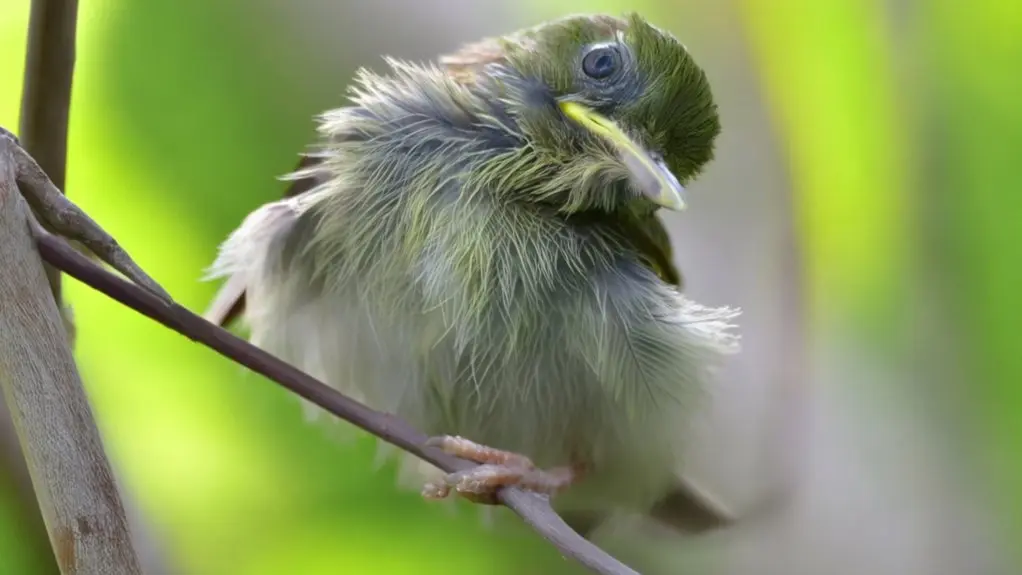
Birds can’t get chicken pox because the varicella-zoster virus infects only humans. Instead, birds suffer from fowl pox, which is caused by a different DNA virus that’s specifically adapted to avian species.
Fowl pox spreads through insect bites and direct contact. It produces crusty scabs or inflamed lesions in birds. This disease affects poultry in a different way and needs its own prevention and care.
Knowing these key differences helps you manage and protect your flock better. Keep reading for more details about symptoms, transmission, and control.
What Is Chicken Pox: And Why Birds Get Fowl Pox Instead
Although you might assume birds can catch chicken pox, they actually can’t because the varicella-zoster virus targets only humans. This virus is highly species-specific, preventing infection in birds despite their exposure.
Birds cannot catch chicken pox because the varicella-zoster virus infects only humans.
Instead, poultry suffer from fowl pox, caused by a distinct poxvirus adapted exclusively to avian species.
This biological separation explains why chicken pox doesn’t affect bird flight or feather coloration, as these essential aspects of avian physiology remain untouched by the human virus.
Fowl pox, unlike chicken pox, can impair feather health and consequently may influence flight capability indirectly.
Understanding these viral distinctions clarifies that the term “chicken pox” applies solely to humans, while birds have their own species-specific viral disease.
This way, you won’t confuse the two when studying avian health or behavior.
How Fowl Pox Differs From Human Chicken Pox
Recognizing that chicken pox and fowl pox stem from entirely different viruses helps clarify their distinct characteristics and modes of transmission. Chicken pox is caused by the Varicella-Zoster virus, while fowl pox originates from a DNA virus in the Avipoxvirus genus.
This viral mutation accounts for significant differences in host specificity. Human chicken pox exclusively infects humans, whereas fowl pox targets birds.
Transmission also varies: human chicken pox spreads through respiratory droplets, but fowl pox relies on insect vectors and contact with infected lesions. These differences prevent cross-species infection.
Understanding these factors is essential because fowl pox presents with crusty scabs on birds, contrasting with the itchy blisters seen in human chicken pox.
This distinction really highlights the importance of recognizing viral mutation and host specificity in disease management.
Common Fowl Pox Symptoms to Watch For in Chickens
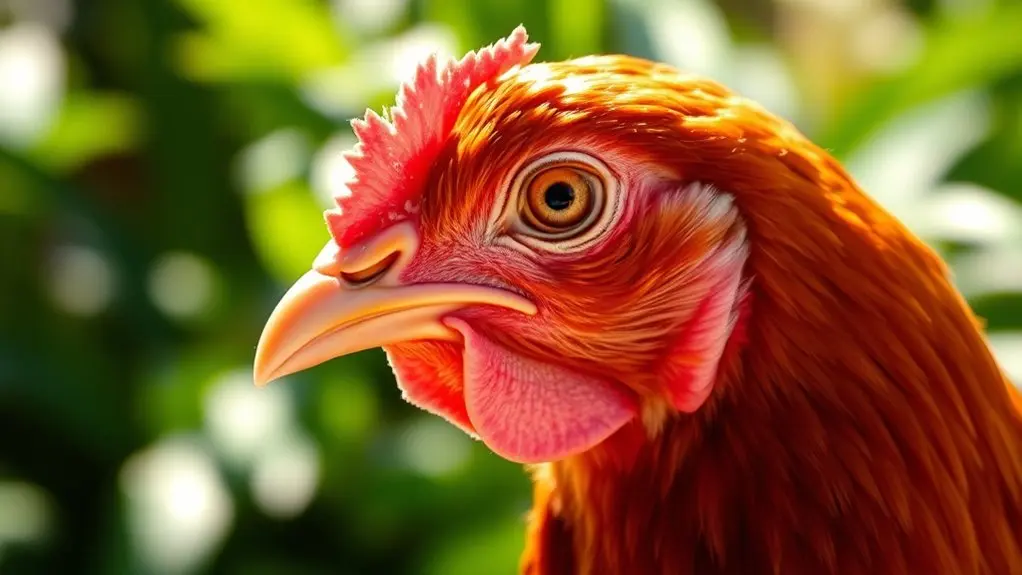
When you monitor your flock for signs of fowl pox, focus on crusty scabs appearing on non-feathered areas such as the comb, wattles, beak, and legs. These lesions represent the dry form of the disease, which develops gradually and can cause pain and secondary infections.
Also, watch for lesions inside the mouth, throat, or conjunctiva. This indicates the wet form, which is often accompanied by respiratory distress and tracheal inflammation.
You might notice weight loss and reduced egg production as a result of the discomfort and irritation the chickens are experiencing. Genetic resistance plays a role in how susceptible your birds are, so some may show milder symptoms.
Environmental factors like poor sanitation or exposure to insects can make outbreaks worse. Catching these signs early helps you manage the situation and keep your flock healthy.
How Fowl Pox Spreads Among Chickens and Other Birds
You’ll find that fowl pox spreads mainly through direct contact with infected birds and contaminated surfaces.
Also, insects like mosquitoes and flies play a critical role by transferring the virus as they bite.
Knowing these transmission routes really helps you control the spread within your flock.
Transmission Routes Explained
How does fowl pox spread among chickens and other birds? Primarily, the virus transmits through direct contact with infected birds or contaminated environments. You’ll see that scratches, wounds, and respiratory secretions help the virus move from one bird to another.
Infected birds shed the virus via scabs and lesions, which contaminate surfaces where the virus can survive for a long time. Environmental factors like shared housing and close proximity make it easier for the virus to spread.
Also, genetic resistance plays a big role in how likely a bird is to catch the infection.
The virus sticks around in dried scabs and debris, which means it keeps spreading, especially in crowded or poorly cleaned places. Knowing these transmission routes lets you put better biosecurity measures in place.
This way, you can manage infection risks better and keep outbreaks in your flock to a minimum.
Role Of Insects
Why do insects play a crucial role in the spread of Fowl Pox among chickens and other birds? Insect behavior, particularly biting by mosquitoes and flies, helps spread the virus mechanically. These insects pick up the Fowl Pox virus by biting infected birds, then transfer it to healthy ones through contaminated mouthparts or bodies.
Bites create entry points through skin scratches or mucous membranes, making it easier for the virus to infect the birds. During warmer months, insect activity goes up, which means the risk of transmission also increases.
To limit the spread of Fowl Pox, effective pest control around poultry coops is essential. By managing insect populations, you reduce the viral carriers and protect your flock.
Understanding how insects transmit the virus shows just how important pest control is in preventing Fowl Pox among birds.
Vaccines and Biosecurity Tips to Prevent Fowl Pox
You should vaccinate your birds when they’re just one day old, and then again between eight to ten weeks. This helps make sure they’re really protected against fowl pox.
It’s also important to keep up strict biosecurity measures. For example, isolate any new birds you bring in and clean the coops regularly to keep viruses at bay.
Plus, don’t forget about insects—they can spread the disease too. Using repellent plants around the coop and quickly treating any wounds your birds get can go a long way in reducing the risk of transmission.
Effective Vaccination Schedule
Two essential vaccination points guarantee effective immunity against Fowl Pox: administering the vaccine at one day old and again between eight to ten weeks. This schedule optimizes the bird’s immune response, accounting for genetic resistance variations and environmental factors that influence disease exposure.
To maximize protection, you should vaccinate chicks promptly at one day old to initiate early immunity. Then, give a booster between eight to ten weeks to reinforce and prolong immunity.
It’s also important to monitor flock health regularly to spot any signs of vaccine failure or environmental stressors that might reduce vaccine efficacy.
Following this schedule ensures strong, lasting immunity against Fowl Pox. Remember, vaccination is a critical part of an integrated approach that considers genetic resistance and environmental factors to protect your birds effectively.
Essential Biosecurity Practices
Building on an effective vaccination schedule, maintaining strict biosecurity practices plays a crucial role in preventing Fowl Pox outbreaks. You should isolate new flock members for 30 days to minimize virus introduction, especially during periods of bird migration when exposure risk increases.
Regularly inspect your chickens for scratches or wounds, as these can serve as viral entry points. Prompt treatment is essential.
Encourage consistent feather grooming among birds to reduce parasite loads and maintain skin integrity.
Thoroughly clean and disinfect coops after any outbreak and dispose of debris properly to control virus persistence.
While insect control is essential, focus here on biosecurity measures that limit direct and indirect contact with the virus.
These practices, combined with vaccination, form a complete defense against Fowl Pox infection. Taking these steps seriously really makes a difference in keeping your flock healthy.
Insect Control Strategies
Although vaccination remains the cornerstone of Fowl Pox prevention, integrating targeted insect control strategies can really help reduce virus transmission. You can manage insect vectors effectively by understanding bird behavior and feather coloration, which tend to attract certain biting insects.
Try planting insect-repelling herbs like Pennyroyal, Basil, and Marigolds near coops. These plants help keep mosquitoes and flies away.
Also, enforce strict biosecurity by isolating new birds and minimizing contact with other flocks. This reduces their exposure to infected insects.
Don’t forget to regularly check your birds for wounds or scratches. Treat them promptly to block virus entry points from insect bites.
Diagnosing Dry and Wet Forms of Fowl Pox
When you suspect Fowl Pox in your birds, diagnosing the dry and wet forms requires careful observation of distinct clinical signs.
The dry form presents as crusty scabs on non-feathered areas like the comb, wattles, and beak. These slow-developing lesions cause discomfort and irritation. They’re often linked to genetic susceptibility and environmental factors that influence disease expression.
Crusty scabs on comb, wattles, and beak signal the dry form, influenced by genetics and environment.
In contrast, the wet form involves inflamed, reddened lesions inside the mouth, throat, or conjunctiva. These can lead to respiratory difficulties.
To confirm the wet form, microscopic examination of these lesions is essential.
Accurate diagnosis depends on identifying these characteristic signs and, when necessary, laboratory testing for definitive confirmation.
Recognizing these differences helps you manage Fowl Pox effectively, addressing both genetic and environmental contributors.
Caring for Birds Sick With Fowl Pox
To care for birds sick with Fowl Pox effectively, you must isolate infected individuals promptly to prevent viral transmission within your flock. Focus on supportive care by applying antiseptics to scabs and providing a nutritious diet to aid recovery. Maintaining proper bird grooming and feather maintenance is essential to reduce stress and promote healing.
Follow these steps:
- Create a stress-free, comfortable environment to enhance wellbeing and recovery.
- Monitor closely for secondary infections or symptoms, allowing early intervention.
- Maintain strict biosecurity by disinfecting equipment and safely disposing of contaminated materials.
Cleaning Up After a Fowl Pox Outbreak
After a fowl pox outbreak, it’s really important to give all your coops and equipment a good, thorough cleaning and disinfecting. This helps get rid of any virus particles that might still be hanging around.
Make sure you carefully collect all the scab debris, feathers, and bedding. Put them in sealed bags so nothing can escape, and then take those bags away from the area. This step is key to stopping the virus from coming back.
When cleaning, use disinfectants that are proven to work against the virus on all the surfaces that could be contaminated.
And don’t forget—properly getting rid of the debris is just as important as the cleaning itself to keep your space safe and healthy.
Disinfection Protocols
Although managing a fowl pox outbreak can be challenging, you must thoroughly disinfect all coop surfaces, equipment, and nesting boxes using a virucidal disinfectant to prevent virus persistence. This step is essential to protect your flock’s feather grooming and maintain egg shell quality.
Follow these key protocols:
- Clean equipment with hot water and soap before applying a virucidal disinfectant, such as bleach solutions or commercial products known to inactivate the virus.
- Remove and dispose of fallen scabs, debris, and contaminated bedding carefully to reduce virus survival and re-infection risk.
- Ensure proper ventilation during and after cleaning to eliminate residual virus particles, and monitor the area regularly for persistent contamination.
Adhering to these disinfection protocols helps safeguard bird health and overall flock productivity. It’s really about staying consistent and making sure you don’t miss any spots.
That way, your flock stays healthy and productive.
Debris Disposal Methods
When managing a fowl pox outbreak, you need to carefully dispose of infected scabs and debris to stop the virus from sticking around in your flock’s environment. The best way to do this is by sealing scabs and organic waste in bags and getting them out of the coop and run areas quickly.
Make sure to follow strict waste management protocols. Clean and disinfect all surfaces, equipment, and nesting materials thoroughly with agents known to kill the fowl pox virus.
Don’t reuse contaminated bedding or litter unless it’s been properly composted or disinfected to get rid of any leftover virus particles.
Also, regularly removing fallen feathers and scabs really helps reduce places where the virus can hide.
Does Fowl Pox Affect Other Bird Species?
Since Fowl Pox virus is highly adapted to gallinaceous birds, it rarely affects other bird species such as parrots or pigeons. Cross species transmission is considered extremely rare or non-existent, with the virus primarily targeting chickens and turkeys.
Fowl Pox virus mainly targets chickens and turkeys, rarely affecting parrots, pigeons, or other birds.
When it comes to wild birds, current evidence shows there’s minimal risk of natural infection.
Here’s what you should know:
Fowl Pox doesn’t naturally infect most non-poultry birds even if they occasionally come into contact with infected poultry. Experimental studies show limited susceptibility in some species, but natural cases outside gallinaceous birds are pretty uncommon.
Also, wild birds generally don’t serve as reservoirs or vectors for the virus.
Keeping Your Birds Healthy to Avoid Future Outbreaks
To keep your flock free from future fowl pox outbreaks, you need to implement strict biosecurity measures and keep a close eye on their health. Regularly clean and disinfect coops and equipment to get rid of virus particles. Vaccinate your birds at 1 day old and then again at 8 to 10 weeks to build strong immunity.
Keep an eye out for scratches or wounds since these make birds more vulnerable, especially when environmental stress weakens their natural defenses. Controlling insect vectors like mosquitoes and flies is also important to reduce the risk of spreading the virus.
Early detection of lesions and isolating infected birds right away can stop the disease from spreading through your flock. By minimizing environmental stress and supporting your birds’ genetic resistance with proper care, you help strengthen their defenses.
This way, you ensure healthier, more resilient poultry and reduce the chances of future outbreaks.
Frequently Asked Questions
Can Humans Catch Fowl Pox From Their Birds?
You can’t catch fowl pox from your birds because bird immunity limits cross-species infection. Vaccine development focuses on poultry health, not human risk.
Still, it’s a good idea to practice hygiene when handling infected birds. This helps avoid minor skin irritation. Better safe than sorry, right?
Are There Home Remedies for Treating Fowl Pox in Chickens?
You won’t find natural remedies that miraculously cure fowl pox. Instead, focus on supportive care and vaccination options.
It’s always best to consult a vet to guarantee proper treatment. Home remedies alone won’t fully resolve the infection.
How Long Does Chicken Pox Last in Humans?
Chicken pox lasts about 5 to 10 days in humans, with pox symptoms appearing in waves.
Birds have immunity to human chicken pox, so their symptoms differ. They don’t contract the same virus or experience the same duration.
Can Wild Birds Carry and Spread Fowl Pox to Domestic Birds?
Like unseen carriers in a relay race, wild bird transmission can silently spread Fowl Pox to domestic birds. You must enforce strict Fowl pox prevention measures, monitoring wild populations and limiting their contact with your poultry to protect your flock.
It’s important to stay vigilant and keep an eye on both your birds and the wild ones around them. Taking these steps can really help keep your flock safe and healthy.
Is Fowl Pox Contagious to Mammals Other Than Birds?
You won’t face viral transmission of fowl pox because avian immunity is species-specific. The virus can’t infect mammals, so you’re safe. Cross-species contagion doesn’t occur, ensuring mammals remain unaffected by this avian disease.
Conclusion
Just as a vigilant gardener shields delicate blooms from blight, you must safeguard your birds from fowl pox’s grasp. While chickens can’t catch human chicken pox, fowl pox demands your attention and care.
By understanding symptoms, practicing biosecurity, and vaccinating promptly, you protect your flock’s health. Staying proactive ensures your birds remain vibrant, preventing future outbreaks and allowing them to thrive like flourishing blossoms in a well-tended garden.