
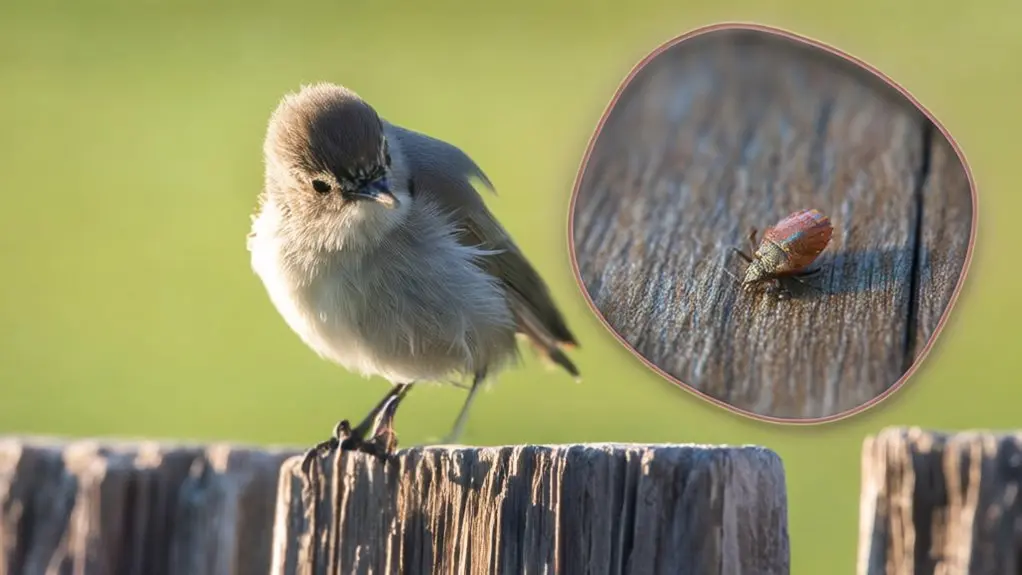
You might wonder if birds get bed bugs, but they actually host bird mites, tiny arachnids that feed exclusively on bird blood. Bed bugs prefer humans and rarely infest birds or their nests. Although, they can hitch rides on migrating birds or nest materials.
Bird mites live mainly in warm, humid nests and cause intense itching near birds’ heads. This is different from bed bugs, which target exposed human skin. Understanding these differences helps you better manage infestations.
It also lets you explore effective control methods ahead. So, knowing who you’re dealing with makes all the difference in handling the problem right.
Do Birds Get Bed Bugs Or Only Bird Mites?
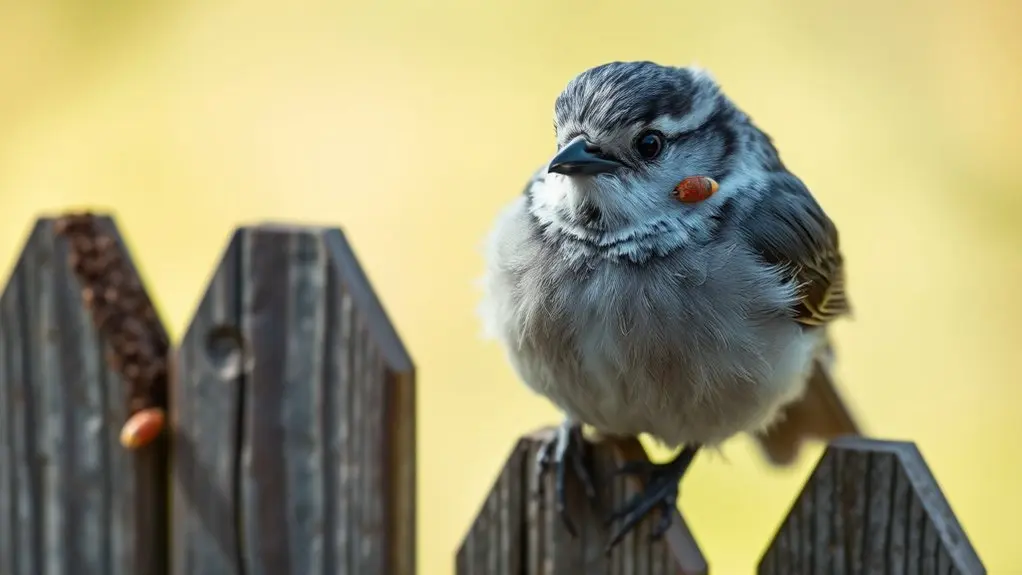
Although birds can host various parasites, they don’t get bed bugs. Instead, they carry bird mites, which are tiny, parasitic arachnids that feed specifically on bird blood.
Bird mites are avian parasites and are quite different from bed bugs. Bed bugs mainly feed on humans and rarely infest birds or their nests.
You should know that bird mites are oval-shaped and much smaller than bed bugs. Bed bugs are larger and have flat bodies.
Pest migration between birds and humans is unlikely because bed bugs prefer human hosts. Bird mites, on the other hand, specialize in parasitizing birds.
So, birds don’t serve as natural hosts for bed bugs. Just because you see bird mites doesn’t mean there’s a bed bug infestation.
This difference is really important when you’re trying to control pest problems effectively.
Where Bed Bugs And Bird Mites Live On Birds And Nests
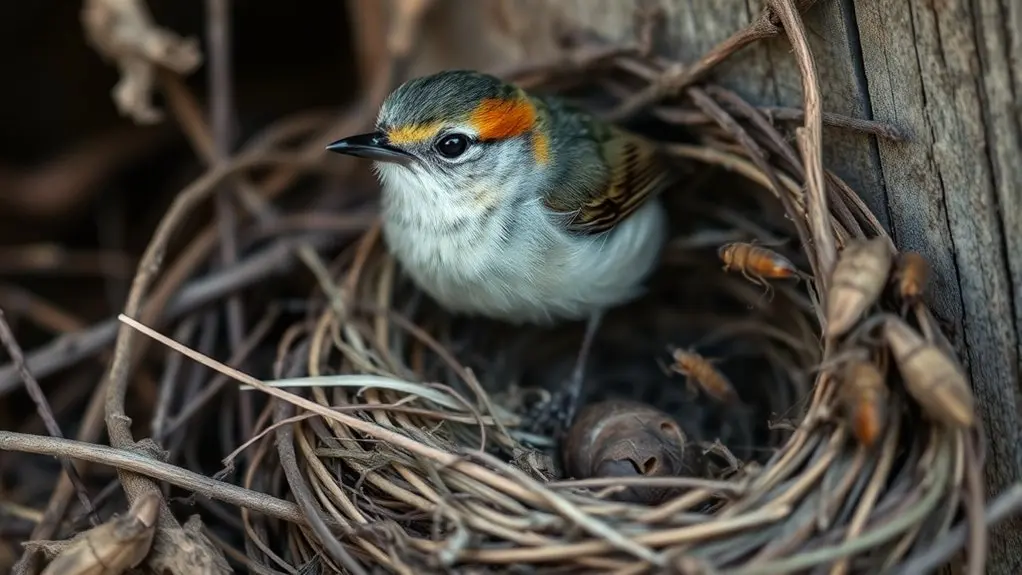
Understanding the differences between bird mites and bed bugs also involves knowing where these pests choose to live. Bird mites primarily inhabit feather nesting sites made up of feathers, dander, and organic debris. They feed directly on bird blood and thrive in warm, humid microenvironments within nests located in trees, eaves, or rafters.
Bed bugs, by contrast, can occupy bird nests near human dwellings. They hide in nesting materials or structural crevices. Both pests like the protective conditions provided by feather nesting and accumulated organic debris, which help support their development and reproduction.
Typically, they stay confined to nests or nearby areas. They only move when searching for a host or after the nest gets disturbed. Knowing these habitat preferences is key for effective pest management in bird environments.
Can Bed Bugs Hitch A Ride On Birds?
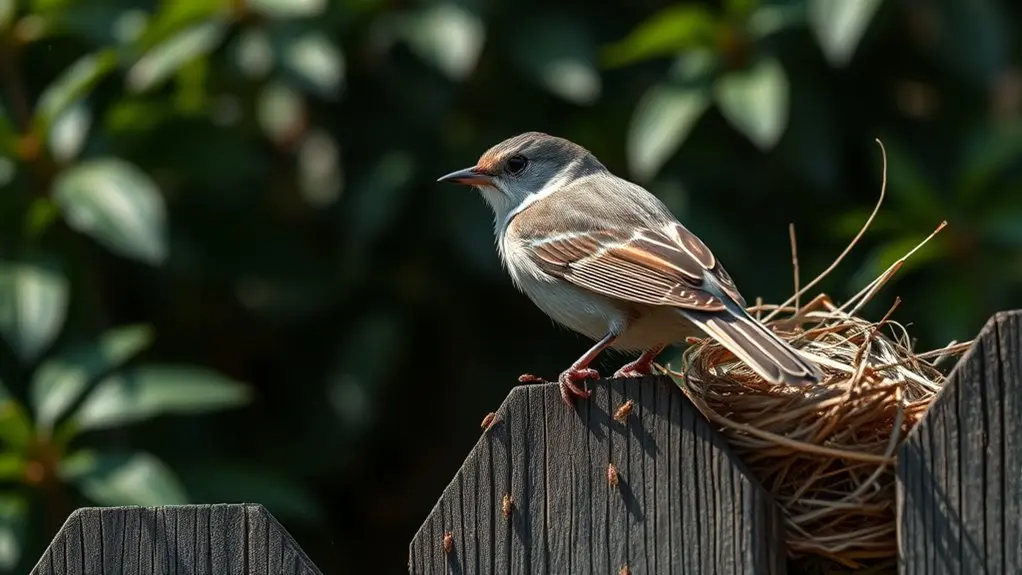
Since bed bugs primarily feed on humans and prefer warm-blooded mammals, they rarely establish permanent infestations on birds. However, they can hitch a ride on birds during bird migration or via contaminated nests. This incidental transportation allows bed bugs to move between environments but doesn’t result in long-term colonization on avian hosts.
You should understand that bed bugs exploit bird migration and nest contamination as secondary means of dispersal. They attach to feathers, nesting materials, or equipment near bird habitats, which helps them spread.
Key points include:
- Bed bugs don’t typically feed on birds or live permanently on them.
- Infested nests can temporarily harbor bed bugs, increasing contamination risk.
- Bird migration can inadvertently transport bed bugs across regions.
How To Identify Bed Bug Vs. Bird Mite Bites On Birds And Humans
You’ll usually spot bed bug bites on humans as small, red welts. They often show up in clusters on skin that’s exposed while you sleep.
On the other hand, bird mite bites tend to cause intense itching and red bumps, mostly around the legs and ankles.
When it comes to birds, bird mite bites are mostly found around the head, neck, and wings, especially near their nesting spots.
Bed bug bites on birds are pretty rare and usually happen close to where humans sleep.
Bite Mark Differences
Although both bed bugs and bird mites feed on blood, you can tell their bites apart by looking at the patterns and where they show up on the skin. Bed bug bites usually form clusters or lines and often appear on the face, neck, hands, and arms.
Bird mite bites, on the other hand, tend to be more scattered. They’re often found on exposed areas during sleep, like the neck and arms, and they might go away a bit faster.
When it comes to birds, bird mite bites near nesting sites can cause feather damage and some localized irritation. Bed bugs rarely bite birds, so that’s a good way to tell them apart.
Here are the key differences:
- Bed bug bites show multiple, patterned marks; bird mite bites are scattered.
- Bird mite bites happen more around bird nesting areas.
- Feather damage usually points to bird mites, not bed bugs.
Pest Behavior Comparison
Distinguishing between bed bug and bird mite bites requires careful observation of pest behavior on both humans and birds. Bed bugs feed for 3-10 minutes, primarily targeting exposed skin like arms and shoulders during sleep. They often leave visible blood spots or fecal stains. Their nesting behaviors focus on human environments and rarely involve birds.
In contrast, bird mites feed quickly and leave less visible evidence. They tend to bite around the head, neck, and face, especially near bird nesting areas. These mites thrive in attics or spaces with bird nests and actively feed on bird blood.
Bird mite bites often cause intense itching and a crawling sensation. Understanding these feeding habits and nesting behaviors helps you figure out which pest caused the bites. This is key to choosing the right treatment and prevention strategies for both humans and birds.
Preventing And Controlling Bed Bugs In Bird Habitats
When birds visit infested areas, they can unintentionally transport bed bugs into their nests. This increases the risk of infestation. To prevent and control bed bugs in bird habitats, focus on rigorous nest maintenance and use pest resistant materials.
Regularly inspect nests and promptly remove old or abandoned ones. Doing this helps disrupt bed bug colonization. Also, seal potential entry points around nesting sites to limit bed bug access.
Inspect and clear old nests regularly, and seal entry points to prevent bed bug colonization.
Key preventive measures include routine nest maintenance to eliminate potential bed bug harborage. You can also employ pest resistant materials to construct or reinforce nests. Sealing cracks and crevices near nesting areas blocks bed bug infiltration.
These strategies markedly reduce bed bug establishment. They ensure healthier bird habitats and minimize infestation risks without having to rely on chemical treatments right away.
When Should You Call In The Pros For Bird-Related Infestations?
If bird nests are located in difficult-to-access areas such as high roof spaces or chimneys, you should call in professionals to guarantee thorough removal and prevent mite infestations. Experts ensure complete nest removal, which is essential for maintaining proper avian hygiene and stopping parasite proliferation.
You should also seek professional help if you experience recurring bites or skin irritation near nesting sites, as this indicates ongoing infestations. Prolonged presence of nests elevates parasite risks, so expert intervention becomes necessary.
If your DIY efforts fail or infestations keep coming back, professional pest control offers an effective solution. Also, when infestations spread across multiple nesting sites or pose health risks to residents or pets, hiring experienced bird control specialists ensures safe and comprehensive management.
Prioritizing expert nest removal not only safeguards human health but also supports avian hygiene. It’s really the best way to handle these tricky situations.
Frequently Asked Questions
Can Bed Bugs Survive on Birds During Migration?
Bed bugs can’t survive on birds during migration because they’re not true feather parasites and can’t endure high temperatures or environmental stresses.
While they may hide temporarily in bird nests, they don’t establish lasting colonies on birds. So, even though they might tag along for a short time, they don’t really make birds their home.
Do Bed Bugs Affect Bird Health or Behavior?
You won’t find bed bugs substantially affecting bird health or behavior, as bird nesting and grooming efficiently minimize infestations. Bed bugs rarely establish, so their impact on birds remains negligible. There’s no evidence of lasting harm.
Birds are pretty good at keeping these pests in check, so it’s not really a big issue for them. Overall, bed bugs don’t seem to mess with birds much at all.
Are Certain Bird Species More Prone to Bed Bugs?
Like moths to a flame, bird species nesting near humans show distinct infestation patterns. You’ll find cavity-nesting pigeons and sparrows more prone.
On the other hand, remote-nesting hawks or waterfowl rarely face bed bug colonization. It’s interesting how location and nesting habits make such a difference.
Can Bed Bugs Transfer Diseases From Birds to Humans?
You won’t find bed bugs transferring diseases from birds to humans. These avian parasites mainly focus on feeding on birds and don’t act as vectors.
Bed bugs prefer human blood, which minimizes their role in cross-species disease transmission. So, the risk of them carrying diseases between birds and people is really low.
How Long Can Bed Bugs Live Without Feeding on Birds?
Bed bugs can live 3-4 months without feeding on birds, depending on temperature and humidity. Their feeding and nesting habits allow dormancy, conserving energy.
But if food is scarce, they might look for other hosts or just stay dormant in nests during those tough times. They’re pretty good at hanging in there when they need to.
Conclusion
You might be surprised to learn that while bed bugs rarely infest birds, over 70% of bird nests host bird mites, which can cause similar issues. Knowing this distinction helps you target the right pest control methods.
If you notice persistent bites or infestations near bird habitats, act promptly. Proper identification and timely treatment prevent widespread problems, protecting both birds and your home.
Don’t hesitate to consult professionals when infestations become severe or hard to manage. It’s always better to get expert help than let the problem grow.