
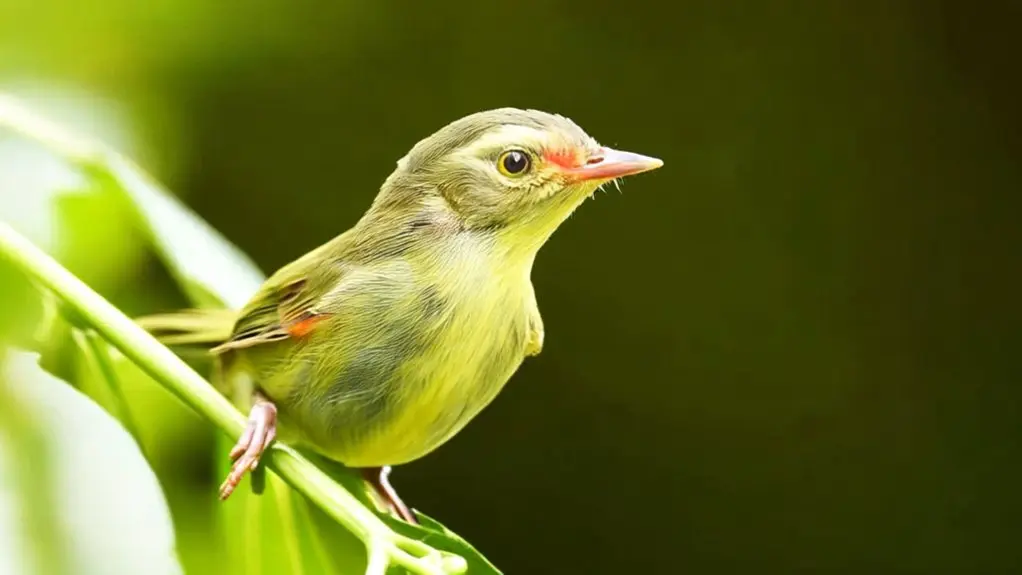
Yes, birds can get pink eye, which is called conjunctivitis. This condition inflames the delicate membranes around their eyes. It can be caused by bacteria, viruses, fungi, or irritants like dust and smoke.
You might notice redness, swelling, discharge, or even changes in your bird’s behavior. Getting an accurate diagnosis from a vet is really important. That way, treatment can be targeted effectively and complications can be avoided.
Keeping your bird’s habitat clean and providing proper nutrition also helps reduce the risks. Knowing these things will help you keep your bird’s eyes healthy and protected.
What Is Bird Pink Eye (Conjunctivitis)?
Although bird pink eye, or conjunctivitis, may seem minor, it involves inflammation of the conjunctiva, the mucous membrane covering the eye and eyelids. You need to understand that this condition, caused by bacterial, viral, or environmental irritants, can severely impact your bird’s feather health if left untreated.
Proper nutrition tips play a vital role in supporting your bird’s immune system, helping prevent infections like conjunctivitis. Maintaining a balanced diet rich in vitamins A and E boosts mucous membrane health, which is essential for protecting the eyes.
Signs and Symptoms of Bird Pink Eye
You’ll notice bird pink eye through clear signs like eye redness and swelling. It’s often accompanied by discharge, too.
Keep an eye out if your bird starts keeping its eyes partially closed or acts differently than usual. These changes usually mean your bird is uncomfortable.
Catching these symptoms early is really important so you can get your bird the treatment it needs right away.
Eye Redness And Swelling
When you notice your bird’s eyes appearing inflamed and bloodshot, accompanied by swelling of the eyelids or nearby tissues, these are clear signs of eye redness and swelling. These symptoms often indicate conjunctivitis, which can stem from infections, irritants, or allergies.
Swelling may cause the eyelids to partially or fully close, impairing your bird’s vision and comfort.
Pay close attention to any rapid eye color variations or unexpected feather condition changes near the eyes, as these can signal worsening inflammation.
Prompt veterinary evaluation is essential if redness and swelling develop quickly.
Monitoring these signs carefully helps you address pink eye early, preventing further discomfort and potential complications for your feathered companion.
Discharge And Behavior Changes
As pink eye progresses in birds, you’ll often notice watery or thick, crusty discharge accumulating around the affected eye. This eye watering signals irritation and infection, with discharge patterns varying from clear and watery to dense and crusty.
Behaviorally, affected birds may squint or keep the eye closed to shield it from light and discomfort. You might also see them rubbing or scratching at the eye with their foot, which shows they’re irritated.
These birds often reduce activity levels and seem reluctant to perch or forage because their vision is affected.
In viral conjunctivitis, the eye discharge and behavior changes usually get worse pretty quickly, often within just a few days.
Causes of Bird Pink Eye in Birds
You need to understand that bird pink eye primarily stems from infectious agents like viruses and bacteria. These pesky germs cause inflammation and swelling, making the bird’s eyes uncomfortable.
But it’s not just infections that can cause trouble. Environmental irritants, such as dust and chemical fumes, also play a big role by directly irritating the bird’s eyes.
Knowing these causes is key if you want to treat and prevent bird pink eye effectively.
Infectious Causes
Although various factors can cause pink eye in birds, infectious agents are among the most common and concerning. Viral transmission plays a significant role, with poxvirus and herpesvirus frequently causing viral conjunctivitis. This condition is characterized by swollen, crusted eyes and rapid symptom development.
Contagious pathogens like Mycoplasma gallisepticum, particularly in finches and other passerines, also cause bacterial conjunctivitis. These infections spread quickly through shared food, water, direct contact with infected birds, or contaminated environments.
You have to recognize these infectious causes early to prevent outbreaks and guarantee timely treatment.
Understanding how these pathogens operate helps you manage bird populations effectively and minimizes the risk of widespread pink eye. Prompt intervention and strict hygiene are essential to control the spread of these contagious diseases in aviaries.
Environmental Irritants
When birds encounter environmental irritants like dust, smoke, or strong odors, their sensitive eyes can quickly develop conjunctivitis. Exposure to household chemicals, aerosol sprays, or scented candles causes mechanical irritation, leading to pink eye.
Poor ventilation and high airborne pollutants worsen ocular inflammation, especially in indoor birds or aviaries.
Sharp cage materials and environmental debris may physically injure eyes, triggering secondary infection.
Sudden environmental changes or contaminated objects increase irritant exposure, raising conjunctivitis risk.
To protect your bird’s eye health, assure proper UV protection and maintain good habitat enrichment. This includes controlling airborne irritants, providing safe perches, and improving ventilation.
How Bird Pink Eye Is Diagnosed and Treated
Because bird pink eye can stem from various causes, a precise diagnosis is crucial for effective treatment. When you bring your bird to an avian veterinarian, they’ll perform a detailed ocular examination, often using fluorescein staining and cytology to detect damage and infection.
They may take swabs to identify bacterial, viral, or fungal pathogens and assess symptoms like discharge, swelling, and crusting.
The vet also considers factors like genetic predisposition and dietary influences, which can affect susceptibility and healing. In some cases, blood work or imaging helps rule out systemic illnesses contributing to the eye condition.
This all-encompassing approach ensures the vet selects the most appropriate treatment, whether antibiotics, antivirals, or supportive care, tailored specifically to your bird’s diagnosis.
Natural and Conventional Treatments for Bird Pink Eye
Effective treatment of bird pink eye involves a combination of natural remedies and conventional medications tailored to the underlying cause. Conventional options often include antibiotic sprays targeting bacterial or mycoplasma infections, prescribed by your veterinarian.
Treating bird pink eye combines natural remedies with vet-prescribed antibiotics for effective, tailored care.
Natural treatments, like grapefruit seed extract added to drinking water or neem leaf tea sprays, can support recovery when applied twice daily for about ten days. While some bird owners see rapid improvement with these natural methods, they’re best used alongside professional guidance, not as replacements.
Incorporating bird dietary supplements can strengthen your pet’s immune response during treatment.
Additionally, maintaining strict cage hygiene practices is vital to prevent reinfection and promote healing.
Consistent monitoring and adherence to both natural and conventional protocols will give your bird the best chance at a swift recovery.
Preventing and Managing Bird Eye Infections
Although bird eye infections can develop quickly, you can greatly reduce their occurrence through vigilant prevention and early management. Start by maintaining proper hygiene. Disinfect bird feeders regularly and quarantine new arrivals to prevent the spread of conjunctivitis.
Supporting eye health is important too. Provide a balanced diet rich in vitamin A, which promotes healthy tissue and vibrant feather coloration. Be mindful of nesting habits and make sure nesting areas are clean and free from irritants like smoke or aerosols that can trigger infections.
Keep a close eye on your birds for signs such as eye redness, swelling, or discharge. Early detection allows for prompt treatment, which helps minimize risks of blindness or death.
Finally, schedule regular veterinary check-ups and watch for any behavior changes to manage infections effectively before they get worse.
Taking these steps will help safeguard your birds’ eye health and overall well-being.
Frequently Asked Questions
Can Bird Pink Eye Spread to Humans or Other Pets?
Bird pink eye rarely spreads to humans or pets. You should focus on cage hygiene and a proper bird diet to keep your bird healthy and minimize infection risks.
Always wash your hands after handling birds or cleaning cages. It’s a simple step that really helps prevent any germs from spreading. Keeping things clean is key to your bird’s health and your family’s safety.
How Long Does Bird Conjunctivitis Typically Last?
You’ll find bird conjunctivitis usually wraps up within one to two weeks. By maintaining bird hygiene and using diagnostic methods, you can speed recovery.
But if symptoms stick around, it’s important to get a vet’s expert attention. That way, you can make sure your feathered friend fully heals.
Are Certain Bird Species More Prone to Pink Eye?
Yes, you’ll find finches, parrots, and canaries more prone to pink eye. Maintaining feather health and beak hygiene helps reduce risk.
This is especially important since these species often face crowded conditions and environmental irritants affecting their eyes. Taking care of their surroundings can make a big difference.
Can Environmental Factors Worsen Bird Pink Eye Symptoms?
Of course, you’d want environmental triggers like smoke and dust to worsen your bird’s pink eye, right? These irritants only fuel bacterial infections, prolonging misery. You must control surroundings to help your bird heal effectively.
Keeping the environment clean and free of irritants is key. It really makes a difference in how quickly your bird recovers. So, paying attention to air quality and cleanliness is a must.
Is Bird Pink Eye Contagious Between Wild and Pet Birds?
Yes, bird pink eye spreads easily between wild and pet birds. You must maintain strict avian hygiene and monitor bird diet to strengthen immunity. This helps minimize contact and prevent contamination through shared feeders or water sources.
Keeping things clean and watching what your birds eat really makes a difference. It’s all about reducing the chances of the infection moving from one bird to another. So, stay on top of hygiene and feeding habits to keep your feathered friends healthy.
Conclusion
Now that you know birds can experience pink eye, it’s clear their delicate windows to the world need gentle care. By recognizing subtle signs early and seeking proper treatment, you can help keep their vision bright and clear.
Remember, prevention is your best ally. Maintain a clean environment and monitor your feathered friends closely.
With attentive care, you’ll guarantee their eyes stay as vibrant as their songs, free from the shadow of infection.