
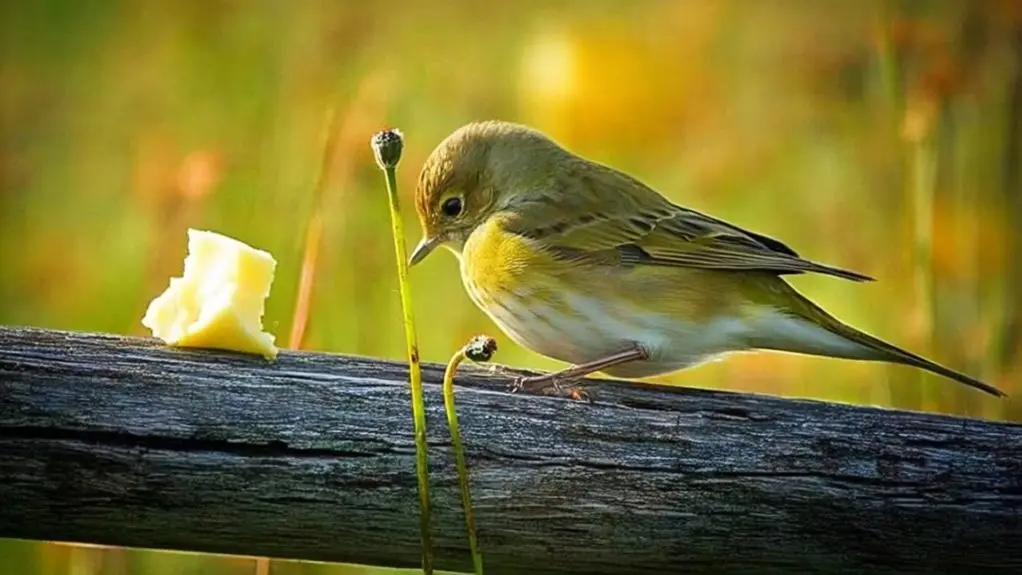
You shouldn’t feed butter to birds because its high saturated fat, salt, and cholesterol can harm their cardiovascular and kidney health. Butter’s dairy fats are tough for birds to digest, leading to digestive upset, obesity, and dull feathers.
It offers minimal nutrition and poses risks if given regularly or in large amounts. While small occasional servings might be tolerated by some species, it’s best avoided.
If you want to keep your bird healthy, explore safer dietary choices. Also, learn the signs of butter-related health issues in birds so you can spot any problems early.
Why Butter Is Unsafe for Birds
Although butter might seem like a harmless treat, you should avoid giving it to birds because its high saturated fat and cholesterol levels can severely impact their cardiovascular health.
Butter contains dairy fats and proteins that birds struggle to digest, potentially causing gastrointestinal distress. Its high salt content risks dehydration and kidney damage, further compromising their well-being.
Butter’s dairy fats and salt can cause digestive issues and kidney harm in birds.
Unlike nutrients essential for bird feathering and nest building, butter offers no benefits, making it an unnecessary dietary addition.
Feeding birds butter may also promote obesity, which impairs mobility and overall health.
By understanding these risks, you can prevent harm to birds and support their natural physiological processes, including feather maintenance and nest construction, which are crucial for survival and reproduction.
Avoid butter to safeguard their health effectively.
What Butter Does to Your Bird’s Health
When you feed butter to your bird, you introduce high levels of saturated fats and cholesterol that can quickly impair its cardiovascular system. Butter’s excessive dietary fats contribute to abnormal bird fat accumulation, leading to obesity and fatty liver disease.
Butter lacks essential nutrients, offering no dietary value. Plus, processed varieties often contain salt and preservatives that may be toxic. These factors collectively compromise your bird’s metabolic health and organ function.
| Impact on Bird Health | Explanation |
|---|---|
| Cardiovascular Stress | Saturated fats increase heart risk |
| Obesity | Excess dietary fats accumulate |
| Fatty Liver Disease | Excess bird fat damages liver |
| Toxicity Potential | Salt and preservatives harmful |
Recognizing Butter-Related Health Issues
Understanding how butter impacts your bird’s health helps you identify the warning signs that may indicate butter-related complications. Regular consumption of butter, rich in saturated fats and cholesterol, can lead to obesity and fatty liver disease. This can impair your bird’s metabolic functions.
Butter’s saturated fats and cholesterol can cause obesity and liver issues, disrupting your bird’s metabolism.
You might notice changes in feather grooming, such as dull or unkempt feathers. These can signal nutritional imbalances. Also, the salt and preservatives in butter can disrupt bird hydration, causing dehydration and kidney stress.
Reduced water intake or lethargy may be early indicators. Butter’s high fat content can interfere with nutrient absorption too, which further affects overall health.
Keeping an eye on these symptoms lets you act quickly to prevent serious cardiovascular or metabolic issues linked to butter intake.
Avoiding butter helps your bird maintain excellent feather condition and stay well hydrated. It’s definitely worth keeping butter out of their diet for their overall well-being.
Butter vs. Peanut Butter: What’s Safe for Birds?
You should know that butter is safe in small amounts, but it’s pretty high in fat. If birds get too much, it can lead to obesity.
On the other hand, peanut butter has proteins and healthier fats, so it’s actually a better occasional treat.
That said, both butter and peanut butter should only be given sparingly to keep your bird’s diet balanced.
Butter Safety Concerns
How safe is butter compared to peanut butter for your pet bird? Butter toxicity is generally low if given sparingly, but you should still watch out for dietary restrictions because of its high saturated fat content.
Butter doesn’t have the protein and healthy fats that peanut butter does, so it’s not as good nutritionally.
Eating too much butter can lead to obesity and other health problems in birds, so it’s best not to feed it regularly.
While there aren’t any documented cases of butter toxicity, its sticky texture might cause a minor ingestion hazard if your bird eats a lot.
To keep your bird healthy, focus on feeding species-appropriate foods.
Treat butter as an occasional, tiny treat rather than a regular part of their diet.
This way, you reduce health risks and practice responsible avian care.
Peanut Butter Benefits
While butter poses certain nutritional drawbacks and potential health risks for pet birds, peanut butter offers a different profile that can be beneficial when selected and fed properly. Bird-safe peanut butter, free from added sugars, salts, and artificial ingredients, provides a protein-rich supplement to a diet primarily consisting of bird seed. Its thick consistency reduces choking risks, as birds naturally peck small amounts rather than consuming large bites.
Both high-quality and inexpensive varieties are safe, provided they’re fresh and unspoiled. Additionally, peanut butter can be used sparingly as an energy source during nesting periods, complementing nesting materials by supporting the bird’s increased metabolic demands.
Moderation is key to prevent digestive upset, making peanut butter a practical and safe dietary addition compared to traditional butter. So, if you’re thinking about adding peanut butter to your bird’s diet, just keep it simple and don’t overdo it. A little goes a long way!
Essential Fats Birds Need for a Healthy Diet
Because birds can’t efficiently produce essential fatty acids on their own, they must obtain omega-3 and omega-6 fats through their diet to support healthy cell function and brain development. These fats play a key role in maintaining bird feathering quality, skin integrity, and ideal immune response.
Natural dietary sources like seeds, nuts, and certain insects provide a balanced fatty acid profile essential for these functions.
When dietary intake falls short, you might observe feather deterioration and increased susceptibility to illness. While dietary supplements can help guarantee adequate fat levels, you should avoid excessive supplementation, as it may lead to obesity and related health problems.
Understanding these nutritional requirements helps you maintain your bird’s health with an appropriate balance of essential fats, supporting longevity and vitality.
Safe Alternatives to Butter for Birds
Although birds may benefit from fats in their diet, you should avoid giving them regular butter because it has high salt and preservative content. Instead, choose safe alternatives that provide essential nutrients without risking bird food allergies or exposure to artificial additives.
It’s best to prioritize natural ingredient sourcing to minimize health risks and ensure the diet is suitable. Some good options include unsalted, natural fruit purees or mashed vegetables like sweet potato or avocado. Just use avocado cautiously since some birds might be allergic.
You can also try pure, unsweetened nut butters like almond or peanut butter, but make sure they don’t have added sugars or salts. Fresh, natural seeds and nuts are another great choice because they supply healthy fats without preservatives.
Introduce these alternatives gradually and watch your bird closely for any adverse reactions. That way, you can keep your feathered friend in top health.
Is It Okay to Give Butter Sometimes?
You can give birds small amounts of butter occasionally without causing immediate harm. However, it’s not really a natural part of their diet and might lead to digestive issues.
Since butter is high in fat and cholesterol, feeding it too often could contribute to health problems. So, it’s usually better to stick with natural fats from seeds or nuts instead of making butter a regular treat.
Butter Safety For Birds
How safe is it to offer butter to your bird occasionally? Butter isn’t toxic, but its high fat content means you should limit how often you give it.
While it won’t directly harm bird feathering or nest building, excessive fat intake can impair overall health, which can indirectly affect these functions.
Choose unsalted, natural butter to avoid preservatives and added salt. These extras might stress your bird’s system.
Remember, birds’ digestive tracts aren’t made for frequent high-fat dairy consumption, so moderation is really key.
Consider these safety points:
- Use only small amounts to prevent obesity and fatty liver disease.
- Avoid butter with added salt or preservatives.
- Recognize that butter offers minimal nutritional value for feathering or nest building.
Keep butter as an occasional treat, not a dietary staple.
Occasional Butter Feeding
Understanding butter’s safety for birds naturally leads to questions about how often it can be offered without harm. You can give butter occasionally in very small amounts since it’s not toxic. But excessive feeding risks obesity and digestive upset because of its high fat content.
Butter digestion varies among species; some birds may tolerate it better than others. Remember, butter holds no essential nutrients for birds, so prioritize natural diets. Also, bird preference for butter is generally low, which reflects its unsuitability.
| Aspect | Consideration |
|---|---|
| Butter Digestion | May cause minor upset if frequent |
| Bird Preference | Usually low, not a natural food |
| Feeding Frequency | Occasional, sparing amounts best |
How to Feed Birds a Balanced Diet Without Butter
Although butter might seem like a tempting treat, it offers no nutritional benefit for birds and can actually hinder their digestion. To maintain ideal feather coloration and support natural nesting habits, you need to provide a balanced diet free from harmful fats like those in butter.
Focus on nutrient-rich foods that promote overall health and vitality.
Include these key dietary components:
- Seeds and pellets: Provide essential proteins and fats for energy and feather development.
- Fresh fruits and vegetables: Supply vitamins and antioxidants essential for immune function and feather quality.
- Nuts and seeds in moderation: Offer healthy fats that support metabolism without the risks linked to saturated fats in butter.
When to Consult a Vet About Butter and Bird Diet Concerns
If you notice any signs of digestive upset, lethargy, or unusual behavior after your bird consumes butter, you should consult a veterinarian promptly. These symptoms may indicate toxicity or allergic reactions that require immediate attention.
Also, if you’re unsure about the safety or quantity of butter suitable for your bird’s diet, it’s a good idea to seek professional advice. This helps avoid nutritional imbalances that could harm your feathered friend.
A vet can assess your bird’s overall health, including important things like feathering and nesting behavior. These areas can be affected by dietary inconsistencies, so regular check-ups are really helpful.
Frequently Asked Questions
Can Butter Cause Allergies in Certain Bird Species?
Yes, butter can cause allergies in certain bird species because their bird digestion struggles with its high fat content. You’ll notice symptoms like respiratory issues or skin irritation if they react adversely to dairy components.
It’s important to keep an eye on your bird if you introduce anything new to their diet. Some birds are more sensitive than others, so better safe than sorry!
How Does Butter Affect Wild Birds Versus Pet Birds?
You’ll find butter negatively impacts bird dietary health differently. Wild birds rarely consume it, which puts them at risk of toxicity. On the other hand, pet birds often face obesity and liver issues from eating butter.
Instead, offer safer alternatives like seeds or fruits. These options provide more balanced nutrition for your feathered friends. It’s a much better way to keep them healthy and happy.
Are There Any Historical Uses of Butter in Bird Care?
Butter’s melting point didn’t warm bird care historically, as you’ll find no records using it. Given the bird digestive system’s sensitivity, butter posed risks without benefits, so it never became part of traditional avian feeding practices.
Honestly, it just wasn’t a thing people did. Birds have delicate tummies, and butter could do more harm than good. So, it stayed out of the bird care game altogether.
What Should I Do if My Bird Accidentally Eats Butter?
If your bird accidentally eats butter, keep a close eye on how it reacts, especially for any digestive problems.
Take the butter away right away and think about using safer alternatives like spreads that don’t contain avocado.
If you notice symptoms such as diarrhea or your bird acting unusually tired, don’t wait—reach out to an avian vet as soon as possible.
Can Butter Interact With Bird Medications or Supplements?
Butter generally doesn’t cause toxicity or interact considerably with bird medications. But since birds have specific dietary restrictions, you really shouldn’t feed it to them regularly.
It’s always a good idea to check with your avian vet first. This helps avoid any potential issues with absorption or digestion, especially when supplements are involved.
Conclusion
Imagine your bird’s vibrant feathers shimmering with health, fueled by the right nutrients, not butter’s harmful fats. Butter can disrupt their delicate metabolism and cause serious health issues.
Instead, focus on providing essential fats from safe sources to support their well-being. By avoiding butter and choosing balanced, species-appropriate foods, you guarantee your feathered friend thrives.
If ever in doubt, consulting a vet will help keep your bird’s diet both safe and nourishing.