
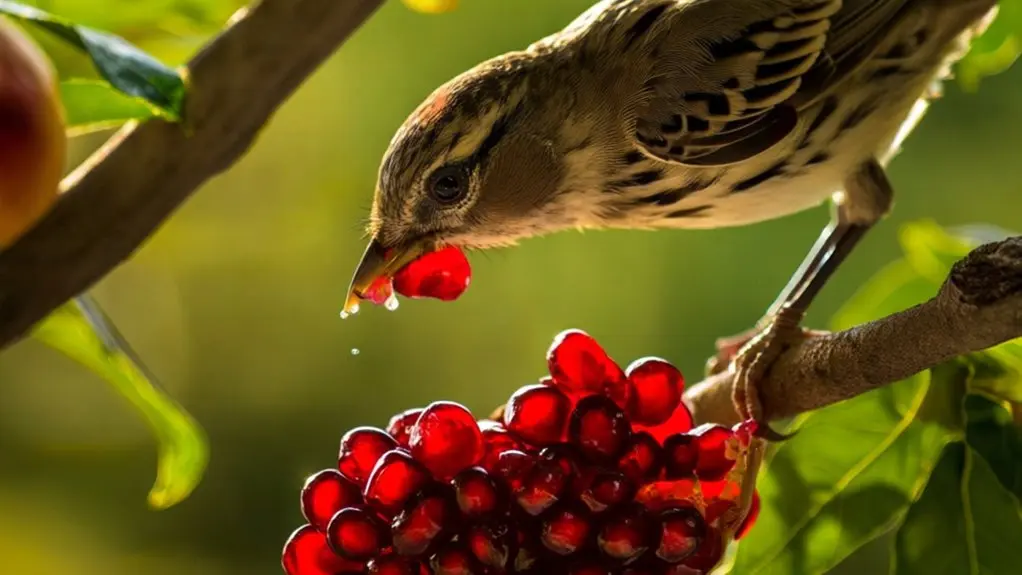
Yes, you can give your bird pomegranate seeds safely, but only in moderation and with gradual introduction. Make certain the seeds are fresh, clean, and free from mold or pesticides. Watch closely for any digestive or allergic reactions, especially if your bird has health issues.
Avoid overfeeding, as excessive intake may cause gastrointestinal problems or toxicity. It’s essential to consult an avian vet to tailor portion sizes and guarantee your bird’s well-being. Understanding these precautions will help you manage your bird’s diet effectively.
Are Pomegranate Seeds Safe for Birds?
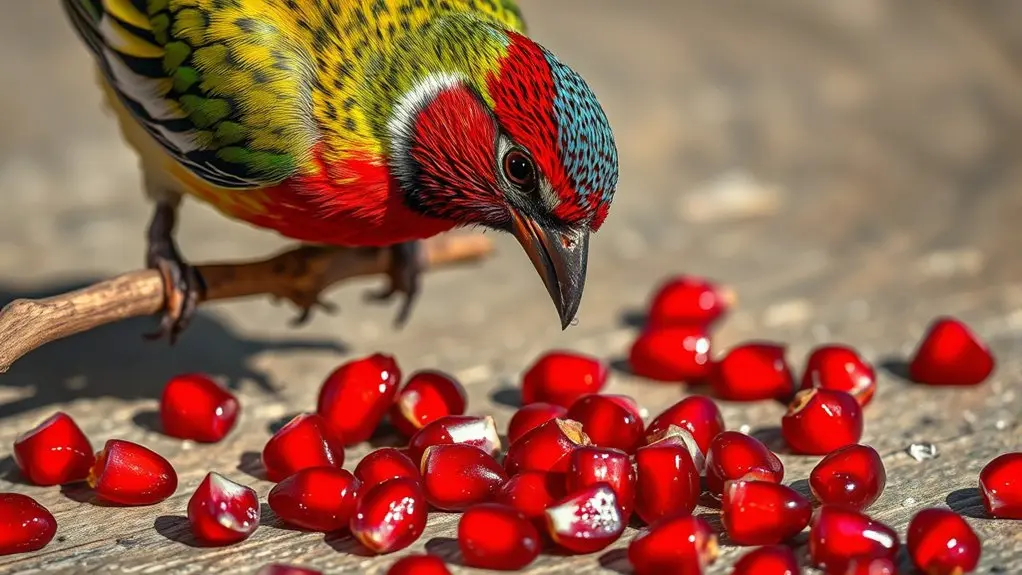
Although pomegranate seeds are generally safe for birds when given in moderation, you should introduce them gradually to monitor for any digestive issues. Seed toxicity is minimal with pomegranate seeds, but overfeeding can lead to gastrointestinal discomfort due to their hard texture.
Proper seed preparation is essential. Remove any moldy or spoiled seeds to prevent harmful microbial exposure. The juicy pulp surrounding the seeds contains antioxidants and nutrients beneficial to birds, but the seeds themselves require careful offering.
How Should You Feed Pomegranate Seeds to Your Bird?
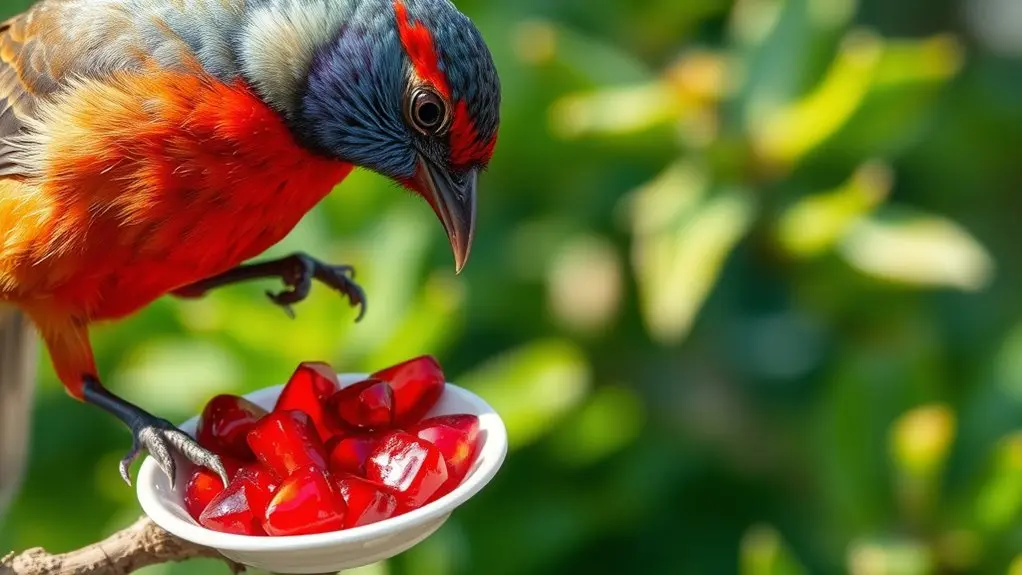
When feeding pomegranate seeds to your bird, start by making sure the seeds are fresh, thoroughly cleaned, and free of pesticides. This helps avoid any contamination that might harm your feathered friend. It’s always better to be safe than sorry!
Serve the seeds at room temperature because extreme temperatures can change the seed’s texture and make them less appealing. Offer small, manageable portions to prevent choking or overconsumption.
The seeds have a firm yet juicy texture, so keep an eye on how your bird responds to them.
You can give the seeds directly or mix them into a fruit salad. Just be sure to watch for any signs of adverse reactions.
After feeding, remove any leftover seeds quickly to prevent mold or spoilage, which could be harmful to your bird. This way, you keep feeding safe and hygienic while preserving the nutritional benefits.
What Nutrients Do Pomegranate Seeds Provide Birds?
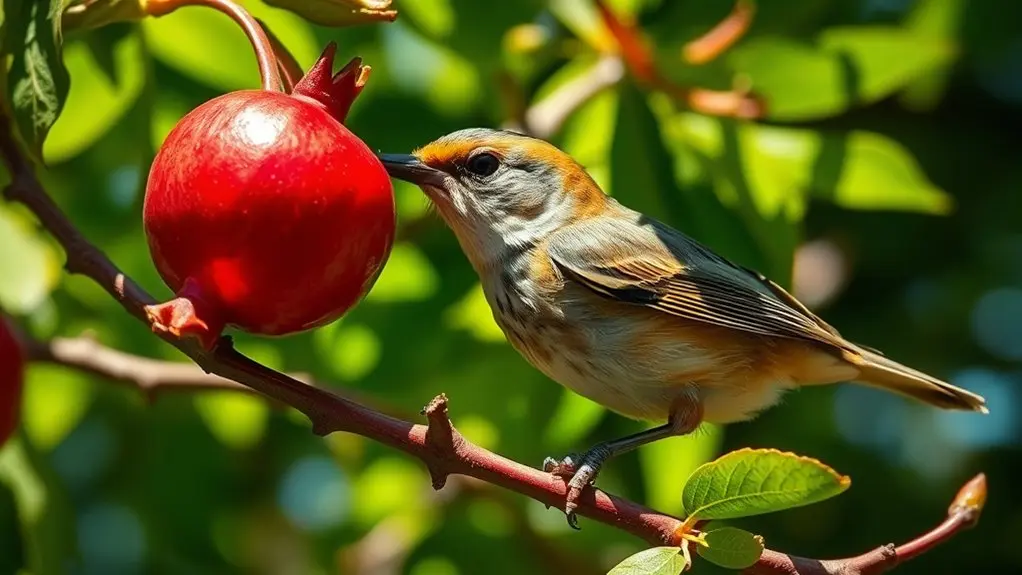
After ensuring safe feeding practices, understanding the nutritional benefits of pomegranate seeds can help you make informed decisions about including them in your bird’s diet. Pomegranate seeds offer valuable seed nutrition that aligns well with bird dietary needs.
Specifically, these seeds provide antioxidants and vitamin C, which enhance immune function and protect cells from oxidative stress. They also contain natural sugars, serving as a quick energy source essential for active birds like parrots.
Pomegranate seeds boost immunity with antioxidants and vitamin C while providing quick energy through natural sugars.
Plus, there are trace minerals such as potassium and magnesium, crucial for maintaining electrolyte balance and supporting metabolic processes.
Incorporating pomegranate seeds thoughtfully supplies your bird with essential nutrients that promote overall health. Just remember, moderation is key because of their nutrient density.
This way, your bird enjoys the benefits without risking digestive upset.
What Happens If Birds Eat Too Many Pomegranate Seeds?
If your bird munches on too many pomegranate seeds, you might see some digestive troubles like diarrhea or tummy discomfort. That’s mainly because of the tannins in the seeds.
Eating a lot of them can also throw off your bird’s nutrient balance, especially if the seeds start to replace their regular, more nutritious foods.
Digestive Issues Risk
Although pomegranate seeds offer nutritional benefits, consuming them in excess can cause significant digestive issues in birds. Excessive intake may lead to seed toxicity, negatively impacting digestive health through irritation and imbalance. You should be aware of the following risks:
- Gastrointestinal blockages: The high fiber content can cause obstructions, leading to discomfort and impaired digestion.
- Digestive irritation: Tannins and other compounds in seeds may inflame the digestive tract, causing pain and diarrhea.
- Metabolic disruption: Natural sugars in seeds, when overeaten, can upset digestive balance and increase risks of obesity or insulin-related problems.
It’s important to monitor how many seeds your bird is eating. This helps prevent these problems and keeps their digestive health in check. Just a little goes a long way!
Nutrient Imbalance Effects
When birds consume too many pomegranate seeds, they disrupt their nutrient balance, which can negatively affect their digestive system and overall health. Seed toxicity from excessive sugars, acids, and fiber causes gastrointestinal upset and interferes with vitamin and mineral absorption. This dietary imbalance can lead to weight gain and deficiencies in crucial nutrients like calcium and protein.
| Effect | Cause | Impact |
|---|---|---|
| Gastrointestinal upset | High fiber and antioxidants | Diarrhea or constipation |
| Nutrient absorption | Seed toxicity | Reduced uptake of vitamins/minerals |
| Weight imbalance | Excess sugars and fats | Obesity, nutrient deficiencies |
Keeping a good dietary balance helps prevent these problems. It makes sure birds get the essential nutrients they need without any harm.
How to Tell If Your Bird Has a Reaction to Pomegranate Seeds
Because birds can react differently to new foods, you should carefully monitor their behavior and physical condition after introducing pomegranate seeds. Pay attention to how your bird manages seed crushing. Difficulty with this may indicate discomfort.
Also, keep an eye on your bird’s feathering for signs of stress or nutritional imbalance.
To detect a reaction, focus on these key indicators:
- Vomiting, diarrhea, or reduced activity levels. These suggest gastrointestinal distress.
- Swelling, labored breathing, or other respiratory difficulties. These could mean an allergic response.
- Changes in droppings like color, consistency, or frequency. These may reveal digestive upset.
Introduce pomegranate seeds gradually and in small amounts to see how your bird tolerates them. Catching any issues early means you can get your bird care quickly and prevent complications.
When Should You Talk to an Avian Vet About Feeding Pomegranate Seeds?
You should definitely talk to an avian vet if your bird starts showing signs of digestive upset, allergic reactions, or any unusual behavior after eating pomegranate seeds.
It’s especially important to reach out if your bird has pre-existing conditions like diabetes or obesity. In those cases, a vet can help recommend safe portion sizes and how often you should be feeding them.
Regular check-ins with a vet are a great way to make sure your bird’s diet stays balanced and to prevent any potential health issues before they start.
Signs Of Dietary Issues
Although pomegranate seeds offer nutritional benefits, feeding them improperly or in excess can cause dietary issues in birds that require veterinary attention. Changes in bird behavior or dietary behavior often signal underlying problems. You should monitor your bird closely for:
- Digestive upset such as diarrhea or vomiting after consuming seeds, indicating intolerance or contamination.
- Signs of nutrient imbalance, including poor feather condition, abnormal droppings, or feather plucking, reflecting dietary inadequacy.
- Lethargy or unexpected weight gain, which may result from excessive sugar and fiber intake affecting metabolism.
If any of these signs persist, consult an avian vet promptly. Early recognition of dietary issues based on behavioral and physiological changes allows for timely intervention, preventing severe health complications.
When To Seek Help
If your bird shows signs of digestive upset, allergic reactions, or behavioral changes after eating pomegranate seeds, it’s important to consult an avian vet right away. Symptoms like vomiting, diarrhea, or lethargy could mean the seeds are causing toxicity or some kind of adverse reaction that puts your bird’s health at risk.
You should also reach out to a vet if you notice any unusual signs after your bird eats pomegranate seeds. This is especially true if your bird has a history of health problems that might get worse with new foods.
When you’re unsure about how safe pomegranate seeds are or what portion size is appropriate for your bird species, it’s a good idea to contact an avian specialist.
And if your bird eats a large amount of seeds, getting immediate veterinary advice is crucial to avoid possible toxicity and keep your bird healthy.
Vet Consultation Benefits
When your bird consumes pomegranate seeds, consulting an avian vet can clarify appropriate portion sizes and feeding frequency tailored to your bird’s species and health status. Veterinary guidance is vital to guarantee safe integration of these seeds into your bird’s diet.
A thorough health assessment helps identify any pre-existing conditions that might contraindicate pomegranate seed consumption.
You should seek veterinary advice especially if your bird displays digestive upset, allergic reactions, or behavioral changes post-consumption. It’s always better to be safe and get professional input when introducing something new to your bird’s menu.
Consider consulting an avian vet for:
- Confirming pomegranate seed suitability for your specific bird species.
- Determining safe portion sizes and feeding intervals.
- Evaluating interactions with medications or underlying health issues.
This approach maximizes nutritional benefits while minimizing risks. It’s all about ensuring your bird’s wellbeing.
Frequently Asked Questions
Can Wild Birds Safely Eat Pomegranate Seeds?
Yes, you can safely offer wild birds pomegranate seeds, as they pose no seed toxicity risk. They provide beneficial bird nutrition, including antioxidants and fiber.
Just make sure to feed them fresh, pesticide-free seeds in moderation for ideal health. It’s a tasty treat that birds can enjoy without any worries.
Do Pomegranate Seeds Affect Different Bird Species Differently?
Like a Victorian naturalist exploring new worlds, you’ll find pomegranate seed toxicity varies by bird seed compatibility. Different species metabolize compounds uniquely, so some tolerate seeds well while others risk digestive distress or toxicity.
It’s pretty fascinating how what’s safe for one bird might not be for another. So, if you’re feeding birds, it’s good to know which ones can handle pomegranate seeds and which should probably avoid them. This way, you can keep your feathered friends happy and healthy.
Are Dried Pomegranate Seeds Safe for Birds?
You can safely offer dried pomegranate seeds to birds in small amounts. Just make sure to use proper seed removal techniques to prevent choking.
These seeds have good nutritional benefits, which can be a nice treat. But don’t go overboard—feeding too much might cause digestive issues.
Can Pomegranate Juice Be Given to Birds?
You can give pomegranate juice to birds in small, diluted amounts as a treat, but avoid replacing their bird diet.
Make sure to monitor seed digestion and acidity sensitivity. Introduce the juice gradually to prevent digestive upset or obesity in sensitive species.
It’s always best to keep an eye on how your bird reacts when trying new foods like this.
How Often Can Birds Have Pomegranate Seeds as Treats?
You shouldn’t worry about sugar content if you limit pomegranate seeds to once or twice weekly.
For balanced bird nutrition, rotate seed alternatives like millet or sunflower. These provide antioxidants and help prevent digestive issues effectively.
Conclusion
Feeding pomegranate seeds to your bird can be a nutritional treasure chest when done right. Like a carefully calibrated experiment, moderation is key to avoiding any adverse effects. You should introduce seeds gradually and keep an eye on your bird’s reactions.
Make sure to maintain balanced portions to keep things safe. If you notice any unusual symptoms, it’s best to check in with an avian vet quickly. Think of pomegranate seeds as a helpful supplement, not a main meal.
By doing this, you’re supporting your bird’s health with informed precision. It’s all about giving your feathered friend the benefits without overdoing it.