
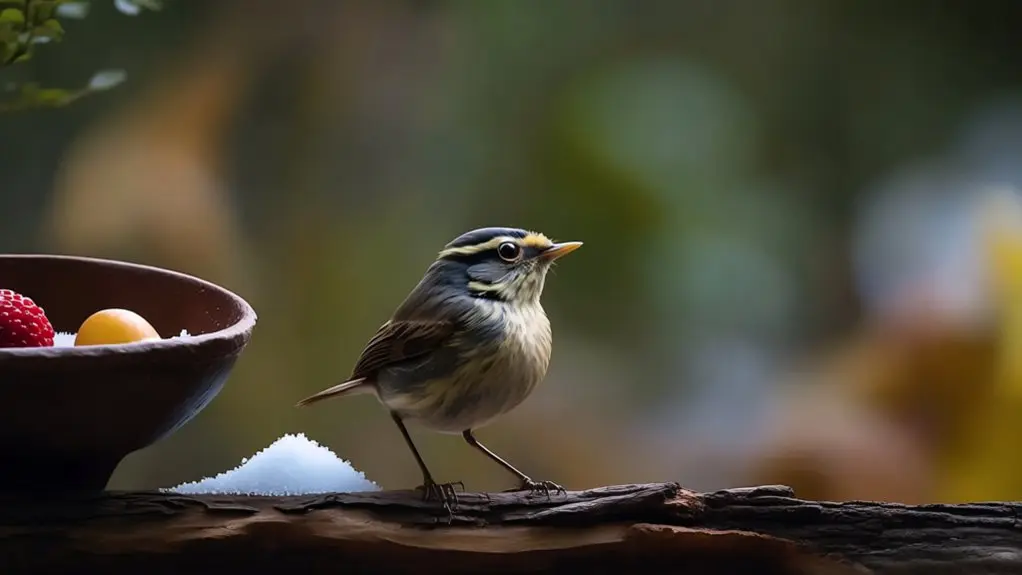
You can offer birds small amounts of sugar safely by using pure white granulated sugar dissolved in water. Avoid brown or raw types and artificial sweeteners. Proper preparation and cleaning help prevent health risks like obesity, organ strain, and dependency.
Natural sugars from fruits and native plants better support their metabolism and energy needs, especially during migration. Feeding guidelines help protect birds’ health and behavior.
Understanding these practices and alternatives enhances your ability to support bird nutrition responsibly. It’s all about giving them what they need without causing harm.
How To Prepare Sugar Water And Jelly For Birds
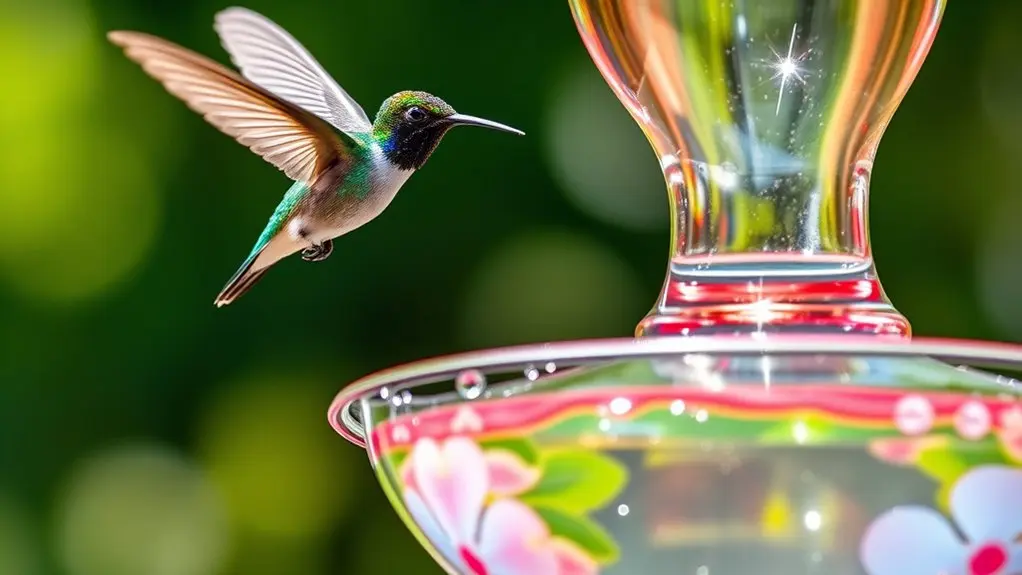
When preparing sugar water for birds, you should mix one part white granulated sugar with four parts water to create a basic nectar solution. This ratio mimics natural nectar concentrations found in many bird habitats, supporting their energy needs effectively.
During colder months, adjust the mixture to three parts water for enhanced cold resistance. This helps accommodate seasonal variations that affect birds’ feeding behavior and metabolism.
In colder months, reduce water to three parts for better nectar cold resistance and bird metabolism support.
Always dissolve the sugar thoroughly, preferably using boiling water to eliminate impurities. This ensures safety and quality.
Avoid using brown, raw, or organic sugars, as these can introduce harmful substances. Store any unused nectar in the refrigerator for no longer than one week, although freshly prepared solutions are ideal.
Refrain from adding artificial dyes or sweeteners, which are unnecessary and potentially toxic to birds within their natural habitat. It’s best to keep it simple and natural!
Best Practices For Feeding Birds Sugar And Jelly Safely
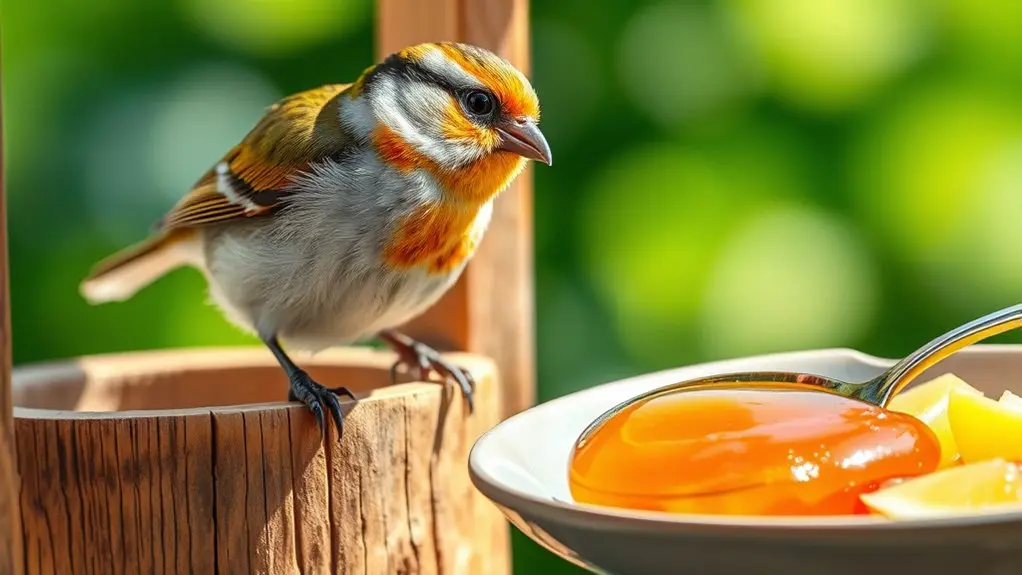
Although feeding birds sugar and jelly can provide supplemental energy, you must prioritize their safety by using only natural, preservative-free jellies without artificial sweeteners.
During bird migration, energy demands increase, but overfeeding can disrupt natural foraging behaviors.
Offer small amounts of diluted jelly mixed with crushed fresh fruit, such as grapes, early in the day to mimic natural feeding patterns.
Limit feeding frequency to prevent dependency and avoid frequent refills.
Clean feeding containers regularly with hot water, steering clear of harsh chemicals to reduce disease transmission.
Remove feeders promptly if jelly becomes rancid or attracts unwanted wildlife.
By following these best practices, you support birds’ nutritional needs safely without interfering with their migratory instincts or natural behaviors.
Just keep it natural and don’t overdo it!
Which Sugars Are Safe For Your Birds?
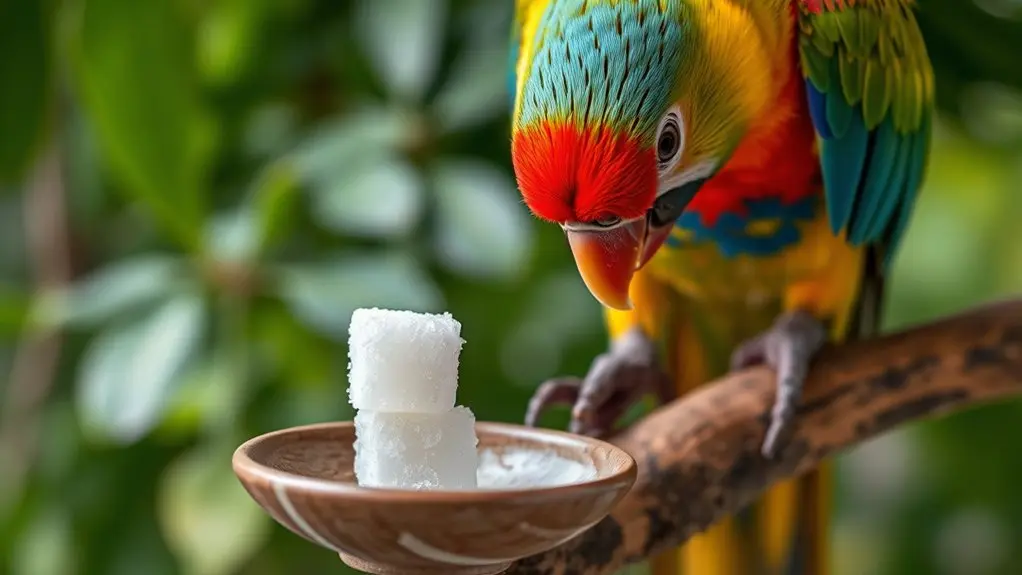
You should focus on natural sugars like glucose and fructose found in fruits because they match birds’ natural diet and how their bodies process food. It’s kind of like sticking to what they’re used to in the wild.
Now, small amounts of refined sugars, like sucrose, are generally okay. But you want to be careful with artificial sweeteners and things like honey. These can actually be risky due to contaminants or certain chemicals they contain.
Natural Sugars Vs. Processed
How do different types of sugars affect your bird’s health? In a balanced bird diet, natural sugars from fresh fruits and nectar provide essential energy and nutrients that support overall well-being. These sugars come with vitamins and fiber, which help with proper sugar digestion and metabolic processes.
On the other hand, processed sugars found in jams, jellies, and sugary drinks don’t offer much nutritional value. They can actually mess with your bird’s ability to digest sugar properly. Birds’ digestive systems aren’t designed to handle refined sugars well, which might lead to obesity, organ strain, and other health problems.
Safe Sugar Alternatives
Which sugars provide safe energy sources for birds without compromising their health? When considering bird nutrition, plain white granulated sugar stands out as the safest sugar alternative. It mimics natural nectar effectively when dissolved in water at a ratio of four parts water to one part sugar. This offers an appropriate energy source for nectar-feeding birds.
Avoid brown, raw, or organic sugars, as they can contain impurities harmful to birds.
Artificial sweeteners like sucralose and aspartame lack nutritional value and may cause adverse health effects, so you should exclude them.
Additionally, honey and molasses are unsafe because they can ferment and encourage mold growth in feeders, posing risks to birds.
Never add food colorings, flavorings, or additives to sugar solutions, as these can be toxic. Stick to pure cane sugar for safe, effective bird nutrition.
Sugar Impact On Birds
Although birds naturally consume sugars found in fruits and nectar, refined sugars like table sugar must be used cautiously to avoid adverse health effects. Natural sugars support bird migration by providing essential energy, but too much refined sugar can cause organ damage and addiction-like behaviors.
You should avoid processed fruit spreads high in added sugars, such as grape jelly, because these can harm birds if eaten too much. Instead, try making nectar with about 1 cup of sugar per liter of water. This mimics natural sugar levels and helps keep their diet diverse and energy balanced.
Also, steer clear of sugar-free jellies that contain artificial sweeteners like sucralose or aspartame. They don’t offer any nutritional value or energy.
How Sugar Benefits Birds In Small Amounts
You’ll find that small amounts of sugar give birds a quick energy boost, which is really important for the high demands of migration. This easily accessible carbohydrate helps keep their stamina up and makes foraging more efficient when it matters most.
Quick Energy Boost
How does sugar provide birds with a rapid energy source during high-demand activities like migration or nesting? Bird metabolism relies on efficient sugar digestion to convert simple sugars into glucose, which enters the bloodstream swiftly, fueling muscle activity.
This rapid absorption supports intense physical exertion, enabling birds to sustain flight and foraging efforts. Nectar-feeding species, such as hummingbirds and orioles, naturally consume high-sugar nectar, aligning with their metabolic needs.
When you offer a sugar-water mixture, typically one cup of sugar per liter of water, it mimics natural nectar’s energy provision. In moderation, this sugar intake temporarily boosts stamina without causing health issues.
Supports Migration Needs
When migratory birds undertake long-distance flights, they rely on small amounts of sugar to quickly replenish their energy reserves. This sugar intake is vital for supporting bird behavior aligned with migratory patterns. It provides an immediate source of glucose necessary for sustained muscle activity and ideal body temperature regulation.
During migration, birds consume nectar and sugary fruits, which offer high-energy fuel essential for endurance. Research shows that supplemental sugar enhances flight endurance and reduces fatigue in migrating songbirds. This directly benefits their ability to complete those arduous journeys.
However, it’s important to offer sugar in moderation. Too much sugar can disrupt natural metabolic processes and harm birds. Understanding how sugar supports migration needs helps you appreciate its role in maintaining the physiological demands of migratory bird behavior.
Enhances Foraging Efficiency
Beyond supporting migration, small amounts of sugar play a significant role in enhancing a bird’s foraging efficiency. Sugar provides an immediate energy source, allowing birds to sustain active behaviors like flying and feeding without extensive digestion. Properly diluted sugar water mimics natural nectar, optimizing energy intake especially for nectar feeders.
This efficiency influences feeding frequency and varies with seasonal considerations, as energy demands rise during breeding or colder months. Using the right sugar concentration supports vitality and survival by enabling quick energy conversion.
| Factor | Effect on Foraging | Seasonal Impact |
|---|---|---|
| Sugar Concentration | Efficient energy uptake | Higher demand in spring |
| Feeding Frequency | Sustains active foraging | Increases in winter |
| Energy Conversion | Immediate fuel for flight | Critical during breeding |
Which Birds Are Attracted To Sugar And Jelly?
Although many birds consume insects and seeds, several species show a marked preference for sugar and jelly due to their natural dietary habits. Orioles, tanagers, and certain songbirds are especially attracted to sweet feeders. This aligns with their increased feeding frequency during bird migration when energy demands rise.
Nectarivores like hummingbirds and tūī seek sugar water, which closely mimics floral nectar, a staple in their diet. Blackbirds, thrushes, and robins also visit jelly feeders, particularly those offering fruit-flavored varieties. Beak shape plays a role here too.
Short-beaked birds such as finches and chickadees efficiently consume jelly, unlike long-billed orioles. Brightly colored feeders attract a mix of native and invasive species. These feeders provide important supplemental energy sources.
Understanding these preferences can really help you optimize feeding strategies during critical times like migration. It’s pretty neat how different birds have their own tastes and needs!
Health Risks Of Overfeeding Birds Jelly Or Sugar
If you regularly offer birds jelly or sugary treats, you should know that too much sugar can harm their organs, just like it does in people. Birds’ digestion and sugar metabolism aren’t built to handle the high sugar levels found in many jellies, which often have more than 50% sugar.
Offering birds sugary treats can harm their organs due to their inability to process high sugar levels effectively.
This overload can cause metabolic imbalances and put a strain on important organs. Feeding birds too much sugar over time can weaken their immune system and even shorten their lifespan.
Some key health risks include organ damage from poor sugar metabolism, obesity from eating too many calories, and liver strain from processing all that sugar. It can also mess with their natural foraging habits, which affects their overall nutrition.
Plus, too much sugar might cause a kind of metabolic addiction that changes how they eat. Knowing these risks helps you keep birds safe from the problems too much sugary food can cause.
Choosing Healthier Jelly And Sugar For Birds
When picking jelly for birds, it’s best to go with low-sugar or no-sugar-added options to keep them healthy.
You can also help them get used to less sweet flavors by slowly mixing different jelly varieties into their diet.
Plus, adding natural alternatives like native berry-producing plants is a great idea—they offer important nutrients and cut down on processed sugars.
Low-Sugar Jelly Options
How can you provide birds with sweet treats while minimizing health risks? Opting for low-sugar jelly options is essential to protect bird habitat and nesting sites from the consequences of excessive sugar intake. You should choose jellies labeled “low sugar” or “no added sugar” and avoid artificial sweeteners like sucralose or aspartame.
Consider these strategies: Select natural berry-based jellies without added sugars. Dilute processed jellies with crushed grapes or fruit purées. Avoid jellies with artificial sweeteners harmful to birds.
Also, gradually introduce varied jelly types to support dietary adaptation. Plant berry bushes near nesting sites to provide natural food sources.
These measures help maintain a balanced diet, supporting healthy bird habitat and promoting stable nesting site conditions. It’s all about keeping things natural and safe for the birds you want to help.
Gradual Dietary Adjustments
Although sudden changes in diet can cause rejection or digestive upset, gradually introducing healthier jelly options helps birds adjust to new flavors and reduces stress on their systems. You can mix low-sugar or no-sugar-added jellies with regular ones, allowing birds to adapt slowly and maintain nutritional balance. Offering small quantities early in the day lets birds familiarize themselves with the taste without overconsumption.
Diluting processed jelly with crushed grapes or natural fruit eases the progression toward more natural foods. During bird migration, when energy demands fluctuate, these gradual adjustments support metabolic stability.
Carefully monitoring their response and incrementally increasing natural food options promotes healthier dietary habits and sustains ideal nutritional balance, enhancing their resilience during critical periods like migration.
Natural Alternatives Benefits
Building on the gradual introduction of healthier jelly options, selecting natural alternatives offers significant benefits for bird health and nutrition. By choosing natural sugar sources, you support birds’ nutritional balance and aid their energy needs during bird migration.
Consider these advantages: planting native berry bushes like elderberry, blackberry, and beautyberry supplies sugar-free, nutrient-rich nectar. Using low- or no-sugar-added jelly reduces risks of organ damage and sugar addiction. You can also dilute processed jelly with crushed grapes to provide a less concentrated, more natural sugar intake.
Natural foods promote sustained energy release, which is essential for migratory endurance. Supporting native flowering plants encourages healthier, sustainable feeding behaviors.
These strategies help maintain physiological health, making sure birds get the right nutrition without the harmful effects of too much processed sugar. It’s a win-win for both birds and their environment!
When Should You Stop Feeding Birds Sugar Or Jelly?
If you notice that jelly or sugary treats have become rancid or attract unwanted wildlife such as rats or raccoons, you should immediately remove them.
During bird migration, feeding sugary substances requires careful feeder maintenance to prevent contamination and overdependence.
Stop offering sugar if birds nesting nearby begin over-consuming it, which risks health issues or dependency. Also, discontinue feeding when a single bird monopolizes the feeder, signaling possible sugar addiction.
If birds become coated in sticky jelly, impairing feather condition or mobility, cease sugar feeding promptly.
Regularly evaluate whether sugar supplementation benefits birds or causes harm. If negative effects arise, stop feeding.
Responsible monitoring ensures you support avian health without disrupting natural behaviors or ecological balance during critical periods like migration.
Why Birds Should Avoid Artificial Sweeteners And Additives
When you offer birds food containing artificial sweeteners like sucralose or aspartame, you expose them to substances their digestive systems can’t process. This can lead to gastrointestinal distress and nutrient deficiencies.
These artificial sweetener dangers come from their synthetic nature and lack of nutritional value compared to natural sugars.
Avoiding artificial sweeteners and additives is really important because they’re indigestible by birds, which causes digestive upset. Plus, they lack essential nutrients, so they can contribute to nutritional deficiencies.
They may also disrupt normal foraging and feeding behaviors.
On top of that, there are unknown long-term health risks since there’s limited research on how these substances affect birds.
And finally, they can introduce toxic effects that you wouldn’t find in natural food sources.
Natural Alternatives To Sugar For Bird Nutrition
To promote bird health, it’s important to replace artificial sweeteners with natural sources of sugar that birds can digest and benefit from. Incorporating native flowering plants and berry bushes like elderberry, blackberry, and beautyberry enhances bird habitat by providing essential nectar and antioxidants.
Fruits such as apples, grapes, and melons supply natural sugars alongside vitamins and fiber vital for metabolism and energy. These natural alternatives align with birds’ migration patterns, offering sustainable nutrition during energetically demanding periods.
Planting nectar-producing plants attracts hummingbirds and other nectar-feeding species, supporting their dietary needs without added processed sugars.
Frequently Asked Questions
Can Sugar Water Attract Unwanted Pests to My Backyard?
Yes, sugar water can attract invasive species like ants and wasps, which can increase pest problems in your backyard. It’s something to keep an eye on if you want to avoid these unwanted visitors.
You should monitor feeders closely to prevent sugar toxicity in birds. Plus, keeping an eye on things helps minimize these pests from invading your backyard ecosystem. It’s all about finding that balance!
How Often Should Bird Feeders Be Cleaned to Prevent Mold?
You should clean your bird feeders at least twice weekly to maintain feeder hygiene and guarantee mold prevention.
During hot weather, increase cleaning frequency to every 2-3 days. This helps effectively reduce mold and bacterial growth risks. Keeping up with this routine makes a big difference!
Is It Safe to Feed Sugar Water to Baby Birds?
You shouldn’t feed sugar water to baby birds, as it risks digestive upset and poor bird health.
Instead, use natural alternatives like nutrient-rich insects or commercial formulas to support their growth and immune system development.
These options are much better for the little ones and help them thrive. So, it’s best to avoid sugar water altogether!
What Signs Indicate a Bird Is Having a Negative Reaction to Sugar?
Imagine a parrot showing lethargy after sugary treats. This signals sugar sensitivity affecting bird health.
You’ll notice uncoordinated movements or digestive upset, like diarrhea. These signs indicate a negative reaction to sugar intake that requires immediate attention.
Can Sugar Feeding Affect Bird Migration Patterns?
Yes, sugar feeding can alter seasonal migration by disrupting natural energy accumulation. You’ll notice changes in flight behavior, as birds may delay migration or reduce urgency. This could potentially impact their breeding and survival cycles.
It’s pretty interesting how something as simple as extra sugar can have such a big effect. Birds rely on building up energy naturally, so when that process changes, their whole routine can shift. Makes you wonder about the delicate balance in nature, right?
Conclusion
You might think feeding birds sugar or jelly is harmless, yet excessive or artificial sweeteners can harm their health. While small amounts of natural sugar can provide quick energy, relying on it too much disrupts their natural diet and metabolism.
Balancing occasional treats with nutrient-rich, natural alternatives guarantees you support their well-being without unintended consequences. So, enjoy feeding responsibly. Offering sweetness sparingly preserves both their vitality and ecological balance.