
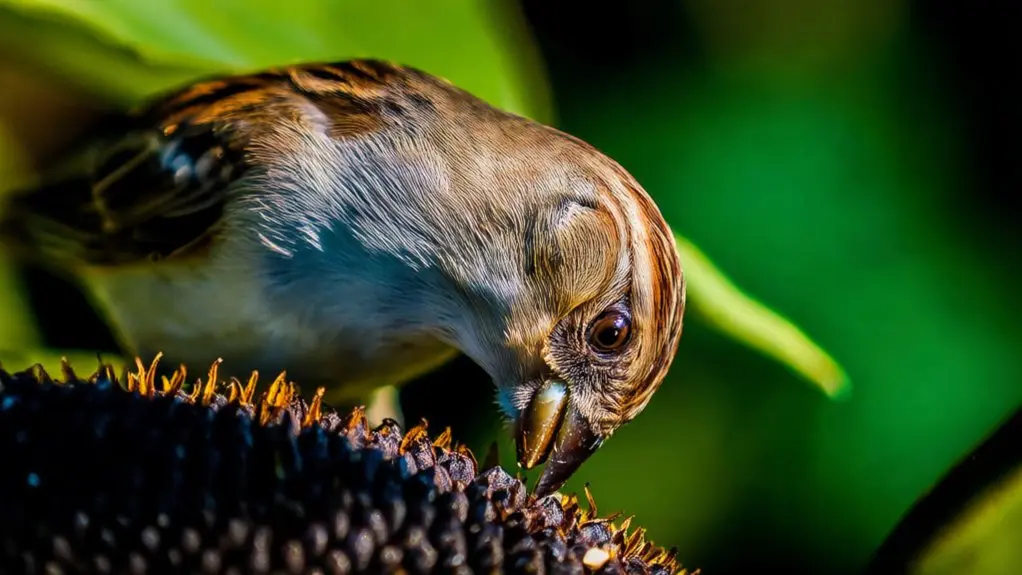
You can safely feed birds sunflower seeds by selecting the right type and preparation. Black oil sunflower seeds are rich in fats and easier for small birds to eat, while larger birds prefer striped seeds in the shell.
Offering hulled seeds reduces waste and health risks like mold. But in-shell seeds support natural behaviors, so both have their perks.
Using proper feeders, cleaning regularly, and controlling how much you offer helps keep birds healthy. Exploring different seed types and feeding methods can really enhance your backyard bird-feeding experience.
What Types of Sunflower Seeds Can Birds Eat
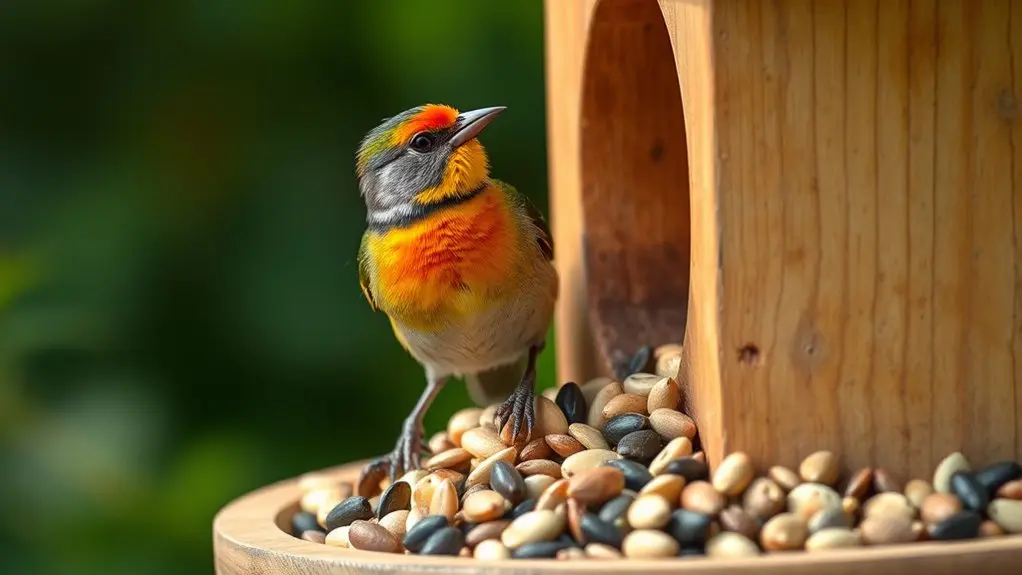
What kinds of sunflower seeds birds can eat depends largely on the species and their feeding abilities. You’ll find that larger birds, such as jays and woodpeckers, prefer striped sunflower seeds with shells. Their strong beaks can easily crack the hard outer layer.
In contrast, smaller birds favor black oil sunflower seeds or shelled sunflower hearts. These are easier for them to consume. Plus, these seed types differ in nutritional content, with sunflower hearts offering higher value.
When it comes to seed storage, it’s important to keep seeds dry and free from additives or salt. This helps maintain safety and quality.
Understanding bird preferences helps you pick the right seed type, making feeding more efficient and minimizing waste during storage.
Knowing bird preferences ensures you choose the best seeds, improving feeding success and reducing waste.
This way, you’re supporting a variety of bird species effectively.
Why Black Oil Sunflower Seeds Are Best for Birds
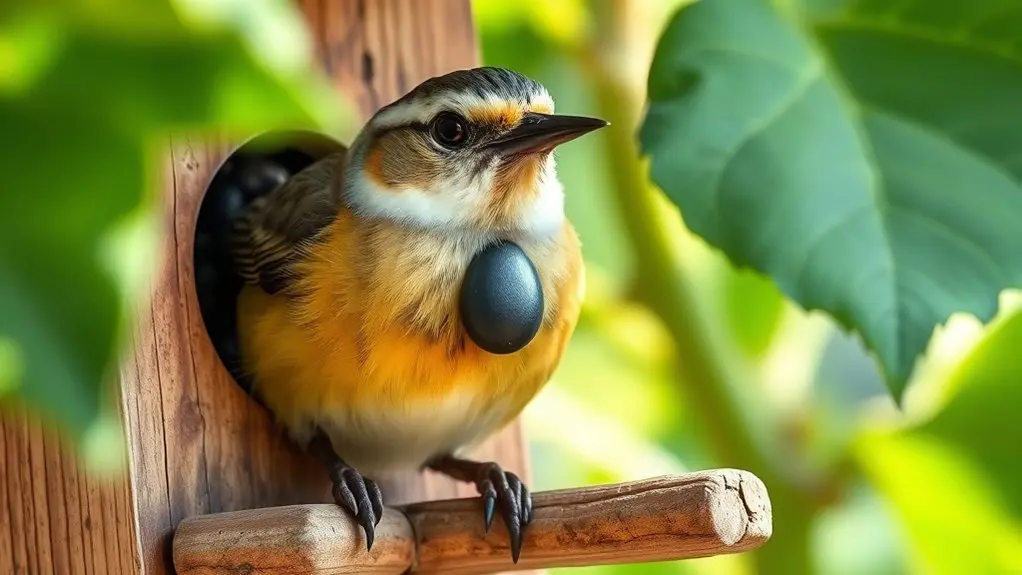
You’ll find that black oil sunflower seeds offer superior nutritional benefits because they’re packed with high fat and oil content, giving birds the essential energy they need.
Plus, their thin shells make it much easier for small birds to get to the seed inside. This means they can feed more efficiently without much hassle.
Because of this great combo, black oil sunflower seeds attract a wide variety of bird species—making them the perfect choice for feeding your feathered friends.
Nutritional Benefits Explained
Although many types of seeds can attract birds, black oil sunflower seeds stand out due to their exceptional nutritional profile. These seeds are rich in fats and oils, providing essential energy that supports bird digestion and overall vitality, especially during demanding periods like winter and breeding seasons.
Their high oil content promotes feather production, which is crucial for maintaining insulation and flight efficiency.
Plus, black oil sunflower seeds have a low husk content, so there’s less waste and storing them is easier for bird enthusiasts.
This nutrient density, combined with their accessibility to various bird species, makes them a highly recommended choice by experts such as the Cornell Lab of Ornithology.
Easier Shells For Birds
Because black oil sunflower seeds have thinner shells than larger sunflower varieties, birds can crack them open more easily and access the nutritious seed inside. This thin shell structure makes shell cracking during seed harvesting more efficient, so birds use less energy while feeding.
The softer shells also reduce the risk of beak damage, which is great for a wide range of small and medium-sized bird species.
Plus, black oil sunflower seeds have a high oil content that provides essential energy, especially during important times like winter and breeding seasons.
Their convenient shell design helps minimize waste by letting birds quickly eat the seed meat. This promotes more effective seed harvesting overall.
In short, black oil sunflower seeds make feeding easier and more efficient because their shells are easier to crack compared to the harder, larger sunflower seed varieties.
Attracting Diverse Bird Species
The ease with which birds can crack open black oil sunflower seeds directly influences their feeding preferences, making these seeds highly attractive to a wide variety of species. Their thin shells allow small birds like finches and chickadees to access the nutritious, high-oil content inside, which is essential for energy during bird migration.
This nutritional density supports diverse species, including cardinals, nuthatches, and jays.
Plus, black oil sunflower seeds have superior seed storage qualities. They spoil less quickly than in-shell seeds, which helps keep them fresh and reduces waste. Because of these factors, they effectively attract and sustain a broad range of birds, especially during times when energy demand is high, like migration.
Choosing black oil sunflower seeds means you’re providing an accessible, nutrient-rich food source that supports bird diversity all year round. It’s a simple way to help a variety of birds thrive in your backyard.
How Birds Eat and Prefer Different Sunflower Seeds
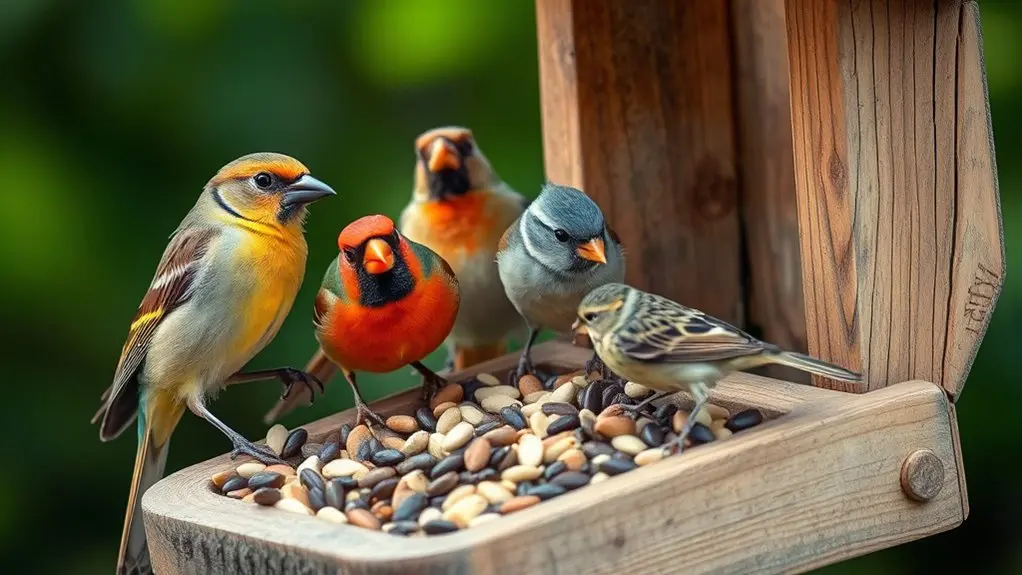
When you watch birds feeding on sunflower seeds, you’ll see they use their strong beaks and nimble tongues to crack open shells and get to the tasty parts inside. Beak strength is super important for removing seed husks, especially for bigger birds like jays and woodpeckers.
These guys usually go for hard-shelled striped sunflower seeds because they can crack them open easily.
Smaller birds, like finches and chickadees, often skip the tough shells. They prefer shelled seeds or sunflower hearts with softer husks.
Sparrows tend to peel off seed husks and throw them away, showing they’re pretty picky about what seeds they eat.
Then, there are birds like nuthatches and titmice who can handle unhulled seeds but usually choose de-husked ones to make feeding easier.
Knowing these preferences can help you pick the right sunflower seeds to attract all kinds of birds to your feeder.
Should You Feed Birds Sunflower Seeds In or Out of Shells?
Understanding how different bird species handle sunflower seeds naturally leads to the question of whether you should offer seeds in-shell or hulled.
Seed cracking and shell removal are essential behaviors for many birds. In-shell seeds encourage natural foraging but create more waste. Hulled seeds make consumption easier, especially for small or soft-billed birds, reducing their feeding effort and time.
That said, in-shell seeds may benefit species that enjoy the challenge of cracking shells.
| Seed Type | Advantages | Considerations |
|---|---|---|
| In-shell | Promotes seed cracking behavior | Creates more shell debris |
| Hulled | Immediate consumption | Less natural foraging |
| Mixed | Balances feeding needs | Requires monitoring for mess |
Using Feeders and Ground Feeding With Sunflower Seeds
You can use different types of feeders, like seed trays or platforms, to offer sunflower seeds efficiently. This helps minimize waste and lowers the risk of mold.
When it comes to ground feeding, scattering smaller seeds or placing them on open surfaces works well. It attracts a variety of bird species and helps reduce husk buildup.
Don’t forget regular maintenance, too. Cleaning feeders and raking up seed husks keeps the feeding area clean and supports the health of the birds.
Feeder Types And Benefits
Although sunflower seeds attract a wide variety of birds, selecting the appropriate feeder type really makes a difference in feeding efficiency and seed preservation. Tube feeders are great because they keep seeds dry and minimize spoilage. This matches natural bird behavior since they prefer food that’s easy to access and uncontaminated.
Platform or tray feeders with drainage holes also help by reducing mold growth, which keeps the seed quality high even outdoors. If you want to be more selective, feeders designed for small birds can stop larger birds and squirrels from hogging all the sunflower seeds. This way, different species get a fair chance to feed.
You can also place sunflower seeds on bird tables or directly on the ground in sheltered spots. This supports various bird behaviors by offering accessible feeding sites.
Getting to know these feeder types really boosts feeding success and helps keep the seeds in good shape, making it easier to attract and support lots of different birds.
Ground Feeding Strategies
When you scatter sunflower seeds on the ground or use seed trays, you create feeding conditions that closely mimic natural foraging behaviors favored by ground-feeding birds such as doves, sparrows, blackbirds, and thrushes.
Seed scattering on lawn flags or beneath hedges encourages diverse ground foraging among these species.
Using seed trays can reduce seed wastage and limit mold growth by elevating seeds off damp surfaces.
Regularly raking up seed husks from the ground minimizes mold risk, maintaining a healthy feeding environment.
Placing seeds directly on the ground supports species that prefer foraging at or near ground level, improving accessibility.
By combining seed scattering with proper maintenance, you optimize feeding conditions that align with the natural behaviors of ground-feeding birds.
This promotes their well-being and supports local avian biodiversity.
Tips for Feeding Sunflower Seeds Safely and Cleanly
Since sunflower seeds can attract a variety of birds and hold nutritional value, feeding them safely and cleanly requires careful management. Use seed trays or feeders with drainage to prevent mold growth and reduce ground mess from discarded husks.
Sunflower seeds attract diverse birds but need careful feeding with drainage to prevent mold and mess.
Scatter seeds in small amounts on bird tables or the ground to control waste and encourage diverse species.
Only offer quantities birds can consume within a few days to maintain freshness and avoid spoilage. Regularly rake up and dispose of husks to minimize health risks.
Clean feeders thoroughly every few weeks with soap, water, and a dilute bleach solution to prevent disease transmission.
Proper seed storage and pest prevention practices also help guarantee seed quality and protect birds from contamination and infestation. This promotes a safe feeding environment for your feathered visitors.
Risks of Feeding Unhulled Sunflower Seeds to Birds
If you feed birds unhulled sunflower seeds, you increase the risk of mold growth on discarded husks, which can be toxic if ingested. The shells left behind create an environment that encourages bacterial and fungal growth, especially when seed storage conditions aren’t ideal.
Mold spores and bacteria on these shells can spread diseases and cause respiratory infections in birds.
Smaller or softer-billed species can face choking hazards and digestive issues because of the tough hulls. Removing the shells before feeding reduces these health risks and helps keep feeding areas cleaner.
This also cuts down on unsanitary conditions that promote pathogen growth.
It’s important to maintain clean feeding spots and manage seed storage carefully to avoid contamination.
Which Birds Prefer Sunflower Hearts and Why
Choosing the right form of sunflower seed can particularly impact which bird species you attract and their overall health. Small songbirds like finches, chickadees, and nuthatches prefer sunflower hearts because their soft, shell-less nature makes them easier to crack and digest. This is especially true during bird migration and nesting seasons when their energy demands increase.
Larger birds such as jays and woodpeckers may eat sunflower hearts but often favor seeds with shells instead. Sunflower hearts offer a high-energy, oil-rich food source that supports metabolic needs during breeding and colder months.
Plus, their lack of shells reduces the risk of mold, which attracts species sensitive to health threats.
When and How Often Should You Feed Birds Sunflower Seeds?
Although feeding birds sunflower seeds can be highly beneficial, maintaining a consistent schedule is essential to support their health and energy needs. You should offer sunflower seeds every 1-2 days, especially in winter, to ensure a steady food supply that meets birds’ metabolic demands.
Feeding sunflower seeds every 1-2 days supports birds’ health and energy, especially during winter.
During breeding season, feeding daily is a good idea because birds need more energy, and their fledglings are growing fast.
To protect their digestion and health, give seeds in small amounts that they can eat within a couple of days. This helps prevent spoilage and mold, which can be harmful.
Make sure to check and refill feeders frequently, at least every few days, so the seeds stay fresh.
Avoid overfeeding to minimize waste and reduce risks to the birds’ digestive systems. This way, you create a safe and nutritious feeding environment for them.
Frequently Asked Questions
Can Sunflower Seeds Cause Allergies in Birds?
You won’t typically see sunflower seeds causing allergies in birds, but seed husks might irritate bird digestion if moldy or contaminated.
Always check seeds for quality to prevent digestive issues and support healthy bird digestion. It’s better to be safe than sorry, right? Just a quick look can keep your feathered friends happy and healthy.
Do Sunflower Seeds Affect Bird Migration Patterns?
Don’t put all your eggs in one basket. Sunflower seeds can influence migration impact by providing energy, but seed preferences vary among species.
While they support fat buildup, evidence linking them to major migration changes remains limited and nuanced.
How Do Sunflower Seeds Compare Nutritionally to Other Bird Seeds?
You’ll find sunflower seeds offer superior nutritional benefits compared to other seed varieties. They provide higher protein, essential fatty acids, and calories. This combo supports birds’ energy needs and feather health more effectively than millet or cracked corn.
Can Sunflower Seeds Be Used for Bird Training or Enrichment?
You can use sunflower seeds effectively for bird training and enrichment. Seed selection matters, as bird preferences vary. But their high appeal and nutritional value stimulate natural behaviors, boosting engagement and conditioning during training sessions.
It’s a great way to keep birds interested and motivated. Plus, offering sunflower seeds can make training more fun for both you and your feathered friend!
Are There Any Environmental Concerns With Feeding Sunflower Seeds to Birds?
Yes, improper seed storage can cause mold, which harms birds and disrupts their diet preferences.
Feeding sunflower seeds excessively can risk ecological imbalance and allelopathic effects. So, you should manage quantities carefully and clean up any debris to protect local ecosystems.
Conclusion
Feeding birds sunflower seeds can be really good for them if you do it right. Black oil sunflower seeds are like a key that unlocks important fats and proteins birds need.
You can offer the seeds either in shells or as hearts, depending on what the birds prefer and how clean you want things to be. Using the right feeders and keeping them clean helps cut down the risk of diseases.
Just remember to feed the seeds in moderation and at the right times. This way, you help keep birds healthy without messing with their natural way of finding food.