
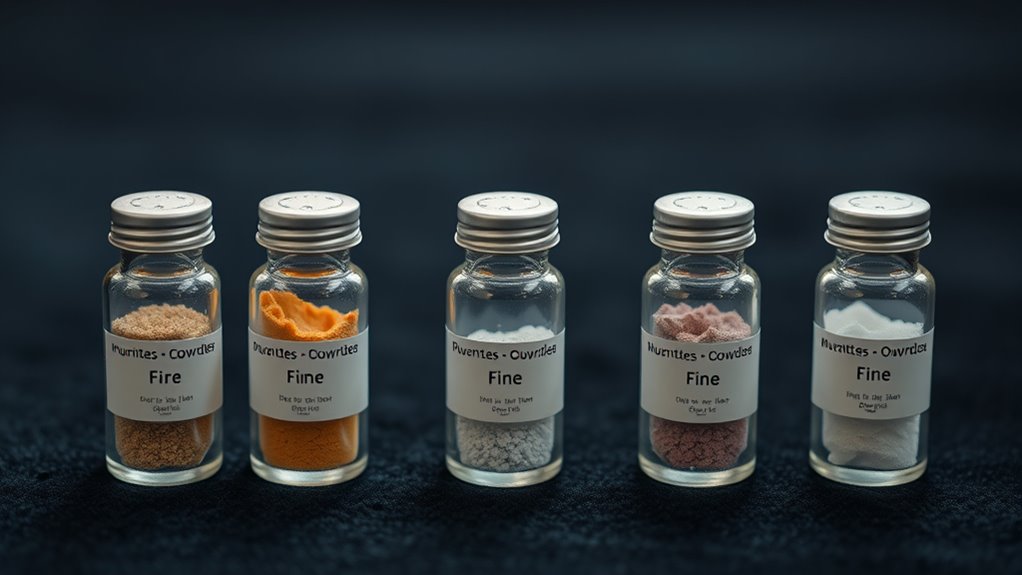
Finding the right gunpowder for .223 reloading can feel overwhelming. You want something that’s safe, consistent, and performs well in your AR, but with so many options out there, it’s easy to get stuck second-guessing your choices. You’re not alone—many reloaders struggle with balancing all these factors while trying to get the best results.
For 2026, you’ll want powders that balance safety, consistency, and AR-specific performance, especially for .223 reloading. Look to proven options and data from trusted guides like the Lyman AR Reloading Handbook and the Lyman Long Range Precision handbook, plus practical storage and handling tools such as the MTM PK12 and RCBS funnel.
Make certain you match burn rate to your load goals and consult manufacturer data for your exact components. If you keep exploring, you’ll uncover more actionable insights.
| Image | Name | Editor's Rating | Price |
|---|---|---|---|

|
RCBS Polyethylene Powder Funnel .17-20
|
|
|

|
Lyman AR Reloading Handbook 2nd Edition
|
|
|
|
Lyman Long Range Precision Reloading Handbook, White...
|
|
RCBS Powder Funnel
- POWDER FUNNEL .17-.20 CAL.
- RCBS is the leading manufacturer of ammunition reloading...
- Designed for durability and long life
- Precision crafted
The RCBS Powder Funnel is designed to make reloading small-caliber cartridges easier and more efficient. If you work with calibers from .17 to .20, this funnel helps you handle powder with precision and minimal mess. Its simple design focuses on functionality, reducing spills and improving your workflow.
Crafted from a durable green blend material, this funnel stands up to regular use. Its compact size fits comfortably in a busy workspace without taking up unnecessary room. The funnel’s shape ensures smooth powder flow, making it a reliable tool for consistent reloading results.
Maintenance is straightforward with the RCBS Powder Funnel. The sturdy material cleans easily and resists wear from repeated use. This helps maintain accuracy and prolongs the funnel’s useful life, so you get consistent performance every time.
The tool is perfect for reloaders who want a no-fuss, durable powder funnel for small calibers. It supports precision reloading setups and keeps your process tidy with a single, easy-to-handle component. While the funnel is focused on smaller calibers, it excels in its specialized role.
Its limited size and simple design mean it may not suit larger calibers or users needing more accessories. However, for its intended purpose, it offers dependable performance without unnecessary complexity.
Best for: Reloaders working with small-caliber rifle and pistol cartridges (.17–.20) who want a simple, durable, and compact powder funnel for precise, tidy reloading setups.
What We Like:
- Durable construction for long-lasting use
- Compact design fits easily into tight workspaces
- Smooth powder flow reduces spills and waste
- Easy to clean and maintain
- Positive feedback from users in small-caliber reloading
Specification:
| Specification Title | Detailed Description |
|---|---|
| Manufacturer | RCBS |
| Model Number | 9086 |
| Material | Durable green blend |
| Dimensions | 1 inch length, 2.75 inches width |
| Caliber Compatibility | .17 to .20 calibers |
| Included Components | Single powder funnel |
| Intended Use | Precision reloading for small calibers |
| Warranty | Limited manufacturer warranty |
Lyman AR Reloading Handbook 2nd Edition
- Reloading handbook dedicated to the Modern Sporting...
Reloading AR-platform rifles demands precision and specialized knowledge. The Lyman AR Reloading Handbook 2nd Edition delivers exactly that, offering tailored data for modern semi-automatic rifles. It addresses the unique challenges of AR-specific calibers, helping reloaders achieve consistent, reliable performance.
This handbook covers popular rounds like 223, 224 Valkyrie, 6.8 Rem, 300 AAC, and others. It provides detailed load data, bullet options, and powder choices designed specifically for AR rifles. Whether you’re working with cast bullets or sub-sonic loads, this guide gives practical solutions that improve your reloading accuracy and safety.
Maintenance and setup can be tricky when tuning an AR. This book also explains gas system lengths and key points for building your rifle. These insights help you understand how different components affect function, making troubleshooting easier and more effective.
The book’s size—about 10.9 by 8.4 inches and weighing less than a pound—makes it easy to carry into the field or workshop. Its compact design delivers dense, targeted information without unnecessary bulk. This makes it a practical reference for reloaders who want quick access to AR-specific guidance.
While the handbook focuses exclusively on AR calibers, this sharpens its usefulness for that niche. Reloaders looking for digital formats or broader caliber coverage may find it limited. However, its focused content is ideal for those seeking depth over breadth.
Best for: Reloaders seeking detailed, AR-specific load data and practical advice for modern semi-automatic rifles.
What We Like:
- Precise load data tailored to AR calibers
- Practical articles on gas system lengths and rifle building
- Compact, lightweight format for easy portability
- Covers diverse AR cartridges including cast and sub-sonic loads
Specification:
| Specification Title | Detailed Description |
|---|---|
| Dimensions | Approximately 10.9 x 8.4 inches |
| Weight | Under 1 pound |
| Edition | 2nd Edition |
| Caliber Coverage | 223, 224 Valkyrie, 6.8 Rem, 300 AAC, 7.62×39, 350 Legend, 450 Bushmaster, 50 Beowulf |
| Content Focus | Load data, bullet and powder options, cast bullets, sub-sonic loads, AR building, gas system lengths |
| Format | Printed handbook |
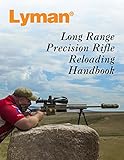
Lyman Long Range Precision Reloading Handbook, White, 8.50 (9816060)
- Long range cartridge data includes 223 Rem, 6mm dasher, 6x...
- Features a large selection of target bullets from berger, Lapua...
- Includes pressure, Velocity data, and Ballistic tables
- Articles by top PRS Shooters and industry experts
- Printed in full color

The Lyman Long Range Precision Reloading Handbook is designed for shooters who demand exact data to enhance their long-range .223 reloads. It provides detailed pressure and velocity figures that help improve cartridge performance. This precision-focused guide supports shooters in achieving consistent accuracy at extended distances.
With clear full-color pages, the handbook presents ballistic tables and target cartridge data in an easy-to-understand format. This makes it simpler to analyze and apply critical reloading information. The compact 8.5-inch size allows for convenient use at the range or workbench.
The handbook includes expert insights from top PRS shooters and industry authorities. These practical tips help users optimize their reloads for real-world precision shooting challenges. It also highlights how to maintain safe pressure levels for reliable cartridge performance.
Intended for experienced reloaders, this guide focuses on long-range precision rather than beginner basics. Its specialized content addresses the needs of competitive shooters and those refining their .223 and similar rifle cartridges. Regular consulting of this handbook can lead to improved shot consistency and ballistic understanding.
The durable design and clear layout make it easy to reference essential data during reloading sessions. While small enough for portability, frequent page handling may be necessary for extensive use. Availability varies, so checking local and online sources is recommended.
Best for: Experienced precision shooters seeking detailed long-range reloading data and expert guidance for .223 and related rifle cartridges.
What We Like:
- Provides comprehensive pressure and velocity data for accuracy
- Features insights from professional PRS shooters
- Full-color pages simplify complex ballistic information
- Compact size suitable for range and workshop use
- Focuses on precision long-range reloading needs
Specification:
| Specification Title | Detailed Description |
|---|---|
| Product Name | Lyman Long Range Precision Reloading Handbook |
| Size | 8.5 inches (height) |
| Weight | Approximately 0.75 pounds |
| Content | Target cartridge data, pressure and velocity figures |
| Page Format | Full-color pages |
| Expert Contributions | PRS shooters and industry experts |
| Intended Use | Precision long-range reloading for .223 and similar cartridges |
| Availability | Online and retail stores (varies by region) |
MTM PK12 Reloading Powder Storage Container, Powder Keg, USA Made, Red

- Sturdy powder keg for organizing and safeguarding...
- Durable construction of high-quality polypropylene plastic and an...
- Will store (2) 8 lb. containers, a 4lb and several additional...
- Easily transport using the (2) side-mount snap latches and...
- Made in the USA; Lifetime Warranty
The MTM PK12 Powder Keg offers a smart solution for keeping your reloading powders organized and protected. Its durable, moisture-resistant design ensures your powders stay dry and secure, preventing contamination and loss. This container is perfect for those who need reliable storage that simplifies powder handling.
Designed with two compartments, the PK12 allows you to separate different powders efficiently. The stackable, rectangular shape saves space and makes storage neat and accessible. Bright red construction helps you quickly identify the container, even in cluttered environments.
Maintaining the Powder Keg is straightforward thanks to its corrosion-resistant polypropylene build. The O-ring seal provides excellent moisture protection, reducing the risk of powder degradation. Two side-mounted latches and padlock tabs offer secure closure, so you can transport your powders safely.
With a capacity for up to 8 pounds of powder across its compartments, this container is well-suited for most reloading needs. Its large handles make carrying easier, though the fully loaded keg can feel heavy. The rigid design fits standard powder bottles but may be less flexible for oddly shaped containers.
Overall, the MTM PK12 Powder Keg balances practical storage with secure transport. It helps reloaders keep powders dry, organized, and ready for use without fuss.
Best for: Reloaders and firearms enthusiasts needing durable, moisture-safe powder storage with easy organization and secure transport.
What We Like:
- Moisture-resistant O-ring seal keeps powders dry
- Two-compartment design for efficient powder separation
- Sturdy, stackable construction saves space
- Lockable latches and padlock tabs enhance security
- Bright red color allows quick identification
Specification:
| Specification Title | Detailed Description |
|---|---|
| Material | Corrosion-resistant polypropylene |
| Color | Bright red |
| Capacity | Up to 8 pounds total |
| Compartments | Two |
| Latches | Two side-mounted latches |
| Security Features | Padlock tabs |
| Seal Type | Moisture-resistant O-ring seal |
| Handles | Large transport handles |
| Shape | Rectangular, stackable |
| Country of Manufacture | USA |
Hornady 9th Edition Handbook of Cartridge Reloading.
- An invaluable resource for your reloading bench
- Many new cartridges
- Includes a variety of propellants
- In-depth, easy-to-understand explanations of internal, external...
- Velocity/powder charts for quick and easy reference
The Hornady 9th Edition Handbook of Cartridge Reloading is a valuable tool for reloaders aiming to achieve precise and reliable ammunition performance. It offers a wide range of velocity and powder data, helping users quickly find accurate information for many cartridges, including newer loads. This resource enhances accuracy by providing detailed, trustworthy reloading information.
Designed for practical use, the handbook covers various propellants and explains the fundamentals of internal, external, and terminal ballistics. These insights help reloaders understand how different factors affect bullet performance, improving the quality and safety of their reloads. The clear velocity and powder charts allow for fast data access, reducing guesswork during the reloading process.
Measuring 9.2 by 6.1 by 1.6 inches and weighing about 3.1 pounds, this edition is sturdy and built to last. While it is somewhat bulky for field use, its durable design makes it ideal for home or workshop reference. Maintenance involves keeping the handbook clean and stored in a dry place to preserve its condition over time.
The Hornady 9th Edition Handbook remains one of the most trusted reloading guides for those looking to expand their knowledge and improve the precision of their reloads. Its detailed data and clear explanations make it an essential companion for reloaders focused on safety and performance.
Best for: Reloaders seeking comprehensive and reliable velocity and powder data for a wide variety of cartridges, including newer loads.
What We Like:
- Extensive coverage of new cartridges and propellants
- Clear explanations of internal, external, and terminal ballistics
- Quick-reference velocity and powder charts for efficient use
- Durable and well-sized for workshop reference
Specification:
| Specification Title | Detailed Description |
|---|---|
| Dimensions | 9.2 x 6.1 x 1.6 inches |
| Weight | Approximately 3.1 pounds |
| Edition | 9th Edition |
| Content Focus | Velocity and powder data, ballistics |
| Cartridge Coverage | Wide range including many new loads |
| Charts | Velocity and powder quick-reference charts |
| Maintenance | Store in dry place, keep clean |
Factors to Consider When Choosing Gunpowder for Reloading 223
When you choose powder for .223, start with burn rate basics to match your rifle and load goals. Consider barrel pressure, velocity, and stability to keep groups tight and components safe under your expected conditions.
Don’t overlook temperature sensitivity and component compatibility, since small changes can affect accuracy and reliability.
Powder Burn Rate Basics
Understanding powder burn rate is key to dialing in .223 reloading. You’ll want to match burn rate to your rifle setup, since how fast a powder burns shapes pressure, velocity, and accuracy.
Faster-burning powders suit smaller calibers and shorter barrels, while slower-burning options excel with larger calibers and longer tubes. The burn rate also governs chamber pressure, which ties directly to performance and safety during reloading.
Manufacturers rate powders on a burn rate scale, using numbers where lower means slower and higher means faster. By grasping this scale, you can select powders that hit your target velocity, cut fouling, and deliver consistent results.
Barrel Pressure Considerations
Barrel pressure is a primary concern when choosing a powder for .223 reloading, because different powders generate different pressure levels at the same charge weight. You must match powder characteristics to the rifle’s chamber and pressure limits, not just velocity goals. Using powders with unsuitable pressure characteristics can lead to excessive barrel pressure, potentially damaging the firearm or causing safety hazards.
Rely on reputable pressure data to keep loads within safe limits for 223 rifles, and cross-check against your brass, bullets, and case prep. Consistent burn rate and ignition characteristics help maintain pressure stability, reducing surprise spikes. Balance ballistic performance with safety: consider how velocity and pressure curves interact to preserve accuracy without overpressure.
In short, choose powders that reliably stay within published tolerances.
Velocity and Stability
Velocity consistency is essential for accurate reloading, because stable velocity reduces group size and improves shot placement. You’ll want powders with predictable burn rates to keep velocity steady, which supports precision at various ranges. Stable combustion directly affects recoil and pressure, shaping overall firearm performance and safety, so choose loads with reliable, repeatable burn characteristics.
When velocity stays uniform, you minimize deviations that can widen groups and complicate decision-making under pressure. Proper storage and handling of powder contribute to stability, preserving consistent velocity during reloads. By selecting powders known for predictable burn profiles, you reduce the risk of unexpected pressure spikes and enhance long-range accuracy.
Remember: consistent velocity hinges on both powder behavior and diligent, safe reloading practices.
Temperature Sensitivity Factors
Temperature sensitivity directly affects how consistently your .223 loads perform in the field. Gunpowder’s ignition rate shifts with temperature, changing burn pace, pressure, and velocity. Some powders, especially single-base types, burn faster at higher temps, raising pressure risks if you push loads without adjustment.
Cooler conditions slow burn, potentially causing incomplete combustion and decreased velocity. Temperature-sensitive powders demand careful load tuning based on environment so you don’t overshoot or undershoot desired results. You’ll benefit from maintaining consistent ambient temperatures during reloading and shooting to promote predictable burn rates and safer launches.
Component Compatibility Matters
Choosing the right powder for your .223 starts with ensuring compatibility across several factors: it’s essential that the powder is recommended for the .223 cartridge, matches the intended burn rate, and suits your reloading setup. You’ll verify that burn rate aligns with cartridge specs to reach intended performance without surprises.
Using a powder recommended for .223 helps maintain proper pressure and prevents dangerous over-pressurization, which protects both you and your firearm. Compatibility also covers granule size and shape, ensuring your equipment feeds and meters powder accurately.
Don’t overlook cross-referencing manufacturer load data with your chosen powder; this step confirms complete compatibility and safe functioning. In short, match caliber, burn rate, granule geometry, and published data to achieve reliable, repeatable results.
Frequently Asked Questions
What Is the Best Powder for Subsonic .223 Loads?
Subsonic .223 loads aren’t ideal for most rifles, and there isn’t a single “best” powder. If you insist, many shooters use slower powders like Hodgdon H4198 or AA#9 with careful pressure tuning, light bullets, and precise seating.
However, you’ll likely face reliability issues and potential cycling problems. Consider dedicated subsonic calibers or suppressor-friendly 5.56/.223 options instead, ensuring you consult load manuals and start at minimum charges. Safety first, always.
How Does Temperature Affect .223 Powder Sensitivity?
Temperature affects .223 powder sensitivity by changing burn rates: hotter conditions speed up burn, cooler temps slow it down. You’ll notice velocity shifts and potential pressure changes if loads aren’t adjusted.
You should maintain consistent ambient and case temperatures, sort powders by lot, and re-check data when conditions vary considerably. If you see signs of pressure, back off powder charge and verify with the manufacturer’s temp-stability guidelines.
Stay vigilant, and test carefully.
Are There Powders to Avoid for Diverse Barrel Lengths?
Yes—some powders don’t meter well or burn cleanly across diverse barrel lengths, so you should avoid slower, stick-type powders in ultra-short or ultra-long tubes.
Stick with versatile, well-known pistol/powder blends that meter consistently, and test loads across your specific barrel lengths. Check manufacturer load data for burn-rate compatibility and use strict safety margins.
Start low, work up gradually, and verify velocity spreads with your rifle to guarantee safe, reliable performance.
Can I Safely Mix Powders for .223 Reloading?
Mixing powders for .223 reloading isn’t safe, and you should not do it. You’ll create unpredictable pressure, inconsistent velocities, and potential detonation.
Instead, pick one proven powder per load and stick to published data from the powder manufacturer. If you’re unsure, consult load manuals, start at minimum charges, and work up with a trusted reference.
For safety, don’t mix powders, and always use appropriate components, a verified powder measure, and protective gear.
Which Powders Meet ESK Safety and Storage Standards?
Safety and storage standards vary by jurisdiction, but you should check your local and federal reglerments and follow the manufacturer’s label. Look for powders meeting recognized safety certifications, keep them in original containers, store in a cool, dry, well-ventilated area away from ignition sources, and use proper containers with clear labeling.
Inspect for damage, practice good housekeeping, and keep a fire extinguisher nearby. If unsure, consult a licensed gunsmith or safety officer before use.
Conclusion
Reloading .223 barrels rewards careful powder choice, accurate charges, and the right data. Among these sources, you’ll find consistent guidance to optimize velocity, pressure, and accuracy. One striking stat: precision reloading can shave chamber pressures by up to 5–10% when you stay within published start-to-max ranges.
Keep to manufacturer data, verify load safety, and log every drop. With reliable references like RCBS, Lyman, and Hornady, your rifle can perform predictably and hit tighter groups.
Choosing from the best gunpowders for .223 reloading in 2026 ensures your reloads maximize performance while maintaining safety and precision.