
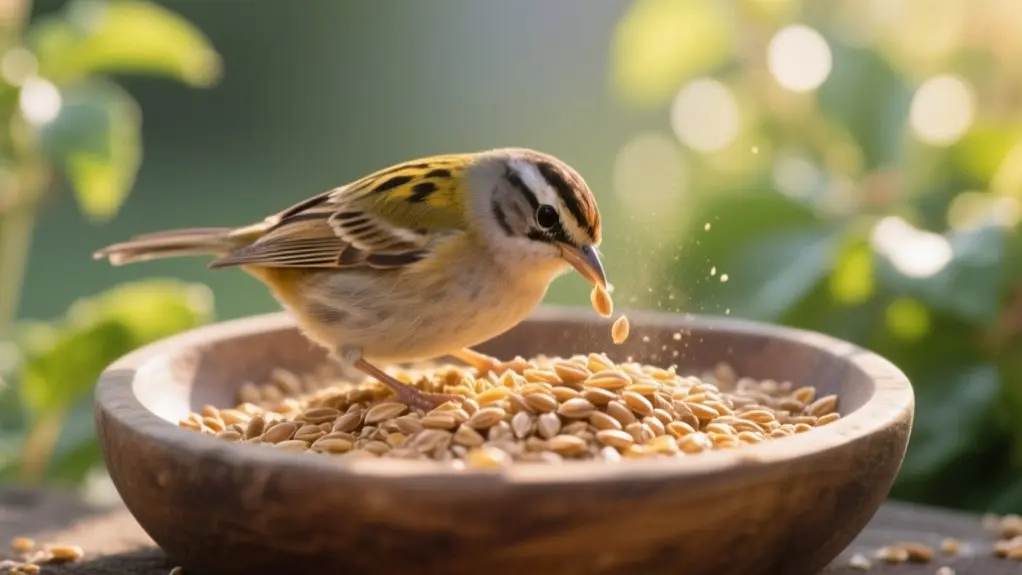
Yes, you can safely feed ground flaxseed to many birds, as it supports digestion, immunity, and vibrant feathers. Ground flaxseed is easier for birds to digest than whole seeds and provides beneficial Omega-3s, antioxidants, vitamins, and minerals.
Start with small amounts to avoid digestive upset and monitor their health. Proper storage keeps it fresh and nutritious. If you want to guarantee the best feeding practices and spot signs of intolerance, there’s more to discover about using ground flaxseed.
What Are Ground Flaxseeds and Why Birds Eat Them
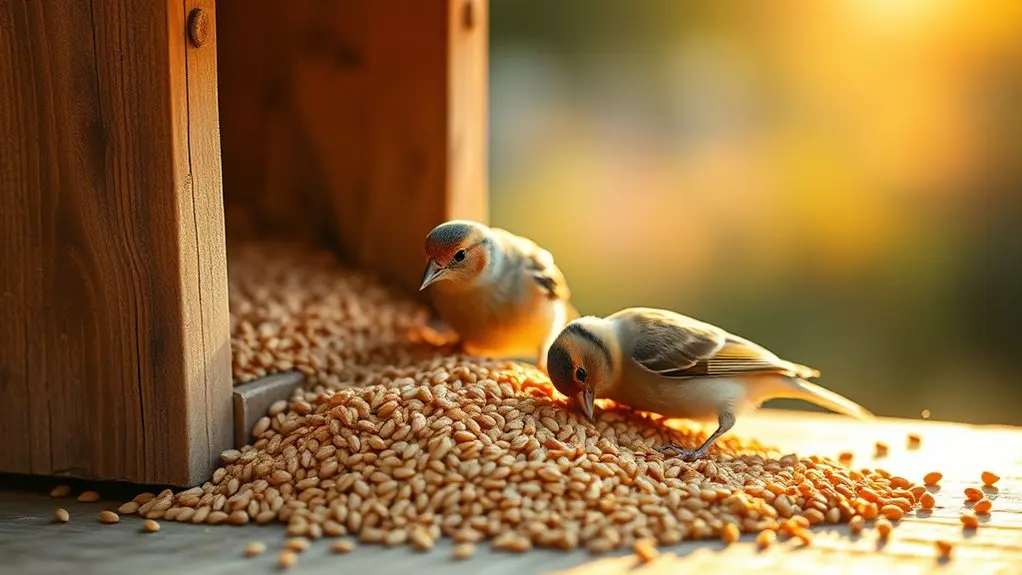
Ground flaxseeds are simply flax seeds that have been milled or crushed to make them easier for birds to digest and absorb nutrients. When you feed birds ground flaxseeds, you help support their digestive system by providing dietary fiber that aids in nutrient absorption.
Whole flax seeds can be tough for many birds, especially smaller species like finches, to break down. Offering ground flaxseeds in small amounts guarantees they get the benefits without digestive strain. The milling process enhances the availability of essential compounds, allowing your birds to better utilize the nutrients.
Including ground flaxseeds as a small part of their diet can improve their overall digestive health and make feeding more efficient for you and safer for the birds.
Key Nutrients in Ground Flaxseed for Bird Health
When you offer birds ground flaxseed, you’re not just making their meals easier to digest. You’re also providing a powerful nutritional boost.
Ground flaxseed contains key nutrients like dietary fiber, which helps prevent digestive issues such as constipation in a variety of birds.
It’s also packed with lignans that support overall health through their antioxidant properties. Furthermore, this seed delivers essential vitamins like the B complex, plus minerals including magnesium and manganese, all crucial for bodily functions.
These nutrients together help reduce inflammation, benefiting especially older or arthritic birds.
Including ground flaxseed in your bird’s diet guarantees they get a balanced mix of nutrients that support their digestive health and overall well-being, making it a smart addition for many avian species.
How Omega-3 Fatty Acids Improve Bird Health and Plumage
Although birds require a variety of nutrients for ideal health, Omega-3 fatty acids play a crucial role in maintaining vibrant plumage and overall well-being. When you include omega-3 fatty acids in your bird food, you support the health and strength of feathers, ensuring your bird’s plumage stays bright and resilient.
These essential fats also improve cardiovascular function, boosting heart health and circulation. By reducing inflammation, omega-3s help ease joint issues, enhancing your bird’s mobility and comfort.
Omega-3s support heart health and reduce inflammation, improving your bird’s circulation and joint comfort.
Furthermore, omega-3 fatty acids promote healthier skin, preventing dryness and irritation. Feeding your bird food rich in omega-3s can increase their energy and liveliness, making them more active and lively.
Including omega-3 fatty acids is a simple way to keep your bird healthy and beautiful.
Ground Flaxseed Antioxidants and Bird Immunity
You’ll find that ground flaxseed is packed with antioxidants, like lignans and vitamin E.
These powerful nutrients help boost your bird’s immune system. They work by reducing inflammation and fighting oxidative stress, which keeps your bird healthier overall.
So, by adding ground flaxseed to their diet, you’re giving their immunity a real boost.
It’s an easy way to support stronger health and keep your feathered friend feeling great.
Antioxidant Benefits Explained
Because ground flaxseed is packed with lignans, powerful antioxidants, it plays an essential role in boosting your bird’s immune system and protecting it against oxidative stress.
These antioxidant benefits help reduce inflammation, which promotes overall health and aids in quicker recovery when your bird faces illness.
By adding ground flaxseed to their diet, you enhance the availability of these antioxidants, supporting their long-term health and vitality.
Research shows that these antioxidants also improve feather quality and increase resilience, helping your bird stay strong over time.
Regularly feeding ground flaxseed fortifies your bird’s immune system, making them less vulnerable to infections and diseases.
Incorporating this nutrient-rich seed is a simple way to maintain your bird’s well-being and longevity.
Immunity Boosting Properties
When you include ground flaxseed in your bird’s diet, you provide a powerful blend of antioxidants and omega-3 fatty acids that actively support their immune system.
These immunity-boosting properties help combat oxidative stress and reduce inflammation, thanks to lignans and essential fatty acids.
Adding ground flaxseed regularly improves your bird’s digestive health by increasing fiber intake, which promotes better nutrient absorption.
A healthy digestive system is essential because digestive issues can lead to weakened immunity.
By supporting gut health, ground flaxseed enhances your bird’s overall immune response, helping them resist infections and stay healthy.
Including ground flaxseed in your bird’s diet is a natural way to strengthen their immune defenses and maintain peak well-being.
Introducing Ground Flaxseed Safely to Birds
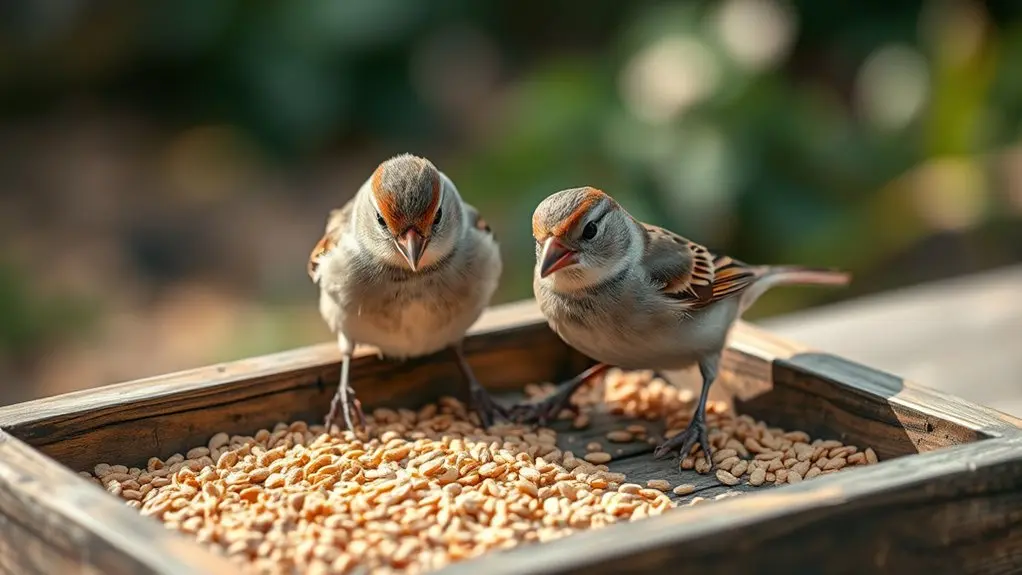
Introducing ground flaxseed safely to your birds requires a gradual approach to guarantee they adapt well and avoid digestive upset. When introducing ground flaxseed to your backyard birds, mix it slowly with their regular bird seed to help them get used to the new addition.
Start with just 1/4 teaspoon per feeding and watch for any digestive issues before increasing the amount. Remember, ground flaxseed is especially beneficial for smaller birds like finches because it’s easier to digest and packed with Omega-3 fatty acids for healthy feathers.
To confirm the best results:
- Mix ground flaxseed gradually with bird seed
- Start with small amounts (about 1/4 teaspoon)
- Monitor birds for digestive reactions
- Use fresh, properly stored flaxseed
- Focus on smaller backyard birds for easier digestion
Serving Ground Flaxseed: Whole vs. Ground for Different Birds
Two main forms of flaxseed, whole and ground, serve different bird species best based on their size and digestive capabilities.
Smaller birds, like finches, benefit most from ground flaxseed because it’s easier for them to digest and contains high levels of accessible Omega-3 fatty acids.
Ground flaxseed is ideal for small birds like finches, offering easy digestion and rich Omega-3 benefits.
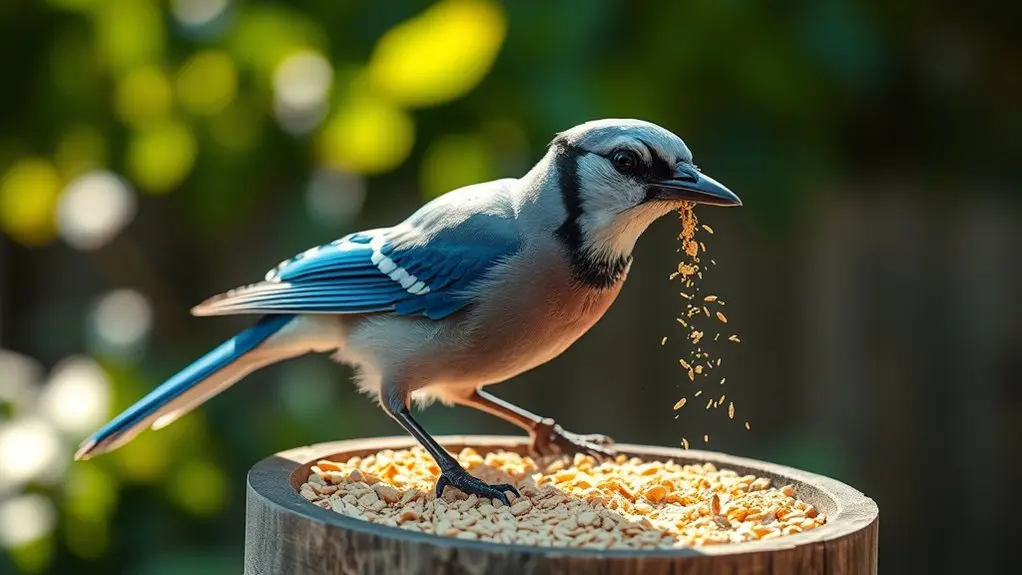
Frequent visitors with stronger beaks, such as bluejays, can handle whole flaxseeds, which offer the same nutritional value but require more effort to break down.
To help your birds adjust, introduce ground flaxseed gradually and consider soaking it for young or elderly birds to enhance hydration.
By tailoring flaxseed form to your birds’ needs, you guarantee they gain maximum health benefits without digestive discomfort.
This way, all your feathered friends can enjoy flaxseed’s rich nutrients safely.
How Ground Flaxseed Fiber Helps Bird Digestion
You’ll notice that the fiber in ground flaxseed really helps your bird’s digestion. It promotes healthy food movement and keeps constipation at bay.
Plus, it encourages better nutrient absorption and supports overall gut health. This combination keeps your bird active and thriving.
Just be sure to introduce the fiber gradually, so you don’t upset their digestive system.
Fiber Benefits For Birds
Ground flaxseed provides birds with a powerful source of dietary fiber that supports their digestive health in multiple ways. Understanding the fiber types in ground flaxseed helps you use it effectively for your bird’s diet.
Here are key fiber benefits to evaluate:
Soluble fiber promotes healthy gut bacteria, improving digestion.
Insoluble fiber prevents constipation by aiding regular bowel movements.
High fiber content supports appetite control, reducing overeating risks.
Fiber enhances nutrient absorption, boosting overall vigor.
Regular fiber intake lowers the chance of digestive disorders.
Digestive Health Support
Although birds naturally benefit from a varied diet, adding flaxseed fiber can greatly support their digestion by promoting regular bowel movements and fostering a balanced gut flora.
Ground flaxseed contains both soluble and insoluble fiber, which aids in fiber absorption techniques that optimize nutrient uptake.
This fiber also enhances digestive enzyme benefits, helping break down food more efficiently and preventing constipation.
By encouraging gut flora balance, flaxseed supports a healthy digestive environment, reducing toxins and waste buildup.
These effects not only improve digestion but also contribute to overall gut health and weight management by promoting satiety.
Including ground flaxseed in your bird’s diet guarantees they receive these digestive health benefits, supporting their well-being in a natural and effective way.
Gradual Fiber Increase
Adding flaxseed fiber to your bird’s diet works best when done gradually, allowing their digestive system to adjust smoothly.
Using fiber adaptation strategies like gradual dietary changes helps prevent digestive upset while boosting digestive health improvement.
Ground flaxseed’s soluble and insoluble fiber regulates bowel movements and prevents constipation, especially in young or older birds.
The lignans in flaxseed also support beneficial gut bacteria growth, enhancing nutrient absorption.
Start with small amounts and increase slowly to give your bird’s gut time to adapt.
- Introduce ground flaxseed incrementally
- Monitor your bird’s stool consistency
- Avoid sudden diet shifts
- Support beneficial gut bacteria growth
- Enhance overall fiber intake for digestion
This approach guarantees your bird enjoys flaxseed’s full digestive benefits safely.
Which Bird Species Thrive on Ground Flaxseed?
If you care for small birds like finches or canaries, you’ll find ground flaxseed especially advantageous since they often struggle to crack whole seeds. Various bird species have unique dietary preferences, and ground flaxseed meets many nutritional benefits, supporting feathers, digestion, and liveliness.
| Bird Species | Dietary Preference | Nutritional Benefits |
|---|---|---|
| Finches & Canaries | Small, soft seeds | Easier digestion, energy |
| African Greys | Larger seeds & nuts | Omega-3 for healthy feathers |
| Budgerigars | Mixed seeds | Digestive aid, vibrant plumage |
| Sparrows & Warblers | Small insects & seeds | Overall health boost |
| Young/Elderly Birds | Soft, easy-to-digest food | Gentle on digestion |
You’ll see ground flaxseed suits many species, enriching their diets with essential nutrients.
How to Store Ground Flaxseed to Keep It Fresh
Ground flaxseed offers many benefits to your birds, but keeping it fresh guarantees they get the most from its nutrients. Proper storage is key to maintaining its quality and preventing spoilage. Use these storage tips to assure peak freshness:
Store ground flaxseed in an airtight container to block moisture and air exposure.
Keep the container in a cool, dark place like a pantry or refrigerator to slow oxidation. You can also freeze flaxseed for long-term storage; it can last up to a year this way.
Try to use ground flaxseed within a few months of grinding to retain maximum nutrition.
Check freshness by smelling the flaxseed—fresh flaxseed has a mild, nutty aroma.
Controlling moisture and monitoring freshness will keep flaxseed safe and nutritious for your birds.
Combining Ground Flaxseed With Other Seeds for a Balanced Diet
Mixing flaxseed with other seeds can provide your birds with a well-rounded and nutritious diet. Using seed combinations like ground flaxseed with sunflower seeds or millet enhances dietary variety and supports diverse feeding strategies. Aim for about 10-20% ground flaxseed to keep the mix balanced and digestible.
This approach offers essential Omega-3s, fiber, protein, and crucial nutrients, catering to different bird species.
| Seed Combination | Key Nutrients | Benefits |
|---|---|---|
| Flaxseed + Sunflower | Omega-3, Protein | Energy boost, overall health |
| Flaxseed + Millet | Omega-3, Fiber | Palatable for smaller birds |
| Flaxseed + Canary Seed | Omega-3, Nutrients | Supports nutrient diversity |
This variety encourages healthy feeding habits and balanced nutrition.
Using Ground Flaxseed in Different Types of Bird Feeders
You’ll want to use feeders designed for smaller seeds when offering ground flaxseed. This helps attract finches and similar birds.
Mixing ground flaxseed with other seeds is a great idea, too. It encourages birds to try it while giving them a boost of Omega-3s for better nutrition.
Just make sure to store the flaxseed properly and use it quickly to keep it fresh.
Best Feeder Types
When choosing feeders for ground flaxseed, consider how different bird species prefer to eat. Your feeder placement strategies should align with seasonal feeding preferences and bird species behavior to maximize attraction.
Here are the best feeder types for ground flaxseed:
- Platform Feeders: Sprinkle ground flaxseed for surface foragers like sparrows and doves.
- Hopper Feeders: Mix ground flaxseed with other seeds for finches and chickadees.
- Suet Feeders: Add ground flaxseed to suet to boost energy for woodpeckers in cold seasons.
- Tube Feeders: Use mesh bags with ground flaxseed for nuthatches and warblers.
- Homemade Mixes: Include ground flaxseed to enhance nutrition, especially Omega-3s.
Matching feeders to bird habits guarantees they enjoy the flaxseed while you enjoy watching them thrive.
Ground Seed Benefits
Adding ground flaxseed to your bird feeders offers several key benefits, especially for smaller birds like finches that digest it more easily than whole seeds.
When considering flaxseed sourcing, choose fresh, high-quality ground flaxseed to guarantee birds receive ideal Omega-3 fatty acids, which promote healthy feathers and skin.
You can use ground flaxseed in various feeders, such as platform or tube types, catering to different bird preferences.
Adjust the feeding frequency gradually to allow birds’ digestive systems to adapt without upset.
By regularly including ground flaxseed in your feeding routine, you support overall bird health and well-being.
This versatile addition enhances nutrient intake while respecting birds’ natural preferences, making it a smart choice for anyone aiming to enrich their backyard bird feeding experience.
Mixing With Other Feed
Ground flaxseed blends smoothly with various birdseed mixes, boosting both nutrition and taste for your feathered visitors.
When mixing ground flaxseed, keep these tips in mind to cater to different seed preferences and guarantee flavor enhancement:
Use mixing ratios of 10-20% ground flaxseed within the total seed mix for balanced nutrition.
Combine ground flaxseed with soaked seeds to aid young or elderly birds in digesting their food.
Favor smaller bird species like finches, which benefit from the softer texture of ground flaxseed.
Regularly observe bird activity and health to confirm they’re adapting well to the new mix.
Experiment with different seed blends to find the best flavor enhancement for your local birds.
Signs to Watch for When Feeding Birds Ground Flaxseed
Although introducing flaxseed to your bird’s diet can offer many benefits, you’ll want to watch closely for signs that indicate how well your feathered friend is adjusting.
Monitor their digestive system for upset like diarrhea or bloating, which may signal intolerance.
Observe changes in feather condition. Vibrant plumage reflects good nutritional balance, often boosted by flaxseed’s Omega-3s.
Notice shifts in energy levels; increased liveliness suggests positive effects on bird dietary habits.
If your bird shows aversion to ground flaxseed, consider flaxseed alternatives and introduce them gradually.
Keep an eye on overall health improvements such as better cardiovascular function and reduced inflammation.
Staying attentive guarantees your bird thrives with this supplement while maintaining a well-rounded, balanced diet.
Frequently Asked Questions
Can Ground Flaxseed Cause Allergies in Birds?
Ground flaxseed rarely causes allergy symptoms in birds, so you don’t need to worry much about allergies.
However, you should introduce it gradually to avoid digestive upset, following proper feeding guidelines. This helps you monitor any unusual reactions closely.
Besides, ground flaxseed offers excellent nutritional benefits like omega-3 fatty acids and lignans, supporting your bird’s health.
If your bird has a history of allergies, consult an avian vet before feeding flaxseed.
Is It Safe to Feed Ground Flaxseed to Baby Birds?
Imagine planting a tiny seed that grows into a strong sapling; feeding ground flaxseed to baby birds works the same way.
You’ll boost their nutritional benefits, especially Omega-3s, which nourish feathers and support digestive health.
Start slow and follow feeding guidelines to avoid upsetting their delicate tummies. Soaking the flaxseed adds hydration, making it easier for them to digest.
Watch closely, and you’ll help them thrive with this gentle superfood.
How Often Should Ground Flaxseed Be Included in a Bird’s Diet?
You should include ground flaxseed in your bird’s diet a few times per week, balancing flaxseed nutritional benefits with bird digestion factors.
Smaller birds can handle it daily in moderation, while larger birds need gradual introduction.
Always source high-quality ground flaxseed to guarantee freshness and avoid mold.
Keep flaxseed at about 5-10% of their diet, and watch how your bird responds to adjust frequency for ideal health.
Can Ground Flaxseed Replace Fish Oil Supplements for Birds?
You might be tempted to let ground flaxseed take the spotlight, but it can’t quite steal the show from fish oil supplements.
While flaxseed benefits include being a great plant-based omega 3 source and adding fiber, it doesn’t provide the direct EPA and DHA your bird needs.
For true dietary balance, you’ll want to use flaxseed alongside fish oil, not replace it, to keep your feathered friend thriving.
Are There Any Birds That Should Avoid Ground Flaxseed Entirely?
Yes, you should avoid giving ground flaxseed to small birds like canaries and budgerigars because their delicate digestive health can be easily upset.
Birds with existing digestive problems also need to steer clear to prevent complications.
While flaxseed benefits many birds, you must consider seed variety considerations carefully, introducing it slowly if at all.
For sensitive or obese birds, limiting flaxseed is best to maintain their overall well-being.
Conclusion
You can definitely feed ground flaxseed to your birds, just like giving them a little nutritional treasure chest. Its omega-3s and antioxidants boost their health and plumage beautifully.
Start slowly and watch for any changes, ensuring their diet stays balanced with other seeds. Store it properly to keep it fresh, and your feathered friends will thrive, shining as brightly as a morning sunrise.
Ground flaxseed is a simple, natural way to support your birds’ well-being every day.