
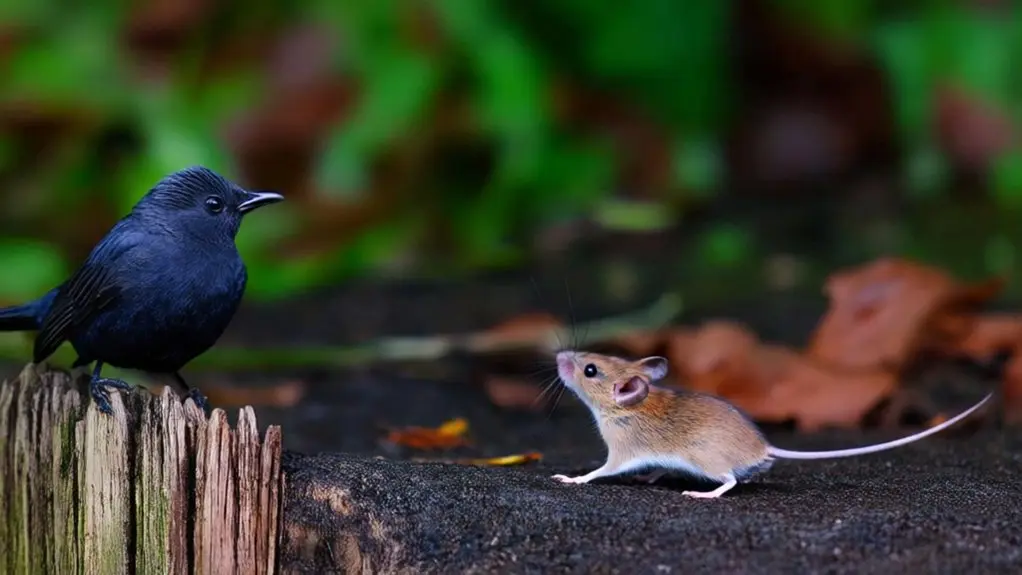
Yes, birds can get sick from mice because these rodents carry bacteria, viruses, and parasites that contaminate shared spaces. Mice spread infections like salmonella and avian influenza through urine, feces, and fur, especially near nesting sites and water sources.
They also introduce mites and lice that harm birds’ health. Contaminated feed and bedding heighten risks, causing respiratory and systemic symptoms.
Understanding these transmission pathways and preventive steps helps you protect your birds effectively and maintain their health.
Which Birds Are Most at Risk From Mice-Borne Diseases
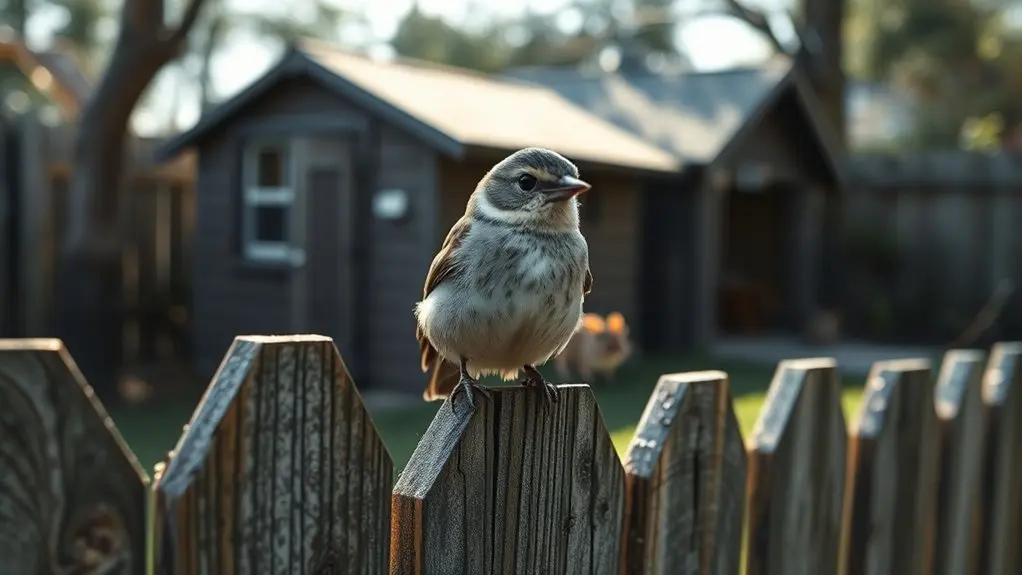
Although many bird species can encounter mice-borne diseases, pigeons, starlings, and sparrows face the greatest risk due to their tendency to inhabit areas near rodent populations. These birds’ nesting habits, often in cavities or close to water sources, increase their contact with environments contaminated by mice.
During bird migration, individuals may encounter new rodent habitats, further elevating exposure risks.
Migration exposes birds to unfamiliar rodent habitats, increasing their risk of encountering new diseases.
The proximity to rodents facilitates transmission of pathogens like salmonellosis and cryptococcosis, especially where nesting materials become contaminated. Urban birds and wild waterfowl sharing space with mice also face heightened infection rates.
Understanding these species’ nesting habits and migratory patterns helps clarify why they’re more susceptible to rodent-borne diseases.
It really comes down to the ecological overlap that promotes pathogen exchange between mice and birds. When you think about it, the more these birds share habitats with rodents, the higher the chances of disease transmission.
How Mice Spread Diseases and Parasites to Birds
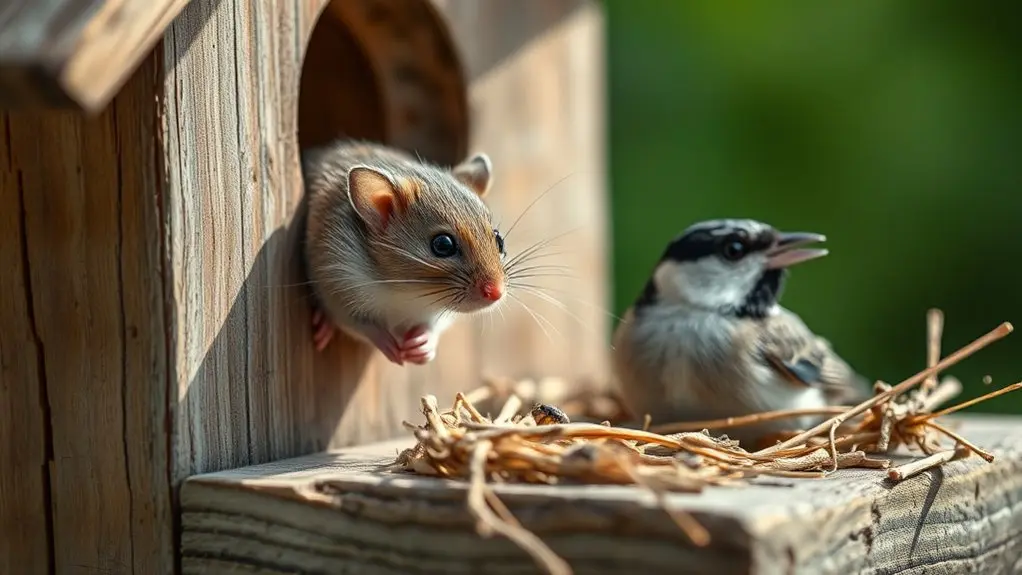
You should know that mice spread diseases to birds mostly through contaminated environments, like shared water sources and nesting spots. Their urine, feces, and fur can carry bacteria such as salmonella and leptospira, which birds can easily pick up.
On top of that, mice also carry parasites like mites and ticks. These little critters pose a risk of infestation when birds come into contact with them or with areas that are contaminated.
Disease Transmission Pathways
When mice live near water sources or bird nesting sites, they spread diseases and parasites to birds by contaminating shared environments with their feces, urine, and body parts. You’ll notice that mice habitats often overlap with important bird resources like water and food, which increases the chances of birds being exposed to pathogens.
Rodents move around a lot and gnaw on things, which helps spread infectious agents across these areas.
Infected mice can carry viruses such as H5N1, passing them to birds through contact with contaminated surfaces or droppings.
Plus, rodents can act as intermediate hosts, boosting pathogens that mightn’t otherwise reach bird populations.
Their presence in nesting sites and feeding areas makes things worse by contaminating places birds rely on for survival and raising their young.
Parasite Infestation Risks
Beyond transmitting viruses, mice also play a big role in spreading parasites that affect birds. You should know that mice carry ticks, fleas, and mites, which can infest birds and increase their risk of disease. Since rodents often share environments with wild waterfowl, especially during bird migration periods, they help pass parasites along.
Mice contaminate bird habitats through urine, feces, or direct contact, leaving behind parasite eggs or larvae. This contamination is especially worrying near nesting sites, where birds are more vulnerable because they’re in close contact and exposed for longer periods.
Infested mice introduce pathogens that cause respiratory and other health problems in birds.
If you manage bird enclosures, controlling mouse populations is really important. Doing so helps reduce the risk of parasite transmission and prevents outbreaks that could seriously harm bird health and survival.
How Mice Contaminate Bird Feed and Bedding
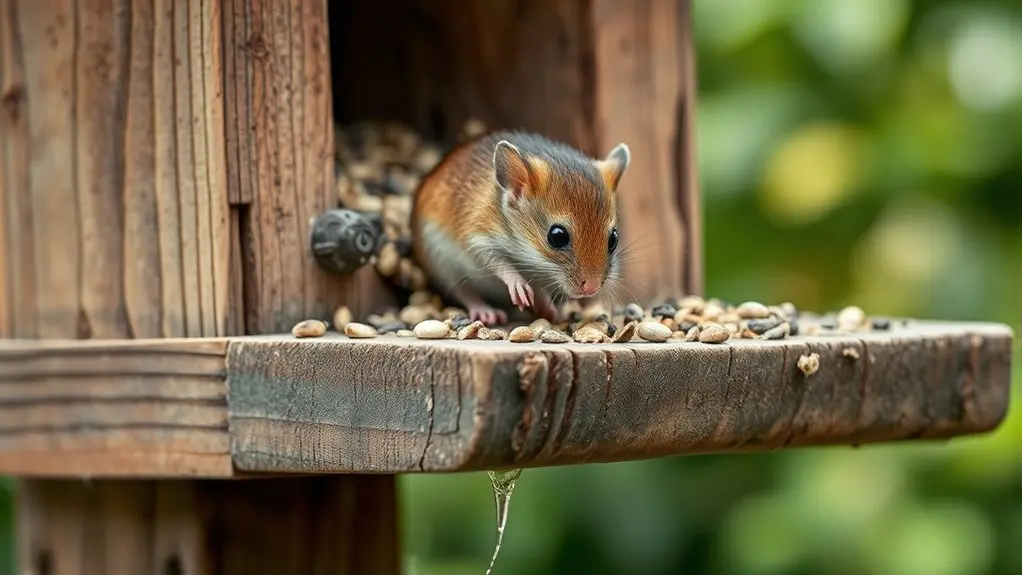
Although mice are small, their ability to infiltrate stored bird feed and bedding poses significant health risks. You should know that mice contaminate these materials primarily with urine, feces, and saliva. Each of these can carry harmful pathogens like Salmonella and E. coli.
This contamination puts bird health at risk, especially during activities such as nest building and feather grooming.
Here’s how mice contaminate bird supplies:
- Their small size allows easy access to feed and bedding storage.
- They defile materials with droppings and bodily fluids, introducing bacteria.
- Birds ingest or come into contact with contaminated items, increasing illness risk.
To protect your birds, inspect and store feed and bedding properly. Doing this reduces opportunities for mouse infiltration and contamination.
Parasites Mice Carry That Infect Birds (Mites, Lice, and More)
Mice not only contaminate bird feed and bedding with harmful bacteria but also carry ectoparasites like mites and lice that pose a direct threat to bird health. These parasites can transfer from mice to birds, starting infestations that damage feathers, irritate skin, and weaken immune systems.
Mice spread harmful bacteria and parasites like mites and lice, threatening bird health and wellbeing.
Understanding the mite lifecycle is essential because mites reproduce rapidly, which increases the risk of infestations within bird habitats.
Lice, on the other hand, cling tightly to feathers and skin, feeding on blood or skin debris. Their presence can make existing infections worse.
Since mice serve as reservoirs for these parasites, controlling their population is critical for preventing lice and reducing mite transmission.
How to Spot If Your Birds Are Sick From Mice
You should watch for signs like respiratory distress, lethargy, and changes in their droppings. These are pretty common indicators that your birds might be sick because of mice exposure.
Also, keep an eye out for behavioral changes. If your birds seem less active than usual or if their egg production drops, it could mean something’s wrong.
Physical symptoms often show up as respiratory infections. This happens because airborne spores from contaminated mouse droppings can affect your birds’ breathing.
Signs Of Illness
When birds show signs such as lethargy, decreased appetite, or respiratory distress, it often indicates exposure to pathogens carried by rodents. Monitoring these signs is crucial, especially during bird migration seasons or in nesting areas where birds are more vulnerable.
To identify illness linked to mice, focus on these key indicators:
- Observe respiratory symptoms like nasal discharge, coughing, or swollen eyes. These often signal infection from rodent-borne diseases.
- Check for sudden declines in egg production or increased mortality. These can be early warnings of disease transmission.
- Inspect the habitat for mouse droppings or urine since these increase contamination risk and potential exposure.
Behavioral Changes Observed
How can you detect if your birds are showing behavioral signs of illness linked to rodent exposure? Keep an eye out for lethargy, reduced activity, or loss of appetite. These often point to underlying health issues.
Also, watch for unusual feather plucking. This might mean your birds are feeling distressed or uncomfortable because of rodent-borne infections.
Notice if your birds start to withdraw socially. They might isolate themselves or change how they interact with others, which could signal illness.
Sudden drops in egg production or changes in reproductive behavior can also be signs connected to diseases spread by mice. Catching these subtle changes early helps with quick diagnosis and treatment, which lowers the risk of serious problems.
Physical Symptoms Noted
Although behavioral changes often signal illness, physical symptoms provide critical evidence for diagnosing rodent-borne diseases in birds. When mice transmit pathogens, you need to spot specific signs to protect your flock effectively.
Look for feather discoloration and ruffled feathers, which indicate stress or infection affecting plumage quality. Beak deformities or abnormal growth can suggest metabolic or nutritional disturbances linked to disease.
Respiratory symptoms such as nasal discharge or labored breathing, alongside diarrhea or abnormal droppings, reflect systemic infection.
Sudden death without a clear cause also flags possible rodent-borne illness. Combine these observations with evidence of rodent activity around your coop to confirm the risk.
Early detection through these physical symptoms helps you intervene promptly and reduce disease spread.
How to Identify Mouse vs. Rat Droppings in Bird Areas
Since identifying rodent droppings accurately can prevent the spread of disease among birds, you need to distinguish between mouse and rat feces carefully.
A droppings comparison reveals that mouse feces are small, measuring about 1/8 to 1/4 inch, and appear as tiny dark pellets scattered in groups.
In contrast, rat droppings are larger, ranging from 1/2 to 3/4 inch, with an oblong shape and blunt ends. They’re often found in concentrated clusters.
These size and shape differences are critical for pest identification in bird areas.
Recognizing these distinctions helps you implement the correct control measures specific to mice or rats, reducing health risks to birds.
Accurate droppings identification is essential for effective monitoring and managing rodent populations near avian habitats.
It really makes a difference when it comes to protecting the birds.
Why Rodent Control Is Crucial for Healthy Birds
Because rodents can carry a variety of pathogens harmful to birds, controlling their populations near avian habitats is essential for maintaining bird health. Mice contaminate feed and water sources, which increases infection risks, especially during vulnerable periods like bird migration.
Their small size lets them slip through tiny openings, bringing pathogens right into bird enclosures.
You should prioritize rodent control because rodents live close to bird habitats, creating ongoing risks of disease transmission. They can pass on serious illnesses like salmonella and avian influenza (H5N1), which can threaten entire bird populations.
Effective Biosecurity Measures to Keep Mice Away From Birds
Controlling rodent populations near bird habitats requires more than just being aware of the risks. It actually demands putting effective biosecurity measures in place. You should install rodent-proof netting and seal holes as small as six millimeters to keep mice out.
Regular sanitation is really important. Make sure to remove leftover bird food and nesting materials quickly so they don’t attract rodents. Using rodent traps and bait stations around the perimeter can help reduce mouse numbers effectively.
Adding metal or concrete barriers and ensuring proper drainage around bird coops will also stop mice from burrowing or swimming in.
And don’t forget to do routine inspections to find and fix any weak spots. These combined strategies work together to keep birds safe from contamination and diseases that rodents can spread.
What to Do If Mice Are Making Your Birds Sick
When mice start making your birds sick, prompt action is essential to minimize disease spread and protect your flock’s health. Since infected mice can shed viruses like H5N1, you need to address contamination quickly. This helps preserve normal bird migration patterns and feather coloration affected by illness.
Follow these steps:
- Seal entry points: Close holes as small as six millimeters to prevent mice from getting into poultry houses.
- Enhance sanitation: Remove feces and urine promptly to reduce the environmental viral load.
- Isolate and monitor: Separate symptomatic birds to limit transmission. Keep an eye on any changes in behavior or feather coloration that might indicate stress or disease.
Controlling rodent presence helps maintain healthy migration behaviors and keeps your birds’ feather coloration vibrant. This reflects their overall health and well-being.
Professional Help: When and How to Get Rodent Control Services
Addressing rodent infestations in poultry environments often requires specialized expertise beyond basic preventive measures. Professional rodent control services apply knowledge of urban wildlife and pest ecology to identify and seal entry points effectively. This helps prevent mice from contaminating bird areas.
Certified experts use humane trapping and baiting strategies to reduce rodent populations, which minimizes virus transmission risks such as H5N1 and hantavirus. Regular inspections by pest control professionals help detect early signs of rodent activity. This is vital for preventing outbreaks.
Integrated pest management plans combine sanitation, exclusion, and population control to ensure extensive mitigation. You should seek prompt professional intervention once you suspect rodent presence to safeguard poultry health and limit zoonotic disease spread.
Relying on trained specialists ensures accurate assessment and efficient control in complex urban wildlife scenarios.
Frequently Asked Questions
Can Pet Birds Transmit Diseases From Mice to Humans?
Yes, pet birds can transmit diseases from mice to humans if their avian immunity is compromised.
You should prioritize rodent control and maintain strict hygiene to minimize pathogen transfer.
This helps protect both bird and human health effectively.
Do Wild Birds Also Get Sick From Mice-Related Infections?
You might think mice behavior barely affects wild birds, but it does. Pathogens in rodent waste challenge bird immunity, making them vulnerable.
Their health depends on exposure and immune strength. So yes, wild birds can get sick from mice.
How Quickly Can Mice Infest a Bird Coop?
Mice can infest a bird coop within days to a week, exploiting tiny entry points during bird nesting.
You’ll need effective rodent control to prevent rapid reproduction and protect your coop’s health and safety.
It’s surprising how fast they can take over if you’re not careful. So, keeping an eye out and sealing any small gaps is really important.
Are Certain Mouse Species More Dangerous to Birds?
You’ll find that house mice pose greater risks in mouse bird interactions due to closer proximity to humans. This increases the chances of disease transmission.
On the other hand, smaller species like pygmy mice are less dangerous when it comes to spreading illnesses to birds. So, not all mice carry the same level of risk. It really depends on their species and where they live.
Can Birds Recover Fully After Mice-Related Illnesses?
Like a shield against arrows, your bird’s immune system can fight mice-borne diseases effectively. With prompt treatment and strict disease prevention, you’ll help your bird recover fully. This restores their health and keeps those infections from coming back.
It’s all about catching the problem early and staying on top of care. When you do, your bird has a great chance of bouncing back strong. So, don’t wait if you suspect something’s wrong—act quickly and keep your feathered friend safe.
Conclusion
If you keep birds, you should know that mice can transmit over 30 different parasites and diseases to them, posing a serious health risk. Ignoring rodent control can lead to contaminated feed, parasite infestations, and illness in your flock.
By implementing strict biosecurity measures and acting quickly at the first sign of sickness, you can protect your birds effectively. Don’t underestimate how vital rodent management is for maintaining healthy, thriving birds.