
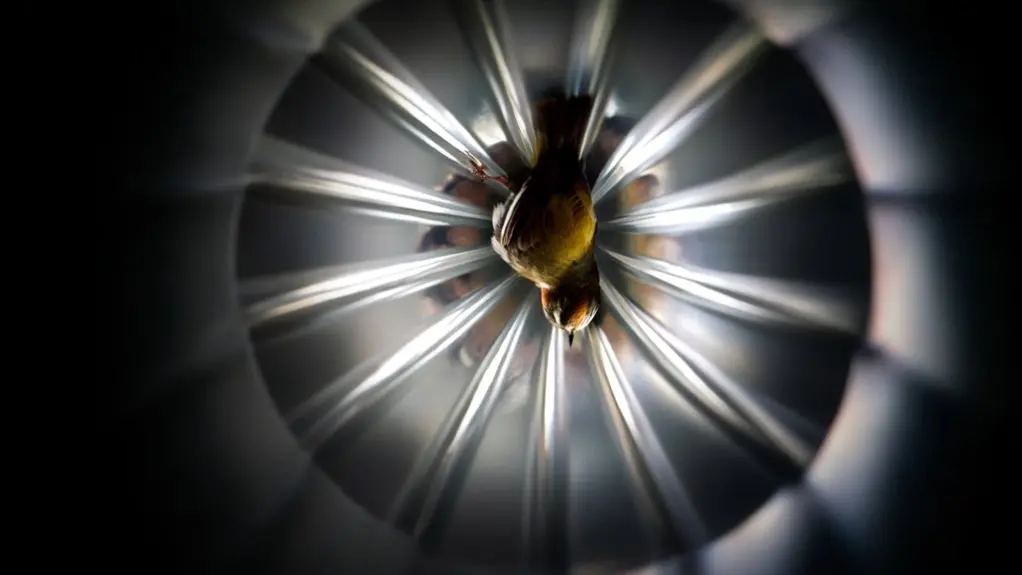
Yes, birds can get stuck in dryer vents when they build nests inside. This can cause blockages, reducing airflow and drying efficiency by over 30%. It also increases fire risks due to accumulated debris.
You might notice longer drying times, unusual smells, or frequent bird activity near the vent. Removing nests safely requires protective gear and proper tools to prevent exposure to allergens.
Understanding why birds choose vents and how to handle invasions will help you address these issues effectively.
How To Spot a Bird’s Nest in Your Dryer Vent?
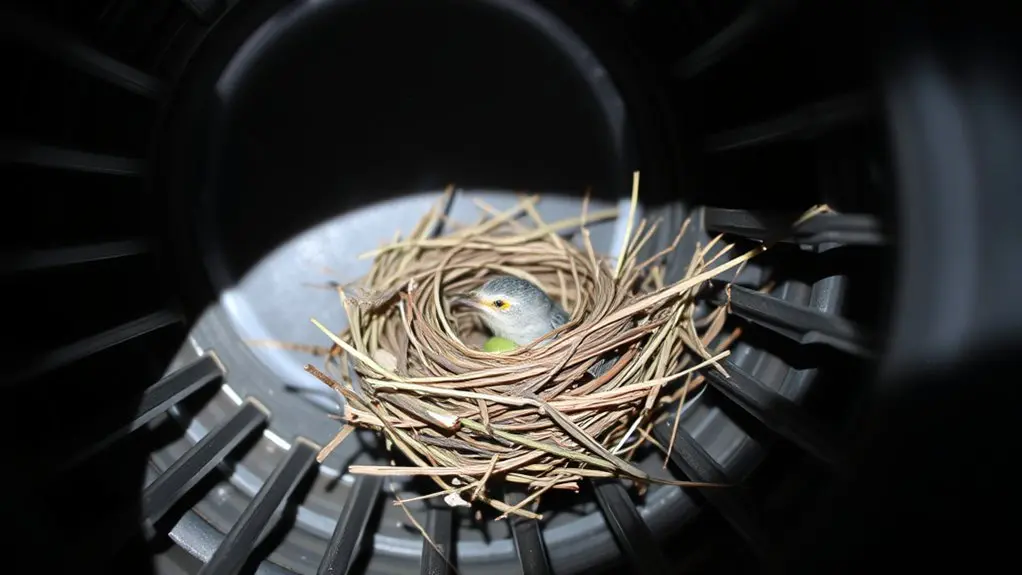
Although bird nests in dryer vents mightn’t be immediately obvious, you can spot them by looking for visible debris, twigs, or nesting materials around the vent opening. Certain bird species prefer sheltered, warm locations like dryer vents to build their nests.
Bird nests in dryer vents may be hidden but look for twigs and debris near the vent opening.
You may also notice frequent sightings of these birds near or entering the vent area, indicating potential nesting activity.
Using a flashlight, physically inspect the vent pipe for nests composed of collected nesting materials. Longer drying times or a musty odor can signal blockages caused by accumulated nesting materials.
Changes in dryer performance, including overheating or unusual smells, often point to obstructions like bird nests.
Problems Caused by Bird Nests in Dryer Vents
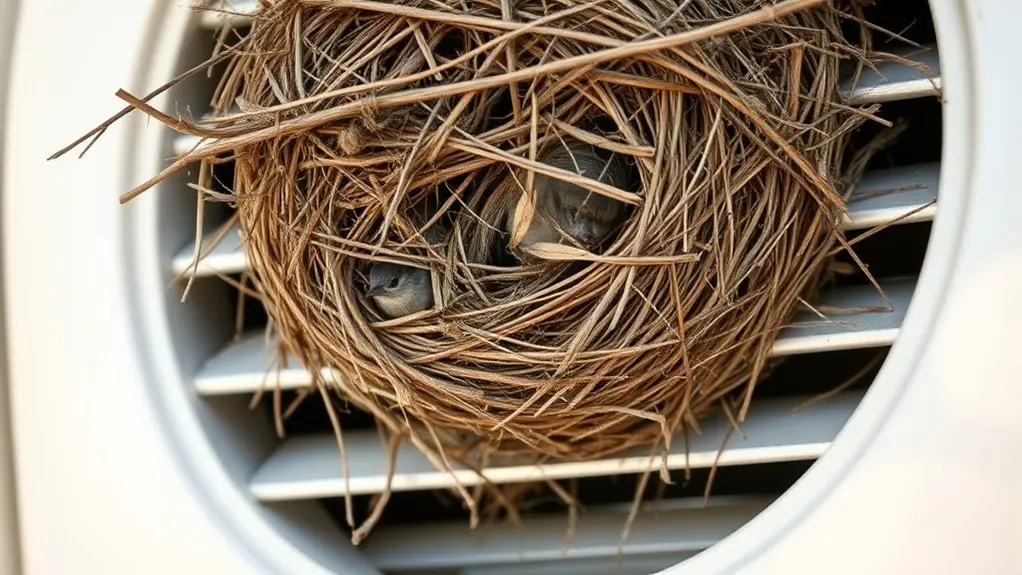
Identifying bird nests in your dryer vent is only the first step. Understanding the problems they cause is just as important. During bird migration, some species may take advantage of your vent’s warmth for nesting, which can disrupt your dryer’s function.
The nesting habits of birds lead to airflow blockages. This reduces drying efficiency by over 30% and increases energy consumption. Blocked vents also raise the risk of fire. In fact, about 15,500 home fires each year are linked to these kinds of obstructions.
Plus, nests can introduce parasites and allergens. This lowers indoor air quality and poses health risks. Birds trapped inside vents might get injured, creating safety concerns for both the animals and your household.
Tools You’ll Need for Safe Nest Removal
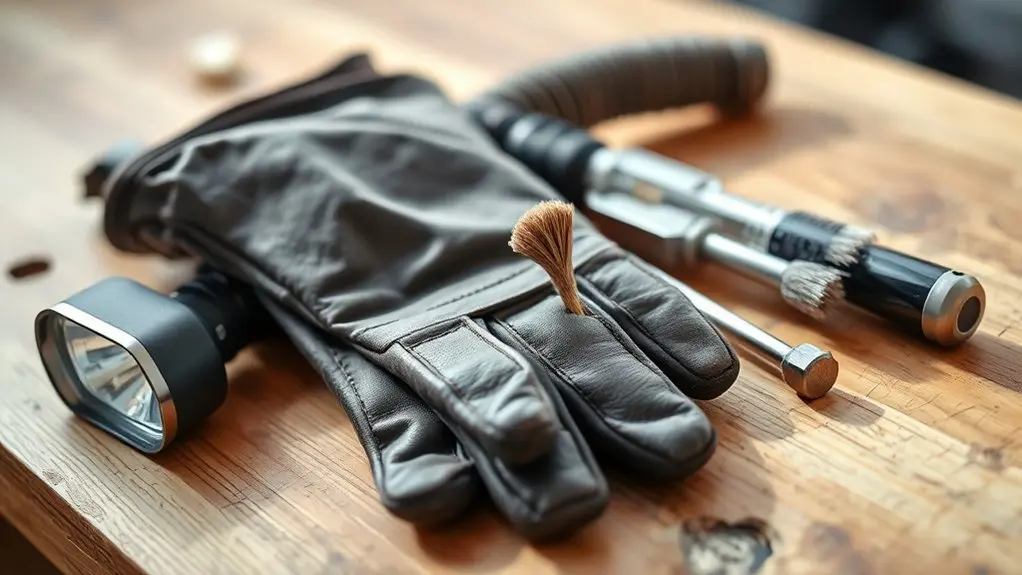
Before you begin removing a bird nest from your dryer vent, you’ll need specific tools to guarantee the process is safe and effective. A screwdriver is essential to remove the vent cover, allowing access to nesting materials influenced by bird behavior patterns.
Use a flashlight to inspect the vent’s interior, evaluating how extensively the nest and debris have accumulated.
Tongs or a grabber enable careful extraction without damaging the vent structure. A vacuum with a hose attachment helps eliminate residual dust and loose nesting materials thoroughly.
Additionally, wear gloves and a mask to protect yourself from allergens, dust, and potential parasites commonly associated with bird nests.
These tools collectively ensure a methodical, safe approach to nest removal aligned with the scientific understanding of bird nesting habits.
Taking these steps makes the whole process easier and helps you avoid any unwanted surprises.
Step-by-Step Guide to Removing Bird Nests
With the proper tools prepared, you can begin the nest removal process by carefully unscrewing the vent cover to gain access to the interior.
Bird species commonly nesting in vents have specific nesting habits. They often choose sheltered, warm spaces.
Use tongs or a grabber to gently extract the nest. This helps minimize disturbance to the vent structure.
Make sure to wear gloves and a mask throughout the process to protect yourself from allergens and parasites that might be in the nesting materials.
After removing the nest, vacuum the vent and the surrounding area thoroughly to get rid of any leftover debris.
This step is important because it can help prevent birds from trying to nest there again.
Finally, reassemble the vent cover securely to keep the birds from coming back in.
Understanding the nesting habits of different bird species can really help you anticipate where nests might be.
This knowledge makes the removal process safer and more effective while keeping your vent intact.
When to Call a Pro for Dryer Vent Bird Nest Removal
If you face a large or deeply embedded bird nest in your dryer vent, calling a professional is the safest course of action. Experts understand bird habitat and nesting behavior, so they can remove the nest without harming the birds or damaging the vent. Trying to do it yourself can lead to injury or incomplete removal.
This is especially true with severe blockages or contaminated debris. When the situation is tricky, it’s best to leave it to someone with experience.
| Condition | Action |
|---|---|
| Large or embedded nest | Call a professional |
| Difficulty in removal | Seek expert assistance |
| Severe vent blockage | Hire trained technicians |
| Extensive droppings or debris | Request thorough cleaning |
| Recurring bird presence | Contact wildlife control expert |
Professionals have specialized tools and knowledge to handle these problems safely and effectively. So, if you’re unsure, don’t hesitate to get expert help.
Why Birds Choose Dryer Vents for Nesting
Why do birds often select dryer vents as nesting sites? Dryer vents offer a unique bird habitat that aligns well with certain birds’ nesting habits. The vents provide a sheltered, warm, and protected environment, ideal for birds like sparrows and starlings.
Their open and accessible design makes entry easy, while the quiet, undisturbed location reduces threats from predators. Inside, the vents create a secure space to lay eggs and raise young, especially during colder months.
Additionally, the accumulation of lint and debris inside vents mimics natural nesting materials, which further attracts birds. Understanding these factors helps explain why dryer vents become favored nesting sites. It all comes down to specific bird habitat preferences and nesting habits focused on safety, warmth, and resource availability.
Simple Tips to Prevent Birds Nesting in Dryer Vents
Although birds are naturally drawn to dryer vents for nesting, you can take effective measures to prevent this behavior. Prioritize bird safety by installing a vent cover with a fine mesh screen to block entry points, considering birds’ nesting habits.
Regularly inspect and clean the vent area to eliminate debris and reduce attractiveness.
Trim nearby branches and vegetation to discourage roosting near the vent opening.
You can also use bird deterrent devices such as reflective objects or noise makers to further dissuade birds from nesting.
Make sure the vent is properly sealed and maintained to minimize gaps that birds might exploit.
These steps work together to reduce the risk of birds nesting in dryer vents. That way, you protect both your home’s ventilation system and local bird populations.
Frequently Asked Questions
Can Birds Survive Inside a Dryer Vent?
You can understand birds may survive briefly inside a dryer vent, but poor feather maintenance and lack of food reduce chances.
It’s not a great place for them to hang out for long. Use nest removal techniques promptly to prevent harm and improve bird safety during rescue efforts.
Acting quickly can make all the difference when you find birds stuck in vents.
Are Certain Bird Species More Likely to Enter Vents?
You’ll notice certain birds, like sparrows and starlings, are more inclined to explore dryer vents during bird migration and nest building. Their small size and preference for sheltered, warm spots make them prime candidates for vent entry.
It’s pretty common for these birds to seek out cozy places when they’re on the move or looking to raise their young. Vents offer just the right kind of protection from the elements and predators. So, it makes sense they’d be drawn to these spots.
How Do Birds Get Inside Closed Dryer Vents?
You’ll find birds enter closed dryer vents by exploiting small gaps caused by damaged covers. They’re driven by nesting behavior and bird migration instincts, always seeking warmth and shelter.
These birds can squeeze through flexible openings, even when the vent appears closed. It’s surprising how determined they are to find a cozy spot. So, even a seemingly secure vent might have tiny entry points they can use.
Can Bird Droppings in Vents Cause Health Issues?
You should know that 10% of respiratory infections link to bird droppings. During bird migration and nest building, droppings accumulate in vents, harboring harmful fungi and bacteria. This buildup increases risks of asthma, allergies, and zoonotic diseases indoors.
Is It Legal to Remove Bird Nests From Vents?
You can remove nests legally if they’re abandoned and the species isn’t protected. Always consider legal regulations and avoid disturbing active nests.
It’s a good idea to consult local authorities to make sure your nest removal complies with relevant conservation laws and legal considerations. That way, you’re staying on the safe side and respecting wildlife.
Conclusion
Birds can indeed get stuck in dryer vents. Studies show that up to 30% of dryer vent blockages are caused by animal nests.
Knowing how to spot and safely remove these nests is essential. It helps prevent fire hazards and keeps your dryer working efficiently. Using the right tools and techniques minimizes risk. But if it ever feels unsafe, don’t hesitate to call a professional.
Taking preventive measures can really cut down the chances of birds nesting in your vents. This way, you’re protecting both your home and the local wildlife.