
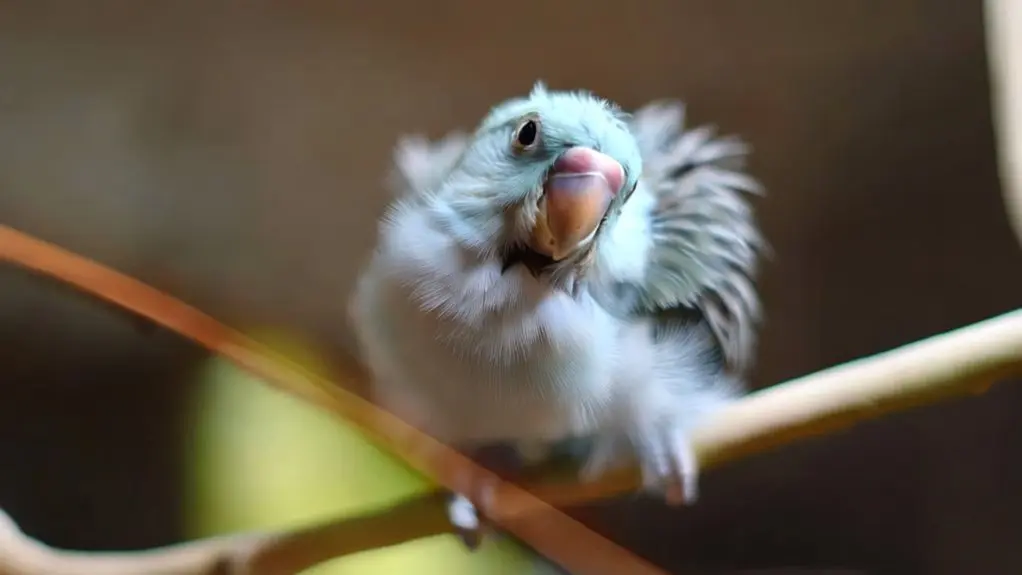
Yes, birds, especially parrots, can develop asthma-like conditions caused by allergic reactions to airborne irritants like powder down, dust, and fungus. This triggers airway inflammation, making breathing difficult and causing symptoms like wheezing, tail bobbing, and open-mouth breathing.
If untreated, it can lead to severe respiratory distress or even fatal outcomes. You’ll discover how vets diagnose, treat, and help prevent this condition to protect your bird’s health and comfort.
What Is Bird Asthma? Causes and Development
Although bird asthma, also known as hypersensitivity pneumonitis or Macaw Asthma, primarily affects certain parrots, you should understand it as an allergic reaction caused by inhaling environmental allergens like powder down.
This condition develops when your bird’s immune response overreacts to airborne particles, leading to inflammation and airway constriction.
Birds with a genetic predisposition are more susceptible because their immune systems react more aggressively to triggers such as powder down from cockatoos and African grey parrots.
Certain birds inherit a stronger immune reaction to allergens like cockatoo and African grey powder down.
This heightened immune response causes respiratory distress due to airway inflammation.
Recognizing the underlying causes helps you manage exposure and seek appropriate diagnosis.
Diagnosis usually involves ruling out infections and evaluating lung function.
Understanding bird asthma’s development empowers you to protect your bird’s respiratory health effectively.
Symptoms of Bird Asthma
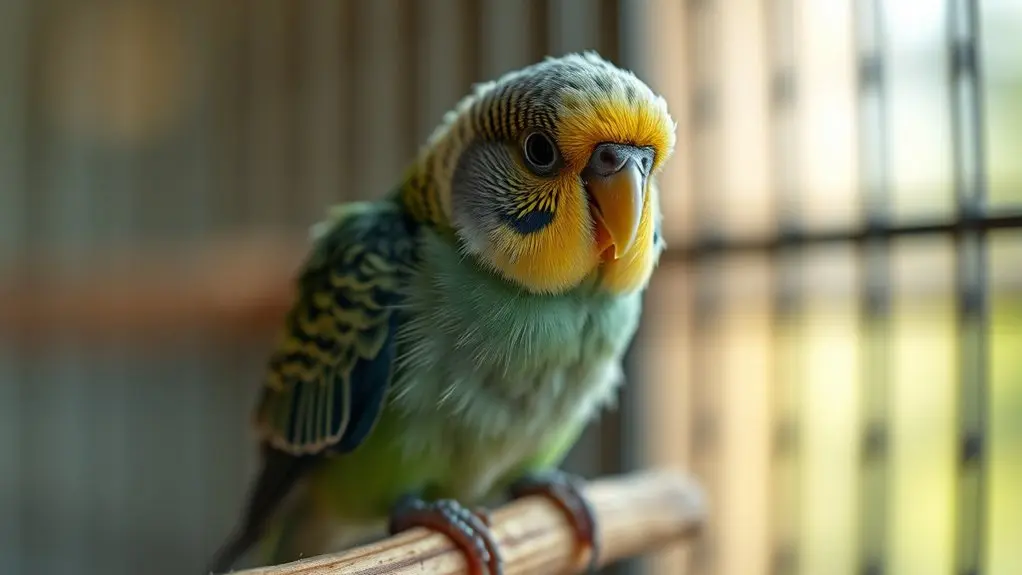
Understanding the causes and development of bird asthma sets the foundation for recognizing its symptoms early. You’ll notice labored breathing, including open-mouth breathing and tail bobbing, as primary signs. Wheezing, squeaking, or high-pitched respiratory noises often accompany these episodes.
Chronic asthma may affect your bird’s feather health, causing dull or ruffled feathers due to distress. Vocal changes are also common; your bird’s usual calls might become hoarse or weaker. Activity levels often drop as breathing becomes more difficult.
In severe cases, a bluish tint around the beak and legs, called cyanosis, signals dangerously low oxygen levels. Being attentive to these signs helps you intervene quickly and seek veterinary care, improving your bird’s quality of life.
Common Causes and Triggers of Bird Asthma
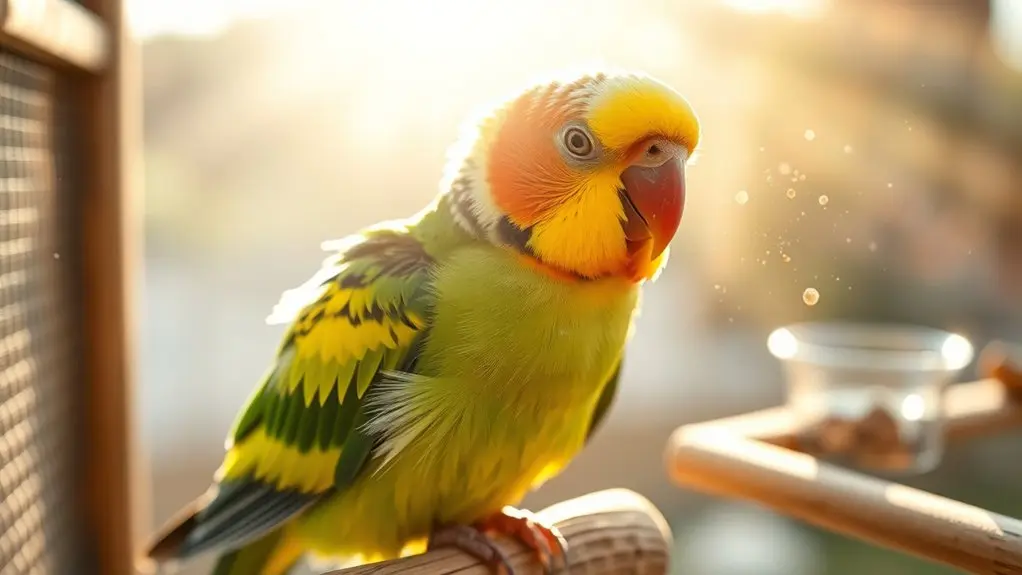
You’ll want to keep an eye out for airborne irritants, like powder down from cockatoos and African grey parrots. These can sometimes provoke hypersensitivity reactions in your bird.
Also, environmental fungal spores, especially from *Aspergillus*, tend to contaminate poorly ventilated areas and can trigger respiratory inflammation.
Environmental Fungal Exposure
How do fungal spores in a bird’s environment contribute to asthma symptoms? Fungal spores, especially from *Aspergillus*, are common airborne triggers that can provoke severe respiratory inflammation in birds. These spores thrive in damp, poorly ventilated areas, contaminated nesting materials, and even in food, water, or bedding.
When inhaled, they can cause aspergillosis, a leading fungal-related respiratory disease that often worsens asthma-like symptoms.
To protect your bird, maintaining strict environmental hygiene is essential. Ensuring proper ventilation, regularly cleaning living spaces, and using antifungal agents help reduce fungal spore levels.
By controlling these environmental factors, you can markedly lower your bird’s risk of fungal exposure and alleviate asthma triggers.
This promotes healthier, easier breathing for your feathered companion.
Airborne Irritant Sources
What airborne irritants should you watch for to protect your bird from asthma triggers? Feather dust, especially from cockatoos and African grey parrots, releases fine particles that can irritate your bird’s airways. Cage cleaning is another critical factor. Residue from cleaning agents often contains volatile organic compounds (VOCs) that become airborne and worsen respiratory irritation.
Dust, mold, and bacteria accumulating in bedding, nesting materials, or contaminated cages also contribute to airway inflammation. Plus, poor ventilation and high indoor humidity increase airborne mold and dust levels, which raises asthma risks.
Allergens from pet dander, feathers, and droppings can linger in the air, sensitizing your bird’s respiratory system.
To minimize these triggers, keep your bird’s environment clean and well-ventilated. Also, make sure to use bird-safe cleaning products when managing their habitat. These simple steps can go a long way in protecting your feathered friend’s health.
How Veterinarians Diagnose Bird Asthma
Although diagnosing asthma in birds can be challenging, veterinarians rely on a combination of methods to accurately identify the condition. They begin by ruling out infections through physical exams, blood tests, and tracheal wash procedures.
Blood tests often reveal elevated white blood cell counts, signaling inflammation or allergic responses potentially linked to genetic predispositions.
Elevated white blood cells in blood tests indicate inflammation or allergies, possibly tied to genetic factors.
Chest X-rays help detect lung inflammation, airway constriction, or scarring characteristic of asthma.
Tracheal washes further assess mucus and cellular changes, excluding other respiratory diseases.
In complicated cases, lung biopsies confirm diagnosis and evaluate airway remodeling.
Understanding these diagnostic steps is essential before exploring alternative therapies for managing bird asthma.
This way, you can really grasp the condition’s complexity and see why tailored veterinary care is so important.
Treating and Managing Bird Asthma
Since bird asthma involves chronic airway inflammation, effective treatment focuses on reducing this inflammation and managing environmental triggers. You’ll likely need to work closely with your vet to administer anti-inflammatory medications and glucocorticoids.
Alongside medical treatment, diet modifications and behavioral adjustments play a crucial role in management. These help reduce stress and exposure to allergens.
To effectively treat and manage bird asthma, consider:
- Administering prescribed anti-inflammatory drugs to ease airway inflammation.
- Providing supplemental oxygen during acute breathing difficulties.
- Improving ventilation and using air filters to decrease airborne irritants.
- Scheduling regular veterinary check-ups, including lung X-rays and tracheal washes for monitoring.
These steps will help you control symptoms and improve your bird’s quality of life. It’s all about keeping your feathered friend comfortable and healthy.
Preventing Bird Asthma: Care and Environment Tips
When you prioritize a clean and well-ventilated environment, you really cut down the risk of your bird developing asthma. Regularly cleaning and dusting the cage and the surrounding area helps keep airborne allergens at bay, which can irritate your bird’s respiratory system.
Think about the cage design too. Choose materials that don’t trap dust and make sure there’s good airflow. You can also use air filters and keep humidity levels between 50-60% to reduce dust buildup and ease respiratory stress.
It’s a good idea to adjust your bird’s diet by including low-dust foods. Avoid powder-down products that some parrots have because they can make allergen exposure worse.
Also, keep your bird away from smoky, musty, or polluted places to protect its breathing.
Taking these simple steps really supports your bird’s overall well-being and helps prevent asthma from starting in the first place.
When to Seek Emergency Help for Bird Breathing
If you notice your bird struggling to breathe, showing signs like labored breathing, open-mouth gasping, or any bluish discoloration on its comb or wattles, you need to act immediately. These symptoms indicate respiratory distress and require urgent veterinary care.
Proper bird nutrition and regular feather grooming help maintain respiratory health, but they don’t replace emergency intervention.
Good nutrition and grooming support respiratory health but are no substitute for urgent veterinary care in emergencies.
Seek emergency help if your bird exhibits severe labored or open-mouth breathing. Also, if you see blue-tinged combs or wattles, or if your bird collapses or becomes unresponsive, it’s time to get help fast.
Persistent gasping or choking sounds are another clear warning sign.
Never try home treatment for severe breathing issues. Quick professional care is essential to prevent fatal outcomes and make sure your bird’s respiratory system recovers safely.
Don’t wait when you see these serious symptoms—getting help right away can save your bird’s life.
Frequently Asked Questions
Can Bird Asthma Be Transmitted to Humans?
You can’t catch bird asthma since it’s specific to bird respiratory health. However, avian allergy triggers like feathers and dander can worsen your asthma or allergies.
Are Certain Bird Species More Prone to Asthma?
Think of bird respiratory health like a fortress. Macaws and African greys have weaker gates, making their avian immune response prone to asthma-like reactions.
You’ll find smaller birds, like finches, stand stronger against airborne irritants.
How Long Can a Bird Live With Asthma?
You can help your bird live years with asthma by optimizing its diet and cage environment. Minimizing triggers and ensuring consistent care also play a big role.
Proper management prevents severe respiratory issues. This can really extend their lifespan despite chronic asthma challenges. Just keep at it, and your bird can thrive!
Can Bird Asthma Symptoms Mimic Other Diseases?
You might notice bird asthma symptoms cleverly disguise themselves, mimicking other illnesses. To protect bird respiratory health, you’ll need precise asthma management techniques and veterinary tests that untangle these overlapping signs accurately and compassionately.
It’s important to pay close attention because these symptoms can easily be confused with other diseases. Getting the right diagnosis early on makes all the difference. So, working closely with a vet is key to keeping your bird healthy and comfortable.
Is Bird Asthma Hereditary?
You shouldn’t assume bird asthma is hereditary. Genetic predisposition might influence susceptibility, but environmental factors mainly trigger symptoms.
Managing your bird’s surroundings plays a vital role in preventing or controlling asthma episodes effectively. It’s really about keeping their environment clean and free from irritants. That way, you can help your feathered friend breathe easier.
Conclusion
When it comes to bird asthma, remember that “an ounce of prevention is worth a pound of cure.” By recognizing symptoms early and minimizing triggers, you can help your feathered friend breathe easier and live healthier.
Stay vigilant with regular vet check-ups and maintain a clean, allergen-free environment. Though bird asthma is serious, with proper care and timely intervention, you can manage it effectively.
You can support your bird’s well-being every step of the way. It’s all about being proactive and attentive to their needs.