
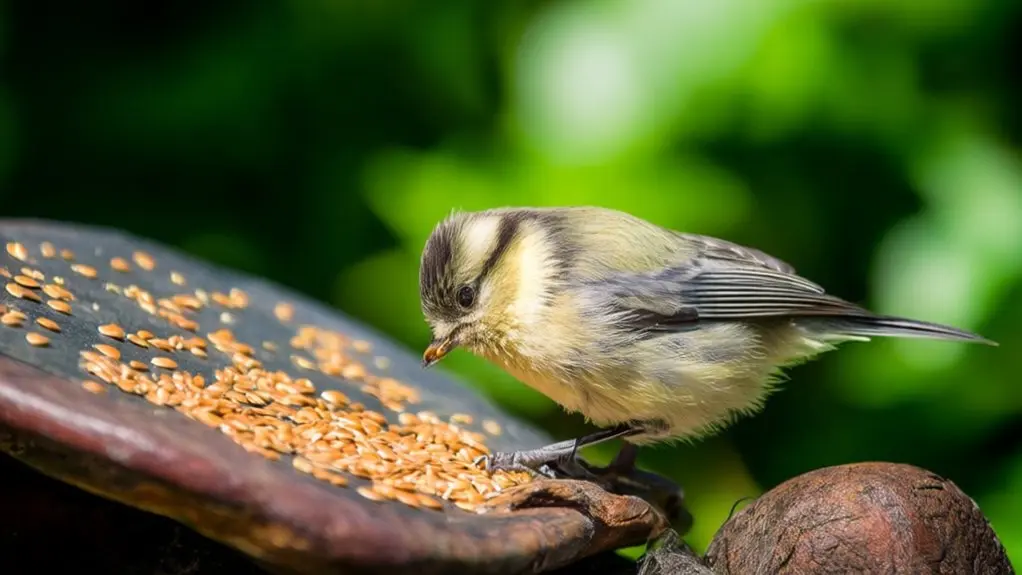
You can safely feed your birds flax seeds, which offer essential omega-3 fatty acids, fiber, antioxidants, and lignans that boost feather quality, immunity, and digestion. These nutrients support energy and cardiovascular health, especially during migration or active periods.
Start with small, ground amounts to improve nutrient absorption. Be sure to limit intake to avoid any digestive upset. Birds often show enthusiasm for flax seeds, which is a good sign of their benefits.
Explore how to integrate and balance flax seeds effectively for your bird’s well-being. It’s all about finding the right amount that keeps your feathered friend happy and healthy!
What Are Flax Seeds?
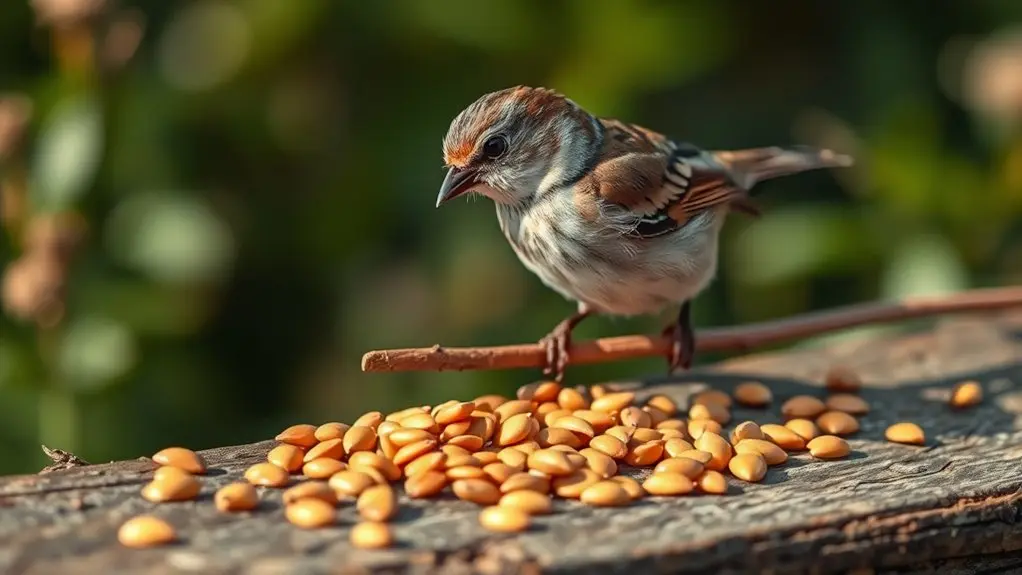
Although you may not be familiar with them, flax seeds are small, brown or golden-colored seeds packed with omega-3 fatty acids, particularly alpha-linolenic acid (ALA). These seeds are a rich plant-based source of essential nutrients, including dietary fiber, lignans, and antioxidants.
Flax seeds are nutrient-dense, small seeds rich in omega-3s, fiber, lignans, and antioxidants.
When you think about bird migration, omega-3 fatty acids like ALA play a critical role in maintaining energy and endurance during long flights.
Flax seeds also influence feather coloration by supporting the structural integrity and pigmentation of feathers. This is essential for camouflage and mating displays.
Consuming flax seeds in whole, ground, or oil forms introduces these crucial compounds into diets. Their mild nutty flavor makes it easy to add them to various foods.
Key Nutritional Benefits of Flax Seeds for Birds
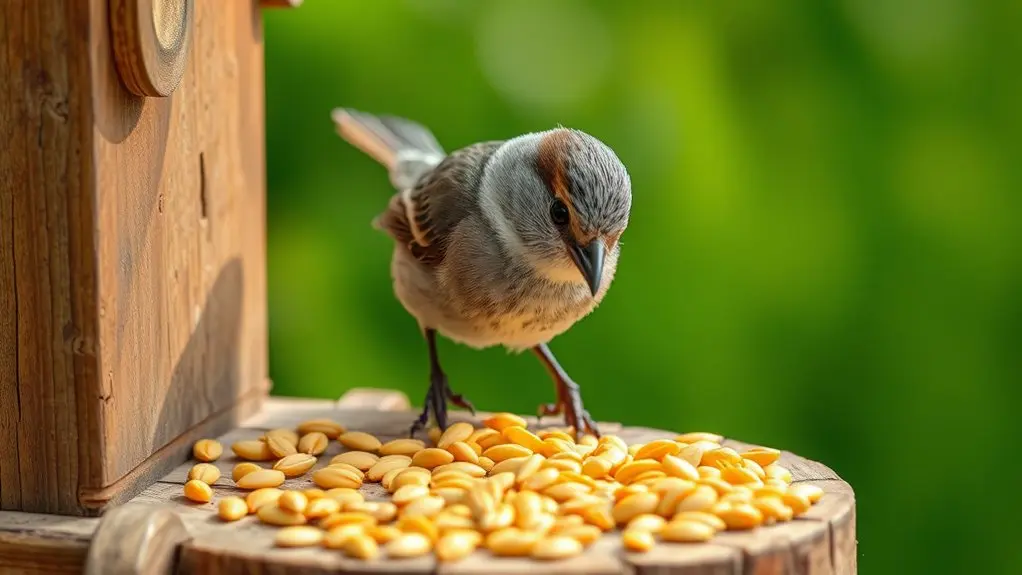
Flax seeds provide multiple nutritional advantages that directly benefit birds’ health and performance. Rich in omega-3 fatty acids, flax seeds support cardiovascular function and reduce inflammation.
Their high fiber content aids seed digestion by promoting a balanced gut environment, essential for nutrient absorption.
Additionally, flax seeds offer antioxidants that neutralize free radicals, contributing to cellular protection. The lignans present exhibit estrogen-like properties, helping regulate hormonal balance.
One of the most noticeable benefits is the improvement in bird plumage; flax seeds enhance feather quality, resulting in increased vitality and resilience.
By integrating flax seeds into a bird’s diet, you support essential physiological processes without compromising digestive efficiency.
This ensures birds maintain prime health and vibrant plumage. It’s a simple addition that makes a big difference.
How Flax Seeds Boost Bird Health and Immunity
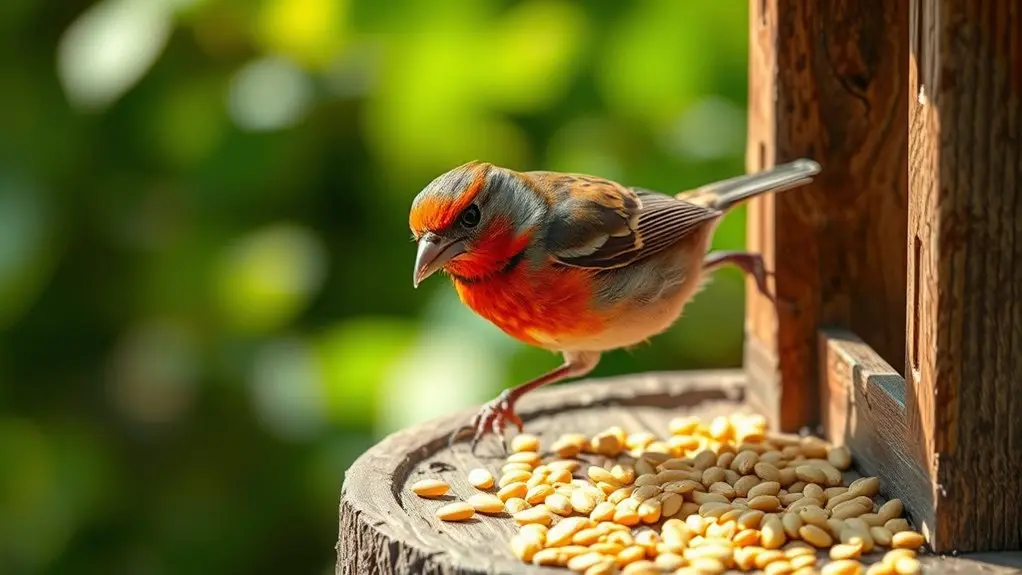
When you incorporate flax seeds into a bird’s diet, you provide essential omega-3 fatty acids that actively enhance immune function and reduce inflammation. These fatty acids, along with lignans found in flax seeds, act as antioxidants that protect cells from oxidative stress, supporting overall avian health.
Incorporating flax seeds boosts avian immunity and combats inflammation through essential omega-3s and antioxidants.
The high fiber content improves digestion, promoting gut health vital for nutrient absorption in diverse bird habitats.
Plus, flax seeds support liver function, reducing the risk of chronic diseases. Their nutrients contribute markedly to feather coloration and quality, ensuring vibrant plumage and healthy skin, which are key indicators of strong immunity.
By adding flax seeds, you help birds maintain resilience against environmental stressors. This enhances their ability to thrive in varying bird habitats while displaying ideal feather condition.
It’s a simple way to boost their health and keep them looking their best.
The Role of Flax Seed Omega-3s in Bird Nutrition
Omega-3 fatty acids play a significant role in maintaining bird health, and the alpha-linolenic acid (ALA) found in flax seeds serves as a valuable plant-based source. When you include flax seeds in your bird’s diet, you provide essential nutrients that support important functions.
These omega-3s influence feather coloration, enhancing vibrancy and overall plumage quality. They also support cardiovascular health by promoting efficient blood circulation, which is critical during bird migration.
Plus, omega-3s help strengthen the immune system, making it easier for birds to resist infections and inflammation. They also contribute to skin health by reducing irritation and supporting feather growth.
To get the most out of flax seeds, ground flax seeds improve digestibility, so birds can absorb ALA more effectively. Just remember to feed flax seeds in moderation as part of a balanced diet, so you avoid nutritional imbalances and keep your birds in prime health.
How to Safely Introduce Flax Seeds to Your Bird’s Diet
When you start giving your bird flax seeds, it’s best to go slow. Begin with just a small amount—like a teaspoon a day. This helps your bird’s system get used to the new food without any trouble.
Keep an eye on your bird during this time. Look out for anything unusual, like changes in behavior or digestion.
Taking things step-by-step like this makes sure you’re adding flax seeds safely and keeping your bird healthy.
Gradual Seed Incorporation
Although flax seeds offer numerous health benefits for birds, introducing them gradually is crucial to guarantee safe dietary adaptation. Start with a small amount, like a quarter teaspoon, and increase slowly as your bird tolerates it.
Proper bird seed storage is essential to maintain flax seed freshness and prevent spoilage. This is especially important since different flax seed varieties may vary in oil content and shelf life.
To incorporate flax seeds safely:
Mix a small portion of ground or crushed flax seeds into your bird’s regular diet over several days. Observe for any digestive upset or allergic reactions during initial feeding.
Gradually increase the amount, aiming for about one teaspoon daily.
Store flax seeds in airtight containers away from heat and light to preserve nutrients.
This approach guarantees a smooth dietary transition.
Monitoring Bird Reactions
After gradually incorporating flax seeds into your bird’s diet, closely observing its reactions during the initial days helps guarantee safety and effectiveness. Pay attention to any changes in bird feathering, which may indicate nutritional benefits or adverse reactions.
Monitor for digestive issues like altered stool consistency or behavioral shifts. Vocalization changes, such as unusual or decreased sounds, can signal discomfort or allergic responses.
Make sure the flax seeds are fresh, cleaned, and preferably ground or soaked to enhance digestibility and nutrient absorption. If you notice decreased activity or any signs of distress, consult an avian veterinarian promptly.
Careful monitoring ensures your bird safely adapts to flax seeds, supporting overall health without compromising wellbeing. It’s always better to be cautious and keep a close eye on your feathered friend during this dietary change.
That way, you can enjoy the benefits while keeping your bird happy and healthy.
How Much Flax Seed to Feed Daily
You should feed your bird about one teaspoon of ground flax seeds daily to make sure they get the nutrients properly. It’s a good idea to start with this amount slowly and keep an eye on how your bird reacts.
Feeding consistently but in moderation helps prevent any digestive problems and keeps their diet balanced.
Recommended Daily Amount
How much flax seed should you feed your bird daily to guarantee health benefits without risks? The recommended amount depends on bird species differences and size.
Generally, limit flax seed to about 1 teaspoon of ground seeds per day to avoid excess fat intake.
Smaller birds need less, so start with a pinch or quarter teaspoon and monitor their response.
Maintaining bird cage hygiene is vital when introducing flax seeds to prevent spoilage and contamination.
Start gradually to observe tolerance and digestive response.
Use flax seeds as a supplement, not a primary food source.
Adjust quantity based on bird size and species-specific dietary needs.
Keep feeding tools and cage areas clean to maintain hygiene.
This approach ensures safe, effective supplementation tailored to your bird’s health.
Portion Size Guidelines
Although flax seeds provide valuable nutrients, feeding them in appropriate portions is essential to avoid health issues. Depending on the bird species, you should limit flax seed intake to about 1 teaspoon of ground flax seeds daily for larger parrots, while smaller birds like finches require only around 1/4 teaspoon.
Overfeeding can cause excessive fat intake, which can negatively impact your bird’s health. When introducing flax seeds, start gradually and keep an eye on your bird’s response to prevent digestive upset.
Proper seed storage is also critical to maintain freshness and nutrient quality. Rancid seeds can harm your pet, so make sure to store them correctly.
Feeding Frequency Tips
Controlling the portion size of flax seeds is only part of maintaining a balanced diet for your bird; the frequency of feeding also plays a significant role in its overall health. Since flax seeds are rich in omega-3 fatty acids, feeding them too often can lead to excessive fat intake.
This may disrupt natural processes such as bird migration and feather grooming.
To optimize health benefits while avoiding imbalance, consider these feeding frequency tips:
- Limit flax seed feeding to 2-3 times per week.
- Provide no more than one teaspoon per day when offered.
- Use ground flax seeds to enhance nutrient absorption.
- Introduce flax seeds gradually, monitoring for digestive issues.
Following these guidelines helps support your bird’s feather grooming and is overall crucial during various life stages.
It’s all about balance and paying attention to your bird’s needs.
Recognizing Positive Reactions to Flax Seeds
When birds show enthusiastic pecking and ardently consume flax seeds from feeders or bowls, you can be confident they recognize these seeds as a beneficial food source. Positive reactions include repeated visits and vocalizations, signaling satisfaction and energy gain.
During bird migration, these nutrient-rich seeds may help sustain energy reserves, enhancing endurance. Similarly, nesting behaviors often demand increased nutrition.
Birds that prefer flax seeds show heightened alertness and activity, reflecting this dietary benefit.
Species like finches frequently choose flax over other seeds, indicating a clear preference. When you see birds actively selecting flax seeds without hesitation, it confirms their recognition of flax as a valuable food.
This behavior really highlights flax seeds’ role in supporting critical life stages such as migration and reproduction.
Risks and Precautions of Feeding Flax Seeds
While flax seeds offer valuable nutrients that many birds actively seek, feeding them requires careful attention to certain risks. You must prepare flax seeds properly to avoid cyanide exposure from cyanogenic compounds. Grinding or soaking the seeds enhances digestibility and minimizes toxin release.
Overfeeding can cause digestive upset and nutrient imbalances due to flax’s high oil content, potentially harming liver function. Proper bird cage maintenance becomes essential to prevent seed spoilage or contamination.
Also, monitor your bird’s feather grooming, as excessive flax seeds might affect feather quality.
Keep these precautions in mind:
- Feed flax seeds in moderation only
- Always grind or soak seeds before feeding
- Consult an avian veterinarian for safe dosage
- Maintain a clean bird cage to avoid mold or bacteria buildup
How Flax Seeds Compare to Other Healthy Bird Seeds
Although many bird seeds offer nutritional benefits, flax seeds stand out due to their high omega-3 fatty acid content. This supports cardiovascular and skin health more effectively than seeds like sunflower or millet.
Compared to sunflower seeds, flax seeds contain less fat but provide more fiber, antioxidants, and lignans. These nutrients help boost immune function and reduce inflammation. This makes flax seeds a superior choice for breeding nutrition, promoting healthier offspring through improved maternal diet.
Additionally, seed sprouting techniques access even greater nutrient availability in flax seeds, aiding digestion and nutrient absorption.
While millet offers carbohydrates, flax seeds deliver a more balanced nutrient profile. This supports overall bird health.
Incorporating flax seeds alongside other seeds can optimize your bird’s diet, ensuring essential nutrients crucial for growth and vitality. It’s a smart way to keep your feathered friends happy and healthy.
Creative Ways to Add Flax Seeds to Bird Food and Treats
Since flax seeds offer significant nutritional benefits, incorporating them creatively into your bird’s diet can really enhance their health and enrichment. You can add ground flax seeds to your bird’s existing seed blends, boosting omega-3 intake without changing their feeding habits. Just make sure to store the seeds properly to keep them fresh and nutrient-rich.
Try these methods to include flax seeds effectively:
- Sprinkle freshly ground flax over regular seed mixes or birdie chop.
- Mix crushed flax seeds into homemade millet or seed-based treats.
- Soak flax seeds to form a gel, which makes a nutritious topper.
- Add ground flax to foraging toys to encourage natural behaviors and help with nutrient absorption.
These simple ideas ensure your bird gets the best nutrients while supporting their overall well-being. Give them a try and see how your feathered friend enjoys the variety!
Frequently Asked Questions
Can Baby Birds Eat Flax Seeds?
Yes, baby birds can eat flax seeds if you grind or soak them first. This makes the seeds easier to digest.
Try to introduce flax seeds gradually into their diet. Doing this helps provide them with seed nutrition rich in omega-3s. It supports healthy development without causing digestive issues.
Do Flax Seeds Affect Bird Droppings?
Sure, flax seeds affect bird droppings because who doesn’t want their pet’s seed digestion turning into a colorful science experiment?
Your bird’s dietary preferences influence the texture and volume of their droppings. This is especially true if you overdo the omega-3-rich flax seeds.
Are There Specific Bird Species That Shouldn’t Eat Flax Seeds?
Yes, you should avoid giving flax seeds to birds with specific dietary preferences or metabolic issues. Their seed nutritional value, especially high fat content, can harm sensitive species like certain parrots or birds prone to obesity.
It’s always best to check what your bird can handle before adding something new to their diet. Some birds just don’t do well with high-fat seeds like flax. So, better safe than sorry!
How Long Do Flax Seeds Stay Fresh for Bird Feeding?
You should store flax seeds in a cool, dark place with airtight seed storage to keep them fresh for up to six months. Proper storage supports bird digestion by preventing rancidity and preserving nutritional value.
Keeping them fresh is key because rancid seeds won’t do any favors for your feathered friends. So, make sure the container is sealed tight and away from heat or light. This way, your birds get the best from every seed you offer.
Can Flax Seeds Help With Bird Feather Molting?
Like nature’s brush, flax seeds paint vibrant feathers by boosting bird nutrition. You’ll see seed benefits enhancing omega-3 intake, reducing inflammation, and accelerating molting.
This supports healthy, shiny plumage when you include them wisely in their diet. It’s a simple way to help your bird look and feel its best. Just remember to add flax seeds in moderation for the best results.
Conclusion
Just like a tiny flax seed can sprout into a flourishing plant, adding flax seeds to your bird’s diet can nurture their health in remarkable ways. Studies show that birds receiving flax seeds exhibit improved feather quality and boosted immunity, much like a well-tended garden thriving with care.
By thoughtfully introducing flax seeds, you’re giving your feathered friend a nutrient-packed boost that supports their vigor. This transforms their meals into a source of lasting wellness.