
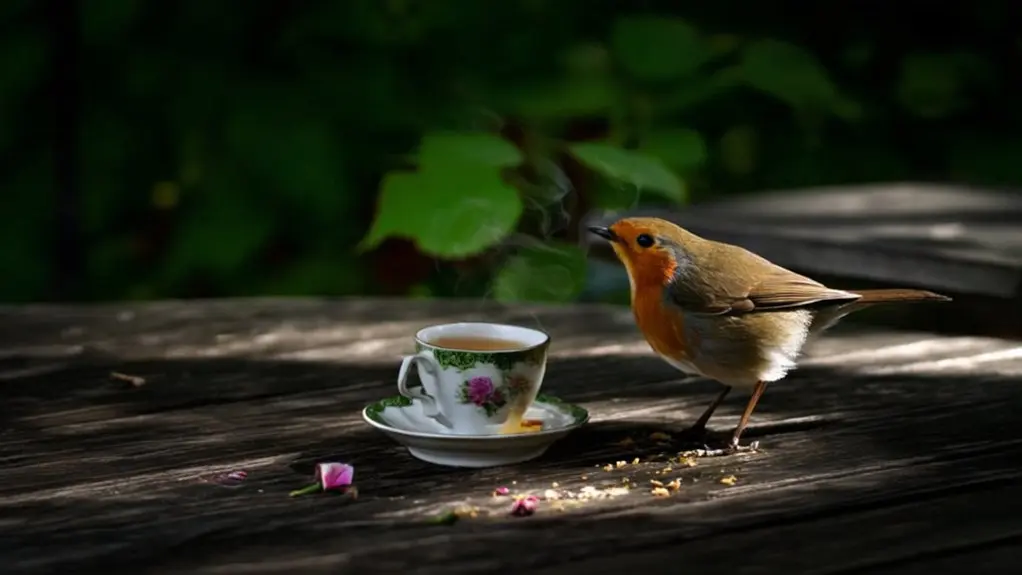
You can offer birds certain herbal teas in small, carefully diluted amounts. But you must avoid caffeine and harmful herbs because these compounds can cause toxicity, especially in small species like diamond doves.
Wild birds naturally encounter plant compounds through water sources. However, your pet’s sensitivity varies by species and health. So, always seek veterinary guidance before introducing tea to prevent digestive or neurological issues.
Exploring the nuances of safe ingredients and enrichment strategies can guarantee your bird benefits without risk. It’s all about making sure your feathered friend stays happy and healthy!
What’s Avian Tea and Why Give It to Birds?
Although avian tea may sound unconventional, it’s actually a carefully formulated dietary supplement designed to boost bird nutrition by adding vitamins, minerals, and plant-based nutrients.
When you introduce avian tea into a bird’s diet, you’re giving them a rich source of herbal benefits that support overall health and add dietary variety.
These teas often contain a blend of selected plants and flowers that mimic natural foraging. This not only stimulates your bird’s instincts but also improves enrichment.
That said, the safety and effectiveness of avian tea really depend on the exact ingredients, the bird species, and each bird’s individual health.
How Wild Birds Naturally Encounter Tea-Like Substances
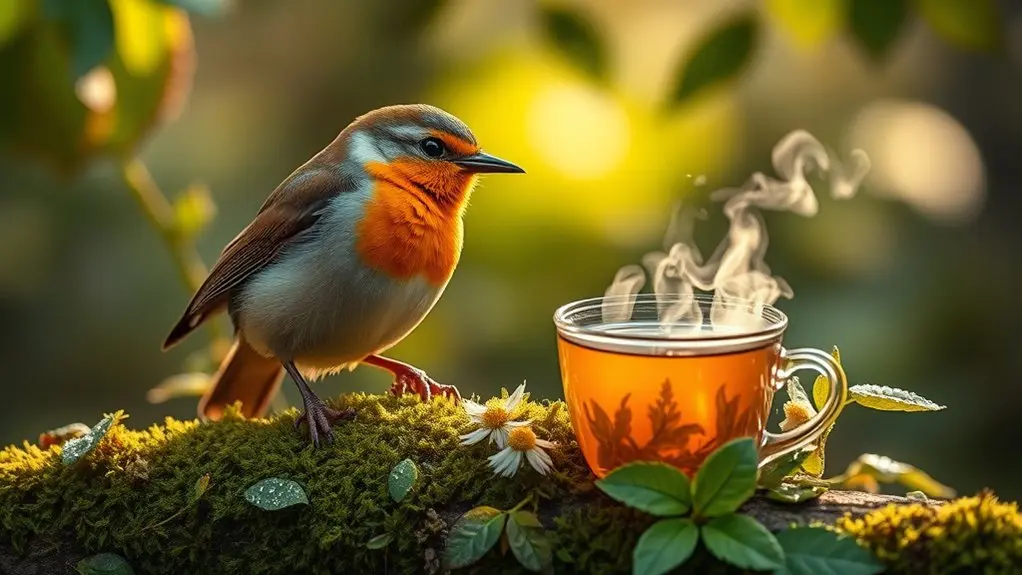
When you watch wild birds drinking from natural water sources like tree hollows or puddles, you might notice that these spots often have dissolved plant compounds in them. Things like tannins and phytochemicals naturally seep into the water from nearby leaves and other organic material.
Natural Water Sources
How do wild birds naturally encounter substances similar to tea in their environment? During bird migration, these animals frequently drink from diverse natural water sources like tree hollows, puddles, and mud pools. These water bodies contain tannins and plant-derived compounds, including herbal leachates from fallen leaves and organic debris.
Such compounds influence the chemical makeup of the water, creating tea-like substances birds ingest routinely. Notably, exposure to these plant compounds may indirectly affect feather coloration by interacting with metabolic processes during molting.
Since birds evolved to consume unfiltered, chemically complex water, they’re regularly exposed to these substances without adverse effects.
Observing this natural behavior helps you understand how birds’ interaction with their environment includes consuming mildly tannin-rich waters, mimicking the tea-like experience in the wild. It’s pretty interesting when you think about it!
Plant Compounds In Water
Since wild birds rely on natural water sources, you’ll often find that these waters contain a mix of tannins and plant-derived compounds leached from tree hollows, fallen leaves, and surrounding vegetation. These substances, kind of like the components in herbal tea, influence water quality by adding organic matter and phytochemicals.
When you watch birds, you’ll notice they drink from puddles and pools that aren’t sterile but are full of minerals, soil particles, and plant debris. This natural exposure to tannins and other leached chemicals provides birds with a variety of phytochemicals similar to those found in herbal teas.
What Nutrients Does Tea Add to a Bird’s Diet?
You’ll find that tea offers birds a modest supply of antioxidants and polyphenols, which are great for supporting cellular health.
Plus, herbal teas can add some essential vitamins and minerals like vitamin C, magnesium, and potassium, giving their diet a nice boost.
Just remember, the nutrients birds get really depend on what kind of tea you’re using and how it’s prepared, so the benefits can vary quite a bit.
Nutrient Profile Overview
Although tea isn’t a primary food source for birds, it can add valuable nutrients such as antioxidants, including catechins and polyphenols. These compounds support cellular health when consumed in moderation.
The nutrient profile varies with flavor profiles and brewing techniques, which influence the concentration of bioactive compounds.
You should consider these points: antioxidants like catechins and polyphenols help neutralize free radicals and promote cellular integrity. Herbal teas may contribute phytochemicals and secondary metabolites from floral or plant extracts, which can aid immune function.
Brewing methods like steeping time and temperature alter nutrient availability, impacting the overall benefit to the bird’s diet.
While tea offers supplemental nutrients, it’s not a substitute for balanced nutrition. Always moderate intake and consult with a veterinarian before introducing tea to your bird’s regimen.
Vitamins And Minerals
When you introduce tea to a bird’s diet, it can provide trace amounts of vitamins and minerals that vary depending on the tea type and preparation method. Different tea varieties contain minimal vitamin C, several B vitamins, and manganese in small quantities.
Herbal tea varieties infused with chamomile or rose hips may offer additional antioxidants and slight mineral content boosts. Some mineral-rich herbs used in brewing can contribute potassium or magnesium, but overall, these nutrients remain minor.
You shouldn’t rely on tea as a primary nutrient source for your bird, as its vitamin and mineral content is generally insufficient for their dietary needs.
Instead, consider tea a supplementary fluid that may modestly enhance nutrient variety without replacing a balanced diet.
What Are the Potential Health Risks of Tea for Birds?
Since birds have very sensitive physiology, the compounds found in tea, like caffeine and tannins, can pose serious health risks. This is especially true for small species such as diamond doves. Tea toxicity happens because these substances interfere with how birds’ bodies process things, leading to negative effects.
Birds’ sensitive physiology makes tea compounds like caffeine and tannins potentially harmful, especially to small species like diamond doves.
You should know about these potential health risks: Caffeine can increase a bird’s heart rate, cause hyperactivity, and stress, which puts extra strain on their cardiovascular system. Tannins and strong herbal ingredients might upset their stomach or even be toxic, damaging their digestive system.
On top of that, unregulated herbal additives in tea bring more risks because some ingredients are toxic to birds and can cause unpredictable reactions.
Because of all these dangers, it’s not safe to give tea to birds. It’s best to avoid exposing them to any tea with unknown or strong herbal components to keep them safe from tea toxicity.
Safe and Risky Tea Ingredients for Birds
You need to recognize that caffeine and tannins found in many teas are toxic to birds, so it’s best to avoid them.
Herbal teas with ingredients like chamomile might be safer, but you should always check with your vet before offering any to your bird.
Also, keep in mind that the strength and concentration of tea can vary a lot, and this can significantly affect your bird’s risk.
Safe Tea Ingredients
Although some herbal teas like chamomile, fennel, and peppermint may be safe for birds in small amounts, their effects can vary a lot depending on the species and individual health conditions.
When picking safe tea ingredients, you want to focus on herbal blends that don’t have caffeine or harmful additives.
Try to use plain herbal teas made from single herbs such as chamomile, fennel, or peppermint. It’s best to avoid complex blends because they might contain unknown or irritating compounds.
Make sure the tea is unsweetened and free from artificial flavorings, alcohol, or essential oils. These can sometimes cause allergic or respiratory reactions in birds.
Always dilute the tea and serve it in small amounts to prevent any digestive upset, especially if you have smaller bird species.
And remember, it’s always a good idea to check with your veterinarian before offering any tea. They can confirm if it’s safe and appropriate for your bird’s specific health needs.
Risky Tea Components
While certain herbal teas can be safe when given carefully, some tea components carry significant risks for birds. During tea brewing, ingredients like caffeine and certain herbs release compounds that are toxic to birds. These can potentially disrupt their nervous system and metabolism.
Tannins and strong spices, often found in commercial blends, may provoke digestive upset or toxicity, especially in small or sensitive species. Bird hydration depends on safe fluids, so introducing these risky elements can compromise overall health.
Because the safety of tea ingredients varies with species, size, and individual health, consulting a vet before offering any tea is essential. Avoid unknown or commercially prepared teas, as additives often pose hidden dangers.
Prioritizing bird-safe hydration means carefully selecting or avoiding risky tea components altogether.
Why Small Birds Like Diamond Doves Are Sensitive to Tea
Because diamond doves weigh only about 20-25 grams, their small size makes them highly susceptible to the effects of concentrated substances like those found in tea. When you observe their bird behavior, you’ll notice even slight exposure to tea’s components can disrupt their delicate physiology.
Here’s why they’re sensitive:
- Their low body mass means concentrated tannins and caffeine can quickly reach toxic levels.
- Their metabolism processes dietary supplements differently, making them less tolerant to foreign compounds.
- Minor irritants in tea may cause digestive or neurological distress due to their fragile systems.
Understanding these factors helps you appreciate why small birds like diamond doves react adversely to tea. It really highlights the importance of cautious dietary choices to keep them healthy and behaving naturally.
Why Vet Advice Matters Before Giving Tea to Birds
The sensitivity of small birds like diamond doves to tea compounds underscores the need for professional evaluation before introducing tea into their diet. You must consult a vet because bird behavior and health responses vary widely, and tea brewing methods can alter ingredient potency, affecting safety.
Vets assess your bird’s species-specific needs and advise on potential risks, preventing adverse reactions to caffeine or herbal toxins. This expert guidance safeguards your bird’s delicate metabolism and ensures any tea introduction aligns with their wellbeing.
| Concern | Impact on Birds | Vet’s Role |
|---|---|---|
| Toxic ingredients | Illness, behavioral changes | Identifies safe components |
| Caffeine levels | Hyperactivity, heart issues | Recommends limits |
| Unknown compounds | Digestive distress | Evaluates tea brewing effects |
| Metabolic sensitivity | Systemic toxicity | Tailors advice per species |
| Behavioral shifts | Stress, feeding disruption | Monitors and guides accordingly |
How to Safely Introduce Tea With Vet Approval
Before introducing tea to your bird’s diet, you should always obtain veterinary approval to confirm the chosen tea type and concentration suit your bird’s species and health condition. This step is crucial because bird behavior and environmental factors influence how your bird metabolizes and tolerates new substances.
Always get veterinary approval before adding tea to your bird’s diet to ensure safety and suitability.
Once approved, follow these steps:
- Prepare a highly diluted tea solution as recommended by your vet to minimize potential toxicity.
- Offer the tea in a controlled environment to observe changes in bird behavior, such as drinking habits or signs of distress.
- Monitor your bird closely for adverse reactions over several days, considering environmental stressors that might affect its response.
Adhering to vet guidance ensures safe integration of tea without compromising your bird’s health. It’s always better to be cautious and keep a close eye when introducing anything new to your feathered friend.
Using Tea to Enhance Foraging and Enrichment for Birds
When you incorporate herbal teas into your bird’s foraging activities, you actively promote natural behaviors that enhance mental stimulation and environmental interaction. Offering caffeine-free, sugar-free tea encourages birds to explore and engage in complex foraging. This can trigger varied bird vocalizations and support nesting behaviors by mimicking natural environmental cues.
Herbal components provide vitamins and minerals, enriching their diet with plant diversity. This method supports cognitive development and emotional well-being. It’s a simple way to make their environment more interesting and nourishing.
| Behavior Observed | Emotional Response | Environmental Impact |
|---|---|---|
| Increased vocalizations | Joy and alertness | Enhanced communication |
| Active foraging | Curiosity and engagement | Natural dietary expansion |
| Nesting behaviors | Comfort and security | Stimulated reproductive instincts |
| Interaction with plants | Exploration and satisfaction | Enriched habitat complexity |
Safe Alternatives to Tea for Bird Hydration
Although offering herbal teas can enhance your bird’s environment, you should prioritize safe hydration alternatives to avoid potential risks. Proper bird enclosure maintenance ensures fresh, clean water is always available, which is essential for avian health.
Enhance your bird’s environment safely by prioritizing fresh, clean water and proper enclosure maintenance.
You can also provide natural fruit or vegetable juices diluted appropriately to support hydration without adverse effects.
Additionally, incorporating bird dietary supplements like electrolyte solutions designed for birds can prevent dehydration during stress or illness. Consider these three safe hydration options:
- Fresh, clean water replaced daily to maintain ideal hydration.
- Diluted natural fruit or vegetable juices, ensuring no added sugars or toxins.
- Electrolyte solutions formulated specifically for avian species, used under veterinary supervision.
Always consult an avian vet before introducing any infused liquids to safeguard your bird’s well-being. It’s better to be safe and keep your feathered friend happy and healthy!
Frequently Asked Questions
Can Birds Get Addicted to Tea or Caffeine?
You can’t say birds get addicted to caffeine like humans, but caffeine may disrupt bird migration and alter feather coloration by stressing their metabolism. So, it’s best to avoid giving birds tea to protect their natural behaviors and health.
Keeping birds safe means steering clear of anything that might throw off their natural routines. Caffeine might seem harmless, but it can cause real problems for them. Better to stick with what’s natural for our feathered friends!
How Does Tea Affect Bird Behavior and Mood?
You’ll notice tea aroma can stimulate birds, but caffeine risks agitation, disrupting bird hydration balance and mood.
While some herbal teas might calm, their effects remain unproven, so always observe your bird’s behavior closely for changes.
Are Certain Bird Species More Tolerant to Tea Than Others?
You’ll find that larger parrots, with vibrant feather coloration and complex nesting habits, tolerate mild tea better than delicate species. Their robust metabolism helps, but always monitor closely to avoid negative effects on health and behavior.
It’s interesting how size and lifestyle play a role here. So, if you have a smaller or more sensitive bird, it’s best to be extra careful. Just keep an eye on any changes, and you’ll be good!
Can Tea Stains or Residue Harm a Bird’s Feathers?
Tea stains seriously stain feathers, so you shouldn’t let residue ruin feather cleanliness. Dietary concerns aside, tannins and pigments can impair insulation and waterproofing.
This can lead to feather degradation and skin irritation over time if exposure isn’t avoided. So, it’s really important to keep your bird’s feathers clean and free from any tea residue.
What Signs Indicate a Bird Has Had Too Much Tea?
You’ll notice lethargy, trembling, or rapid breathing if your bird has had too much tea. Improper tea brewing can increase caffeine, disrupting bird hydration and causing gastrointestinal upset or behavioral stress, signaling overexposure.
Basically, if your bird seems off after sipping tea, it might be too much caffeine. Keep an eye on their behavior and hydration to catch these signs early.
Conclusion
You might think offering tea to birds is as timeless as the invention of the wheel, but it’s not that simple. While certain herbal teas can provide nutrients and enrichment, others pose significant health risks. Always consult a vet before introducing tea to your feathered friends.
With careful selection and moderation, tea can enhance their diet safely. But remember, natural hydration and balanced nutrition are what really matter for their well-being. So, don’t rely on tea alone to keep your birds happy and healthy.