
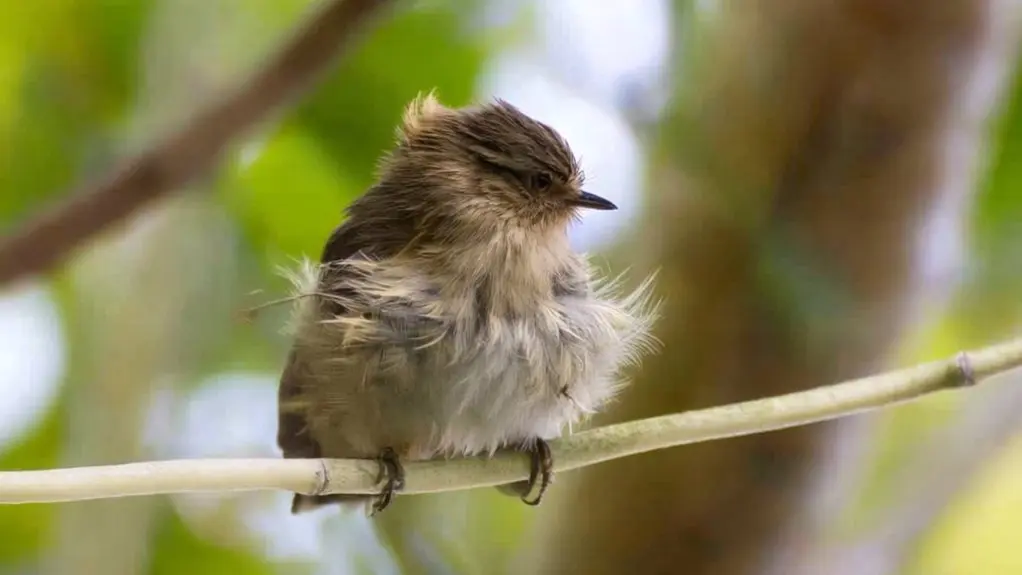
Yes, birds can lose their voice due to infections, injuries, environmental toxins, stress, or neurological issues that affect their syrinx and respiratory system. You might notice hoarseness, muffled calls, or silence. Often, these symptoms come with physical signs like swelling or dull feathers.
Environmental stressors like noise or smoke can make the problem worse. If the voice loss sticks around or if you see any respiratory symptoms, it’s important to get veterinary care. Understanding these factors helps you support your bird’s recovery effectively.
Common Causes of Voice Loss in Birds (Infections, Injury, and More)
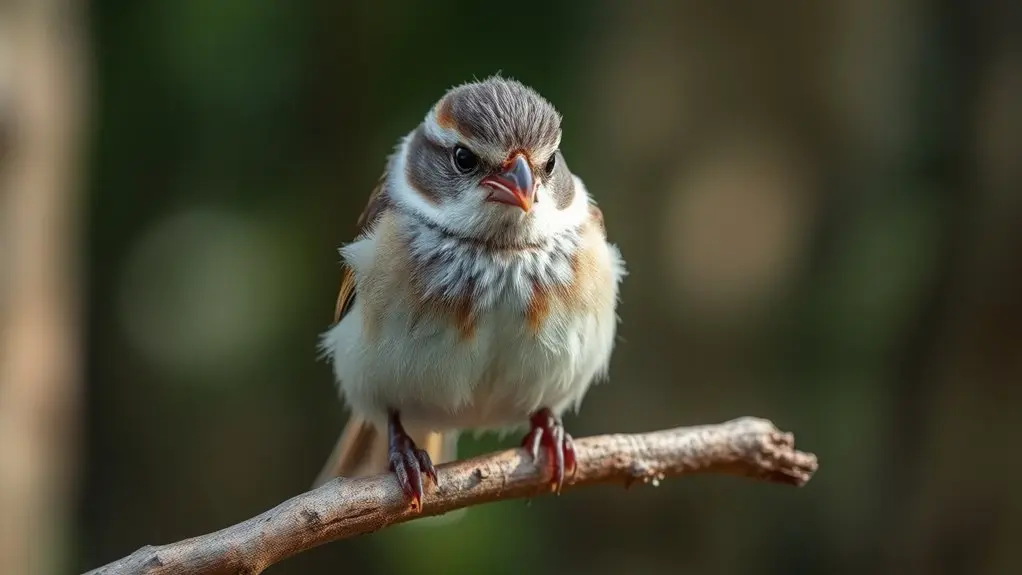
Although birds rely heavily on their vocal abilities, several factors can cause them to lose their voice. Genetic factors may predispose birds to weakened syrinx structures, making them more vulnerable to voice loss. Age-related changes also play a significant role. As birds grow older, the tissues in their syrinx and vocal cords can degenerate, reducing vocal strength and clarity.
Infections such as avian bronchitis inflame the syrinx, impairing sound production. Physical injuries from trauma or over-preening can damage the delicate vocal organs, sometimes permanently. Environmental irritants like smoke or aerosols cause inflammation, which further compromises vocal function.
Nutritional deficiencies, especially vitamins A and E, weaken respiratory and vocal tissues. Chronic illnesses like tumors can obstruct the syrinx as well. All of these factors contribute to voice loss in birds.
Signs Your Bird Is Losing Its Voice
You’ll probably notice changes in your bird’s voice, like hoarseness or a quieter chirp. Sometimes, it might stop singing altogether.
Along with that, keep an eye on how your bird behaves. If it’s calling less, seems tired, or you see any swelling around its beak and eyes, those are important clues.
Usually, these signs point to something affecting your bird’s vocal cords or breathing system.
Vocal Changes To Notice
When your bird’s usual songs become hoarse, raspy, or muffled, it signals potential vocal impairment that deserves close attention. Changes in vocalization often accompany respiratory infections or syrinx damage. You might notice a diminished volume or altered pitch, suggesting inflammation or irritation.
Additionally, poor feather coloration and changes influenced by diet can indirectly reflect health issues impacting vocal strength. Monitoring these vocal shifts promptly helps identify underlying causes before chronic loss occurs.
| Vocal Change | Possible Cause |
|---|---|
| Hoarseness | Syrinx inflammation |
| Raspy sounds | Respiratory infection |
| Muffled vocalizations | Environmental irritants |
| Decreased volume | Vocal cord damage |
| Absence of calls | Severe illness or obstruction |
Track these signs closely and seek veterinary care if they persist. Don’t wait too long—early action can make a big difference!
Behavioral Indicators Of Loss
Noticing changes in your bird’s vocal patterns often goes hand in hand with shifts in behavior that signal vocal impairment. For example, if you observe a sudden lack of chirping or singing despite attempts to stimulate vocalization, it could indicate voice loss.
Alongside this, watch for decreased activity or withdrawal from social interactions. Birds often reduce engagement when discomfort affects their vocal organs.
Changes in feather coloration, such as dullness or loss of vibrancy, may accompany these behavioral shifts. This can reflect underlying health issues.
Additionally, alterations in nesting behavior, like abandoning or neglecting nests, can suggest distress linked to impaired vocal function.
If you notice swelling around the throat or neck area with these signs, seek veterinary care promptly. It’s important to rule out respiratory infections or trauma affecting your bird’s voice.
How Illnesses Can Silence Your Bird
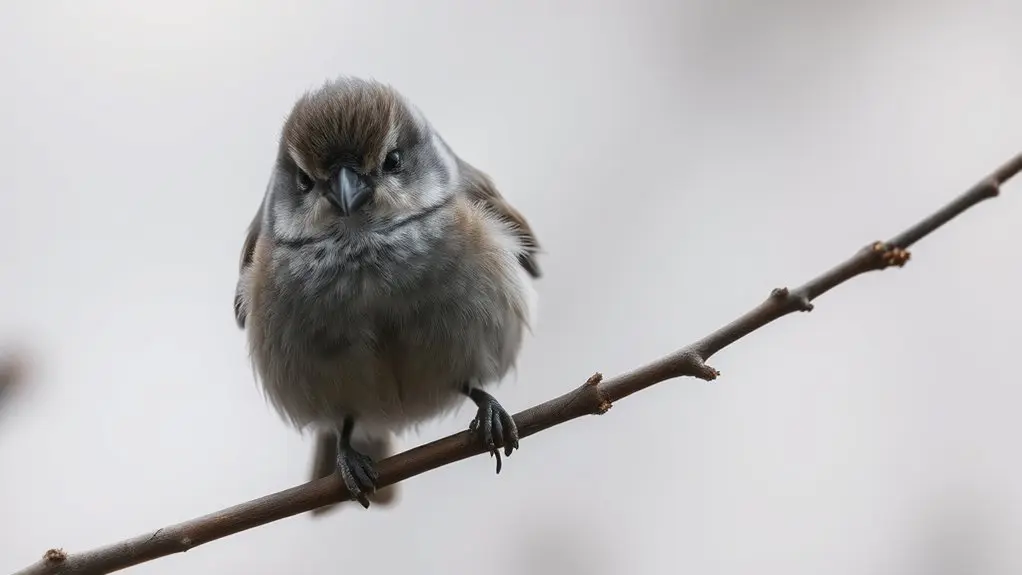
You might notice your bird’s voice changing or even disappearing sometimes. This can happen because of respiratory infections, inflammation in the trachea, or other illnesses that affect the vocal cords.
Sometimes, things like hormonal imbalances or physical stress can also make your bird quiet for a while.
It’s really important to get a proper veterinary diagnosis so you can figure out what’s going on and start the right treatment.
Common Causes Of Silence
Although birds rely on vocalizations for communication, illnesses can severely impair their ability to produce sound. You might notice changes in feather coloration or reduced wing stretching, signaling underlying health issues affecting vocal function.
Common causes of silence include:
- Respiratory infections causing vocal cord swelling, restricting sound production.
- Aspergillosis or air sac mites leading to inflammation or blockage in respiratory pathways.
- Stress or trauma disrupting respiratory muscles and vocal structures.
- Diseases like tumors damaging the syrinx or vocal cords, resulting in temporary or permanent voice loss.
Recognizing these signs early is essential. Changes in behavior, such as decreased wing stretching or dull feather coloration, often accompany vocal silence. These signs reflect systemic illness impacting your bird’s ability to sing or call.
Diagnosing Vocal Issues
How can you determine the cause when your bird suddenly stops singing? Effective bird voice assessment begins with careful vocal health monitoring. Observe changes in your bird’s vocalization patterns, noting any silence or altered sounds.
Illnesses like respiratory infections, air sac mites, or vocal cord swelling often disrupt normal vocal function. Stress, injury, or neurological issues may also impair muscles or nerves critical for sound production.
Some medications and toxins can damage the vocal apparatus or respiratory system, causing temporary or permanent silence.
Diagnosing these issues requires veterinary evaluation, including X-rays, blood tests, and endoscopy to identify underlying health problems. By closely tracking vocal changes and seeking professional assessment promptly, you can address the root causes of vocal loss and support your bird’s recovery effectively.
Stress and Environment’s Impact on Bird Voice Loss
What happens to a bird’s song when its environment turns hostile or stressful? Stress and environmental factors can impair vocal muscles and the nervous system, leading to voice loss. Habitat disruption and noise pollution particularly impact a bird’s ability to vocalize by inducing chronic stress and physical damage.
Consider these key effects:
- Sudden habitat changes reduce social interaction, triggering silence.
- Noise pollution elevates cortisol, suppressing singing behavior.
- Environmental toxins damage respiratory tissues vital for sound production.
- Prolonged stress impairs vocal cord function, diminishing song quality.
When to Seek Veterinary Help for Voice Loss in Birds
If your bird suddenly loses its voice or stays quiet for a long time, you should get veterinary help right away. This is especially important if you notice other signs like labored breathing or swelling. These symptoms might point to respiratory infections, vocal cord injuries, or other illnesses that need quick diagnosis.
A vet will do a thorough physical exam and might use tools like X-rays or endoscopy to figure out what’s going on. They’ll check for things like fungal infections or tumors.
Getting help early can stop things from getting worse and helps your bird’s voice recover faster.
Early intervention prevents complications and promotes quicker recovery of your bird’s voice.
While you wait for the vet, avoid making unverified changes to your bird’s diet or cage setup. These could actually make symptoms worse. It’s better to follow professional advice when adjusting your bird’s environment or nutrition to support healing.
Timely veterinary care ensures your bird gets the right treatment. This helps protect their respiratory health and keeps their voice working well.
Tips to Help Your Bird Regain Its Voice Safely
While your bird recovers from voice loss, you should minimize vocal strain by encouraging gentle vocal rest and eliminating exposure to irritants like smoke, fumes, or strong scents. Ensuring the best cage placement away from drafts or noisy environments reduces stress and supports healing.
Focus on bird nutrition by providing a balanced diet rich in vitamins A and E to aid mucosal repair. Maintain a warm, humid environment to soothe inflamed vocal tissues and keep fresh water accessible.
- Consult an avian veterinarian to diagnose underlying causes.
- Avoid self-medicating; improper drugs can worsen symptoms.
- Monitor for respiratory signs such as sneezing or nasal discharge.
- Position the cage in a quiet, stable location to minimize vocal strain.
These measures promote safe, effective voice recovery. Just take it easy and be patient with your feathered friend!
Frequently Asked Questions
Can Birds Regain Their Voice Naturally Without Treatment?
You can help your bird regain its voice naturally if vocal strain or environmental noise caused temporary loss. Reducing stress and improving air quality supports recovery.
But if the problem sticks around, it might be time to see a vet. They can check for any underlying issues and help maintain your bird’s vocal health.
Do Different Bird Species Lose Their Voice Differently?
You’ll notice different bird species lose their voice differently due to variations in vocal cord health and bird communication patterns. Anatomy and usage intensity directly affect vocal resilience and susceptibility to strain or illness.
Is It Normal for Birds to Lose Their Voice Seasonally?
Like a clock’s rhythm, birds’ voices naturally shift with seasons. You should track bird communication patterns and practice vocal health monitoring to distinguish normal seasonal changes from issues needing veterinary attention.
This way, you can ensure their vocal cords stay in top shape. It’s all about paying close attention and knowing what’s typical for your bird. That way, you can catch any problems early on.
Can Diet Affect a Bird’s Vocal Health?
Yes, diet impacts vocal health considerably. Nutritional deficiencies cause inflammation and dehydration, which can damage vocal cords.
You should provide fresh fruits, vegetables, and quality pellets to maintain your bird’s vocal strength. This helps prevent voice loss and keeps your bird sounding its best.
Are There Specific Sounds Birds Make When Their Voice Is Weak?
You’ll notice vocal fatigue in birds through song alteration, like softer, breathy calls or altered pitch. These changes indicate weakened vocal muscles or distress.
It’s a sign you should monitor their health closely for potential issues. Keep an eye on how their singing changes over time. It can tell you a lot about their well-being.
Conclusion
Imagine your bird’s voice as a delicate violin string. Once stretched too tight by infection or stress, it can go silent. Just like a musician tuning their instrument, you need to watch for signs of voice loss and act promptly.
Studies show that untreated infections cause 70% of avian voice issues. By recognizing symptoms early and seeking veterinary care, you help your feathered friend restore its natural song. This way, you ensure its voice sings strong again.