
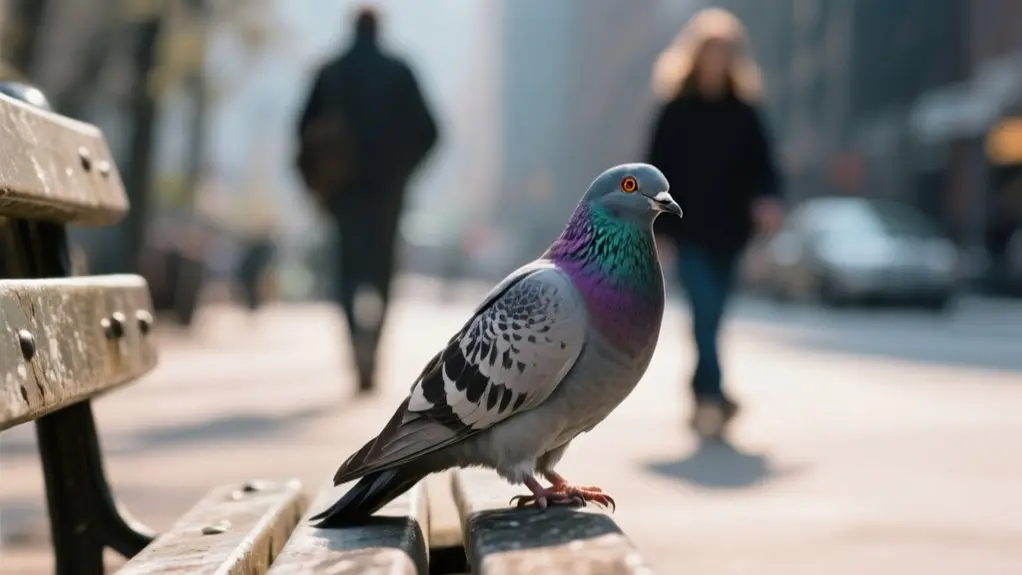
Yes, birds can pass diseases to you through direct contact, contaminated surfaces, or inhaling particles from droppings. Wild birds often carry viruses without showing any symptoms, but exposure to bird flu strains like H5N1 or fungi from droppings can pose serious health risks.
Human-to-human spread is rare but possible under specific conditions. Birds’ unique immunity helps them harbor pathogens silently, which makes detection tricky.
Understanding this complex interaction is key to grasping how these diseases affect humans and what precautions matter most. So, knowing the risks and staying careful can really make a difference.
How Bird Flu and Other Diseases Spread From Birds to Humans
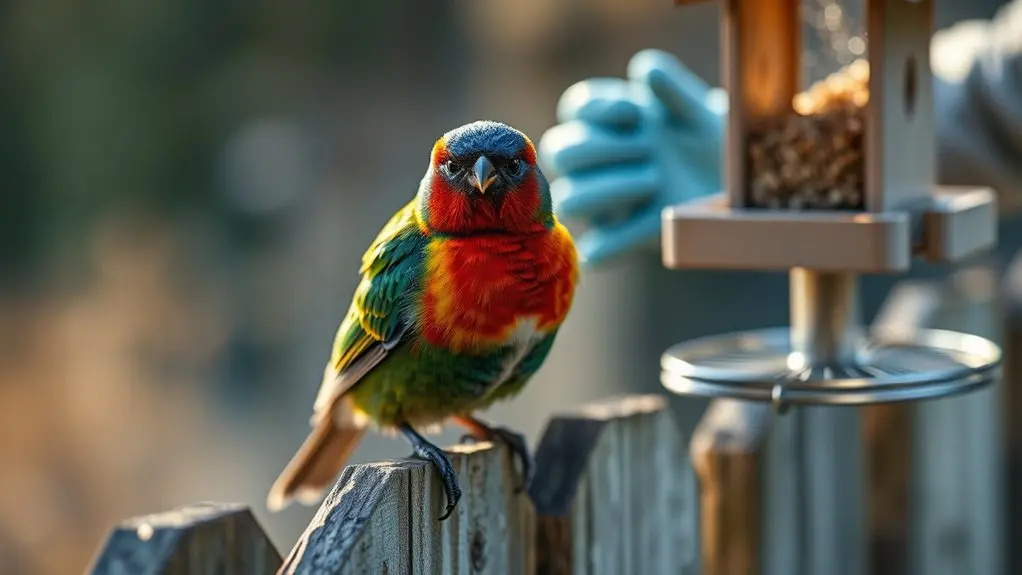
Although human infections with bird flu are uncommon, you can contract the virus primarily through direct contact with infected live or dead birds, especially in places like live poultry markets.
Wild waterfowl carry the virus without showing symptoms and spread it as they migrate across different bird habitats. This helps the virus reach domestic birds, which raises the risk for people.
You can also get the virus by touching surfaces that are contaminated or by breathing in tiny particles from infected droppings or secretions.
Bird habitats that overlap with human activities, like farms or markets near migratory bird routes, make it easier for the virus to jump from birds to people.
The Most Dangerous Bird-Borne Diseases Affecting People Today
You face significant risks from deadly bird-borne viruses like H5N1. This virus can cause severe respiratory illness and has high fatality rates.
On top of that, fungal infections from bird droppings are also a serious concern. These infections especially threaten people with weakened immune systems and lead to over a million deaths every year.
Deadly Bird-Borne Viruses
When you consider the threat posed by bird-borne viruses, avian influenza strains like H5N1 and H7N9 really stand out. They have high fatality rates and can cause severe illness in humans. These viruses often spread through avian migration, with wild waterfowl acting as reservoirs.
Even though some birds have striking feather coloration that helps identify their species, infected birds rarely show any symptoms. That makes it really hard to detect the virus in them. Human infections usually happen through contact with contaminated droppings or by inhaling viral particles.
| Virus | Human Cases | Deaths | Transmission | Control Measures |
|---|---|---|---|---|
| H5N1 | Numerous | High | Bird-to-human | Poultry culling |
| H7N9 | 132+ | 43 | Limited human-to-human | Surveillance, culling |
| Wild Birds | Carriers | N/A | Avian migration | Monitoring migration |
| Poultry | Reservoir | N/A | Direct contact | Biosecurity |
| Droppings | Vector | N/A | Inhalation | Sanitation |
Fungal Threats From Birds
How do birds contribute to the spread of deadly fungal infections that affect humans? Through avian migration, birds transport fungal spores across vast regions, contaminating environments with their droppings. These spores cause severe lung and brain infections in humans, resulting in over one million deaths annually, particularly among immunocompromised individuals.
Interestingly, variations in feather coloration may correlate with immune response strength, influencing fungal carriage and transmission.
Birds’ higher body temperatures and specialized immune cells inhibit fungal growth, offering valuable insights for developing treatments. Understanding these avian immune mechanisms could help you devise new prevention strategies against fungal infections.
While birds themselves resist infection, their role as vectors in disseminating fungal pathogens highlights a significant public health challenge linked directly to their migratory patterns and physiology. It’s a complex relationship that’s worth paying attention to.
Human Infection Risks
Although birds play vital ecological roles, they also serve as reservoirs for dangerous pathogens that can infect humans. You should be aware that avian influenza viruses, such as H5N1 and H7N9, pose significant human infection risks. These viruses often originate from wild waterfowl and poultry.
Bird migration and nesting behaviors contribute to virus spread across regions. This increases human exposure during outbreaks, especially in poultry farms and live bird markets. Your risk goes up when ecosystem disruption or illegal wildlife trade forces closer bird-human interactions.
Some bird species have immune defenses, like elevated body temperatures, that influence how diseases transmit. Understanding these factors helps you appreciate the complexity of zoonotic spillover events. It also highlights why rigorous biosecurity measures are essential in places where you handle or encounter birds.
How Bird Flu Viruses Jump From Birds to Humans: and Why It Matters
Since bird flu viruses like H7N9 primarily spread to humans through direct contact with live poultry or contaminated surfaces, you need to recognize the environments that help this transmission happen. The virus is adapted to birds, which lets it thrive in them. But when the virus mutates, it can get better at infecting human cells.
You might inhale aerosols from bird droppings or touch surfaces that have the virus on them. This increases your risk of getting infected.
| Factor | Impact on Transmission |
|---|---|
| Direct contact | Primary transmission route |
| Contaminated surfaces | Secondary, indirect route |
| Virus mutation | Increases human cell infection |
| Avian adaptation | Keeps virus in bird hosts |
Knowing how the virus jumps from birds to humans is really important. It helps us prevent outbreaks and keep public health safe.
Why Human-to-Human Transmission of Bird Flu Is Rare but Possible
Even though bird flu viruses primarily infect birds, human-to-human transmission can happen under specific conditions, though it remains rare. This rarity stems from several transmission barriers that the virus must overcome to spread efficiently between people.
Genetic mutations play a vital role, as the virus needs to adapt to human hosts to bypass these barriers. For example, documented cases like the H7N9 transmission from a 60-year-old man to his daughter show that direct contact can facilitate limited spread.
Genetic testing confirmed nearly identical viruses in both, indicating mutation-driven adaptation.
However, the virus hasn’t achieved sustained transmissibility, as no further cases appeared among close contacts, including healthcare workers. So, while human-to-human transmission of bird flu is possible, it remains constrained by genetic and biological factors preventing widespread infection.
Why Birds Can Resist Deadly Infections Like Bird Flu and Fungus
Human cases of bird flu highlight the virus’s ability to cross species barriers, but birds themselves have unique defenses that limit the impact of such infections. Their resilience comes from specialized immune mechanisms, including macrophage cells that actively block fungal growth. This helps prevent deadly infections like bird flu and fungal lung diseases.
Birds also have an elevated body temperature of around 42°C, which further inhibits many pathogens. This creates an unfavorable environment for viruses and fungi. These immune mechanisms work efficiently to suppress fungal proliferation, showing a natural resistance that’s uncommon in humans.
By understanding these avian-specific defenses, you can see how birds maintain health despite exposure to pathogens that are lethal to other species. Their resilience really highlights the complexity of host-pathogen interactions.
It also points out the essential role birds play in disease ecology.
What Bird Immunity Research Can Teach Us About Fighting Bird Flu
While bird flu continues to pose significant risks to public health, research into avian immunity offers valuable insights that could enhance our ability to combat this virus. By examining avian genetics and immune adaptations, you can uncover mechanisms birds use to resist infections.
Research into avian immunity reveals how birds resist infections, offering insights to better combat bird flu.
Key findings include: birds’ unique immune cells, such as macrophages, inhibit fungal and viral growth, suggesting novel approaches to pathogen control. Their elevated body temperature (42°C) creates an inhospitable environment for many pathogens, a natural defense worth studying.
Birds often harbor pathogens without illness, indicating immune strategies that suppress disease without complete pathogen elimination.
Understanding these immune adaptations can guide the development of new treatments and vaccines, improving human defenses against bird flu and related infections. This research bridges avian biology and human medicine, offering promising avenues for disease prevention.
Simple Steps You Can Take to Protect Yourself From Bird-Related Illnesses
You can lower your chances of getting bird-related illnesses by steering clear of direct contact with birds, especially if they’re wild or look sick.
Keeping your living spaces clean also helps since it reduces exposure to harmful germs in bird droppings.
On top of that, wearing protective gear the right way when you’re handling birds or their surroundings can really cut down the risk of catching diseases.
Avoid Direct Bird Contact
Because many bird-related diseases can spread through direct contact, it’s really important to avoid handling wild or sick birds. This helps lower your chances of getting infected.
You should also be extra careful around bird nests and try not to disturb them. Doing so can expose you to germs linked to nesting materials and the way birds feed.
To protect yourself well, here are some simple steps to follow:
- Keep a safe distance from wild bird flocks. Also, avoid touching poultry during migration seasons or when outbreaks happen.
- If you absolutely have to care for birds, wear protective gloves and masks to reduce your exposure to germs.
- Stay updated on local bird health alerts and steer clear of areas where diseases are known to be spreading.
Maintain Clean Living Areas
Although bird droppings and feathers might seem harmless, they can carry infectious fungi and bacteria that pose health risks. To reduce exposure, establish consistent cleaning routines targeting areas where birds frequent or nest near your home. Implement disinfection protocols using appropriate agents to eliminate pathogens effectively.
Regular removal of bird nests prevents droppings accumulation, curbing contamination sources. Maintain proper ventilation in living spaces to minimize inhalation of airborne spores from dried droppings.
Keep children and pets away from these contaminated areas to further reduce zoonotic disease transmission.
Use Protective Gear Properly
When handling birds or cleaning their habitats, wearing gloves, masks, and protective clothing really cuts down your risk of catching diseases. Proper handling means you’re less likely to come into direct contact with germs commonly found in bird droppings and fluids.
Protective clothing acts like a barrier, stopping infectious agents from touching your skin or clothes. It’s a simple step that makes a big difference.
To stay safe, follow these steps:
- Always wear gloves, masks, and goggles when cleaning or handling birds.
- Try not to touch your face during and after contact until you’ve washed your hands thoroughly.
- Make sure to properly disinfect cages and equipment to get rid of any leftover germs.
Doing these things helps keep you protected and your birds healthy.
Frequently Asked Questions
Can Pet Birds Transmit Diseases to Humans Differently Than Wild Birds?
Yes, pet birds can transmit diseases differently than wild birds because their bird incubation period in confined spaces increases pathogen spread.
You should note feather diseases often arise more in pets due to close contact and environmental factors.
It’s kind of like when you’re around someone sick in a small room—the germs have more chances to spread.
With wild birds, the open environment usually limits how quickly diseases pass from one bird to another.
Are Children More Vulnerable to Bird-Borne Diseases Than Adults?
Yes, children’s bird immunity is weaker, worsening their vulnerability. You should note bird vaccination helps, but younger immune systems lack full defense. This makes kids more susceptible to severe bird-borne diseases compared to adults.
How Long Can Bird Flu Viruses Survive on Surfaces?
You’ll find bird flu viruses exhibit viral stability on surfaces like plastic and steel, surviving up to 48 hours. Surface contamination risk increases, especially under low temperatures and high humidity.
That’s why it’s important to do thorough cleaning to minimize infection chances. Keeping things clean really helps reduce the risk of catching the virus from surfaces.
Do Migratory Birds Pose a Higher Risk of Spreading Diseases?
You might say migratory birds carry nature’s surprises, and yes, their migratory patterns increase disease spread risk. Despite strong avian immunity, their movement connects ecosystems, facilitating pathogen transmission. This is especially true near poultry and human habitats, which demands vigilant monitoring.
It’s kind of like they act as natural carriers, moving germs from one place to another without even realizing it. So, keeping an eye on them helps us stay ahead of potential outbreaks and protect both animals and people.
Can Bird Droppings Contaminate Food or Water Sources?
Yes, bird droppings can cause food contamination by introducing pathogens like Salmonella into food or water sources. You should avoid contact and guarantee proper sanitation to reduce health risks linked to contaminated environments.
It’s really important to keep things clean to stay safe. Just being careful around areas where birds frequent can make a big difference. Regular cleaning helps stop germs from spreading.
Conclusion
You should know that while over 100 bird-borne diseases exist, only a handful, like bird flu, pose significant risks to humans. Bird flu viruses rarely jump from birds to people, and human-to-human transmission is even scarcer.
Understanding bird immunity, or why birds resist deadly infections, can help develop better protections for you. By following simple precautions, you can effectively reduce your risk and stay safe from bird-related illnesses in everyday life.