
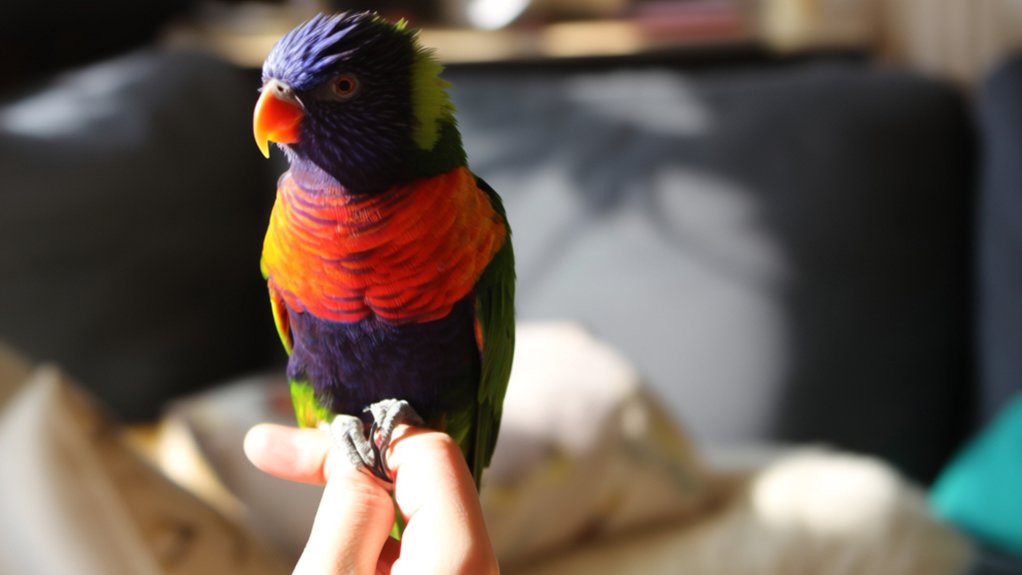
Yes, you can keep birds as pets, but it requires long-term commitment and specialized care to meet their complex physical, social, and dietary needs. Birds need ample space to fly, mental stimulation, and social interaction to prevent stress and behavioral issues.
Ethical sourcing is really important to avoid supporting harmful wild trade practices. Proper housing, veterinary care, and enrichment are essential for their well-being.
Understanding these factors will help you make an informed decision about bird ownership. So, if you’re ready to put in the effort, birds can make wonderful companions.
What You Should Know Before Getting a Pet Bird
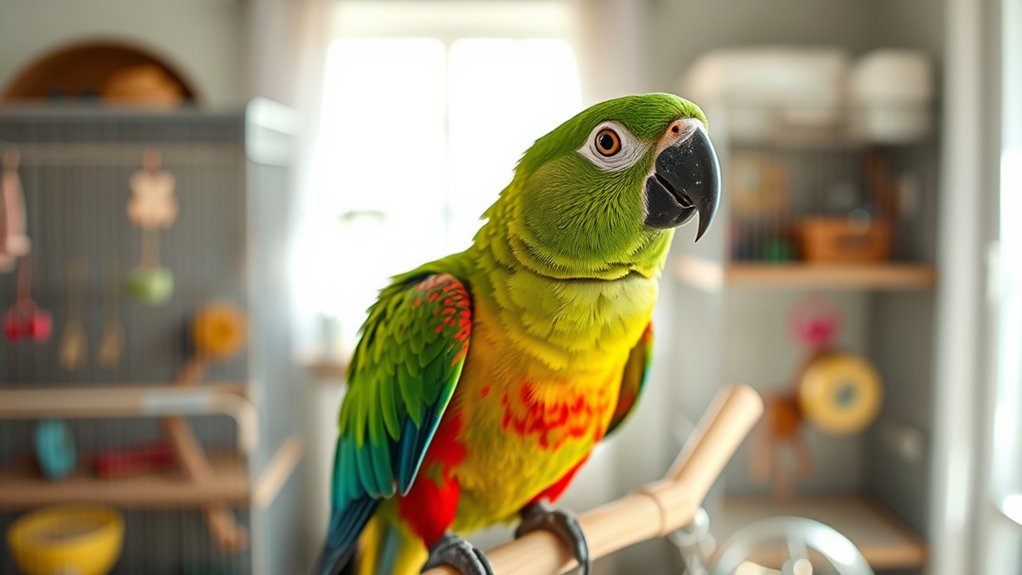
Before you decide to bring a pet bird into your home, you need to understand that birds require a lifelong commitment due to their long lifespans. Some parrots can live over 80 years, so it’s not a decision to take lightly.
You must provide proper care, including ample space, mental stimulation, social interaction, and a nutritious diet tailored to each species. Many birds are highly social and intelligent, so companionship and environmental enrichment are essential. This helps prevent stress-induced behaviors like feather plucking and pacing.
Inadequate housing, such as small cages or restricted flying space, can lead to severe welfare issues. You should thoroughly research species-specific needs and ethical sourcing to make sure you’re prepared for the significant responsibilities involved.
Doing this preparation helps maintain both the bird’s health and well-being throughout its life. It’s all about creating a happy and healthy environment for your feathered friend.
Birds’ Natural Needs vs. Pet Bird Captivity
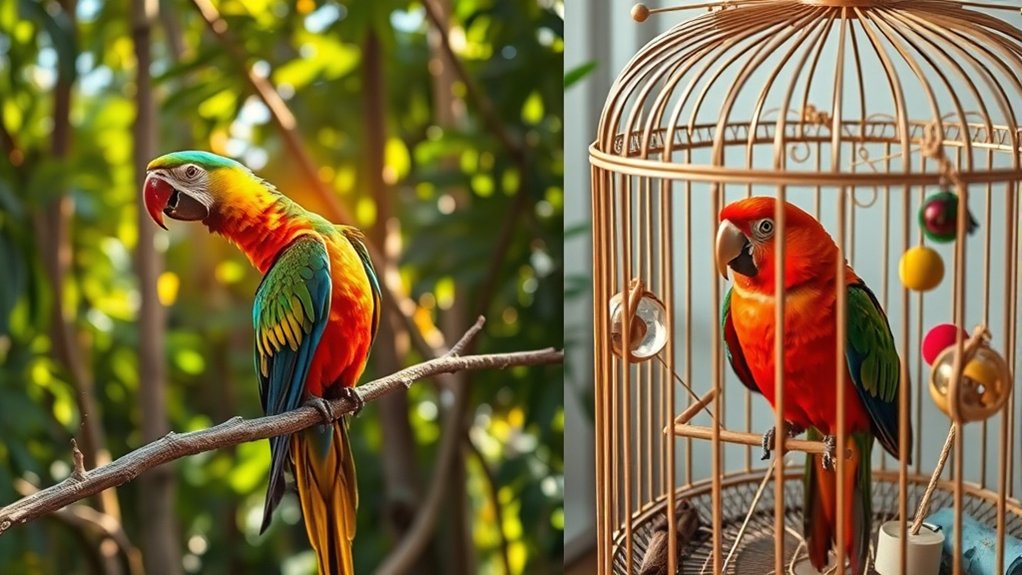
You’ve got to realize that birds need plenty of space to fly around and the freedom to act like birds do in the wild. Small cages just don’t cut it for that.
On top of that, birds have really complex social and mental needs. They need interaction and things in their environment to keep them busy, or else they can get stressed out and start doing things like plucking their feathers.
Flight And Freedom
Although birds have adapted to captivity, their innate need for flight remains critical to their physical and psychological health. In the wild, birds cover vast distances daily, a behavior impossible to replicate in cages. Confinement restricts flight, causing physical decline and stress.
This often triggers abnormal behaviors like feather plucking. Flight supports mental stimulation, social interaction, and natural foraging, all of which are limited in typical pet environments. To ensure their welfare, you need to provide space and enrichment that mimic natural flight opportunities.
| Aspect | Wild Birds | Captive Birds |
|---|---|---|
| Flight Distance | Hundreds of miles daily | Restricted to cage size |
| Physical Health | Maintained by active flight | Declines without exercise |
| Behavior | Natural foraging and social | Abnormal behaviors emerge |
Social And Mental Needs
Since birds are inherently social creatures, their mental health depends heavily on complex interactions within large flocks. These flocks provide communication, companionship, and cooperative behaviors like shared parenting.
In the wild, these interactions happen alongside daily flights and natural foraging, which are essential for keeping their minds active.
When kept as pets, birds face limitations that often restrict these behaviors. This usually results in unmet social and mental needs.
Human interaction alone can’t replace the intricate social bonds birds form with their own kind. To support their psychological well-being, you need to provide environmental enrichment that encourages natural behaviors and chances to socialize.
Without this, pet birds risk loneliness and frustration, which can harm their mental health.
It really shows how tough it’s to fully meet their innate social and cognitive needs in captivity.
Stress And Behavioral Issues
When birds can’t engage in natural activities like flying, foraging, or interacting with large flocks, they often experience significant stress. This stress shows up in abnormal behaviors such as feather plucking and pacing. It’s tough for them when their natural routines get interrupted.
In captivity, being stuck in small cages limits their physical movement and takes away important mental stimulation. This setup increases the chances of stereotypic behaviors, which are repetitive and often harmful habits.
Birds naturally live in large social groups and share parenting duties. These social structures are hard to mimic in typical pet environments. As a result, birds can feel lonely and chronically frustrated.
This ongoing stress doesn’t just affect their minds, but their bodies too. To help with this, you need to provide environmental enrichment, plenty of space, and social interaction. Doing so helps reduce stress and supports the bird’s overall well-being while in captivity.
Pros and Cons of Pet Bird Ownership
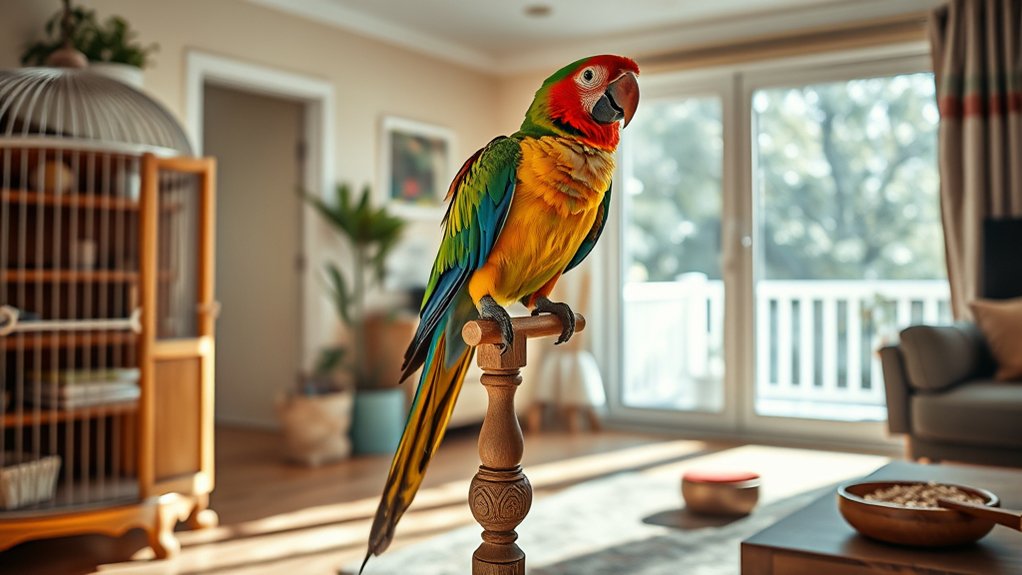
You’ll find that having a bird as a pet can really boost your emotional well-being and help lower stress levels. It’s amazing how much of a positive impact they can have on your health.
That said, birds do have some pretty complex care needs, and because they can live for a long time, you need to be prepared to commit to their well-being over the years.
Also, it’s important to think about where your bird comes from. The way birds are sourced can sometimes hurt wild populations and ecosystems, so considering the ethical and conservation side of things is a big part of responsible pet ownership.
Benefits of Bird Companionship
Although bird ownership demands considerable time and care, the companionship they offer can profoundly improve your mental and physical well-being. Scientific studies show that interacting with birds can reduce loneliness, lower blood pressure, and enhance mental health.
Many bird species possess high intelligence and social complexity. They require and thrive on regular interaction and cognitive stimulation from you. This engagement can foster a meaningful bond, promoting emotional satisfaction and cognitive benefits.
Additionally, birds’ vibrant behaviors and vocalizations provide dynamic social enrichment. However, understanding their behavioral needs and providing an appropriate environment are essential to harness these benefits effectively.
Challenges of Bird Care
Because pet birds require extensive time, financial resources, and specialized care, owning one presents significant challenges. You must provide a balanced diet, mental enrichment, proper housing, and regular veterinary check-ups to maintain their health.
Many species, especially parrots with lifespans exceeding 50 years, demand long-term commitment. Inadequate socialization, limited space, and insufficient stimulation often cause stress, boredom, and behavioral problems like feather plucking.
Typical household environments rarely meet these needs, risking poor welfare. While birds can offer companionship and health benefits, neglect or improper care leads to serious physical and psychological issues.
Ethical and Conservation Issues
How does owning a pet bird impact ethical and conservation concerns? Capturing wild birds can devastate local populations and ecosystems, raising significant ethical issues. You can reduce these risks by choosing captive-bred birds from reputable breeders or rescue centers.
However, improper care still jeopardizes bird welfare. The illegal trade, with nearly 1 million CITES-listed birds trafficked in Southeast Asia over ten years, underscores serious conservation threats. So, balancing your enjoyment with these ecological impacts is really important.
| Pros | Cons |
|---|---|
| Supports captive breeding | Wild capture harms ecosystems |
| Reduces demand for wild birds | Illegal trade fuels population loss |
| Encourages rescue and rehabilitation | Inadequate care risks welfare |
| Raises conservation awareness | Ethical dilemmas persist |
Ethical Issues in Bird Trade and Ownership
Why does the trade and ownership of birds raise significant ethical concerns? You need to think about the devastating impact of capturing wild birds. Sadly, 75–90% of these birds die before they even reach sale, and over 400 species are threatened with extinction because of this.
In Southeast Asia alone, illegal trade removes nearly 1 million CITES-listed birds in just a decade. This often involves violence and unethical methods. When you buy wild-caught birds, you’re actually contributing to ecosystem disruption and biodiversity loss.
Captive-bred birds are generally more ethical to own. But even then, poor care and illegal sourcing can still cause moral issues. So, to be responsible, make sure you get your birds from reputable breeders or rescue groups. Avoid illegal poaching at all costs.
Ethical ownership means being aware of these consequences. It’s about committing to prevent exploitation and harm to wild bird populations.
How to Provide Proper Care and Housing for Pet Birds
When you provide proper care and housing for pet birds, you guarantee their physical health and psychological well-being. Start by selecting a cage or aviary that offers ample space for flight and natural behaviors, tailored to your bird’s species.
Proper care and spacious housing ensure your pet bird’s health and happiness.
Supply a balanced diet of fresh fruits, vegetables, seeds, and specialized pellets to meet nutritional requirements.
Enrichment is essential; include foraging toys, shredding materials, and puzzles to stimulate cognition. Offer regular supervised out-of-cage time and social interaction to reduce stress and prevent behavioral problems.
Confirm routine veterinary care with health checks and quarantine new or ill birds to control disease spread.
Health Risks and Benefits of Owning Pet Birds
Although owning pet birds can provide notable mental health benefits, such as reducing stress and lowering blood pressure, you should also recognize the associated health risks.
Birds may transmit zoonotic diseases like psittacosis and avian influenza, which can cause respiratory illness in humans. Exposure to bird dander and feathers can provoke allergic reactions or exacerbate asthma symptoms, especially in sensitive individuals.
To mitigate these risks, you must implement proper quarantine procedures for new birds and maintain regular veterinary care.
Additionally, some species exhibit aggressive behavior or biting tendencies, which can cause physical injury.
Understanding these potential hazards and practicing preventive measures ensures safer interactions and maximizes the mental health advantages of bird ownership while safeguarding your well-being.
Legal and Conservation Issues for Pet Birds
Because the pet bird trade directly impacts wild populations, legal and conservation issues are critical to consider. Laws that prohibit the capture and sale of wild birds often suffer from weak enforcement. This allows illegal trade to persist; for example, nearly 1 million CITES-listed birds were illegally removed from Southeast Asia over ten years.
Regulations require welfare standards for captive birds, but insufficient enforcement and lack of owner knowledge often undermine these protections. Also, public awareness of the pet bird trade’s ecological consequences is still pretty limited. This makes it harder to push conservation efforts forward.
To reduce environmental harm, you should prioritize responsible sourcing by buying captive-bred birds and supporting conservation programs. Doing this helps protect wild populations and ensures that owning pet birds doesn’t contribute to biodiversity loss or illegal wildlife exploitation.
Frequently Asked Questions
Can Birds Learn to Talk or Mimic Sounds?
Yes, you can train birds, especially parrots, to mimic sounds and words by consistent repetition and association. Their vocal abilities vary by species, with some mastering hundreds of sounds.
That said, true language comprehension remains limited. But it’s pretty amazing how some birds can pick up on what we say and repeat it back!
What Are the Best Bird Species for Beginners?
You’ll find budgerigars, cockatiels, finches, lovebirds, and Quaker parrots ideal for beginners due to their manageable size, social behaviors, ease of care, and cognitive abilities.
That said, each of these birds requires specific attention to their unique needs and stimulation. So, it’s important to learn what makes each species tick before bringing one home.
How Do Birds Communicate With Their Owners?
You’ll find birds communicate through vocalizations like chirps, whistles, and mimicry, plus body language such as head bobbing and wing flapping. These signals reveal their emotions and needs. They also help you understand their health and engagement clearly.
Birds are pretty expressive once you get to know their cues. Paying attention to these signs can really strengthen the bond between you and your feathered friend. It’s all about tuning in and responding with care.
Can Pet Birds Be Trained to Do Tricks?
Yes, you can train pet birds to perform tricks like waving or retrieving objects using consistent positive reinforcement. Patience and daily practice really help their learning.
This works especially well with intelligent species such as African grey parrots and cockatoos. Just keep at it, and you’ll see progress!
What Toys and Activities Do Pet Birds Enjoy?
You’ll find pet birds enjoy interactive toys like puzzle feeders and shreddable materials, which mimic natural foraging. Studies show 70% prefer chewing wooden blocks, enhancing beak health and cognitive stimulation.
It’s great to keep their activities varied by rotating toys regularly. This keeps things fresh and interesting for your feathered friend. Plus, it helps prevent boredom and encourages natural behaviors.
Conclusion
You can keep birds as pets, but you need to think about their natural needs compared to living in captivity. It’s important to balance the pros and cons and consider any ethical concerns that come with it.
You also have to provide proper care and housing for your bird. Understanding the health risks and benefits is key, and don’t forget to respect legal and conservation issues.
By doing all this, you help ensure your bird’s welfare and protect biodiversity. Plus, it promotes responsible ownership. Remember, having a pet bird means committing to their physical, psychological, and environmental well-being every single day.