
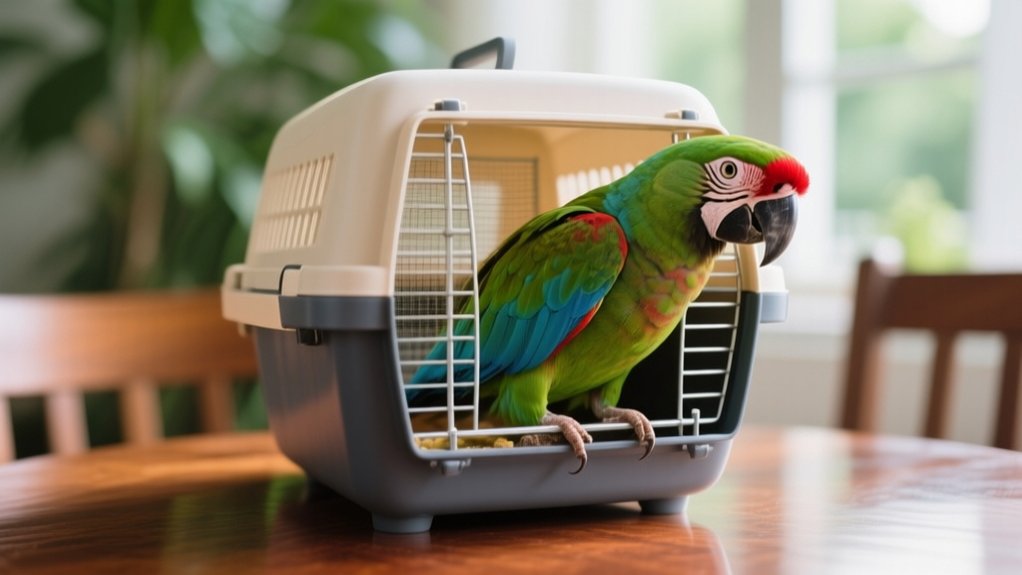
Yes, you can ship certain live birds like day-old poultry through USPS, but only if you follow strict regulations. The birds must be healthy, no more than 24 hours old, and packed in ventilated, USDA-approved containers marked with hatch dates. Shipping is limited to specific species such as chickens, quail, and turkeys via Priority Mail Express.
You’ll need to follow precise handling, timing, and packaging guidelines to guarantee safe, compliant transit. Details on requirements and best practices can provide further clarity. Just make sure to check all the rules before you send your birds along!
What Types of Birds Can You Ship Via USPS?
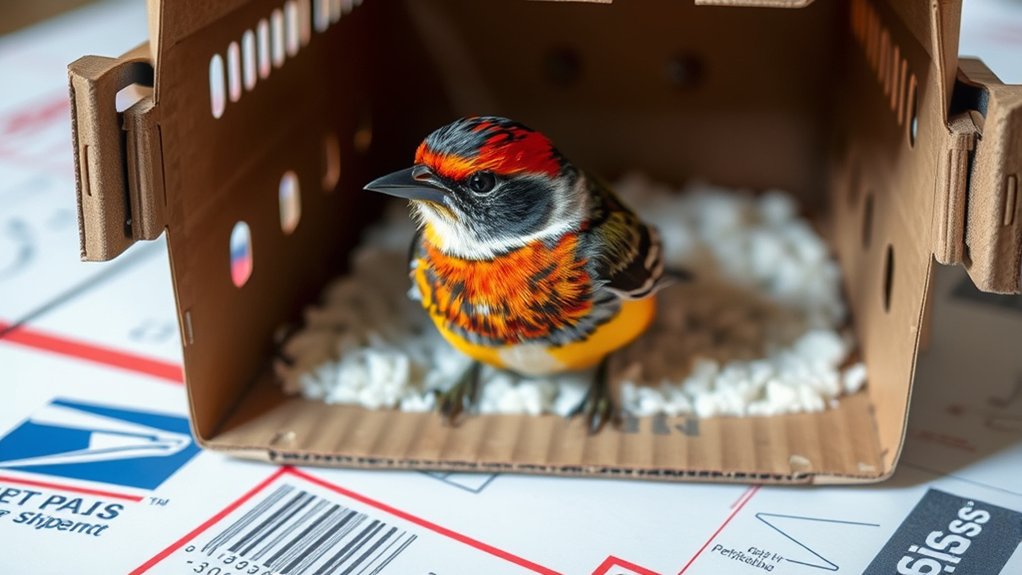
Although USPS permits shipping certain birds under specific conditions, you can only send adult birds that are disease-free via Priority Mail Express.
Species eligible include chickens, ducks, geese, guinea birds, partridges, pheasants, quail, and turkeys, but only if they’re no more than 24 hours old.
Eligible species include chickens, ducks, geese, and others, but must be no older than 24 hours.
When shipping live, day-old poultry, you must send them early in the week, using their original hatchery boxes clearly marked with the hatch date.
Birds vaccinated or belonging to other species are considered nonmailable.
To comply, you need to guarantee proper packaging and accurate labeling, as well as adhere to timing requirements.
Following these guidelines minimizes risk and ensures safe transit, aligning with USPS’s regulatory framework for the shipment of specific live birds.
USPS Regulations for Shipping Live Birds
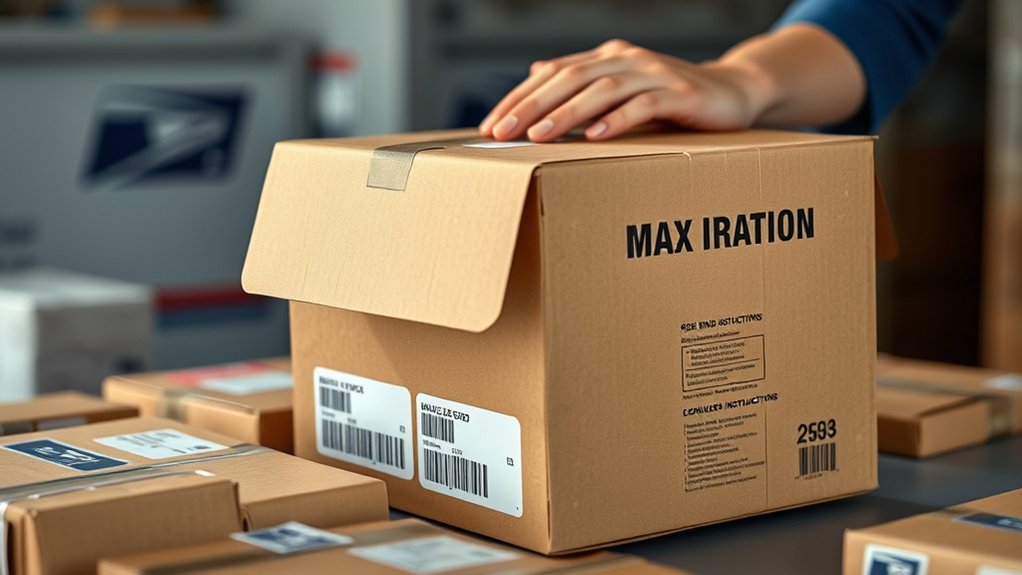
You need to make sure your live bird meets USPS shipping requirements. For instance, the bird’s weight must be between 6 ounces and 25 pounds. Also, it has to be contained in approved packaging.
These containers should be made by authorized manufacturers and follow certain size and strength standards. This helps keep your bird safe during the trip.
Plus, you have to use Priority Mail Express for shipping.
Don’t forget, all shipments must comply with federal laws. These rules are in place to protect the birds and prevent any damage while they’re in transit.
Shipping Requirements Overview
When shipping live birds via USPS, you must use Priority Mail Express and follow weight limits from 6 ounces up to 25 pounds. You’ll need to use containers approved by USPS manufacturers that are designed to prevent damage, moisture, and stress during transit.
Each container should be clearly marked with the shipping address. For poultry, make sure to include the hatch date and hour if that applies.
Your shipment must comply with federal laws like the Lacey Act, Endangered Species Act, and USDA regulations. These rules require proper labeling and documentation to keep everything above board.
If damage or loss happens, claims are only valid when USPS handling or container failure caused the problem. You’ll have to follow specific indemnity procedures in those cases.
Packaging And Weight Limits
Since USPS mandates specific packaging and weight limits for shipping live birds, adhering to these regulations is critical for compliance and the birds’ safety. You must guarantee containers weigh between 6 ounces and 25 pounds and are USPS-approved, constructed by authorized manufacturers. Proper securement is essential to prevent injury or stress.
Consider these key points: Use only USPS-approved containers designed for live bird transport. Limit the number of birds per container following manufacturer size and stacking guidelines.
Ascertain each bird’s weight aligns with the minimum 6 ounces and maximum 25 pounds limit.
Package birds to protect them from moisture, temperature extremes, and physical damage during transit. Following these standards guarantees regulatory compliance and safeguards the health of your birds during shipment.
Required Packaging Materials for Bird Shipping
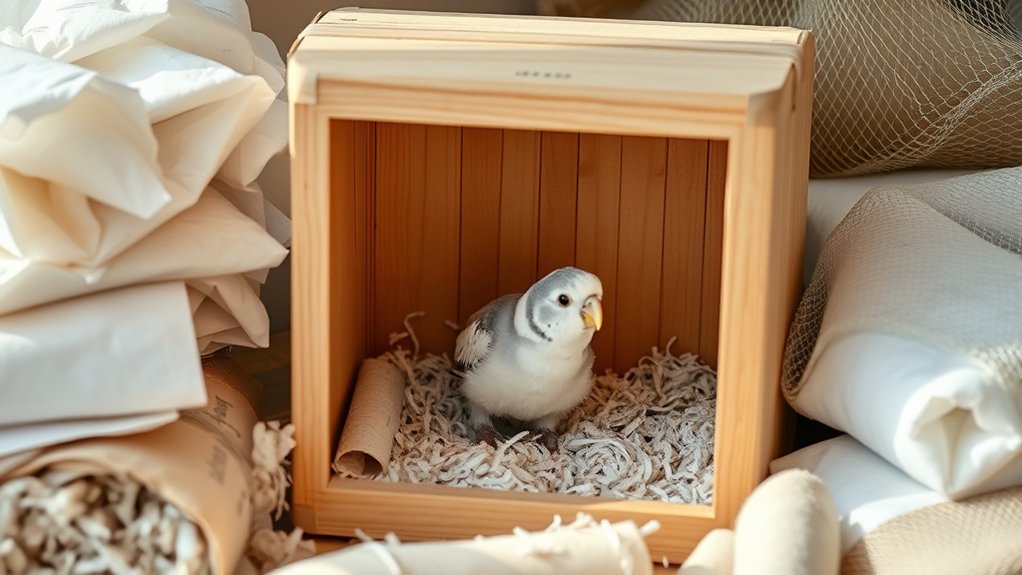
Although shipping birds requires careful attention to multiple factors, selecting the proper packaging materials is essential to guaranteeing their safety and regulatory compliance. You must use USPS-approved containers made by approved manufacturers, designed to be sturdy and ventilated. These containers prevent injury, escape, and damage during transit.
Ventilation holes need a white breathable membrane intact to protect birds from airborne pathogens. Choose container sizes that minimize overcrowding, reduce stress, and avoid overheating or injury. The packaging must withstand stacking, weather, and handling stresses.
Additionally, when applicable, clearly mark the container with the hatch date and hour. By adhering to these precise material requirements, you guarantee the birds’ welfare and meet all regulatory standards in the shipping process. It’s all about making sure the birds arrive safe and sound.
Bird Number and Weight Limits Per Package
You need to make sure each package contains birds weighing between 6 ounces and 25 pounds total, following USPS regulations.
The number of birds you can include depends on the container’s manufacturer specifications, which help keep things safe and stable.
Sticking to the right weight and quantity limits is important—it helps prevent injury and reduces stress for the birds during transit.
Weight Restrictions Overview
When shipping birds, the weight of each package must fall between 6 ounces and 25 pounds to guarantee safe transport. Adhering to this range ensures container integrity and bird safety.
Consider these critical weight restrictions: each adult bird package must exceed 6 ounces but not surpass 25 pounds. Packaging has to support the birds’ weight and meet USPS approval standards.
Containers also need enough strength to handle stresses and temperature changes during transit.
For live poultry, hatchery boxes must stay sealed, with clear hatch dates and times. This confirms proper age and weight compliance.
Following these weight guidelines helps prevent physical damage and stress, which is key to maintaining bird welfare throughout transit. Make sure your packaging meets these criteria to get the best shipping results and stay compliant with regulations.
Bird Quantity Limits
Since shipping multiple birds in a single package is allowed, you must carefully balance the number of birds with the container’s size and strength to comply with USPS regulations. Each bird’s weight must range between 6 ounces and 25 pounds, and the total combined weight can’t exceed the container’s limits.
Overpacking risks stress and overheating, which compromises avian welfare during transit.
Only approved containers designed to handle the specific load should be used, ensuring structural integrity throughout shipment. Additionally, adult birds require Priority Mail Express service, adding another compliance layer.
By strictly adhering to these constraints, you can safely ship multiple birds without violating USPS policies or endangering the animals.
Precision in quantity and weight management is essential for successful bird shipment. So, it’s really about finding that balance and following the rules carefully to keep the birds safe and your shipment compliant.
Preparing Live Birds for Safe Shipping
Although shipping live birds presents unique challenges, careful preparation goes a long way in keeping them safe and comfortable during transit. To get ready properly, just follow these key steps.
First, feed and hydrate the birds before shipping to keep their health and energy up. Then, line the shipping container with litter or bedding. This helps absorb moisture, reduce odors, and gives the birds a stable place to stand.
Feed and hydrate birds pre-shipment, then line containers with bedding for comfort and moisture control.
You’ll also want to include a moisture source like sliced cucumber, apple, or orange. Just don’t rely only on leafy vegetables since they mightn’t provide enough hydration.
And always ship healthy, unstressed birds. Avoid sending any injured or sick ones to prevent problems.
One more thing—make sure to tell the recipient when to expect the delivery. That way, they can unpack and care for the birds quickly, which helps reduce stress and avoid harm. Following these steps sets up ideal conditions for your birds while they’re on the move.
Best Times and Weather to Ship Birds
To guarantee the well-being of birds during transit, you need to ship them under moderate weather conditions that minimize exposure to extreme temperatures. Avoid very hot or cold days. These can cause the container’s internal temperature to exceed safe limits, risking stress or health issues.
Plan shipments early in the week, steering clear of weekends and holidays. This helps ensure timely unpacking and adequate care upon arrival.
Before shipping, check weather forecasts at both the origin and destination. This way, you can anticipate and avoid adverse conditions that might delay transit or expose birds to harmful environments.
By carefully selecting shipping times and monitoring weather, you reduce the risk of temperature-related problems. It also helps maintain bird health throughout transport.
Shipping Live, Day-Old Poultry: Rules and Best Practices
When you ship live, day-old poultry such as chickens, ducks, or turkeys, you must guarantee they’re no more than 24 hours old and remain in their original, unopened hatchery boxes. These boxes must clearly state the hatching date and hour and provide adequate ventilation to assure survival during transit.
To comply with USDA standards and optimize safety, follow these best practices:
Follow USDA guidelines closely to ensure the safe and timely shipment of day-old poultry.
- Ship only early in the week to avoid delays caused by weekends or holidays.
- Use sturdy, ventilated packaging that meets regulatory specifications.
- Ensure the poultry is securely contained to prevent injury or death during transport.
- Confirm all labeling and documentation are accurate and complete before shipping.
Adhering to these rules maximizes the likelihood of successful delivery within 72 hours of hatching.
How to Handle Claims for Bird Damage or Loss
If your shipment of birds arrives damaged or incomplete, you can file a claim as long as the packaging and handling met USPS regulations. Claims are accepted for damage that happens during postal handling when the shipment meets mailability standards.
You can also claim loss if the container is damaged or if the entire package is missing. To support your claim, make sure to document the damage or loss thoroughly. This includes evidence of container damage or mishandling.
Be sure to alert postal personnel right when you receive the package and keep all packaging materials. This helps back up your report.
USPS indemnity procedures (DMM 609) require this documentation for a claim to be approved. Following these steps ensures you meet USPS requirements and increases your chances of getting compensation for bird damage or loss during transit.
Common Mistakes When Shipping Birds
Although shipping birds requires strict adherence to regulations, many common mistakes come from overlooking important factors like the birds’ health, container limits, and accurate labeling. You need to make sure your birds are healthy and unstressed before shipment to prevent injury or death during transit.
Ensuring birds are healthy and properly labeled is crucial to safe, regulation-compliant shipping.
Avoid overpacking the container because it can lead to overheating and physical harm. Proper labeling, including clear hatch dates, is essential to avoid delays or shipment rejection.
Also, shipping during extreme weather without taking precautions can break regulations and put the birds at risk.
Some common errors include neglecting bird health assessments before shipping, overpacking beyond container specs, and leaving out accurate hatch dates and labels on packages.
People also often ignore age, weight, species restrictions, and shipping guidelines related to weather.
Following these tips helps minimize risks and keeps you compliant with the rules.
Frequently Asked Questions
Can Birds Be Shipped Internationally Through USPS?
No, you can’t ship birds internationally through USPS. They restrict live bird shipments to domestic mail only because of strict regulations and quarantine requirements.
If you want to send birds abroad, you’ll need to find specialized carriers who handle international live bird transport. USPS just doesn’t cover that service. It’s all about keeping the birds safe and following the rules.
Are There Special Permits for Shipping Endangered Bird Species?
Yes, you need special permits from federal authorities like the U.S. Fish and Wildlife Service to ship endangered birds. These permits enforce strict regulations to protect species, requiring detailed documentation and compliance with legal and safety standards.
How Long Does Bird Shipping Usually Take?
Bird shipping usually takes 1 to 7 days, depending on distance, transport method, and weather.
Using expedited services like Priority Mail Express can reduce transit time to 1-2 days. This helps minimize stress and ensures your bird arrives promptly.
Can You Ship Birds During Extreme Weather Conditions?
You shouldn’t ship birds during extreme weather conditions, as temperature fluctuations and delays increase risks of stress, injury, or death. Always monitor weather at both locations and coordinate shipping to avoid storms, freezing, or heat extremes.
It’s really important to keep an eye on the forecast before you plan anything. If the weather looks rough, it’s better to wait it out. Your birds will thank you for it!
Is It Legal to Ship Exotic Birds by Mail?
Shipping exotic birds by mail is a tightrope walk of regulations. You must comply with federal, state, and international laws, guarantee health standards, and secure permits.
Otherwise, you risk violating conservation and animal welfare statutes. It’s definitely not something to take lightly. Make sure you do your homework before attempting to ship any exotic birds.
Conclusion
You can ship birds, but it’s not as simple as dropping a package off. While USPS allows certain live birds under strict conditions, improper packaging or ignoring weight limits can lead to harm or loss.
Scientific guidelines and USPS rules work together to guarantee safety, yet overlooking them creates risk. Shipping birds demands precise preparation and timing. Neglect these details, and what should be a secure transport becomes a perilous journey for your feathered cargo.