

Yes, birds can catch the flu. Specifically, they get infected by avian influenza viruses that affect many bird species. Wild aquatic birds like ducks often carry the virus without showing any symptoms.
But domestic poultry can get very sick and sometimes die from it. The virus spreads through saliva, nasal secretions, droppings, and contaminated water. This especially happens where birds gather closely together.
While it’s rare, some mammals and even humans can catch the virus from close contact with infected birds. If you want to know more about how the flu spreads, what symptoms to watch for, and how to respond, keep reading for all the details.
What Is Bird Flu?
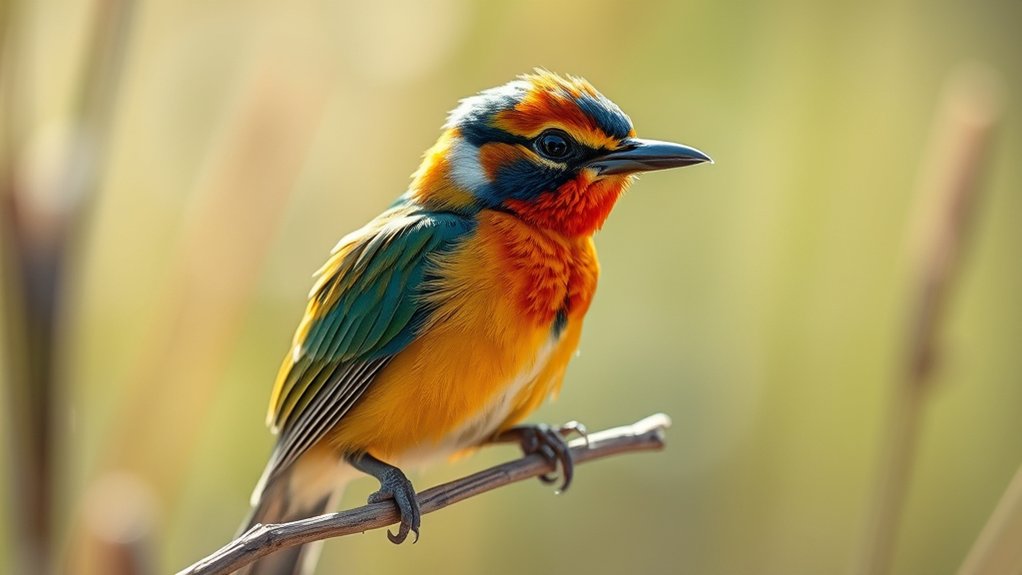
Although bird flu primarily targets birds, it poses a complex risk because it can infect various species. Bird flu is caused by avian influenza A viruses and mainly infects birds, but it can cross species barriers.
Bird flu mainly infects birds but can cross species, posing complex risks beyond avian populations.
The H5N1 strain, for example, causes severe illness and high mortality in domestic poultry. This has a big impact on agriculture.
You should know that wild aquatic birds like ducks and geese act as natural reservoirs. They often carry the virus without showing symptoms.
Beyond birds, some mammals, including cats and cows, can also become infected. This makes containment efforts more complicated.
Human infections are rare and usually happen from close contact with infected birds or contaminated environments.
Understanding bird flu’s virology and transmission dynamics is essential. It helps us manage its spread and reduce risks to animal and human health.
Which Birds Can Catch Bird Flu?

When you look at the range of bird species affected by bird flu, it’s clear that over 100 wild birds can carry avian influenza A viruses. This especially includes waterfowl like ducks, geese, and swans. These birds often carry the virus without showing any symptoms.
Backyard birds such as pigeons, sparrows, and crows can also catch bird flu. However, most songbirds haven’t shown many infection reports. Domestic poultry, like chickens and turkeys, are highly vulnerable and often experience severe symptoms.
Wild aquatic birds usually act as asymptomatic reservoirs, meaning they carry the virus without getting sick. So, they play a big role in spreading bird flu without themselves being affected.
| Bird Group | Susceptibility to Bird Flu |
|---|---|
| Waterfowl | High, often asymptomatic |
| Domestic Poultry | High, often severe disease |
| Backyard Birds | Moderate susceptibility |
| Songbirds | Low, rare infection reports |
| Other Animals | Occasionally infected (cats, cows) |
How Does Bird Flu Spread Among Birds?
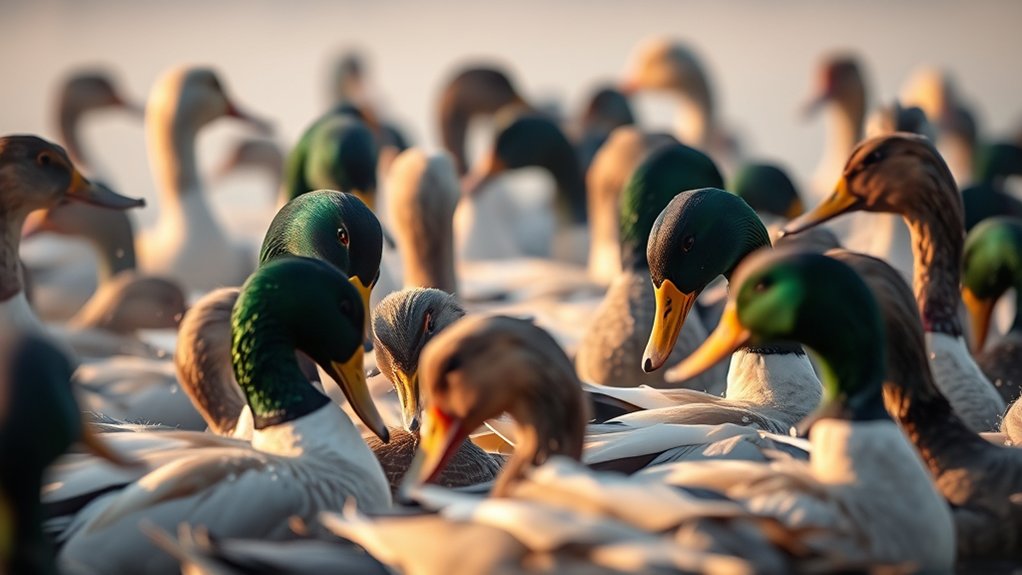
Because bird flu viruses thrive in environments where birds congregate closely, they spread rapidly through direct contact with infected saliva, nasal secretions, and droppings. You should understand that transmission occurs not only through direct contact but also via contaminated water, surfaces, and airborne particles.
Wild aquatic birds often carry the virus silently, which increases its reach. High-density locations like poultry farms accelerate this spread dramatically.
Specifically, the virus spreads when:
- Birds share contaminated water or feed sources.
- Infected droppings contaminate the environment.
- Respiratory droplets or dust particles carry the virus through the air.
- Close physical contact facilitates direct virus transfer.
Which Birds Commonly Catch Bird Flu?
If you want to understand which birds commonly catch bird flu, you need to focus on species with frequent exposure to the virus and varying susceptibility levels. Wild aquatic birds like ducks, geese, and gulls often carry the virus without showing symptoms. They act as natural reservoirs for the virus.
Domestic poultry such as chickens and turkeys are highly susceptible and often show severe symptoms. Backyard birds, including sparrows, pigeons, and crows, can also become infected, especially during outbreaks.
However, most common songbirds, like cardinals and blue jays, rarely catch the virus.
| Bird Category | Susceptibility & Role |
|---|---|
| Wild Aquatic Birds | Natural carriers; often asymptomatic |
| Domestic Poultry | Highly susceptible; severe illness common |
| Backyard Birds | Occasionally infected during outbreaks |
Can Bird Flu Spread From Birds to Humans?
You can catch bird flu if you’re in close contact with infected birds or environments contaminated by them. This is especially true when you’re exposed to high amounts of the virus found in their droppings or secretions.
But don’t worry too much—human cases are still pretty rare. Most people who get infected are those who handle sick poultry without the right protective gear.
Knowing how the virus spreads can really help you take the right steps to protect yourself and lower your chances of getting sick.
Transmission From Birds
How exactly does bird flu spread from birds to humans? You contract the virus primarily through close, unprotected contact with infected birds or contaminated environments. The virus transmits via exposure to infected bird secretions, droppings, or surfaces.
Though human cases remain limited globally, they mostly involve people working closely with infected poultry or wild birds. You should understand these critical transmission pathways:
- Handling infected birds without protective gear
- Contact with bird droppings or respiratory secretions
- Touching contaminated surfaces or materials
- Prolonged or intense exposure to infected environments
No sustained human-to-human transmission has been documented in the U.S., yet isolated cases elsewhere imply potential transmission routes. So, staying informed and cautious around infected birds really reduces your infection risk.
Human Infection Risk
When does bird flu pose a risk to humans? Human infection is rare and usually happens through close, unprotected contact with infected birds or contaminated environments.
Since 2022, there have been 70 confirmed cases in the US, mostly linked to exposure to infected poultry or farm animals.
You should know that no proven human-to-human transmission has been documented, so the risk stays low under normal circumstances.
But this risk goes up a lot with prolonged and close contact with infected animals.
If you handle birds, it’s important to be aware that proper handling, cooking, and hygiene can reduce the chances of catching bird flu.
Overall, while it’s possible to get bird flu from birds, it requires specific exposure conditions.
Preventive Measures
Although human infections with bird flu remain rare, understanding the preventive measures to minimize transmission from birds to humans is critical. You can markedly reduce your risk by following precise safety practices. Bird flu spreads mainly through close contact with infected birds or contaminated environments, so vigilance matters.
Here are four essential preventive measures you should adopt:
- Avoid direct contact with sick or dead birds to eliminate exposure to the virus.
- Use protective gear such as gloves and masks when handling birds, especially in live poultry markets or farms.
- Practice rigorous hand hygiene after any bird contact to prevent viral transfer.
- Ensure poultry, eggs, and dairy products are thoroughly cooked, as heat effectively inactivates the virus.
Implementing these measures helps protect you and others from potential bird flu transmission. It’s really about staying cautious and keeping these simple habits in mind. That way, you’re doing your part to stay safe.
What Symptoms Do Infected Birds and Pets Show?
Since early detection is essential, you should closely observe birds and pets for specific symptoms indicating bird flu infection.
In birds, watch for sudden death, lethargy, swelling of the comb or wattles, and decreased egg production. You might also notice nasal discharge, diarrhea, and purple or swollen areas on the body.
Pets like cats and dogs may develop fever, respiratory issues, nasal and eye discharge, and neurological signs such as tremors or seizures. Cats often show severe illness with eye inflammation, coughing, and neurological symptoms.
You must also note low energy, respiratory distress, and abnormal behavior in both birds and pets. These are critical early indicators.
Prompt recognition of these signs helps you respond quickly to control the spread of the virus and protect animal health.
How to Prevent Bird Flu in Birds and Pets
Recognizing symptoms in birds and pets allows you to act swiftly, but preventing bird flu requires proactive measures to minimize exposure and transmission. To protect your birds and pets, you must implement strict biosecurity practices that reduce contact with the virus.
Keep domestic birds indoors and separate from wild birds to limit infection risk. Clean and disinfect cages, feeders, and water sources regularly to eliminate viral particles. Avoid feeding or handling wild birds, as they may carry contaminated pathogens.
Monitor your pet birds closely for illness signs and consult a veterinarian promptly for early diagnosis.
Additionally, cook poultry, eggs, and pet foods thoroughly to deactivate the virus and prevent transmission through ingestion.
These precise actions form the foundation of effective bird flu prevention. It’s all about staying one step ahead and keeping your feathered friends safe.
What to Do If Your Birds Have Bird Flu?
If your birds start showing signs like sudden death, feeling very tired, or having nasal discharge, it’s important to isolate them right away to stop the flu from spreading.
Don’t wait—reach out to a veterinarian as soon as possible for a proper diagnosis and advice.
Catching the problem early and acting quickly can make all the difference in controlling a bird flu outbreak.
Recognizing Bird Flu Signs
When your birds show signs such as sudden lethargy, nasal or ocular discharge, or unexpected drops in egg production, you should act promptly to assess their health. Recognizing bird flu signs early is really important. Look for purple swelling of combs and wattles or diarrhea, which can indicate infection.
If you notice these symptoms, don’t wait—consult a veterinarian immediately for diagnostic testing. Bird flu symptoms can look like other diseases, so getting a professional opinion is key.
Here’s what you need to do:
- Keep an eye out for sudden deaths or unusual behavior.
- Notice any changes in energy levels and egg production.
- Watch for respiratory discharges and physical swelling.
- Get a professional veterinary evaluation to confirm what’s going on.
Timely recognition helps protect your flock and stops the virus from spreading. So, stay alert and act quickly!
Immediate Isolation Steps
Noticing signs of bird flu means you must act immediately to contain the infection. First, isolate any sick or deceased birds from healthy ones to prevent viral transmission. Remove contaminated bedding, feed, and water promptly, disposing of them safely to reduce environmental viral load.
Limit access to the infected area, restricting movement of other birds or animals nearby to avoid cross-contamination. Maintain strict hygiene: wash your hands thoroughly and disinfect all equipment used with the affected flock. These steps minimize viral spread within your population and environment.
Follow these isolation measures precisely until professional guidance is available. Immediate, rigorous containment is critical to managing avian influenza outbreaks effectively and protecting the health of your birds and others in the vicinity.
Contacting Veterinarians Promptly
Because bird flu can spread rapidly and cause severe illness, you should contact a veterinarian immediately upon suspecting infection in your flock. Prompt veterinary intervention is essential to confirm diagnosis through tests like swabs or blood work and to guide effective containment measures. Early reporting considerably improves recovery chances and limits virus transmission.
Follow your veterinarian’s instructions carefully, especially regarding quarantine and sanitation protocols.
Here’s what you need to do:
- Call your veterinarian at the first sign of symptoms or mortality increase.
- Prepare to provide detailed information about your flock’s health and environment.
- Follow testing procedures recommended by the veterinarian precisely.
- Implement quarantine and hygiene measures as directed to prevent spread.
Frequently Asked Questions
Can Bird Flu Viruses Survive on Bird Feeders or Water Sources?
Yes, bird flu viruses can survive on feeders and water sources. You’ll find they remain infectious for days, especially in cooler temperatures.
You should clean and disinfect these regularly to reduce infection risks effectively. It’s a simple step that can make a big difference in keeping birds safe.
Are There Vaccines Available for Pet Birds Against Bird Flu?
Though vaccines for pet birds against bird flu remain elusive like the Philosopher’s Stone, you won’t find commercially approved options yet.
Instead, you should rely on strict hygiene and avoiding exposure to wild or infected birds.
It’s all about keeping your feathered friends safe through good practices since the vaccine route isn’t available right now.
How Long Can Infected Birds Shed the Bird Flu Virus?
Infected birds can shed the bird flu virus from several days up to several weeks. This depends on the species, the virus strain, the bird’s immune response, and the environmental conditions.
It’s important to keep a close eye on them during this time. You should monitor and apply biosecurity measures throughout the shedding period to help control the spread. Taking these steps really makes a difference.
Can Migratory Birds Introduce New Bird Flu Strains to Local Areas?
It’s no coincidence migratory birds introduce new bird flu strains. You’ll find they carry diverse viruses during long flights, spreading them when interacting with local birds.
This demands your vigilant monitoring and strict biosecurity measures. Staying on top of these risks helps protect local bird populations and prevent outbreaks.
Does Bird Flu Affect Bird Migration or Breeding Patterns?
You won’t see consistent changes in migration or breeding due to bird flu, but outbreaks can cause local die-offs and sometimes reduce reproductive success.
Occasionally, some waterfowl alter routes to avoid infected areas, though it’s not universal. So, while bird flu can have an impact, it doesn’t usually change overall patterns in a big way.
Conclusion
Yes, birds can absolutely catch the flu. It’s not just a rumor but a scientifically proven fact with serious consequences. If you think bird flu is a minor inconvenience, think again.
It can spread rapidly among various species and sometimes even jump to humans. You need to stay vigilant and monitor your birds closely. Acting swiftly at the first sign of symptoms is really important.
Ignoring bird flu is like inviting a microscopic pandemic into your home. Don’t let it happen.