

Yes, birds can cause asthma by releasing airborne allergens from feathers, droppings, and dander. These allergens trigger airway inflammation and can worsen symptoms like wheezing and coughing.
They often linger indoors and can provoke immune reactions, especially if you’re exposed to them for a long time. Proper ventilation and regular cleaning can help reduce these allergen levels.
But if your reactions are persistent or severe, you might need to consider removing birds from your environment. Understanding how bird allergens affect your respiratory health is key to managing and preventing asthma complications effectively.
What Allergens Do Birds Release That Affect Asthma?
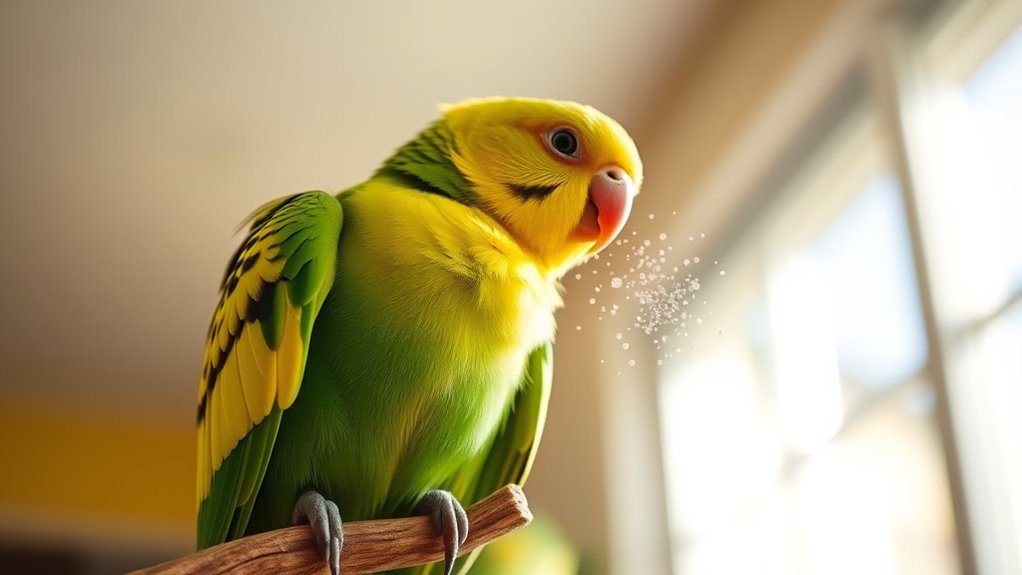
Although birds are often seen as harmless companions, they release several allergens that can substantially affect asthma. You should be aware that these allergens primarily come from feathers, droppings, and dander.
Feather dust contains proteins known to be common airborne allergens, which can provoke asthma attacks.
Bird droppings may harbor fungi, bacteria, and mold spores, further exacerbating respiratory issues.
Additionally, allergenic proteins found in bird saliva and skin flakes can stick to feathers and nesting materials, increasing the environmental allergen load around you.
Exposure to these bird-related allergens has been linked to a heightened severity of asthma symptoms and increased airway inflammation.
Understanding these sources helps you better manage your environment to reduce asthma risks.
How Bird Allergens Trigger Asthma Symptoms?
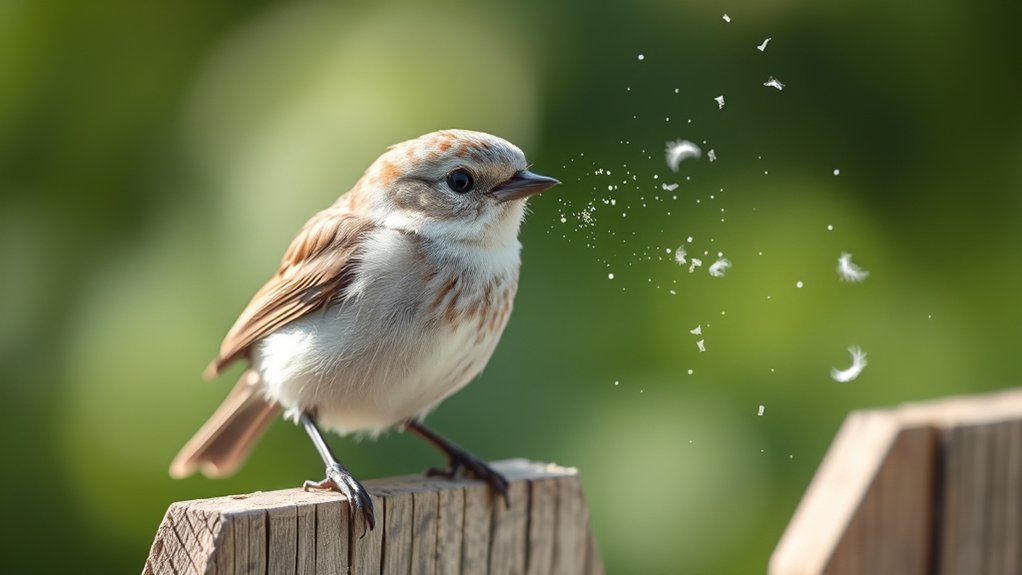
When you inhale bird allergens, like proteins from feathers, droppings, and skin flakes, these tiny particles can get deep into your respiratory tract and cause airway inflammation. This reaction narrows your airways, making it harder to breathe and bringing on typical asthma symptoms.
Bird saliva and feather dust have strong proteins that trigger immune responses in people who are sensitive. Because these allergen particles are so small, they can reach the lower parts of your lungs, which makes symptoms worse.
If you’re exposed repeatedly, especially in places without good ventilation, the inflammation and airway sensitivity can get even worse. Some key effects you might notice include airway inflammation and swelling, increased mucus production, and bronchoconstriction, which means the muscles around your airways tighten up.
You might also experience wheezing and coughing episodes, along with trouble breathing and shortness of breath. Knowing how bird allergens work in your body can really help you manage and cut down on asthma triggers related to birds.
Why Do Bird Droppings and Feathers Worsen Asthma?

Because bird droppings and feathers contain a mix of mold, bacteria, fungi, and allergenic proteins, they substantially worsen asthma symptoms by triggering airway inflammation and hypersensitivity. When you inhale dust from dried droppings or airborne feathers, your airways respond with irritation and swelling, increasing asthma severity.
The moisture and organic matter in droppings encourage mold growth, which is a potent asthma trigger. Feathers and dander easily become airborne, exposing you to allergens that provoke allergic reactions. This exposure causes your immune system to overreact, narrowing airways and making breathing difficult.
Even brief contact can worsen symptoms, especially if you’re sensitive. Understanding these mechanisms helps you avoid environments contaminated with bird droppings or feathers. That way, you reduce the risk of asthma exacerbation and protect your respiratory health.
How Prolonged Bird Exposure Affects Asthma
When you’re around bird allergens—things like proteins in feathers and droppings—for a long time, your chances of developing or making asthma worse go up. These allergens don’t just disappear; they can stay floating in the air inside your home.
Because of that, your lungs might get irritated pretty much all the time. So, it’s really important to keep your exposure under control.
If you don’t, you could end up with more severe asthma symptoms and needing to take more medication to manage it.
Bird Allergens And Asthma
Although bird allergens may seem harmless, prolonged exposure to feathers, droppings, and skin flakes can considerably increase your risk of developing or worsening asthma symptoms. Bird allergens contain proteins from saliva, skin flakes, and droppings that easily become airborne and trigger respiratory reactions.
Continuous contact with birds especially affects adolescents and those with pre-existing sensitivities, raising asthma prevalence and severity. Bird droppings often harbor fungi, bacteria, and mold, which exacerbate airway inflammation and provoke asthma attacks.
Here’s what you should know about bird allergens:
- Proteins from feathers and skin flakes trigger immune responses
- Droppings carry fungi and bacteria that worsen inflammation
- Airborne allergens increase asthma attack frequency
- Exposure heightens severity in sensitive individuals
- Avoidance and medical management are vital to control symptoms
Long-Term Exposure Effects
If you spend extended periods around birds or in environments contaminated with their droppings and feathers, you increase your risk of persistent asthma symptoms and airway inflammation.
Chronic inhalation of bird allergens can cause airway hyperresponsiveness and worsen asthma severity over time.
Prolonged exposure to bird-related dust and mold contributes to respiratory fatigue and diminished lung function, especially in allergic individuals.
Continuous contact may sensitize your immune system, making asthma symptoms harder to control and raising the risk of severe allergic reactions.
Persistent indoor allergens from birds often lead to chronic respiratory issues such as coughing, wheezing, and reduced lung capacity.
Managing exposure is essential to prevent long-term respiratory complications and maintain ideal asthma control.
How Are Bird Allergens Different From Other Pets?
Because bird allergens come primarily from feathers, droppings, and skin flakes rather than fur, they pose unique challenges for asthma sufferers. You’ll notice bird allergens behave differently from those of furry pets.
For example:
Bird allergens are airborne proteins from feathers and droppings, not shed hair. These allergens persist longer indoors, adhering to surfaces and lingering in the air.
Droppings can contain molds and bacteria, adding respiratory irritants.
Allergen potency varies by species; parrots and cockatiels are more reactive. Unlike pet dander, bird allergens often spread beyond direct contact areas.
Understanding these distinctions helps you manage exposure risks more effectively. It also lets you tailor your asthma care strategy around the specific challenges bird allergens present.
What Asthma Symptoms Are Linked to Bird Exposure?
Understanding how bird allergens behave helps clarify why exposure can trigger specific asthma symptoms. When you’re exposed to feathers and droppings, allergens can provoke airway inflammation. This causes symptoms like wheezing, shortness of breath, and dry cough.
These reactions may get worse with exercise or prolonged contact, which can increase asthma severity.
| Symptom | Description |
|---|---|
| Wheezing | High-pitched sound during breathing |
| Shortness of Breath | Difficulty in breathing or catching breath |
| Dry Cough | Non-productive cough often triggered by allergens |
Long-term exposure can make chronic respiratory issues worse, so it’s important to recognize these symptoms early.
If you notice these signs after bird contact, it’s a good idea to consult a healthcare provider right away.
How Ventilation Helps Reduce Bird Allergens
You really want to focus on keeping good airflow to cut down on airborne bird allergens. Using things like exhaust fans and HEPA air purifiers can do a great job of clearing out dander and droppings from the air inside your home.
Plus, making sure your space is well-ventilated helps control humidity, which is super important because it keeps mold from growing—and mold can definitely make asthma symptoms worse.
Importance of Airflow
When you guarantee proper airflow in bird-keeping areas, you effectively dilute and remove airborne allergens like feathers, droppings, and dander. Airflow plays a vital role in reducing asthma triggers linked to bird allergens by maintaining cleaner indoor air.
You can enhance air quality by focusing on these key aspects:
- Increase airflow through open windows or exhaust fans to lower allergen concentration.
- Use HEPA filters in ventilation systems to capture fine airborne particles.
- Regularly exchange indoor and outdoor air to prevent allergen buildup.
- Minimize indoor humidity to reduce mold growth that worsens asthma symptoms.
- Maintain consistent ventilation schedules to assure ongoing allergen control.
Ventilation Techniques
Maintaining effective airflow is only part of controlling bird allergens. Applying targeted ventilation techniques takes this effort further. You can reduce airborne allergens by using exhaust fans in bird enclosures, which vent contaminated air outside, and HEPA air purifiers that continuously capture dander.
Increasing natural ventilation through windows helps, but you need to be cautious to avoid introducing outdoor allergens. Regular ventilation also limits the accumulation of droppings and feather dust, which are key asthma triggers.
| Technique | Mechanism | Benefit |
|---|---|---|
| Exhaust Fans | Expel indoor air outside | Reduces allergen concentration |
| HEPA Air Purifiers | Filter airborne particles | Improves indoor air quality |
| Natural Ventilation | Open windows/vents for airflow | Dilutes indoor allergens |
Using these techniques consistently really helps optimize indoor environments for managing asthma.
Simple Ways Bird Owners Can Protect Against Asthma
Although bird ownership can increase exposure to allergens, simple measures can considerably reduce asthma risks. You can effectively minimize allergen exposure by adopting targeted strategies in your home environment. Consider the following approaches:
Clean bird cages regularly and promptly remove droppings to reduce airborne allergens. Use HEPA air purifiers in rooms where birds are kept to filter feather, dander, and droplet particles. Enclose bird cages with allergen-proof covers to limit dust and dander spread.
Maintain good ventilation during cage cleaning and avoid direct contact with bird waste. Also, try to keep birds out of bedrooms and sleeping areas to lower the risk of asthma flare-ups. These small changes can make a big difference in managing asthma around birds.
When Should You Remove Birds for Asthma Control?
You should think about removing birds if your asthma attacks get worse or don’t improve even after taking medication and trying to reduce exposure.
Take a moment to notice how bad your symptoms get when you’re around bird allergens. Also, see if things like better cleaning or using air filters actually help.
Knowing these details can guide you in deciding when it’s really time to remove the birds for better asthma control.
Signs To Consider
When asthma symptoms like wheezing, coughing, or shortness of breath get worse when you’re around birds, it’s a good idea to think about removing them from your space.
You should consider bird removal if you notice increased respiratory symptoms that seem tied to the presence of birds. Also, if you find persistent bird droppings, feathers, or dust indoors that raise allergen levels, that’s another sign to watch for.
Severe asthma attacks that happen despite taking your medication, or positive allergy tests showing sensitivity to bird allergens, are important clues too.
And if your symptoms don’t improve even after trying to reduce exposure and using allergen control measures, it might be time to act.
All these signs suggest that birds could be making your asthma worse. Removing them can help you get better control of your asthma and lower respiratory risks.
Make sure to talk with your healthcare provider to check your symptoms and decide if bird removal should be part of your asthma management plan.
Severity Impact Assessment
Since bird exposure can greatly worsen asthma symptoms, evaluating the severity of your condition is essential to determine whether removing birds is necessary for effective control. Bird allergens from droppings and feathers can trigger severe wheezing and breathing difficulties, especially in sensitive individuals and children.
Studies show removing birds often reduces asthma severity and improves respiratory function. If your asthma is persistent or severe, eliminating bird exposure should be part of your management plan.
| Severity Level | Recommended Action |
|---|---|
| Mild | Monitor symptoms, consider removal |
| Moderate | Strongly consider bird removal |
| Severe/Persistent | Immediate removal advised |
Take some time to assess your symptoms carefully. That way, you can decide the best approach for controlling your asthma when bird exposure is involved.
Alternatives To Removal
Although removing birds is often the most effective way to reduce allergens and control asthma symptoms, some situations call for alternative strategies. You should consider removal when symptoms persist or worsen despite interventions.
But if removal isn’t immediately feasible, try to implement strict controls to minimize exposure. These include restricting bird access to certain rooms, performing frequent and thorough cleaning, and using high-efficiency air filtration systems.
Also, monitoring allergen levels regularly and consulting healthcare providers for tailored asthma management can really help.
Early removal can considerably reduce allergens. However, if symptoms remain severe after environmental changes, it’s best to discontinue bird ownership.
At the end of the day, removal remains the most effective option for severe, persistent asthma triggered by bird allergens.
What Healthcare Providers Say About Birds and Asthma
Because bird allergens are present in droppings, feathers, and dander, healthcare providers recognize their potential to trigger asthma symptoms in sensitive individuals.
Research shows that exposure to these allergens often increases asthma severity, particularly in adolescents.
If you suspect bird-related asthma, providers typically recommend skin prick or blood tests to confirm bird allergies.
Once identified, minimizing contact with birds and thorough cleaning of your environment become essential steps to reduce allergen levels.
While some experts suggest early bird exposure might offer protection, current evidence supports a clear link between bird allergens and asthma exacerbations.
Frequently Asked Questions
Can Bird Species Vary in Allergen Levels?
Yes, bird species vary in allergen levels. You’ll find larger birds like parrots produce more allergens due to feather dust and dander.
Smaller birds like canaries release fewer allergens. This difference can impact your asthma symptoms based on your exposure.
Are Certain Bird Habitats Riskier for Asthma Sufferers?
Yes, you’ll find indoor aviaries or poorly ventilated birdcages riskier due to concentrated allergens. Outdoor habitats with accumulated droppings or feathers also increase exposure. So, maintaining cleanliness and good ventilation is essential to reduce asthma triggers.
It really helps to keep the air flowing and clean around bird areas. That way, anyone with asthma can enjoy the birds without worrying too much about their symptoms. Just a little extra care goes a long way!
How Quickly Do Bird Allergens Settle in a Room?
Bird allergens can settle in a room within minutes to hours, but their complete clearance depends on ventilation, humidity, and cleaning.
You should use HEPA filters and clean regularly. Otherwise, allergens may linger airborne for days.
Can Bird-Related Asthma Symptoms Improve Without Medication?
Yes, you can see improvement in bird-related asthma symptoms without medication by reducing exposure to bird allergens. Cleaning your environment thoroughly and using air filtration also helps.
You might consider undergoing allergy desensitization or immunotherapy to decrease sensitivity. These steps can make a real difference in managing symptoms naturally.
Do Bird Allergens Affect Children Differently Than Adults?
Yes, bird allergens affect children differently because their developing immune and respiratory systems absorb more allergens, increasing sensitivity and asthma risk.
You’ll notice children often experience more severe symptoms and greater allergen intake compared to adults. It’s kind of like their bodies react more strongly because they’re still growing and adjusting.
Conclusion
If you suffer from asthma, it’s important to know that bird allergens, like proteins in feathers and droppings, can trigger symptoms in up to 20% of asthma patients. Prolonged exposure can make airway inflammation and breathing difficulties worse.
You can reduce risks by improving ventilation and cleaning regularly. But if your symptoms don’t get better, removing birds might be necessary.
Always check with your healthcare provider to manage your asthma based on your specific sensitivities. They can help you figure out the best plan for you.