
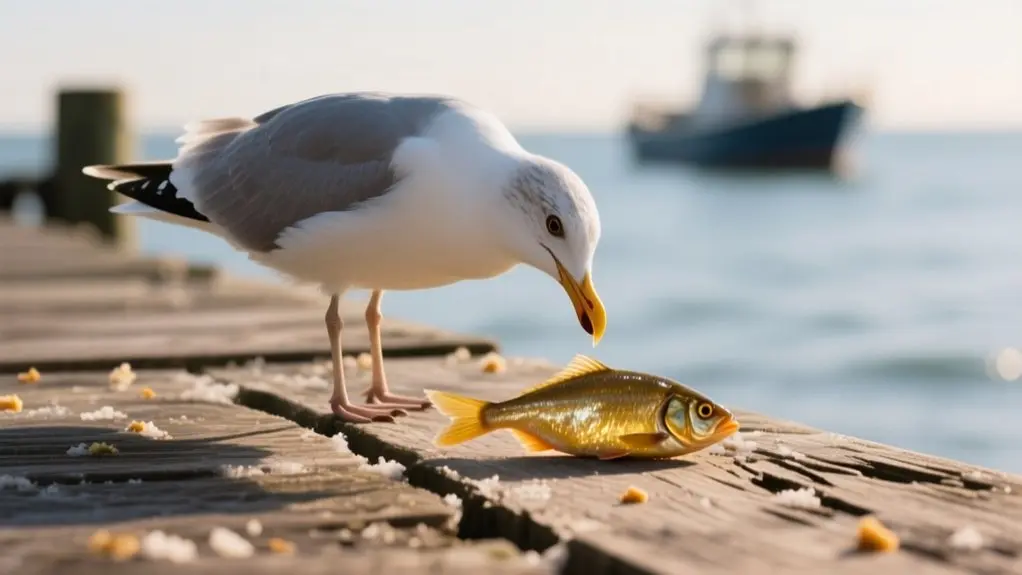
You shouldn’t feed birds fries because they’re loaded with unhealthy fats, salt, and additives that can cause dehydration, obesity, and even poisoning. Fries displace the natural nutrients birds need, weakening their immune systems and causing serious digestive and cardiovascular problems.
Plus, leftover fries attract pests and harm the environment. Instead, offering seeds, fruits, and insects helps keep birds healthy. If you want to understand the deeper effects and safer feeding habits, keep exploring what’s best for your feathered friends.
Why Fries Are Tempting But Bad for Birds
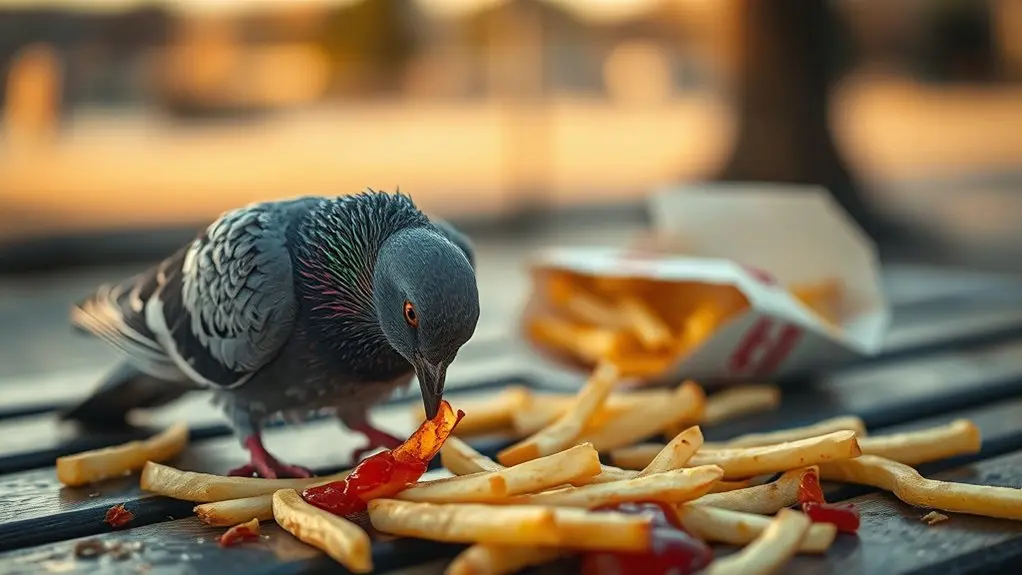
Why do fries seem so tempting to birds? You might notice birds flocking to these salty snacks because fries are rich in fats and carbohydrates, which provide quick energy.
However, feeding fries to birds isn’t harmless. Since fries contain high salt levels and unhealthy trans fats from frying oils, they can cause serious health issues like dehydration and cardiovascular problems.
Plus, fries lack essential nutrients birds need, so relying on this human food can displace their natural diet. When birds get used to fries, they may lose their natural foraging skills, which hurts their overall health.
While fries might look like a tasty treat for birds, they can actually be harmful rather than helpful for their well-being.
Nutritional Problems Caused by Fries in Birds
You might think sharing fries with birds is harmless, but actually, their high fat content can quickly lead to weight and health problems.
Plus, fries don’t have the essential nutrients birds need to stay healthy.
So, if you feed them fries too often, it can cause some serious deficiencies.
It’s really important to understand how these factors affect your feathered friends’ well-being.
High Fat Content
Although fries might seem like a harmless treat, their high fat content poses serious health risks for birds. When you feed fries to birds, you expose them to excessive fats that can trigger obesity and related metabolic disorders.
Their bodies aren’t designed to handle such rich foods, making liver disease a common consequence. Furthermore, the high fat content disrupts normal digestion, causing gastrointestinal problems that can lead to malnutrition.
Here’s what you need to know:
- High fat content leads to obesity in birds
- Excess fat intake increases risk of liver disease
- Fatty foods cause gastrointestinal problems
- Added salt in fries can cause dehydration and kidney issues
- Regular fries consumption reduces birds’ natural foraging instincts
Avoid fries to keep birds healthy and thriving.
Lack Essential Nutrients
Since fries are packed with carbohydrates but lack essential proteins, fats, vitamins, and minerals, feeding them to birds can cause serious nutritional imbalances.
When birds rely on fries, they face nutritional deficiencies that prevent them from getting the balanced diet they need.
This lack of essential nutrients leads to reduced energy and compromised immune function, making birds more vulnerable to illness.
Over time, these deficiencies contribute to significant health issues like obesity and metabolic disorders.
Moreover, the high sodium content in fries stresses a bird’s kidneys and can cause dehydration.
If you want to keep birds healthy, it’s important to avoid feeding them fries and instead provide foods rich in the essential nutrients they require for ideal growth and immune defense.
How Salt and Fat in Fries Harm Birds
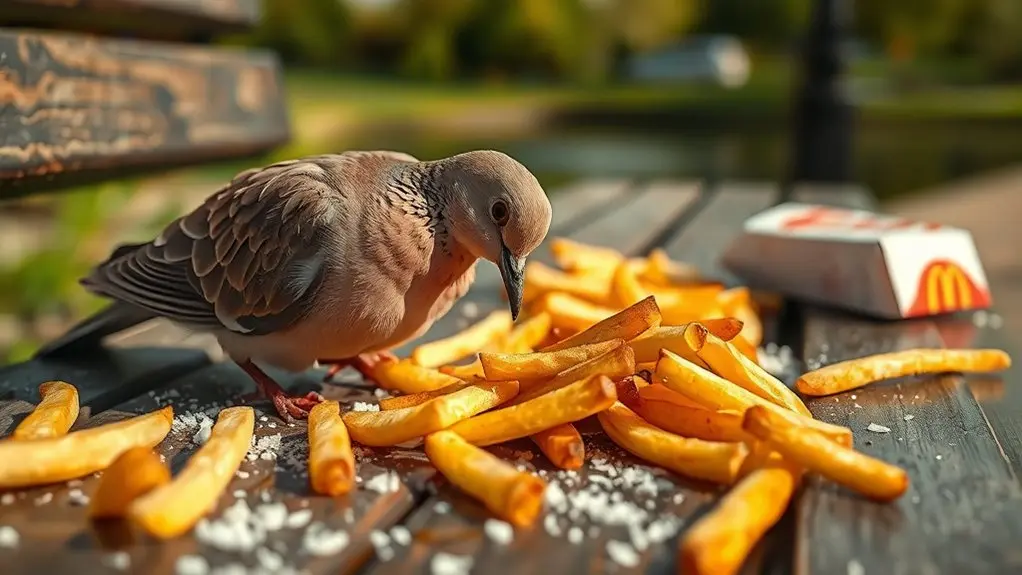
Because fries contain high levels of salt and fat, feeding them to birds can cause serious health problems. Birds are much more sensitive to salt toxicity than humans, so even small amounts can lead to dehydration and kidney damage.
The high fat content also raises the risk of obesity and fatty liver disease. Regularly eating fries can disrupt their natural diet, causing nutritional deficiencies that weaken their health.
- Salt overload causes dehydration and kidney strain
- Fat contributes to obesity and liver problems
- Birds have a low tolerance for salt
- Toxicity symptoms include lethargy and thirst
- Nutritional deficiencies harm long-term well-being
You should avoid giving fries to birds to protect them from these harmful effects of salt and fat.
Digestive Problems Caused by Fries
You really shouldn’t feed fries to birds. Their high fat content puts a serious strain on the birds’ digestive systems.
Plus, the salt in fries can be toxic and cause even more health problems. When birds eat fries, their bodies have a hard time processing these harmful ingredients properly.
It’s just not good for them at all.
High Fat Content
Although fries might seem like a tasty treat, their high fat content can cause serious digestive problems for birds. You should know that feeding fries to birds disrupts their natural diet, leading to digestive issues like diarrhea and discomfort.
The excess fat can cause fatty liver disease, a severe condition that harms their health. Since birds have a high metabolic rate, they need low-fat foods to maintain energy balance.
Too much fat also increases the risk of obesity, which can impair their flight and overall well-being.
Keep these risks in mind:
- High fat content causes digestive issues
- Leads to fatty liver disease
- Disrupts birds’ natural energy balance
- Increases the risk of obesity
- May result in long-term organ damage
Avoid feeding fries to protect a bird’s health.
Salt Toxicity Risks
When birds consume fries, the high salt content can quickly lead to salt toxicity, causing serious digestive problems. Birds have a low tolerance for sodium, and eating salty foods like fries disrupts their electrolyte balance, triggering gastrointestinal distress such as diarrhea and vomiting.
This salt toxicity can also cause excessive thirst, dehydration, and even kidney damage. Over time, regular consumption of high-sodium foods increases the risk of severe health issues like hypertension and heart disease in birds.
To protect their well-being, it’s essential you avoid feeding fries to birds. Preventing salt-induced toxicity helps maintain their digestive health and supports a balanced diet, keeping your feathered friends safe from these harmful effects.
Digestive System Strain
Since birds’ digestive systems aren’t built to handle greasy, high-fat foods like fries, feeding them these snacks can cause significant gastrointestinal distress.
Fries put a serious digestive system strain on birds because their bodies can’t properly break down the fats and processed carbs.
Plus, fries offer little to no nutritional value, leaving birds vulnerable to deficiencies.
Regularly eating fries can lead to obesity, which strains their organs and shortens their lifespan.
Here’s what fries do to birds:
- Cause dehydration and disrupt electrolyte balance
- Lead to digestive blockages
- Provide minimal essential vitamins and minerals
- Increase risk of obesity and metabolic disorders
- Induce gastrointestinal distress from fat overload
Feeding fries isn’t worth the risk to your bird’s health and well-being.
Toxicity Risks From Eating Fries
If you feed fries to birds, you risk exposing them to harmful levels of salt and fat that can cause dehydration and obesity.
Fries often contain unhealthy trans fats from frying oil and additives like garlic or onion powder, which are toxic to birds.
These toxicity risks lead to serious health issues, including cardiovascular problems and digestive system disruption.
Since birds aren’t built to process processed foods like fries, eating them regularly can cause nutritional deficiencies by displacing essential nutrients in their diet.
By offering fries, you’re not only risking immediate poisoning but also long-term harm that compromises their overall well-being.
To protect birds, it’s best to avoid feeding them fries and stick to natural, bird-safe foods that support their health.
How Fries Attract Pests and Harm the Environment
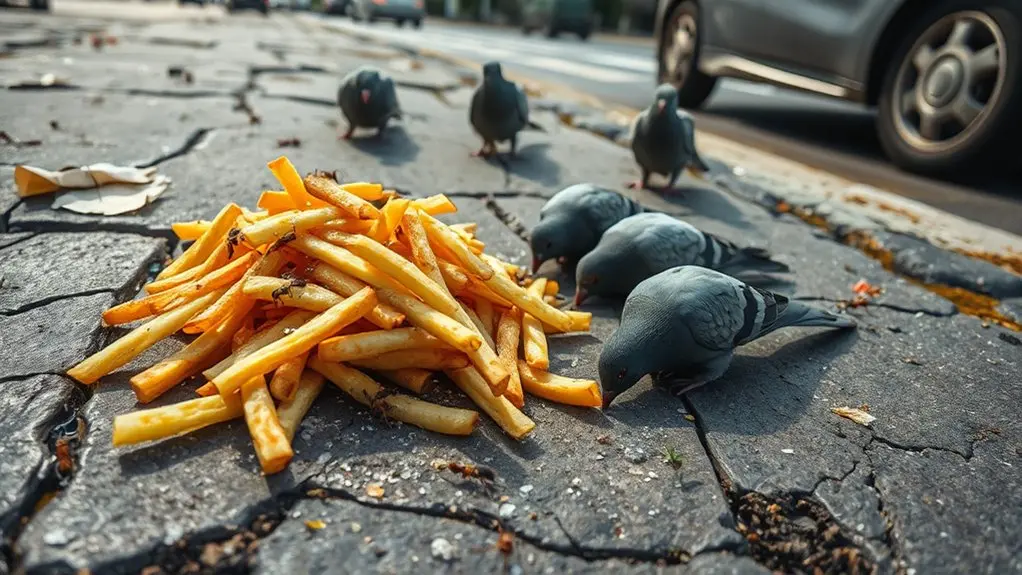
When you leave fries out, they don’t just feed birds—they attract pests like rats and insects that love leftover food.
And that’s not just a little problem. These pests can cause environmental contamination and mess up local wildlife habitats.
You mightn’t realize it, but feeding fries can actually create bigger issues for the ecosystem than you might expect.
Pest Attraction Risks
Although feeding birds fries might seem harmless, it often attracts pests like rats and raccoons that thrive on the high-fat, high-salt content.
This pest attraction can lead to overpopulation and disrupt the local ecosystem.
Uneaten fries decompose, creating unsanitary conditions that draw insects and cause foul odors.
These pests can carry diseases, posing health risks to you, the birds, and your community.
When you feed fries regularly, birds may become dependent on this unnatural food, altering their natural foraging habits and further impacting the environment.
- High-fat content draws unwanted pests
- Uneaten fries cause unsanitary conditions
- Overpopulation of rats and raccoons
- Disease risks increase for humans and wildlife
- Local ecosystem balance gets disturbed
Feeding fries harms more than just the birds you want to help.
Environmental Contamination Effects
The pests drawn by fries don’t just cause overcrowding. They also introduce serious environmental contamination.
When leftover fries decompose, they release harmful fats and oils that degrade soil and water quality, impacting local wildlife. This contamination creates a breeding ground for bacteria and pathogens, risking disease spread among animals. Excessive bird congregation around these food sources further increases this risk.
Furthermore, as birds consume fries instead of their natural diet, they disrupt local food webs and become reliant on unhealthy human food.
By feeding fries, you’re not only attracting pests but also harming the environment and the health of local wildlife.
Avoid leaving fries out to protect ecosystems and help birds maintain their natural diet and balance.
Wildlife Habitat Disruption
If you feed birds fries, you’ll likely attract pests like rodents that compete with native wildlife for food and shelter.
This food waste causes habitat disruption by increasing populations of pests and scavengers, upsetting local ecosystems.
Wild birds may depend more on fries, losing natural foraging habits and exposing themselves to dangers.
Moreover, discarded fries contribute to nutrient pollution, triggering harmful algae blooms that threaten aquatic life.
Here’s how fries affect wildlife habitats:
- Attract rodents competing with wild birds for resources
- Increase pest populations, stressing local ecosystems
- Disrupt predator-prey relationships among scavengers
- Cause habitat disruption through excessive food waste
- Lead to behavioral changes in wild birds, reducing natural foraging
Avoid feeding fries to protect wildlife and maintain balanced ecosystems.
Best Natural Foods for Birds
Offering birds a variety of natural foods like seeds, fruits, and insects helps them stay healthy and energetic.
If you’re wondering what birds can eat, focus on the best bird food that mimics their natural diet.
Backyard birds thrive on natural food sources such as black oil sunflower seeds, which provide essential oils and nutrients.
Fresh fruits like orange halves, apple slices, and grapes offer vitamins and hydration, especially during warmer months.
Insects and nectar also play a crucial role by supplying protein and energy.
Incorporating native plants in your garden encourages a natural habitat and attracts diverse bird species.
Safe Ways to Feed Human Foods to Birds
While birds may enjoy occasional human treats, you should be cautious about what and how you feed them to keep them healthy. When birds eat human foods, you want to offer only safe options in small amounts.
Avoid processed foods like fries, as they contain unhealthy fats and salt that can harm birds over time.
Instead, use your backyard feeder to provide fresh, natural treats gradually, watching for any reactions. Remember, human foods should be an occasional supplement, not a main diet.
- Offer small, unsalted portions of fruits and vegetables
- Avoid processed and salty snacks like fries
- Introduce new foods slowly to monitor health
- Use your backyard feeder to control portions
- Prioritize natural, balanced nutrition over human foods
Best Fruits and Seeds for Bird Nutrition
Because birds rely on a variety of nutrients to stay healthy, including the right fruits and seeds in their diet is crucial. Fruits like apples, bananas, and berries provide essential vitamins and antioxidants. Seeds supply protein and energy. Offering diverse bird food supports their overall nutrition and attracts many species.
| Fruit | Seed Type | Benefits |
|---|---|---|
| Apples, Berries | Black Oil Sunflower | Vitamins, antioxidants, fat |
| Bananas | Nyjer Seeds | Energy, high oil content |
| Safflower | Attracts diverse species | |
| Millet | Supports small birds’ nutrition |
Remember to offer fruits in moderation and remove uneaten pieces to avoid spoilage.
How to Avoid Feeding Birds Harmful Foods Like Fries
If you want to keep birds healthy and safe, you should avoid feeding them fries. Fries cause a nutritional imbalance because of their high unhealthy fats and carbs.
Their salt content can lead to dehydration and kidney issues in birds. Additives and preservatives in fries also pose serious health risks.
Plus, leftover fries contribute to environmental impact by attracting pests and polluting habitats.
To prevent feeding harmful foods like fries, follow these tips:
- Offer natural foods instead of human snacks
- Avoid giving birds salty or processed items
- Educate others about fries’ health risks to birds
- Dispose of fries properly to reduce environmental impact
- Encourage birds to forage naturally for balanced nutrition
Keeping Bird Feeders Clean and Disease-Free
Feeding birds healthy foods is just part of keeping them safe; maintaining clean feeders plays a big role in preventing diseases. You should clean feeders every two weeks using a diluted bleach solution (1 part bleach to 9 parts water) to kill harmful bacteria and fungi.
Rake or sweep the area beneath feeders regularly to remove seed hulls and droppings, which can harbor parasites that spread disease. Always refill feeders with fresh food, avoiding old or moldy seed that can be toxic.
If you notice sick birds visiting, remove and clean feeders thoroughly before offering food again. Using separate feeders for different seed types helps minimize cross-contamination.
Building a Healthy Bird Feeding Routine
When you establish a consistent feeding schedule, birds learn to rely on your yard as a dependable food source.
To build a healthy bird feeding routine, feed birds food in the morning and late afternoon when they’re most active.
Offering a variety of foods like seeds, fruits, and suet supports different species and their nutritional needs.
Keep feeders clean and remove spoiled food to prevent disease.
Also, observe local bird activity and adjust your offerings seasonally.
- Feed birds food in the morning and late afternoon
- Provide a variety of foods for diverse bird species
- Regularly clean feeders to maintain health
- Monitor bird activity and adjust feeding accordingly
- Plant native species to support local birds naturally
Frequently Asked Questions
Can Feeding Fries to Baby Birds Cause Different Effects Than Adults?
Yes, feeding fries to baby birds causes different effects than adults because of nutritional differences and immature digestive systems.
You’ll notice age-related effects like gastrointestinal distress in young birds, while adults might handle fries better but still face health risks.
You shouldn’t ignore feeding guidelines: baby birds need nutrient-rich foods for growth, so fries can harm them more severely.
Always prioritize natural diets to support healthy development and avoid long-term issues.
Do All Bird Species React the Same Way to Eating Fries?
You might find it surprising that over 50% of bird species react differently to eating fries.
Species behavior and nutritional differences play huge roles here. Fry ingredients like salt and fat impact birds uniquely, depending on their digestive systems.
Environmental factors also matter. Wild scavengers might tolerate fries better than seed-eaters.
Can Birds Become Addicted to the Taste of Fries?
Yes, birds can become addicted to the fries taste preference, which can drastically alter their bird dietary habits.
When you feed birds fries, you encourage cravings for these unhealthy, salty snacks, leading to behavioral changes like reduced natural foraging.
This shift increases potential health risks, including obesity and nutritional deficiencies.
How Quickly Do Fries Affect a Bird’s Health After Ingestion?
You might think fries won’t affect a bird right away, but the fry ingredients impact bird digestion process almost immediately.
Within hours, you’ll notice health symptoms timeline showing digestive distress and lethargy.
The high fat content disrupts their system quickly, especially in smaller birds.
If you keep feeding fries, the long term effects like obesity and fatty liver disease become a serious threat.
Are There Any Safe Homemade Fry Alternatives for Birds?
Yes, you can make homemade bird-friendly fries using nutritious fry substitutes like baked sweet potato fries or air-fried veggies.
Stick to fry preparation methods that avoid salt, spices, and unhealthy oils. Instead, use safe cooking oils sparingly, like a light brush of olive oil if needed.
You could also try chickpea fries for added protein. These alternatives give your bird a tasty, healthy snack without the risks associated with regular fries.
Conclusion
You might be surprised to learn that just a small amount of salty, fatty fries can cause serious health issues in birds, including dehydration and digestive distress. By avoiding feeding them fries and instead offering nutritious fruits and seeds, you’re helping birds thrive.
Remember, over 70% of wild birds suffer from diet-related problems, so your choices really make a difference. Stick to healthy snacks and keep feeders clean to support their well-being every day.