
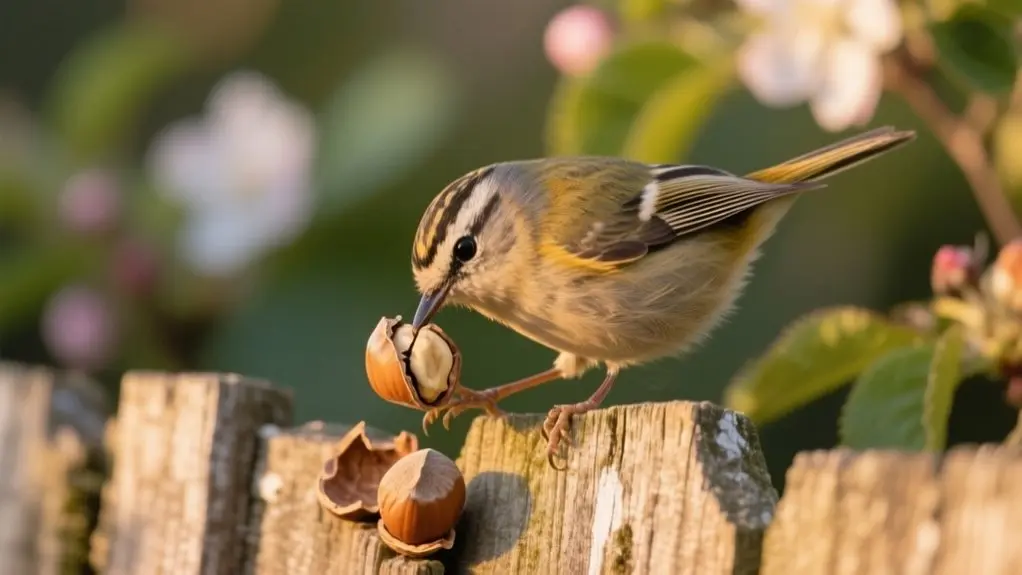
Yes, you can safely feed hazelnuts to many wild birds. They provide healthy fats, protein, and vitamins that boost energy. Just be sure to offer fresh, mold-free nuts in moderation, about 1 to 2 per bird, to avoid digestive issues or obesity.
Larger birds enjoy whole nuts, while smaller ones prefer shelled. If you want to attract diverse species like jays and woodpeckers, understanding how to serve and store hazelnuts properly can make a big difference.
What Are Hazelnuts?
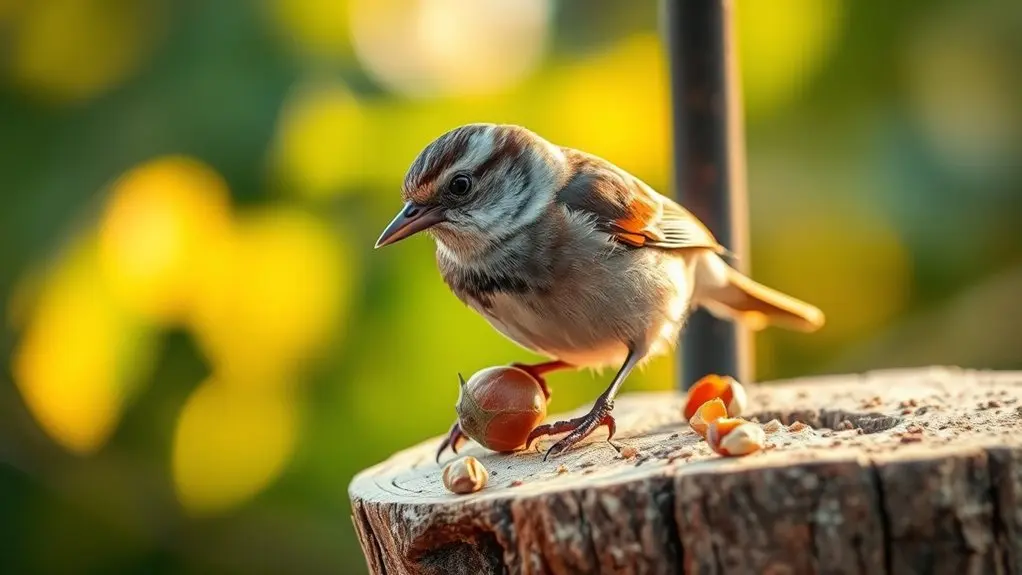
Hazelnuts, also called filberts, come from the hazel tree and pack a punch with healthy fats, protein, and vitamins. You’ll recognize hazelnuts by their round or oval shape and smooth, light brown shells.
They’re not just a tasty snack but a versatile food ingredient. You can find them in desserts, spreads like Nutella, and even as a flavoring in coffee.
Hazelnuts grow best in temperate climates, with Turkey producing about 70% of the world’s supply. Besides their rich taste, hazelnuts offer antioxidants that support your health when eaten in moderation.
Whether you enjoy them raw, roasted, or ground, hazelnuts bring both nutrition and flavor to your food, making them a smart choice to incorporate into your diet.
Why Feed Hazelnuts to Birds?
Feeding hazelnuts to birds gives them a nice boost of healthy fats, vitamins, and minerals. This is especially helpful when they need extra energy during the colder months.
You’ll probably notice that birds like jays and woodpeckers are really attracted to your feeder once you start offering these tasty nuts.
Plus, by providing hazelnuts, you’re inviting a variety of birds to visit and helping support their natural behaviors. It’s a simple way to make your backyard a little more lively!
Nutritional Benefits For Birds
When birds need a quick energy boost, especially during cold weather or migration, offering hazelnuts can make a big difference. Hazelnuts are packed with healthy fats, protein, and essential vitamins. This makes them an excellent source of concentrated energy that birds rely on during demanding seasons.
These nuts also contain antioxidants and vitamin E, which help support a bird’s immune system and overall health. Because many bird species, like jays and woodpeckers, naturally eat hazelnuts in the wild, you can be confident in their nutritional benefits for birds.
Whether you provide them whole, shelled, or crushed, hazelnuts serve as a nutritious treat that fuels birds effectively. They especially help when birds need extra energy to thrive in colder months.
Attracting Diverse Bird Species
If you want to attract a variety of birds to your yard, offering hazelnuts is a smart choice. Birds that eat hazelnuts, like jays, woodpeckers, and chickadees, find these nuts highly appealing due to their rich fats and proteins.
By placing hazelnuts in backyard feeders or scattering them whole or crushed, you’ll invite diverse species to visit regularly. This variety boosts your birdwatching enjoyment and supports natural behaviors like foraging and caching.
Consider these tips to attract more birds:
- Use different feeder types to cater to various birds.
- Plant hazelnut bushes to create a natural habitat.
- Offer hazelnuts seasonally, especially in colder months when energy needs rise.
Feeding hazelnuts enriches your backyard ecosystem while delighting a broad range of feathered visitors.
Are Hazelnuts Safe for Wild Birds to Eat?
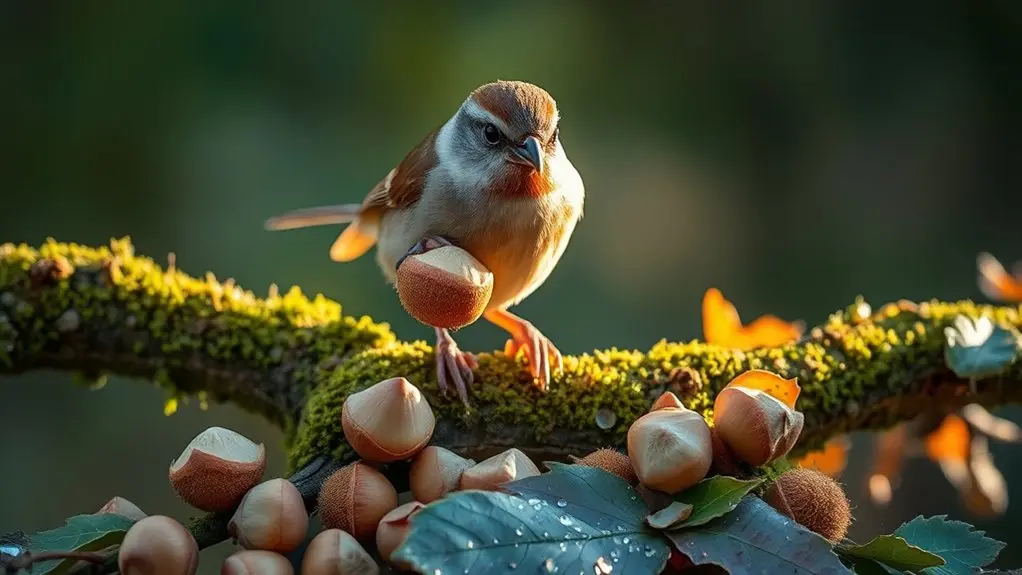
How safe are hazelnuts for wild birds? Hazelnuts are generally safe and nutritious for wild birds, offering a rich source of fat and energy.
Hazelnuts provide wild birds with a safe, nutritious boost of fat and energy.
Species like jays and woodpeckers naturally eat hazelnuts, enjoying the challenge of cracking open their shells. You can easily offer whole hazelnuts in your backyard to attract these birds.
Just make sure the nuts are fresh and free from mold or additives since spoiled hazelnuts could harm wild birds.
While hazelnuts are beneficial, don’t overfeed them; moderation helps prevent dietary imbalances.
Are Hazelnuts Harmful or Allergenic to Birds?
Why might hazelnuts be harmful or allergenic to some birds? While hazelnuts are generally safe and nutritious, some birds can be allergic, just like humans.
If you feed hazelnuts, watch for signs of adverse reactions like lethargy or digestive issues.
Hazelnuts also contain high fat, so overfeeding can lead to obesity.
Keep these points in mind:
- Monitor for allergic responses, especially if introducing hazelnuts for the first time.
- Avoid salted or seasoned hazelnuts, as additives can harm birds.
- Offer hazelnuts in moderation to prevent excessive fat intake.
Which Bird Species Commonly Eat Hazelnuts?
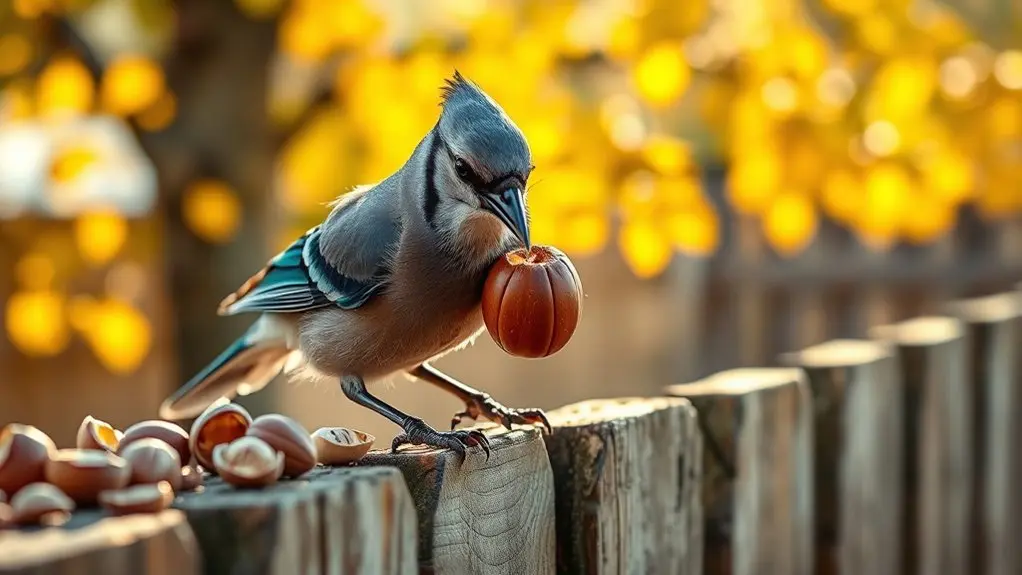
While keeping an eye on potential allergies and moderation, you might wonder which birds actually enjoy hazelnuts. Many species, like Blue Jays and Clark’s Nutcrackers, commonly eat whole nuts because they prefer larger, energy-rich food.
Many birds, including Blue Jays and Clark’s Nutcrackers, enjoy whole hazelnuts for their energy-rich benefits.
You’ll also find Common Grackles and Black-billed Magpies snacking on hazelnuts, often from feeders or the ground.
Woodpeckers, especially Acorn Woodpeckers, readily eat hazelnuts since they favor various nut types.
During winter, Dark-eyed Juncos and Carolina Wrens may turn to hazelnuts when other foods are scarce.
If you want to attract a variety of birds, offering whole nuts like hazelnuts can be an effective way to support their natural diet and provide them with a valuable food source.
Nutritional Benefits of Hazelnuts for Birds
Because hazelnuts pack a high amount of healthy fats and essential nutrients, they provide birds with the energy they need to thrive, especially during cold weather or long migrations.
When you add hazelnuts to your feeders, you offer more than just a tasty treat; you deliver crucial nutritional benefits that support bird health and activity.
Hazelnuts are rich in vitamin E and magnesium, which boost immune function and overall well-being. Their high-calorie content fuels energetic species like jays and woodpeckers, helping them stay active.
- Promote natural foraging and caching behaviors
- Support immune health with essential vitamins and minerals
- Provide a high-energy food source for demanding seasons
Including hazelnuts in your feeders enhances both bird health and enjoyment.
Should Hazelnuts Be Offered Shelled or In-Shell?
Offering hazelnuts to birds brings many nutritional advantages, but you might wonder whether to provide them shelled or still in their shells. You can offer both shelled nuts and in-shell hazelnuts, depending on the bird species and their feeding habits.
Shelled nuts are perfect for smaller birds since they’re easier to eat and give quick access to the nutritious center.
On the other hand, in-shell hazelnuts offer mental stimulation, letting birds like jays, woodpeckers, and chickadees enjoy cracking open the shell. This mimics their natural foraging behavior.
Just make sure the hazelnuts are raw and unsalted, as flavored or salted nuts can harm birds.
Offering variety can cater to different birds and enrich their feeding experience.
How to Prepare Hazelnuts for Bird Feeding
If you want to attract a variety of birds with hazelnuts, it’s important to prepare them properly. Use raw or roasted hazelnuts without any salt or seasoning to keep them safe and healthy for bird feeding.
You can leave whole hazelnuts in their shells to encourage natural foraging and mental stimulation. For smaller birds, crushing or chopping hazelnuts into pieces makes them easier to eat.
Always check for spoilage to avoid offering moldy or rotten nuts. Offer hazelnuts in a feeder with large openings to attract nut-eating birds like woodpeckers and jays.
Use unsalted, unseasoned nuts to prevent harm. Provide a mix of whole and chopped hazelnuts to accommodate different bird sizes and preferences.
How Much Hazelnut Can You Safely Feed Birds?
You can safely offer birds a small handful of hazelnuts—about 5 to 10—depending on their size and needs.
Just keep in mind, moderation is key since hazelnuts are high in fat. They should really just complement a balanced diet.
Also, always watch how your feathered visitors respond so you don’t accidentally overfeed them.
Recommended Feeding Quantities
Although hazelnuts are a nutritious treat for birds, it’s important to limit their intake to about 1-2 nuts per bird to prevent digestive issues. Following the recommended feeding quantities, including nuts like hazelnuts, guarantees birds enjoy their benefits without overfeeding.
You can offer hazelnuts whole or crushed, but always make certain they’re unsalted and unseasoned to avoid harmful additives.
Keep these tips in mind:
- Introduce hazelnuts gradually and observe how birds respond.
- Rotate hazelnuts with other seeds and nuts for a varied diet.
- Stop feeding immediately if you notice any adverse reactions.
Moderation And Nutritional Balance
Limiting hazelnut servings helps keep your birds healthy and prevents overfeeding. Hazelnuts are high in fat and calories, so offering them in moderation is key to avoiding obesity and dietary imbalances.
You can give birds a small handful of shelled or crushed hazelnuts 2-3 times a week, adjusting for size and diet. Always avoid salted or flavored nuts and watch for any adverse reactions.
| Bird Size | Serving Size | Frequency |
|---|---|---|
| Small | 1-2 halves | Twice weekly |
| Medium | 3-5 halves | 2-3 times weekly |
| Large | 6-8 halves | 3 times weekly |
| All Sizes | Unsalted, raw only | Monitor reaction |
| All Sizes | Crushed or shelled | Easier access |
Moderation guarantees nutritional balance and keeps your birds safe.
Best Nut Alternatives to Hazelnuts for Birds
When hazelnuts aren’t available, you can still attract a variety of birds by offering alternative nuts that provide similar nutritional benefits.
These nuts serve as a renewable food source packed with fats and proteins essential for birds’ energy and health. Choosing the right nut helps maintain a balanced diet for your feathered visitors.
Consider these top nut alternatives:
Peanuts: Loved by blue jays and chickadees, peanuts are energy-rich and easy to find.
Walnuts: Favored by black-billed magpies and Clark’s nutcrackers, walnuts offer essential fats and proteins.
Almonds: Safe for many birds, especially when shelled, almonds provide a nutritious option that’s easy to handle.
How to Store Hazelnuts to Keep Them Fresh for Birds
To keep hazelnuts fresh for your feathered friends, store them in airtight containers.
Then, find a cool, dry spot for them—somewhere below 70°F works best.
If you’re looking to make them last even longer, freezing is a fantastic option. It can preserve their quality for up to a year, which is pretty handy.
Just remember to check for signs of spoilage like mold or any off smells before feeding them to the birds.
And it’s a good idea to label your containers with dates so you can use the nuts while they’re still fresh.
Optimal Storage Conditions
Although hazelnuts are a nutritious treat for birds, you need to store them properly to keep them fresh. Maintaining ideal storage conditions guarantees the nuts don’t spoil or lose their nutritional value.
Always keep hazelnuts in an airtight container to protect them from moisture and odors. Store them in a cool, dry place away from direct sunlight and heat, which can accelerate spoilage.
To maintain freshness, keep these tips in mind:
Use airtight containers to prevent moisture and pests.
Avoid exposure to sunlight and high temperatures.
Regularly check for mold or off smells to guarantee safety.
Freezing Hazelnuts Benefits
Since hazelnuts can spoil quickly if not stored properly, freezing offers an excellent way to keep them fresh for your feathered friends. Freezing hazelnuts extends their shelf life and preserves their flavor and nutrients, making them reliable food sources.
To prevent freezer burn and odors, store hazelnuts in airtight containers before freezing. You can keep them frozen for up to a year without losing quality. When ready to use, thaw them at room temperature to avoid moisture buildup that causes spoilage.
| Step | Tip |
|---|---|
| Preparation | Use airtight containers |
| Freezing Duration | Up to 1 year |
| Thawing Method | Room temperature |
| Avoid | Condensation during thawing |
| Check | Regularly for freshness and safety |
Signs of Spoilage
When you store hazelnuts for your birds, keeping them fresh means watching out for signs of spoilage. Hazelnuts can spoil if exposed to moisture, air, or heat, so it’s essential to store them properly.
Use airtight containers and keep them in a cool, dry place away from direct sunlight.
Whole, unshelled hazelnuts last longer since the shell protects against spoilage. Regularly check your hazelnuts for any issues before feeding your birds.
Look for off smells or rancid odors indicating spoilage, discoloration or dark spots on the nuts, and visible mold or a fuzzy coating.
If you spot any of these signs, discard the hazelnuts to keep your birds safe and healthy.
Proper storage extends freshness and maintains nutritional value.
Best Practices for Feeding Hazelnuts to Birds
If you want to attract a variety of birds, offering fresh, mold-free hazelnuts is key. Choose whole hazelnuts in their shells to engage birds mentally as they crack them open.
You can offer both raw and roasted hazelnuts, but avoid salted or flavored ones to keep birds healthy. Make sure the nuts are free from mold to prevent health issues.
Use bird feeders designed with larger holes to accommodate hazelnuts, ensuring easy access for bigger bird species. Placing hazelnuts in these feeders will draw in diverse birds, providing them with a nutritious treat rich in fats and protein.
Frequently Asked Questions
Can Baby Birds Safely Eat Hazelnuts?
Yes, baby birds can safely eat hazelnuts if you focus on proper hazelnut preparation. You should offer small, unsalted pieces to support baby bird nutrition without causing choking.
Always avoid additives or flavorings, as they might harm the bird.
Introducing hazelnuts gradually and consulting an avian specialist guarantees the nuts fit their dietary needs.
With careful preparation, hazelnuts can provide healthy fats and proteins essential for their growth.
Do Hazelnuts Attract Unwanted Pests or Animals?
Hazelnuts attract birds, but they also draw unwanted pests like squirrels and raccoons, creating a tricky wildlife impact.
While you want to enjoy feeding birds, you don’t want to invite a pest control headache.
You’ll notice these high-fat nuts lure more than just your feathered friends, so it’s smart to use specialized feeders.
That way, you protect your bird feeders and keep pesky mammals from stealing the spotlight.
How Long Does It Take for Birds to Digest Hazelnuts?
It takes birds about 4 to 6 hours to digest hazelnuts, depending on the species and nut size.
You’ll notice their digestive process slows down because of the nuts’ high-fat content and rich nutritional benefits.
Smaller birds digest hazelnuts faster due to their quicker metabolism, while environmental factors like temperature and activity levels also play a role.
Can Hazelnuts Cause Choking Hazards for Birds?
Think of hazelnuts as tiny treasure chests full of rewards but tricky to access.
Yes, hazelnuts can cause choking hazards for birds if you don’t handle their preparation carefully.
To guarantee bird safety, you should crush or chop them into smaller pieces. This makes it easier for birds to eat without risk.
Watching them while they feed and using specialized feeders can also help keep those little treasure hunters safe and happy.
Are There Seasonal Considerations for Feeding Hazelnuts to Birds?
Yes, you should consider seasonal availability when feeding hazelnuts to birds. They offer great nutrition benefits, especially in late summer and fall when birds naturally forage for them to build energy reserves.
Feeding hazelnuts during colder months supports birds through winter by providing essential fats and protein.
Avoid offering them in spring or early summer when birds rely more on insects and fresh fruits, ensuring you match their natural diet cycles.
Conclusion
So, you want to share hazelnuts with your feathered friends? Sure, go ahead, just don’t expect them to start a nutty feast every day.
While hazelnuts are safe and tasty treats for many birds, remember they’re not a full meal plan. Too many nuts might turn your backyard into a squirrel’s dream instead.
So, feed hazelnuts wisely and enjoy watching birds nibble without turning your garden into nutty chaos!