
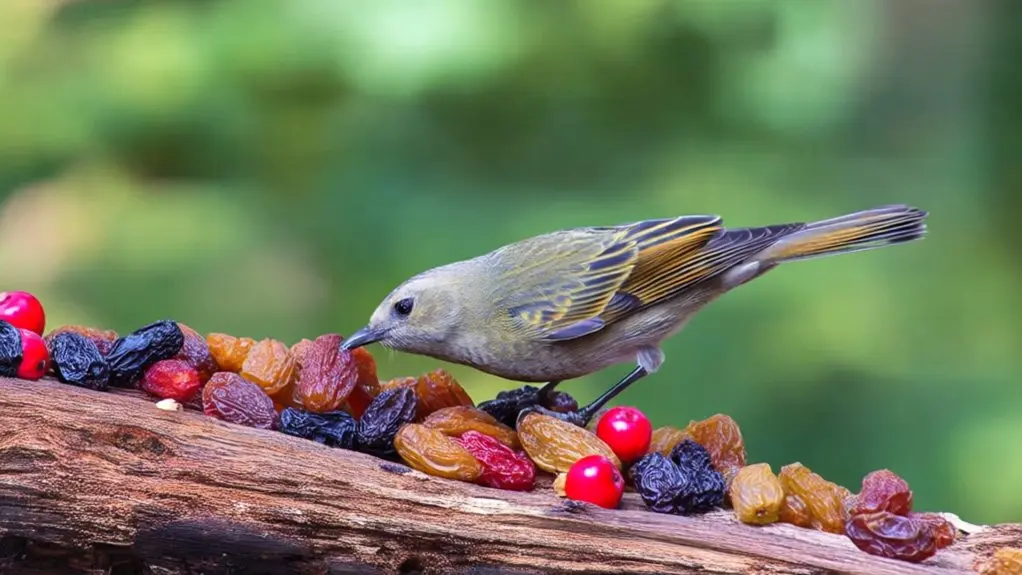
You shouldn’t regularly feed birds raisins or cranberries, as their high sugar and natural toxin content can cause digestive upset, obesity, and metabolic problems. Birds often can’t handle the concentrated sugars and acidity properly, leading to diarrhea or vomiting.
Some species may tolerate occasional treats, but most benefit from balanced diets with seeds, fresh fruit, and vegetables. Monitoring your bird’s health and seeking veterinary advice guarantees safe feeding practices.
Discover how to protect your bird while offering safe, nutritious options.
Are Raisins and Cranberries Safe for All Bird Species?
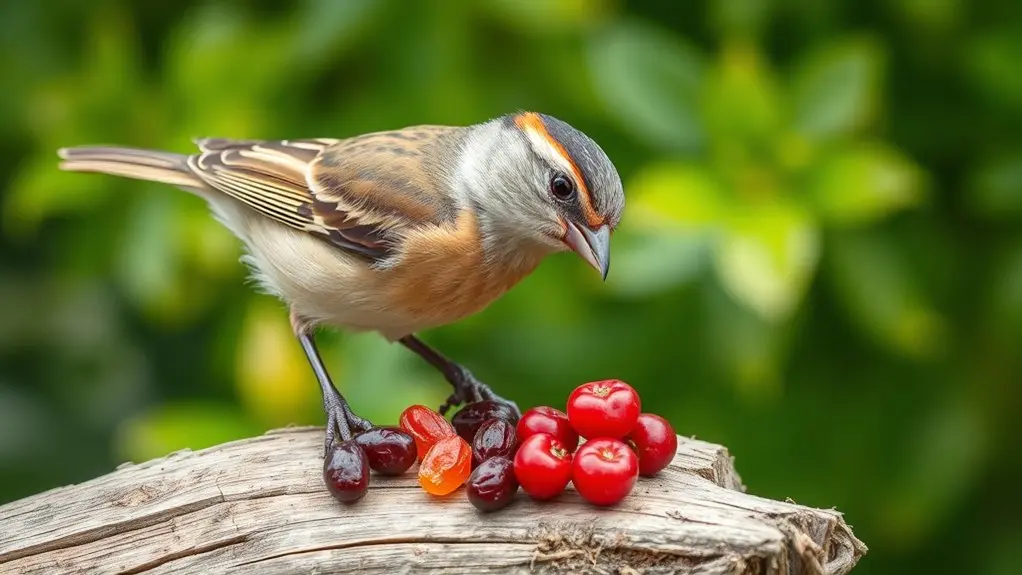
How safe are raisins and cranberries for all bird species? You should know that these fruits are generally not safe due to their high sugar content. This can lead to obesity and liver problems in most birds.
Raisins, being dried and sugar-concentrated, pose a higher risk and are typically avoided.
Some fruit-eating birds might tolerate small amounts of fresh cranberries. But large quantities of either fruit can cause gastrointestinal upset or toxicity.
If the bird has diabetes or metabolic issues, you must avoid offering raisins or cranberries since their natural sugars can worsen these conditions.
To guarantee safety, it’s best to provide fresh, species-appropriate fruits rather than dried or processed options like raisins and cranberries. These carry greater health risks across bird species.
Health Effects of Raisins and Cranberries on Birds
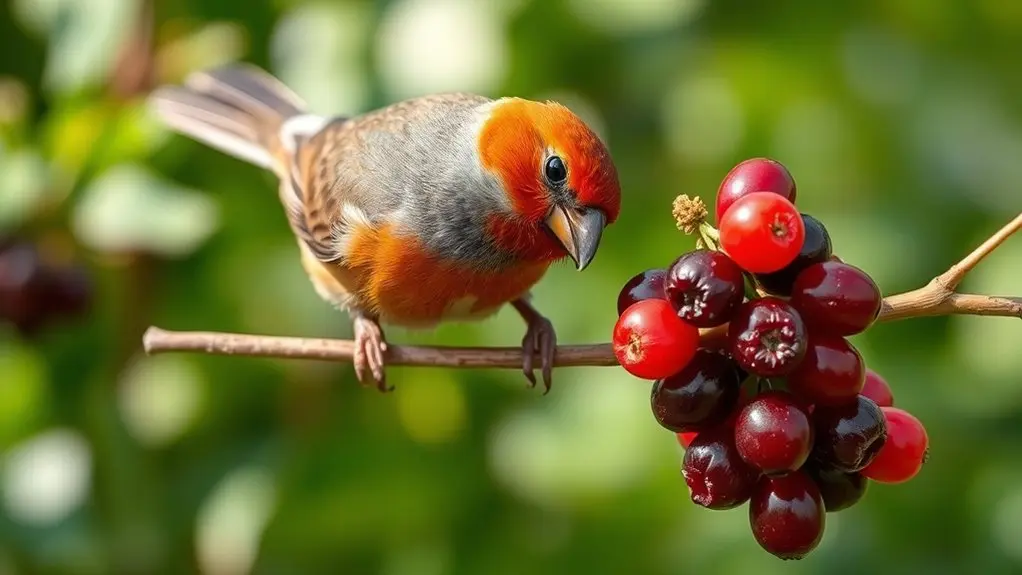
You’ll find that raisins and cranberries do offer some nutritional benefits, like vitamins and antioxidants. But, they also come with some risks.
Raisins have concentrated sugars and natural toxins, which can be harmful if birds eat too many of them.
On the other hand, cranberries might cause digestive upset when overconsumed.
It’s important to understand these effects because birds don’t have the enzymes needed to properly digest dried fruits. This can lead to digestive issues if they eat too much.
Nutritional Benefits Overview
Why do raisins and cranberries attract many bird enthusiasts looking to boost avian health? Raisins provide natural sugars and antioxidants that supply birds with quick energy and may support cellular health.
Cranberries deliver vitamin C and phytochemicals, which can enhance immune function.
Both fruits offer valuable nutrients, but their high sugar content means you need to watch how much you feed to avoid digestive upset or nutritional imbalances.
Also, keep in mind that dried fruits sometimes contain preservatives or sulfites, which mightn’t be safe for all bird species.
So, when feeding these fruits, moderation is key to get the benefits without any risks.
Understanding these nutritional details helps you make smart choices about adding raisins and cranberries to a bird’s balanced diet.
Potential Toxicity Risks
Although raisins and cranberries offer nutritional benefits, their consumption can pose significant health risks to birds if not carefully managed. Raisins contain concentrated sugars and compounds that may lead to kidney failure and other toxic effects in birds.
The high sugar content also increases the risk of obesity and insulin imbalance, disrupting avian metabolism.
Cranberries are safer in small quantities but can cause digestive upset and metabolic disturbances if overeaten. Birds lack the enzymes necessary to properly digest dried fruits, which heightens the chance of gastrointestinal distress.
Additionally, both raisins and cranberries may contain preservatives or additives harmful to birds.
You should thus monitor and limit their intake to avoid these toxicity risks and protect your bird’s health. It’s better to be cautious and offer these treats sparingly to keep your feathered friend safe and healthy.
Digestive Impact on Birds
How do raisins and cranberries affect your bird’s digestive health? Raisins contain high sugar and acidity levels that can disrupt your bird’s gastrointestinal system, potentially causing upset or more severe issues.
Cranberries, also acidic, may lead to digestive discomfort or diarrhea if your bird eats too many.
Neither fruit provides essential nutrients, and eating too much can interfere with natural digestion. The concentrated sugars in raisins might trigger insulin spikes, which raises the risk of obesity or fatty liver disease.
Also, birds have sensitive digestive tracts that can react negatively to processed dried fruits like raisins and cranberries. Sometimes, eating these regularly can cause blockages or even toxicity.
To keep your bird’s digestive health in check, it’s best to limit or avoid these dried fruits and offer safer, nutrient-rich alternatives instead.
How Do Sugar and Acidity Impact Birds’ Tummies?
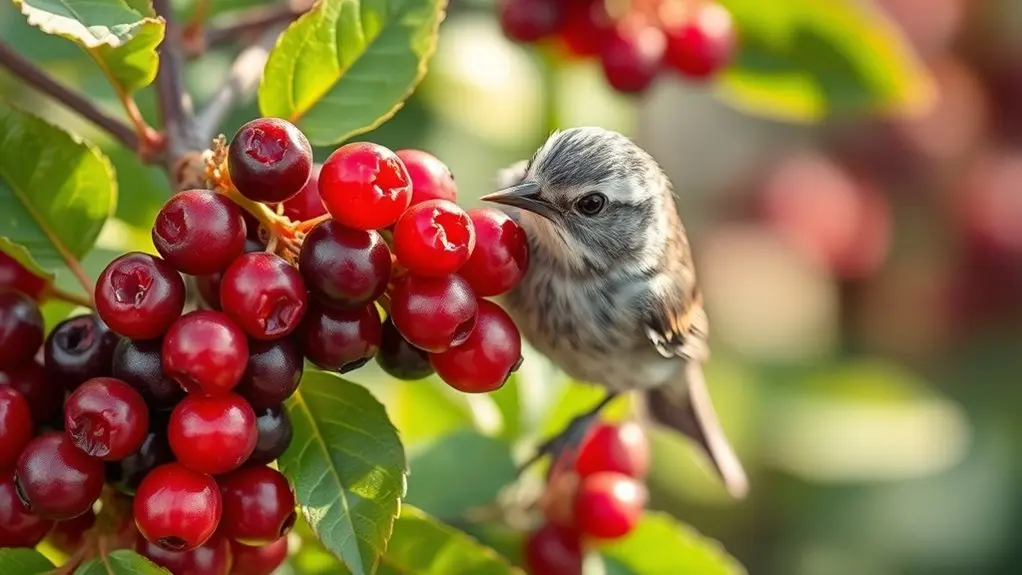
Because birds lack the enzymes necessary to break down concentrated sugars and acids, consuming high-sugar fruits like raisins and acidic ones like cranberries can upset their digestive systems.
Birds cannot digest concentrated sugars and acids, so high-sugar and acidic fruits may upset their digestive systems.
The high sugar content can trigger insulin spikes, disrupting metabolism and causing digestive upset.
Meanwhile, cranberry acidity may irritate the sensitive lining of their digestive tract, leading to discomfort.
Excessive sugar and acid also alter the stomach’s natural pH balance, impairing enzyme function and digestion efficiency.
This imbalance increases the risk of gastrointestinal issues such as diarrhea and stomach pain.
When you feed birds these fruits, you introduce substances their digestive systems aren’t equipped to process efficiently.
This can compromise their overall digestive health and well-being.
Risks of Feeding Birds Too Many Raisins or Cranberries
You should be careful about feeding birds too many raisins or cranberries. Because these fruits have a lot of sugar, they can lead to digestive problems and dehydration.
If birds eat too much, it might also mess with their normal behavior by changing their energy levels and metabolism.
Potential Digestive Issues
While raisins and cranberries offer nutritional benefits, feeding birds too many can lead to digestive issues such as diarrhea and stomach discomfort. These dried fruits contain natural sugars and compounds that may cause gastrointestinal distress in certain bird species.
Overconsumption can also result in dehydration and nutrient imbalances, impairing their overall health.
Also, the high fiber content in raisins and cranberries poses a risk of blockages or impaction if birds ingest large quantities. You should be cautious of additives or preservatives in some dried fruits, as these substances can further harm birds’ digestive systems.
To minimize these risks, offer raisins and cranberries in moderation and opt for unsweetened, additive-free varieties to support birds’ digestive well-being effectively.
Sugar Content Concerns
How much sugar is too much when feeding birds raisins or cranberries? These dried fruits contain high natural sugar levels, which can harm birds if overfed. Excess sugar intake may cause obesity, diabetes, and metabolic disorders in birds.
It also disrupts their natural diet and digestive health, leading to immune system weakening. The concentrated sugars cause rapid blood sugar spikes, stressing their metabolism.
| Risk Factor | Effect on Birds |
|---|---|
| High sugar concentration | Rapid blood sugar spikes |
| Excess intake | Obesity and diabetes |
| Disrupted diet | Digestive disturbances |
| Weakened immunity | Increased illness susceptibility |
To protect birds, limit raisins and cranberries as occasional treats, not staple foods. That way, you help ensure they get balanced nutrition and stay healthy.
Impact On Bird Behavior
Excessive feeding of raisins and cranberries not only affects birds’ physical health but also influences their behavior. When you provide too many of these sugary fruits, birds may develop digestive issues and nutritional imbalances, leading to weight gain.
This overreliance on human-provided food can alter their natural foraging habits, reducing their instinct to search for diverse, natural food sources.
You might also notice increased aggression or competition among bird species competing for these treats. Regularly supplying raisins and cranberries disrupts their typical diet, which can cause long-term health problems and behavioral changes.
To protect bird populations, it’s essential you maintain a balanced feeding approach, offering these fruits sparingly to avoid adverse effects on their behavior and overall well-being.
Which Bird Species Benefit From Small Amounts of Raisins and Cranberries?
Which bird species can actually benefit from small amounts of raisins and cranberries? Certain species like waxwings and thrushes can gain nutritional advantages when you offer these dried fruits occasionally. Raisins deliver quick energy through natural sugars, supporting active birds.
Waxwings and thrushes benefit from occasional raisins and cranberries, gaining quick energy and nutritional support.
Cranberries provide antioxidants that may enhance immune function in some species.
Consider these points:
- Waxwings consume raisins and cranberries naturally in small quantities.
- Thrushes benefit from the energy boost raisins provide during migration.
- Cranberries contribute antioxidants that support immune health in select birds.
- Moderation is critical to avoid digestive upset or toxicity in sensitive species.
Knowing which birds can safely eat these treats helps you support their dietary needs responsibly.
How Can You Safely Offer Raisins and Cranberries to Birds?
When offering raisins and cranberries to birds, you should verify these dried fruits are plain, unsweetened, and free from preservatives or artificial additives to prevent harm. Introduce small amounts gradually to observe any adverse reactions and avoid digestive issues. Moderation is vital, as excessive intake can cause obesity or nutrient imbalances.
Avoid any dried fruits containing added sugars, salts, or flavorings, which may be toxic. It’s always a good idea to consult an avian veterinarian or wildlife expert to make sure these treats are suitable for the specific bird species you’re feeding.
| Safety Factor | Recommendation | Reason |
|---|---|---|
| Fruit Type | Plain, unsweetened | Prevent toxicity |
| Portion Size | Small, gradual amounts | Monitor tolerance |
| Frequency | Moderate servings only | Avoid obesity and imbalance |
How Can You Spot Digestive Problems in Your Bird?
Although birds often hide signs of illness, you can spot digestive problems by carefully observing changes in their behavior and droppings. Pay attention to these key indicators:
- Appetite and Activity: Notice if your bird shows weight loss, decreased appetite, lethargy, or reluctance to eat. These often signal digestive discomfort.
- Droppings: Look for diarrhea, watery stools, abnormal coloration, or undigested food. These suggest gastrointestinal issues.
- Abdominal Changes: Swelling or bloating in the abdomen may indicate digestive blockages or inflammation.
- Vomiting or Regurgitation: Persistent vomiting requires immediate veterinary attention because it points to compromised digestive function.
Which Bird Foods Should Not Be Replaced by Raisins and Cranberries?
Because raisins and cranberries contain high sugar levels and lack essential nutrients, you shouldn’t replace specialized bird foods with them.
Seeds, pellets, and fresh insects provide crucial proteins, fats, and vitamins that raisins and cranberries can’t supply. Many seed-eating birds depend on specific dietary components present only in their natural foods.
Relying on raisins and cranberries alone risks nutritional deficiencies, which can impair growth, immune function, and overall health. Plus, the excessive sugar content in these fruits may cause obesity or digestive problems in some bird species.
To keep your bird healthy, it’s best to continue offering nutrient-rich foods rather than swapping them out for raisins or cranberries. This way, you ensure a balanced diet tailored to your bird’s needs and avoid complications linked to poor nutrition.
What Alternatives to Raisins and Cranberries Are Better for Birds?
You should offer birds fresh fruits like berries, apples, and oranges. These provide essential nutrients without the excessive sugars found in dried fruits.
Also, safe seed options such as millet and sunflower seeds really support their dietary needs effectively.
Plus, fresh vegetables can supply important vitamins and minerals that promote overall bird health.
Nutritious Fruit Options
When selecting fruit for birds, choosing fresh options like berries, apple slices without seeds, and peeled grapes provides safer and more nutritious alternatives to raisins and cranberries. Dried fruits contain high sugar levels and preservatives that can harm birds.
Instead, consider these options:
- Fresh blueberries and strawberries are rich in antioxidants and vitamins.
- Apple slices without seeds offer fiber and hydration without toxins.
- Peeled grapes provide moisture and essential nutrients safely.
- Sliced melons and pears are low in sugar and high in water content, which helps with hydration.
These fresh fruits support digestion and overall bird health better than dried options, which may cause dehydration and digestive issues if given excessively. Always remove seeds and skins that could pose risks.
It’s a good idea to stick with fresh fruits to keep your bird happy and healthy!
Safe Seed Choices
Although dried fruits like raisins and cranberries are popular bird treats, seeds such as millet, sunflower, nyjer, safflower, and cracked corn offer safer, more nutritious alternatives. These seeds don’t have the harmful preservatives and added sugars you find in dried fruits, which helps reduce health risks.
By providing a variety of seeds, you’re supporting diverse bird species and their dietary needs. Always make sure the seeds are fresh and mold-free to prevent illness. You can easily find these seeds at bird supply stores, and avian experts often recommend them.
| Seed Type | Benefit |
|---|---|
| Millet | Easily digestible, high energy |
| Sunflower | Rich in fats and proteins |
| Nyger | Preferred by finches and small birds |
| Safflower | Less attractive to squirrels |
These choices help promote balanced nutrition and safer feeding for your feathered friends.
Fresh Vegetable Benefits
Seeds provide birds with essential nutrients, but adding fresh vegetables to their diet brings extra health benefits that dried fruits like raisins and cranberries just can’t match.
Fresh veggies such as carrots, spinach, and broccoli give important vitamins and minerals without the extra sugar.
They also have a lot of water, which helps keep birds hydrated. When you offer fresh vegetables, you support natural foraging behavior and reduce nutritional deficiencies.
You’re also giving antioxidants and fiber that boost digestion and immune health. Plus, fresh veggies lower the risk of sugar overload that comes with dried fruits.
When to Consult a Vet About Your Bird’s Diet
Because birds can react unpredictably to new foods like raisins and cranberries, you should consult a veterinarian if you notice any signs of digestive upset, vomiting, or lethargy after your bird consumes these fruits.
Also, if you see persistent changes in stool consistency or color following ingestion, that’s a good reason to get a professional evaluation.
And if your bird has underlying health conditions or a compromised immune system, it’s best to have a vet assess its diet before introducing such treats.
Immediate veterinary attention is critical if you observe allergic reactions, including swelling or difficulty breathing.
Regular check-ups will help you maintain a balanced and safe diet for your bird.
This way, you can make sure new foods like raisins and cranberries don’t negatively affect its health.
Prompt consultation really helps safeguard your bird’s well-being through informed dietary management.
Frequently Asked Questions
Can Raisins and Cranberries Affect a Bird’s Behavior or Mood?
Yes, raisins and cranberries can affect your bird’s behavior and mood. This is mainly because of their sugar content and natural compounds. These ingredients may cause your bird to become hyperactive or even lethargic.
On top of that, they might disrupt neurological functions, which isn’t great for your feathered friend. Plus, there’s the chance of gastrointestinal discomfort. So, it’s good to keep an eye on how your bird reacts after eating these fruits.
How Do Raisins and Cranberries Compare Nutritionally to Fresh Fruits for Birds?
You’ll find raisins and cranberries have concentrated sugars and fewer water-soluble vitamins compared to fresh fruits. This makes fresh options nutritionally superior for birds by providing better hydration and balanced nutrients.
Plus, fresh fruits usually contain fewer preservatives that can affect digestion. So, when feeding birds, fresh fruits are generally the healthier choice. They help keep birds hydrated and support their overall well-being better than dried fruits.
Are There Specific Preparation Methods to Make Raisins and Cranberries Safer for Birds?
You should rinse raisins and cranberries thoroughly, soak them to reduce sugar concentration, and cut larger pieces into smaller sizes.
Avoid additives and serve these dried fruits in moderation to guarantee birds’ safety and digestive health.
Doing these simple steps can make a big difference for your feathered friends!
Can Feeding Raisins and Cranberries to Baby Birds Be Harmful?
When a rehabilitator fed baby finches raisins, some developed digestive upset and choking risks. You shouldn’t feed these fruits to baby birds since their high sugar and texture can harm their sensitive digestive systems and pose choking hazards.
It’s really best to avoid giving raisins and cranberries to little birds. Their tiny tummies just aren’t built to handle the sugar or the chewy texture. Plus, the choking risk is something you definitely don’t want to take lightly.
Do Raisins and Cranberries Have Any Benefits for Wild Bird Populations?
Yes, raisins and cranberries provide wild birds with energy and antioxidants. You’ll also find cranberries support immune health. But you should offer these fruits sparingly to avoid excess sugar, which can harm bird populations.
It’s all about balance when feeding birds. A little treat now and then is great, but too much sugar isn’t good for them. So, keep it moderate and enjoy watching your feathered friends!
Conclusion
You might think raisins and cranberries are harmless treats, but feeding them excessively can disrupt your bird’s delicate digestion. While small amounts can benefit certain species, relying on these fruits as staples risks serious health issues.
Always monitor your bird closely for digestive distress and never replace balanced bird foods with sugary snacks. When in doubt, consult a vet. Your feathered friend’s well-being is worth more than a million raisins.