
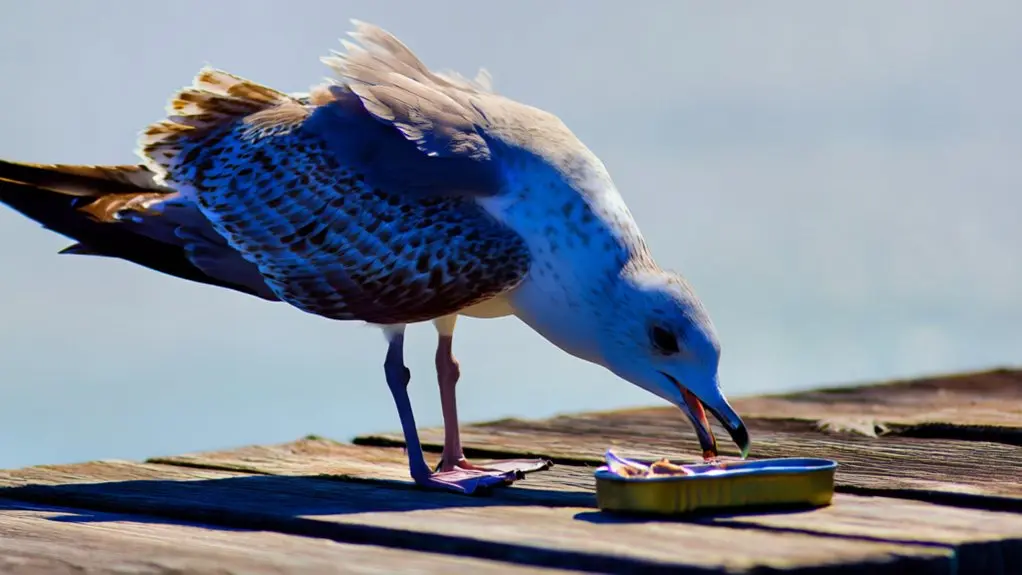
You can feed tuna to birds, but you should limit it to small, cooked portions without additives to avoid health risks. Tuna provides high-quality protein, omega-3s, and essential vitamins that support feather health and immunity. However, its mercury content and high sodium levels can cause toxicity and nutritional imbalances if overfed.
Using tuna occasionally and carefully will minimize risks. Understanding safe feeding practices and alternatives will help keep your bird healthy and thriving. So, it’s all about balance and making sure you don’t overdo it.
Is Tuna Safe and Healthy for Parrots?
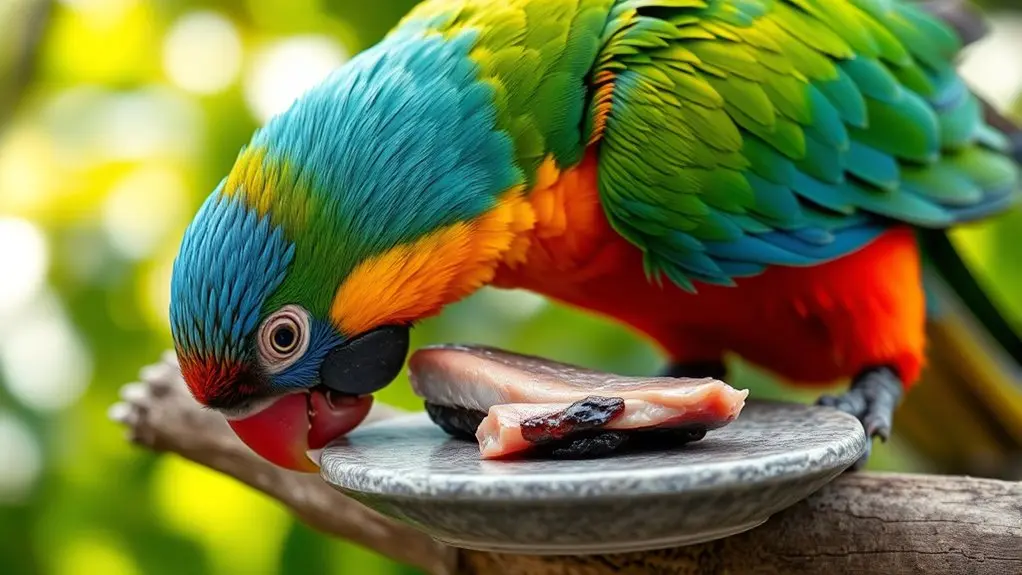
Although tuna offers valuable nutrients like protein, omega-3 fatty acids, and vitamin B2, you should only feed it to parrots occasionally and in small amounts. These nutrients support aspects of bird migration by enhancing energy metabolism and may influence feather coloration through improved overall health.
However, tuna’s mercury and sodium content poses risks if given frequently, potentially impairing neurological function critical for migratory navigation. Fresh, water-packed tuna without added oils or seasonings is safest, but even then, moderation is key to prevent toxin accumulation.
Proper preparation ensures parrots receive benefits without harm. By controlling tuna intake, you help maintain balanced nutrition that supports essential physiological processes, including those affecting feather quality and migratory stamina, without compromising long-term health.
What Nutrients Does Tuna Provide for Parrots?
You’ll find that tuna offers parrots high-quality protein and essential amino acids, which are vital for keeping their muscles strong and helping repair tissues.
Plus, it has vitamin B2, a nutrient that supports their energy metabolism and keeps their skin healthy.
On top of that, the omega-3 fatty acids in tuna play a big role in boosting cognitive function, supporting the immune system, and reducing inflammation.
Protein And Amino Acids
Because parrots require a balanced intake of protein and essential amino acids for ideal growth and metabolic function, tuna serves as a valuable dietary supplement. Tuna provides high-quality protein that supports muscle development and tissue repair while supplying all essential amino acids critical for immune response and metabolic activities.
When considering feeding frequency, it’s important to offer tuna in moderation to prevent nutritional imbalances.
Observing your parrot’s taste preference is essential; some may eagerly accept tuna, while others might reject it. Regular, controlled servings can enhance nutrient intake without overwhelming their diet.
Vitamin B2 Benefits
When you include tuna in your parrot’s diet, you provide a valuable source of vitamin B2 (riboflavin), which plays an essential role in energy production and cellular function. Vitamin B2 supports the metabolism of fats, proteins, and carbohydrates, enabling your bird to efficiently convert food into usable energy.
This nutrient is indispensable for maintaining healthy bird behavior by supporting metabolic processes that influence activity and alertness. Additionally, vitamin B2 contributes directly to feather health. A deficiency can cause dry skin, feather loss, and stunted growth.
Omega-3 Fatty Acids
Alongside vitamin B2, tuna offers another important nutrient class: omega-3 fatty acids, including EPA and DHA. These essential fats support brain health, reduce inflammation, and improve cardiovascular function in parrots.
By including moderate amounts of tuna in your bird’s diet, you enhance its omega-3 intake, which promotes vibrant feather coloration and healthy skin.
These fatty acids also contribute to a strong immune system and may positively influence nesting behavior by supporting overall robustness and hormonal balance.
However, be cautious. Excessive tuna consumption can lead to mercury accumulation, which may negate omega-3 benefits and pose health risks.
Tuna’s Benefits for Parrot Health and Growth
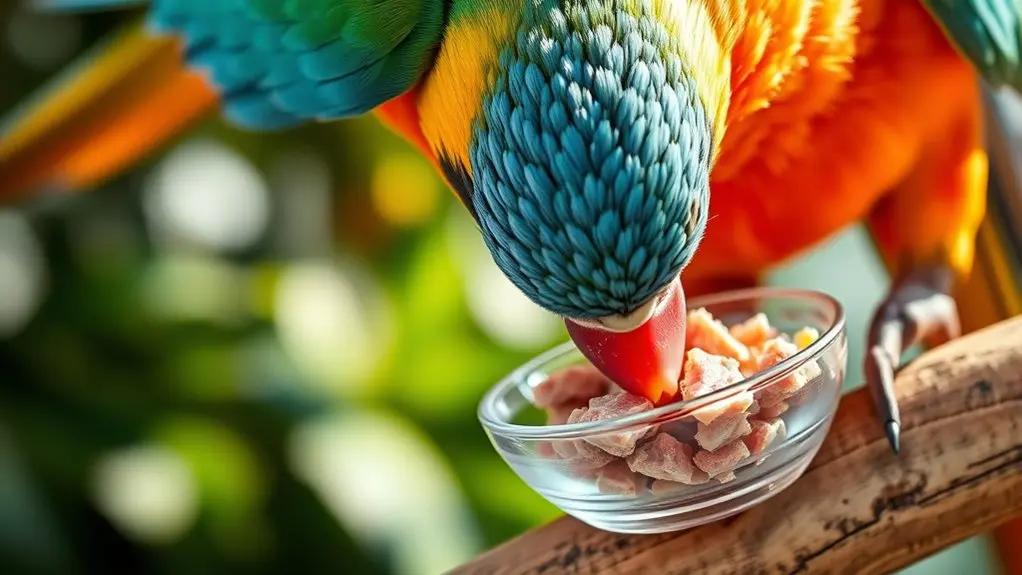
Although parrots require a balanced diet, incorporating tuna in moderation can considerably enhance their health and growth. Tuna’s high-quality protein and vitamin B2 support muscle development and metabolic processes, while omega-3 fatty acids improve cardiovascular health and reduce inflammation.
These nutrients also promote healthy feather and skin development, strengthening your parrot’s immune system. Understanding tuna digestion and parrot taste preferences helps you introduce tuna effectively, ensuring acceptance without upsetting their digestive balance.
| Benefit | Impact on Parrot |
|---|---|
| High-quality protein | Muscle growth and repair |
| Omega-3 fatty acids | Cardiovascular health and reduced inflammation |
| Vitamin B2 and phosphorus | Feather quality and metabolic support |
Risks of Feeding Tuna to Parrots
You’ve got to be careful about mercury when feeding tuna to parrots because it can lead to neurological and organ damage.
Also, if you feed them too much tuna, it might throw off their nutritional balance and cause some deficiencies.
Mercury Exposure Concerns
How does feeding tuna affect your parrot’s health? Tuna can contain high mercury levels, which build up in birds and cause toxicity. Mercury exposure may lead to neurological problems, changes in behavior, and even reduced chances of successful breeding in parrots.
Because of these risks, it’s best to limit tuna as an occasional treat, not a regular part of their diet. Choosing water-packed, low-mercury tuna can help reduce exposure, but you still need to prepare it carefully. Keeping an eye on how much tuna your bird eats is really important to avoid harmful buildup.
Also, keep in mind that parrots naturally tend to avoid high-mercury prey, which shows how they’ve evolved to balance their nutrition.
On top of that, there are sustainability concerns with tuna fishing, so cutting back on tuna helps protect ocean ecosystems. Balancing your bird’s health with environmental impact is the best way to include tuna responsibly in their diet.
Nutritional Imbalance Risks
When parrots consume tuna excessively, their natural dietary balance can be disrupted because tuna is high in protein and omega-3 fatty acids. This imbalance might raise phosphorus levels, which can negatively affect bone health. Plus, relying too much on tuna means parrots miss out on a variety of other important nutrients.
Using tuna as a main food source can lead to deficiencies in essential vitamins and minerals that are crucial for their well-being. You should also think about how feeding tuna frequently can contribute to obesity and related health problems.
It’s more than just about the bird’s health—tuna sustainability matters too. Overharvesting tuna can impact marine ecosystems, so it’s good to keep that in mind.
Prioritizing a varied diet helps reduce the risks linked to nutritional imbalances and supports ecological responsibility. By understanding these factors, you can avoid potential harm from too much tuna and promote balanced nutrition for your parrot’s best health and longevity.
Safe Tuna Feeding
Although tuna provides beneficial nutrients like vitamin B2 and omega-3 fatty acids, feeding it to parrots requires caution because of potential health risks. Eating too much tuna can lead to mercury buildup, which can harm their neurological function. This might affect how they fly and even their nesting behavior.
To keep things safe, offer small amounts of water-packed tuna without any oils or seasonings. And remember, never make tuna a regular part of their diet.
| Factor | Impact on Parrots |
|---|---|
| Mercury | Toxic buildup; neurological damage |
| Nutrients (B2, Omega-3) | Supports health but not sufficient alone |
| Feeding Frequency | Occasional treat recommended |
Keeping a balanced diet is really important for your parrot’s best health. It helps them maintain their flight abilities and normal nesting behavior.
Safe Tuna Amounts for Parrots
Since tuna contains beneficial nutrients like omega-3 fatty acids and vitamin B2, you can offer it to your parrot as an occasional treat. Just make sure to limit servings to no more than once or twice weekly to prevent mercury buildup.
Offer tuna to your parrot occasionally, limiting servings to once or twice a week to avoid mercury buildup.
Your parrot might enthusiastically accept this treat because of its curiosity and attraction to the distinct tuna flavor. But remember, eating too much can lead to mercury poisoning, which causes neurological and kidney issues.
A small portion, about a teaspoon of peeled, water-packed tuna, is enough and safer than giving larger amounts. Always serve plain tuna without oils or seasonings to avoid harmful additives.
Keeping an eye on portion size and how often you offer tuna helps you balance the nutritional benefits with safety. This way, your parrot can enjoy tuna treats without risking toxic buildup or health problems.
How to Prepare Tuna Safely for Parrots
To offer tuna safely to your parrot, proper preparation is necessary to minimize health risks. Tuna cooking should eliminate harmful bacteria and parasites, so always cook it thoroughly or use water-packed tuna with no additives. This guarantees safer bird digestion and reduces the risk of illness.
Avoid seasoning, oils, or additives, as these can introduce toxins or excess salt harmful to your bird.
When preparing tuna for parrots, consider these guidelines:
- Remove all bones to prevent choking or digestive injury
- Serve small, manageable portions for easy digestion
- Use only plain, cooked, or water-packed tuna without additives
- Limit tuna feeding frequency to avoid mercury accumulation
Following these steps helps maintain your parrot’s health while safely incorporating tuna into their diet. It’s all about keeping things simple and safe for your feathered friend!
Limitations of Tuna as a Staple Food
While tuna provides valuable nutrients like protein, omega-3 fatty acids, and vitamin B2, you should avoid making it a staple in your bird’s diet due to potential health risks. Excessive tuna consumption can cause mercury and sodium buildup, leading to toxicity and nutrient imbalance.
Proper tuna cooking without oils or seasonings is essential, but even then, relying heavily on tuna can cause nutritional deficiencies over time. Also, bird preferences vary; some may reject tuna’s flavor or texture.
| Aspect | Details | Impact on Birds |
|---|---|---|
| Protein | High-quality source | Supports muscle and feather growth |
| Omega-3 Fatty Acids | Beneficial for heart and brain health | Enhances cognitive functions |
| Mercury Risk | Accumulates with frequent consumption | Causes neurological damage |
| Sodium Content | High in canned varieties | May induce dehydration |
| Bird Preferences | Varies by species and individual | Affects diet acceptance |
Alternatives to Tuna for Protein and Omega-3s
Although tuna offers valuable nutrients, you can get similar or even greater amounts of protein and omega-3 fatty acids from alternatives like salmon, mackerel, sardines, and anchovies. These options fit well with a balanced bird diet and can help mix things up while lowering the risks of mercury exposure.
Think about these alternatives: salmon and mackerel have high omega-3 levels, which support heart and brain health. Sardines and anchovies are smaller, nutrient-packed fish and are often more sustainable than tuna.
Switching between different fish ensures your bird gets a full range of essential fatty acids and amino acids. Adding these to your bird’s diet helps keep them healthy without depending too much on tuna.
Using these alternatives supports a scientifically sound bird diet and promotes long-term well-being through varied, nutrient-rich meals.
Introducing Tuna Safely to Parrots
When you decide to introduce tuna to your parrot’s diet, it’s vital to do so cautiously and in moderation to minimize health risks. Start by offering small portions of water-packed tuna without oils or seasonings to reduce exposure to harmful additives.
Observe your bird’s response to the tuna flavor, as parrot preferences vary widely and can influence acceptance.
Avoid making tuna a staple because of risks associated with mercury and sodium accumulation. Serve tuna in manageable amounts to prevent choking or overeating.
Keep a close eye on your parrot for any adverse reactions after they eat tuna. If you notice any changes in behavior or health, don’t hesitate to seek veterinary advice.
Introducing tuna safely means balancing its nutritional benefits with careful attention to portion size and your parrot’s individual preferences. This way, you help ensure your bird’s overall well-being.
Frequently Asked Questions
Can Marine Animals Accidentally Swallow Birds Like Seabirds or Parrots?
Yes, marine animals can accidentally swallow birds like seabirds when bird feeding and marine habitat overlap occurs. You’ll find this happens rarely, as feeding zones coincide, causing unintentional ingestion rather than deliberate predation.
It’s not something you hear about often, but it does happen from time to time. Basically, when birds and marine animals go after the same food in the same area, things can get a bit messy. So, it’s more about chance than intention.
Do Any Marine Predators Actively Hunt Birds Seasonally?
Yes, during bird migration, you’ll find marine predators like tiger sharks actively hunting seabirds seasonally. This behavior impacts coastal ecosystems by exploiting vulnerable, fat-rich birds. It really shows a dynamic predator-prey relationship influenced by migration patterns.
How Do Birds End up in the Diets of Large Fish Like Tuna?
You’ll find birds in fish feeding zones where overlaps occur. Large tuna sometimes consume seabirds either accidentally during hunts or intentionally when birds dive for prey.
This makes birds a sporadic yet natural component of their diet. It’s kind of interesting how these overlaps happen in the wild, isn’t it? So, while not common, birds do end up on the menu for big fish like tuna now and then.
What Are the Ecological Impacts of Birds Being Preyed on by Marine Animals?
You witness bird migration’s fragile dance disrupted as marine predators increase nest predation, shrinking bird populations. This ripple reshapes ecosystems. It forces seabirds to alter foraging, which impacts biodiversity and the balance of oceanic food webs.
It’s like a chain reaction—one change leads to another, and the whole system feels it. Birds play a key role in keeping things balanced, so when their numbers drop, the effects spread far and wide.
Are There Known Cases of Parrots Interacting With Marine Ecosystems?
You won’t find parrots interacting with marine ecosystems since their avian flight suits terrestrial habitats.
They lack marine nesting behaviors and adaptations needed for aquatic environments, so they don’t naturally engage with marine life or ecosystems.
Conclusion
Feeding tuna to your parrot is like offering a double-edged sword. It’s packed with essential nutrients but also carries hidden risks. While its protein and omega-3s can boost health and growth, too much tuna might introduce toxins and cause imbalances.
Think of tuna as a seasonal bloom rather than a garden staple. It’s great in moderation but shouldn’t be the main part of their diet. Always prepare it safely and mix it up with other foods.
That way, you keep your feathered friend thriving both scientifically and sustainably. It’s all about balance and care when adding tuna to their menu.