
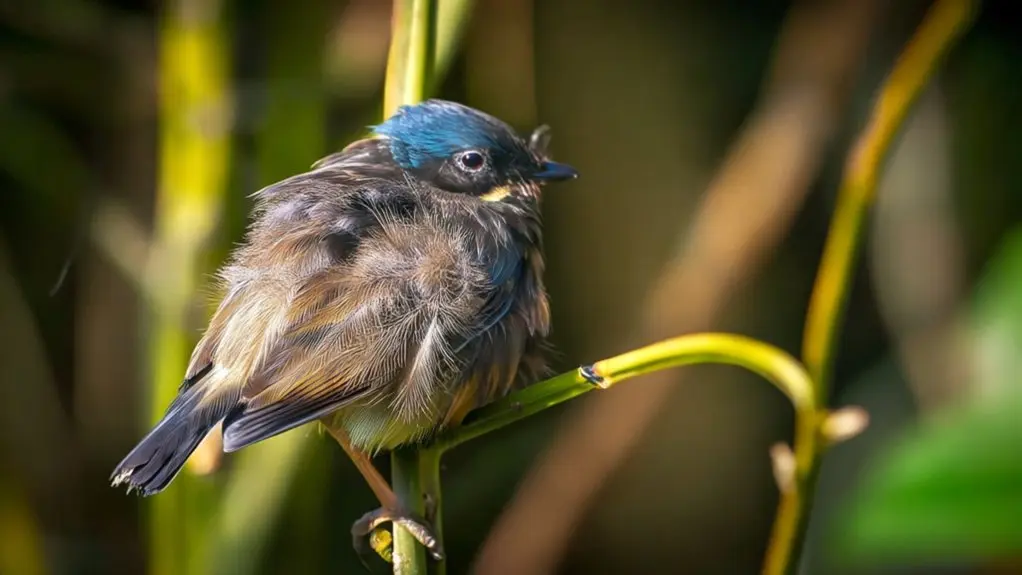
Yes, birds can grow their feathers back through a natural molting process where new feathers emerge from active, blood-rich follicles called pin feathers. These feathers mature over weeks or months, restoring flight and insulation.
Factors like species, age, nutrition, and health influence how fast feathers regrow. Clipped feathers usually grow back normally since the follicles remain intact.
During regrowth, a bird’s flight and behavior may change temporarily. Understanding this process helps you better support your bird’s health and recovery.
Do Birds Grow Their Feathers Back? Here’s How
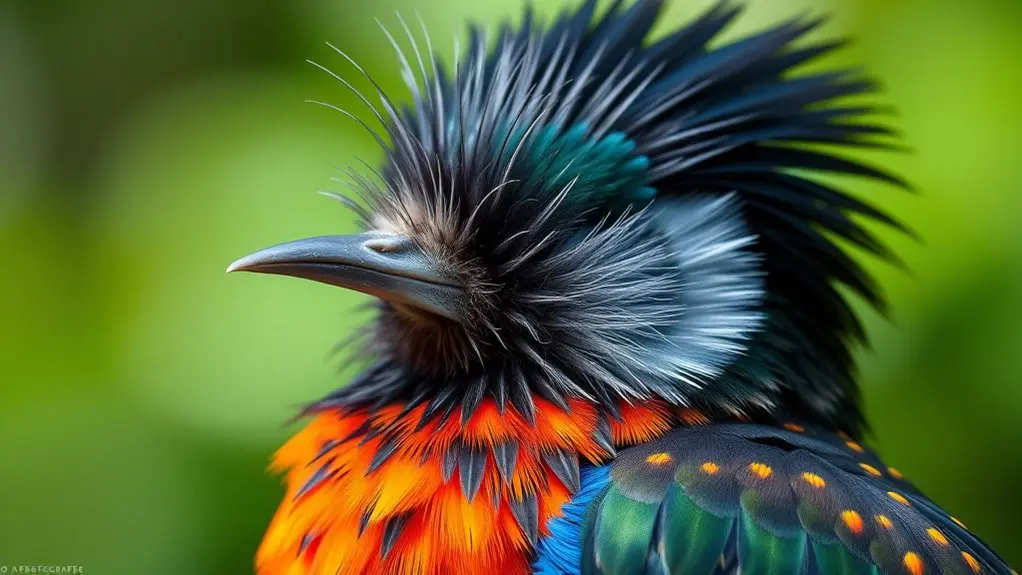
Although it might seem surprising, birds do grow their feathers back through a process called molting. During this time, they systematically replace old feathers with new ones. Feather regrowth starts with pin feathers, which are delicate and blood-filled. These feathers mature over several months.
Birds renew their feathers through molting, starting with delicate pin feathers that grow over months.
This renewal is really important because feather coloration plays a big role in camouflage, mate attraction, and signaling. Understanding a bird’s migration patterns also helps, since many species time their molting to avoid messing with flight during long journeys.
Feathers don’t all molt at once but come in sequentially, so birds can keep flying.
Things like nutrition and health have a direct impact on how well new feathers grow. This ensures the bird can survive and thrive in its environment. So, molting is a clever way birds stay in top shape for whatever comes their way.
What Is the Molting Process and How Does It Work?
Understanding how birds regrow their feathers means looking closely at the molting process itself. Molting is a carefully timed cycle where birds shed old feathers and develop new ones from blood-filled follicles called pin feathers. These new feathers initially show visible blood vessels and gradually mature, restoring the bird’s plumage and feather color.
Molting patterns are sequential, replacing feathers in groups to maintain flight capability throughout the process. Age, health, and season influence this cycle’s timing and progression. So, it’s not just random; there’s a lot going on behind the scenes to keep birds flying strong.
| Aspect | Description |
|---|---|
| Feather Development | Blood-rich pin feathers emerge first |
| Molting Timing | Typically annual, varies by species |
| Flight Maintenance | Sequential feather replacement ensures flight capability |
How Long Does Feather Regrowth Take in Different Birds?
You’ll find that feather regrowth timelines can vary quite a bit among different bird species. This happens because birds molt at different times and their bodies handle regrowth in unique ways.
Age is also a big factor. Young birds, or juveniles, usually grow their feathers back faster than adult birds do.
Plus, things like good nutrition and overall health play a part in how quickly feathers come back.
When you keep all these factors in mind, it’s easier to understand why some birds can get their plumage back in just a few months, while others might need much more time.
Regrowth Timeline Variations
While feather regrowth timelines differ widely among bird species, you can generally expect smaller birds like canaries to renew their feathers within about 3 to 4 weeks. Larger species such as parrots may require up to 6 months for full feather replacement.
This variation hinges on molt patterns and the bird’s natural cycle, which influences feather coloration and structural renewal.
Keep these factors in mind: primary flight feathers often regrow faster than body or tail feathers because they’re so important for flying.
Younger birds usually regenerate feathers more quickly than older ones.
Also, species-specific molt patterns dictate the timing and sequence of feather regrowth.
Feather coloration can affect regrowth speed too, as pigments sometimes influence how feathers develop.
Understanding these timelines helps you appreciate the complexity behind feather regrowth across different bird species.
Species Molt Differences
Because molting cycles vary widely among bird species, the duration of feather regrowth can range from a few weeks to several months. Small songbirds typically complete feather replacement within 3–4 weeks, aligning with rapid molt timing that supports their metabolic needs.
In contrast, larger birds like raptors may require several months due to slower feather growth rates.
Parrots generally undergo an annual complete molt, though some species molt more frequently or gradually, which affects how their feather coloration is renewed.
Waterfowl and seabirds often have extended feather regrowth periods, adapted to their ecological demands.
This variability in molt timing directly influences the pace at which feather coloration is restored.
It all reflects species-specific life histories and environmental interactions. Understanding these differences helps clarify how diverse birds manage feather regeneration effectively.
Age And Nutrition Effects
Although feather regrowth duration varies widely among bird species, age and nutrition play critical roles in determining how quickly feathers return. Younger birds generally experience faster regrowth due to more active molting cycles, while older birds take longer.
Proper nutrition, especially adequate protein and vitamins, accelerates feather development and can influence feather coloration, ensuring vibrant and healthy plumage.
Additionally, consistent preening behavior supports feather integrity during regrowth.
Most parrots and larger birds require 3-4 months for full feather regrowth.
Protein and vitamin-rich diets promote quicker feather follicle activity.
Molting schedules differ individually, affected by age and environment.
Clipped feathers take several months to fully regenerate, depending on health status.
Understanding these factors helps you support birds through their natural regrowth process efficiently.
What Factors Affect the Speed of Feather Regrowth?
When you consider feather regrowth in birds, several critical factors come into play that influence the speed of this process. Molt synchronization, the bird’s alignment with its natural molting cycle, plays a pivotal role. Feathers tend to regrow faster when clipped during this phase.
Feather pigmentation also affects regrowth, as pigmented feathers often require more time and resources to regenerate than non-pigmented ones. Besides these, nutrition and overall health greatly impact regrowth speed. Well-nourished birds usually show accelerated feather development.
Age matters too. Young birds typically regrow feathers more rapidly than older ones.
Additionally, the location and extent of feather loss influence regeneration rates, while genetic factors contribute to individual variability.
Seasonal changes further modulate this process, making feather regrowth a complex, multifactorial phenomenon. So, it’s really a combination of many things working together to determine how quickly feathers come back.
Why Do Clipped Feathers Grow Back Normally?
You’ll notice clipped feathers grow back normally because the bird’s natural molt cycle kicks in and triggers feather follicle regeneration. The follicles stay intact and active, which means new feathers can grow back just fine.
Basically, it’s a controlled process that’s regulated by hormones. So, clipped feathers regrow just like the ones that weren’t cut, helping the bird keep its plumage looking healthy and whole.
Natural Molt Cycle
Because clipped feathers are part of a bird’s natural plumage, they regrow during the regular molting cycle without interference from the clipping itself. This molting process follows a precise, species-specific schedule that guarantees feather replacement happens systematically.
You’ll notice that new feathers develop from dormant follicles, which aren’t affected by previous clipping. Molt timing usually lines up with key phases like bird migration, making sure feathers have optimal coloration and flight efficiency.
Clipped feathers regenerate during one of the bird’s one or multiple annual molts. This natural cycle ensures continuous renewal, keeping the bird’s protective and aerodynamic functions in top shape.
Understanding this helps you see that feather clipping doesn’t disrupt the bird’s natural rhythm. Instead, it fits right into the ongoing feather maintenance the bird goes through.
Feather Follicle Regeneration
Although clipped feathers appear to be removed, the underlying feather follicles remain intact and active, enabling normal regrowth. These follicles are specialized skin structures responsible for producing feathers during the bird’s natural molting cycle. When you clip a feather, you only trim the visible part; the follicle continues its function without damage.
New feathers emerge as pin feathers, following the same developmental stages as natural regrowth, eventually reaching full length. Feather coloration, vital for species identification and camouflage, is restored accurately as follicles regenerate pigment cells.
Plus, healthy feather regrowth supports essential migration patterns, making sure birds stay aerodynamic during long flights. The timeline for regrowth varies based on species, age, and molting schedules. Generally, it takes several months for complete renewal.
How Nutrition Affects Feather Regrowth and Health
When birds receive proper nutrition, especially enough protein, vitamins, and minerals, their feather regrowth happens faster and the feathers are healthier. Nutrients play a big role in how well the molt cycle works and the quality of the new feathers, including their color.
Proper nutrition speeds feather regrowth and enhances feather quality, including vibrant color and overall health.
If birds don’t get enough of these nutrients, it can mess with pigment production and cause dull, brittle feathers. To help your bird grow feathers back in the best way, it’s important to focus on a few key things.
Make sure they get enough protein, which is needed for keratin synthesis—the main part of feathers. Vitamins like A and biotin are also important because they help with cell regeneration and feather pigmentation. Minerals such as calcium are essential for keeping the feathers strong and structurally sound.
It’s also a good idea to offer a varied diet full of fresh, nutrient-rich foods. This helps speed up the molt cycle and supports overall feather health.
How Does Feather Regrowth Affect a Bird’s Flight?
As feathers regrow, you’ll notice a bird’s flight ability comes back bit by bit. It often starts with short flights or gliding.
Each new feather helps improve aerodynamics little by little, which changes how the bird balances and moves in the air.
When feathers are clipped, it temporarily changes the bird’s behavior because it can’t fly as well.
But once the feathers fully grow back, the bird’s natural flight abilities return over time.
Flight Ability During Regrowth
Because flight feathers take time to mature, birds experience limited flight ability during regrowth. Flight impairments happen as feathers gradually develop stiffness and strength, which affects how well they can fly. You’ll often see birds glide or flutter instead of doing full-powered flight until their feathers fully regrow.
Key things that influence flight ability during this time include partial flight capacity since new feathers aren’t fully rigid yet. Also, reduced feather flexibility can mess with wing shape and lift.
Flight efficiency comes back bit by bit over several months.
Complete recovery only happens once the primary and secondary feathers mature. Understanding this helps you see how feather regrowth temporarily compromises flight.
This careful process makes sure birds get back to their best flying once their feathers are fully grown, avoiding long-term problems.
Behavioral Impact of Clipping
Although clipped feathers temporarily limit a bird’s flight, you’ll notice their behavior shifts considerably during regrowth.
As feathers regrow over 3-4 months, birds gradually regain partial to full flight ability, influencing their activity and escape responses. This gradual phase can cause frustration, as reduced mobility impacts normal behaviors, including nesting behaviors that rely on flight for collecting materials or avoiding predators.
Additionally, feather coloration during regrowth differs from mature plumage, potentially affecting social signaling and mate attraction.
You’ll observe that full flight resumes only when all molted feathers mature sequentially, restoring natural activity levels.
Understanding these behavioral impacts helps you appreciate how clipping temporarily alters a bird’s interaction with its environment until feather regrowth fully restores flight and associated behaviors.
What Behavioral Changes Happen When Birds Can’t Fly?
When birds lose the ability to fly, you’ll notice significant behavioral shifts that reflect their changed mobility and how they interact with their environment. Flightlessness can affect feather coloration visibility during social displays and might even change their nesting behavior.
Flightlessness leads to notable behavioral changes, influencing mobility, social displays, and nesting habits in birds.
For example, birds may stay closer to the ground or choose safer perches.
You’ll see some key changes like increased sedentary tendencies, meaning they spend more time grounded or perched. Sometimes, behavioral frustration shows up as feather-picking or self-mutilation.
Also, social interactions can change because clipped or regrowing feathers affect their visual signals.
Another thing to watch for is heightened vocalization frequency. This might mean the bird is feeling distressed or is trying to get attention.
These changes show that losing the ability to fly impacts not just how birds move, but also how they communicate, socialize, and nest.
Understanding these behaviors is really important if you want to support their well-being effectively.
How to Safely Care for Birds During Feather Regrowth
Ensuring safe care during feather regrowth requires careful monitoring to prevent injuries and support proper development. You should maintain strict feather hygiene by gently cleaning areas around new feathers to avoid infections.
Avoid handling the bird excessively, and never clip immature feathers, as this could damage the growing quills.
Create an environment prioritizing perching safety by providing soft, stable perches to reduce stress on developing feathers and prevent falls. Remove sharp objects or hazards to minimize injury risk.
Regularly observe feather progress, noting when feathers reach full maturity before allowing flight or outdoor activity.
When Is It Safe to Re-Clip Feathers After Regrowth?
After maintaining proper feather hygiene and safe perching during regrowth, the next important step is figuring out the right time to re-clip your bird’s feathers. You should only re-clip once the new feathers have fully grown and matured, which usually takes about 3-4 months. This ensures the feathers have developed the proper coloration and structural strength needed for grooming and flight.
To know when it’s safe to re-clip, keep an eye on a few things. First, the feathers shouldn’t be in the pin feather stage anymore—they need to be fully extended. Also, check that the feathers have hardened and feel strong enough.
Try not to clip too early, since that can damage the new feathers or even hurt your bird.
Another sign is that the feather color looks consistent and mature, showing they’re fully developed.
Following these tips will help keep your bird’s feathers healthy and avoid any grooming problems down the road.
Frequently Asked Questions
Can Environmental Pollution Impact Feather Regrowth in Birds?
Yes, pollution effects directly impair feather regrowth by causing feather deterioration. You’ll see damaged follicles and weakened immunity, leading to slower, incomplete molting and structurally abnormal feathers that compromise durability and overall bird health.
These changes make it harder for birds to stay warm and fly efficiently. Plus, their chances of survival can drop because their feathers don’t protect them like they should. So, pollution isn’t just dirty air or water—it can really mess with a bird’s body in important ways.
Do All Bird Species Molt in the Same Pattern Annually?
No, you won’t find all bird species molting in the same pattern annually. Molting timing varies widely, influenced by habitat and life cycle. This also affects feather coloration changes during replacement phases.
How Do Parasites Affect the Quality of New Feathers?
Parasites sneak in like thieves, causing feather deterioration by disrupting keratin formation and triggering plucking. You’ll see reduced parasite resistance, dull, brittle feathers, and impaired flight.
Are There Any Genetic Factors Influencing Molting Frequency?
Yes, genetic mutations and molting genetics considerably influence how often birds molt. You’ll find that variations in hormone-regulating genes alter molting frequency, and hereditary factors determine the timing and pattern of feather replacement.
Can Stress Delay or Alter the Molting Process?
Stress hormones can delay molting timing like a sloth on vacation. You’ll find that elevated stress disrupts hormonal balance, suppressing immunity. This changes how feathers shed and regrow.
That ultimately makes the molting process take longer and not work as well. So, stress really throws a wrench in the whole thing.
Conclusion
You can confidently count on birds to carefully cultivate new feathers after molting, though the process pace varies. Understanding the biological basics behind feather regrowth helps you handle their healing with heightened help and heart. Remember, respecting rest and reducing risk during renewal reinforces robust recovery.
With wisdom and watchfulness, you’ll witness winged wonders winning back their wondrous flight, proving nature’s precise and persistent power in perfect plumage production.