
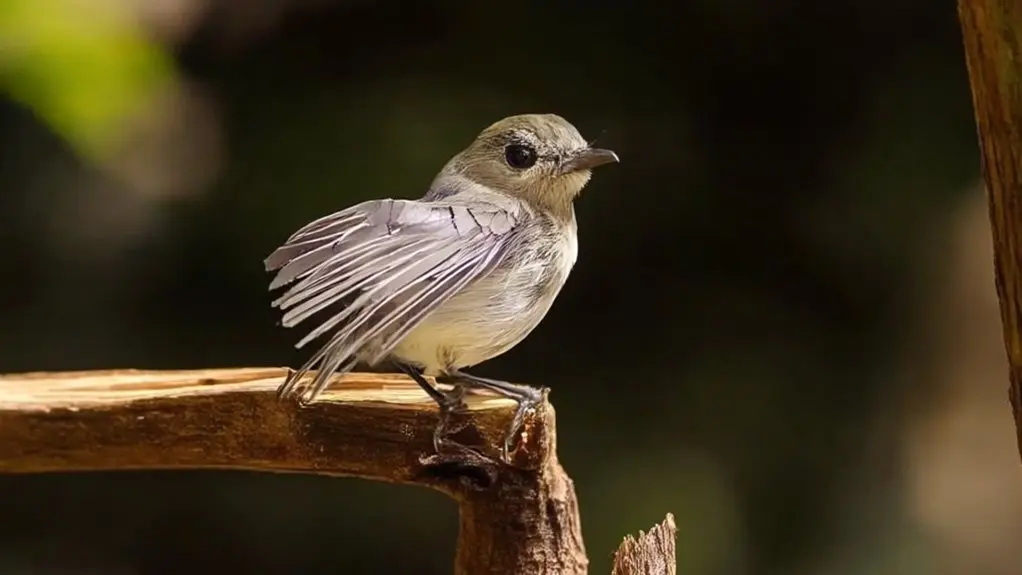
When you clip your bird’s wings, it loses the ability for sustained or upward flight because the outer primary feathers are trimmed to reduce lift. However, your bird can still manage short hops or glides indoors. They use wing flaps for balance and muscle exercise.
Over time, feathers regrow naturally, restoring flight. Improper clipping risks injury and stress, so trained professionals are recommended. It’s definitely better to have someone experienced handle this.
Understanding these effects will help you manage your bird’s safe movement and recovery effectively. It makes a big difference to know what to expect and how to care for your feathered friend.
How Wing Clipping Changes Your Bird’s Flight
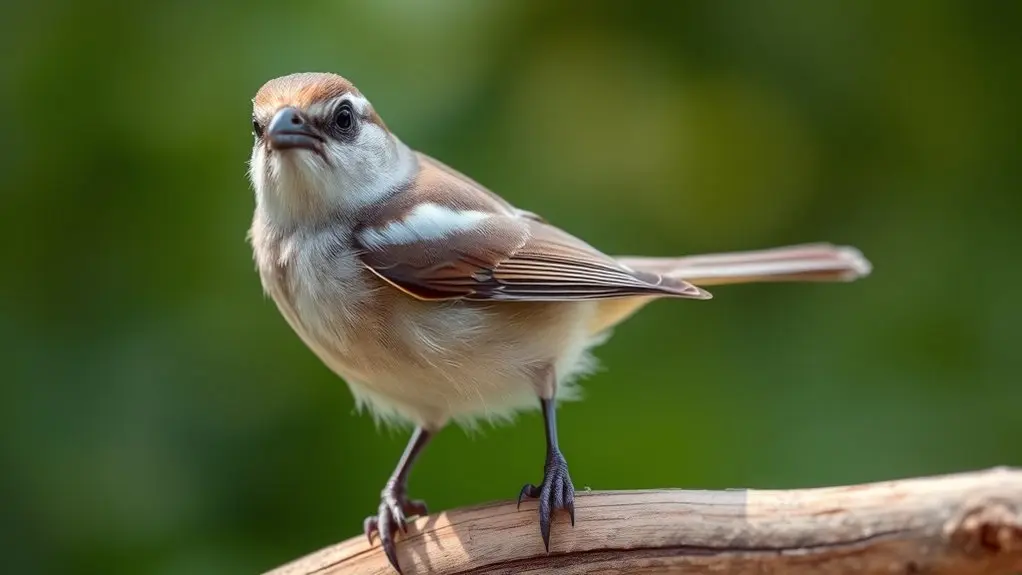
Although wing clipping doesn’t completely stop your bird from flying, it considerably reduces its ability to perform sustained or upward flight. By trimming primary flight feathers, you limit the bird’s lift capacity, restricting long-distance and high-altitude flight.
At the same time, it still allows short, controlled hops or glides.
This modification helps prevent injury during flight training by reducing risky, uncontrolled flights. Feather maintenance is vital after clipping, as feathers naturally regrow annually, restoring flight potential over time.
Proper care guarantees clipped feathers don’t become damaged or misaligned, which could affect flight mechanics. Understanding how wing clipping changes flight dynamics lets you manage your bird’s exercise and safety more effectively.
You can balance limited mobility with your bird’s natural instincts and controlled movement within confined spaces.
When Should You Clip a Young Bird’s Wings?
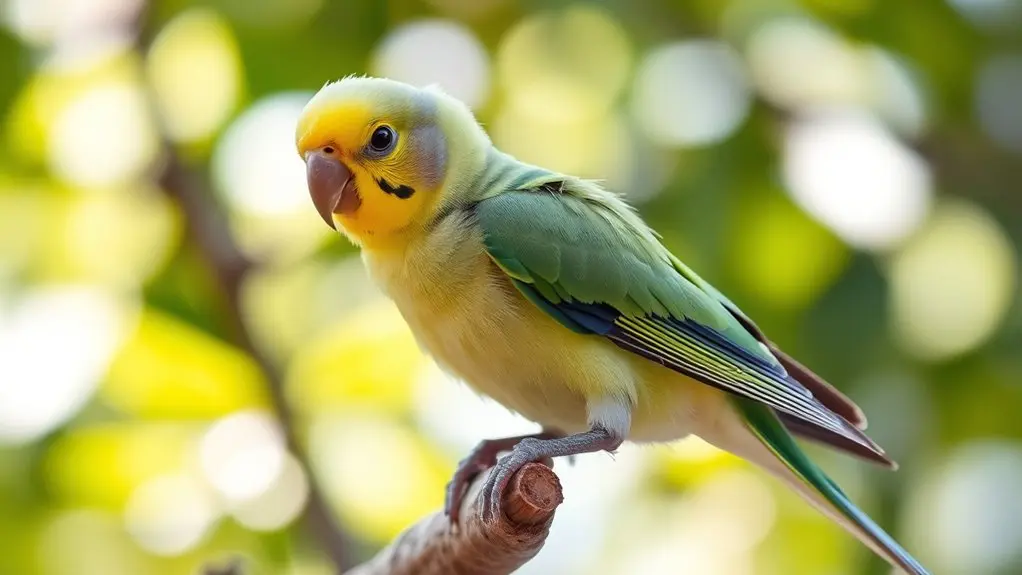
You should wait until your young bird has fully fledged and is consistently flying on its own before you clip its wings.
Clipping them too early can actually mess with how their muscles develop and might throw off their coordination and confidence.
So, it’s really best to let them get the hang of flying first.
That way, when you do clip their wings, they’ll have already built the skills they need to fly safely and effectively.
Ideal Fledging Age
When determining the ideal fledging age for wing clipping, it’s essential to allow young birds to develop full flying skills first. Premature clipping can disrupt feather molting cycles and interfere with natural nesting behaviors. This can lead to impaired coordination and confidence.
You should wait until the bird masters basic flying and landing to ensure safety and independence. It’s all about giving them the time they need to build strength and skill before any intervention.
| Species | Typical Fledging Age | Flight Skill Status | Recommended Clipping Time |
|---|---|---|---|
| Parakeets | 6-8 weeks | Basic flight proficiency | After full feather molting |
| Cockatiels | 8-10 weeks | Coordinated flight | Post nesting behavioral phase |
| Lovebirds | 7-9 weeks | Confident flyers | Post fledging flight practice |
| African Greys | 12-14 weeks | Advanced flight skills | Once fully independent |
Risks Of Early Clipping
How early is too early to clip a young bird’s wings? Clipping before full fledging disrupts natural flight development and confidence that are essential for survival. You risk impairing muscle memory and coordination, which are critical for proper landing techniques.
Since birds rely on instinctual behaviors linked to their nesting habits, premature clipping can interfere with these survival skills and cognitive growth. Also, bird color patterns often play roles in social signaling during flight practice, so early clipping may hinder natural learning processes.
It’s crucial to wait until your bird shows sufficient flying ability to build strength and coordination through natural flight experiences. This way, you support healthy development without compromising the bird’s motor skills or innate behaviors.
Early clipping can ultimately jeopardize a young bird’s long-term flight proficiency and well-being.
Flight Skill Development
Although wing clipping can be a useful tool for managing pet birds, it’s important to delay the procedure until the bird has naturally developed sufficient flight skills. You should allow the bird to fledge naturally, as this period is critical for coordination and confidence essential to flight.
Early clipping can impair feather health and cognitive growth, hindering natural skill acquisition.
Observe your bird during perch training and initial flights over several weeks to assess its proficiency and confidence. Only clip wings once the bird demonstrates stable flying ability and balanced feather condition.
This approach supports ideal neural development, muscle strength, and feather integrity, ensuring healthier, well-rounded flight skills.
Delaying clipping promotes better adaptation and avoids setbacks caused by premature restriction of natural behaviors.
Which Primary Flight Feathers Are Trimmed, and Why?
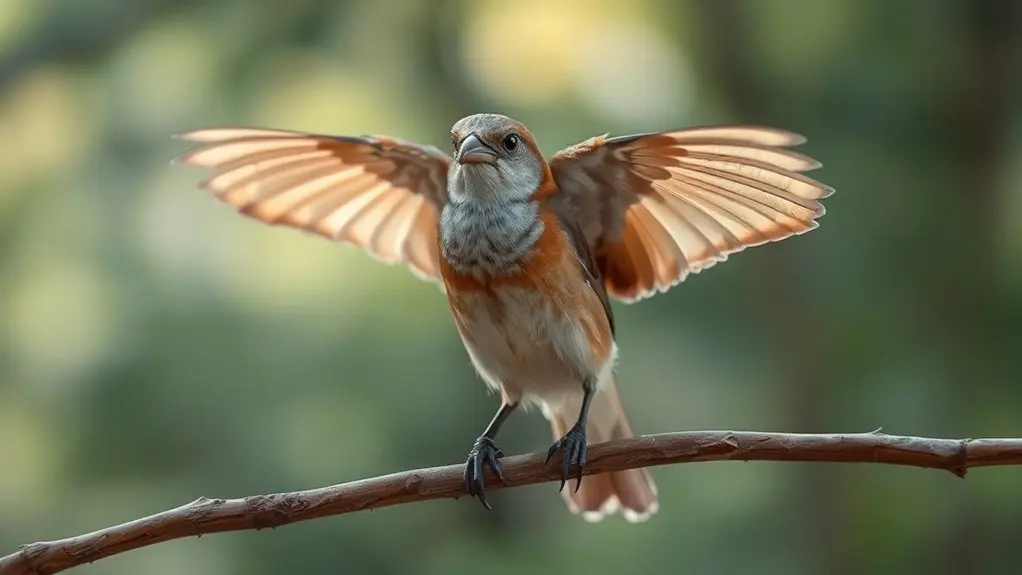
Why do avian caregivers selectively trim specific primary flight feathers? You trim these outermost feathers, typically 8 to 10 per wing, because they play a vital role in flight mechanics by generating lift and propulsion. By clipping only these long, stiff flight feathers at the quill tip, you reduce lift without compromising the wing’s structure or causing pain.
This selective trimming respects feather growth patterns and prevents damage to sensitive blood feathers, ensuring the bird’s safety.
| Feather Section | Purpose |
|---|---|
| Outermost Primaries | Generate lift and propulsion |
| Quill Tip | Trimmed to reduce lift |
| Blood Feathers | Avoided to prevent bleeding |
This method allows controlled gliding and safe landings while limiting sustained flight. It’s a smart way to keep birds safe and comfortable.
Can Clipped Birds Still Fly Indoors and Outdoors?
Even with clipped wings, birds still have some limited flight ability indoors. They mainly do short, controlled flights or gentle descents. Their feather colors stay bright, which helps with social bonding even if they can’t fly as much.
Clipped-wing birds maintain brief indoor flights and vibrant feathers, supporting social bonds despite limited flying.
When outside, clipped birds might use wind currents or training to get some partial flight going. Soaring, though, is usually out of the question. Here are some key things to keep in mind:
- Indoor flight is mostly short-range, like hopping or gliding rather than full-on wing flapping.
- How well they fly outside depends on how much their wings are clipped, their individual traits, and any training they’ve had.
- Birds can still keep up social bonds by adapting how they move without needing full flight.
- Always supervise your bird and make sure the outdoor area is secure to prevent escapes during flight attempts.
Knowing these details helps you keep your bird safe while letting them enjoy natural behaviors in a balanced way.
Risks and Injuries From Improper Wing Clipping
Understanding how clipped birds manage their flight indoors and outdoors highlights the importance of proper wing clipping techniques. Improper wing clipping risks damaging blood feathers, causing heavy bleeding and potential infection. You must avoid over-clipping or uneven trimming, as these impair a bird’s ability to land safely, increasing trauma risk.
Incorrect clipping can disrupt feather maintenance, leading to malformation, loss, or irritation. Balance issues from improper trimming cause falls, resulting in injuries like broken bones.
Clipping controversies often arise because improper methods provoke stress, triggering feather plucking and behavioral problems.
To minimize these risks, you should follow precise clipping protocols, ensuring feather integrity and bird safety. Proper technique balances restricting flight while preserving feather health, reducing injury and long-term complications.
It’s all about keeping your bird safe and comfortable.
How Wing Clipping Affects Bird Behavior and Health
Although wing clipping aims to restrict flight for safety, it can cause significant stress and anxiety in birds. This stress can change their behavior and overall health in noticeable ways. When you clip a bird’s wings, you might see changes in how they act.
Wing clipping may improve safety but often leads to stress and behavioral changes in birds.
For example, feather grooming can become a problem. Birds might excessively pluck or damage their feathers because they’re distressed. You might also notice changes in their perching habits. Clipped birds often struggle with balance, which affects how naturally they perch.
Another thing is dependence. Birds can become more reliant on you for movement and may lose confidence in flying. Plus, muscle development can be affected. Repeated clipping can weaken their flight muscles, which influences their long-term mobility.
All these effects mess with the bird’s well-being by disrupting natural behaviors that are important for their physical and psychological health. If clipping isn’t done properly, it can increase the risk of injuries and even self-mutilation. So, it’s really important to handle this carefully.
Knowing how wing clipping impacts birds helps you take better care of their welfare. You can keep them safe while managing their flight in a responsible way.
How Clipped Birds Adapt and Move Safely
You’ll notice that clipped birds adapt by shifting from full flights to more controlled hops and glides. This way, they keep moving safely without losing their balance.
They also flap their wings as a form of exercise, which helps them maintain muscle tone.
Over time, with practice, their coordination and confidence gradually improve.
When you understand these flight adaptation techniques, it becomes easier to support their safe navigation within their environment.
Flight Adaptation Techniques
When birds have their wings clipped, they quickly adjust by relying on hopping, climbing, and gliding with their remaining feathers and muscle strength. You’ll notice they engage in precise feather maintenance to keep their clipped feathers functional and healthy.
Flight simulation exercises help them build coordination and balance. Key adaptation techniques include:
- Utilizing leg strength and beak for controlled hopping and climbing.
- Gradual practice to refine landing confidence and spatial awareness.
- Environmental enrichment to stimulate muscle use without full flight.
- Patience through molting cycles, enabling partial flight recovery.
It’s pretty amazing how they manage to adapt so well, don’t you think?
Safe Movement Strategies
Since clipped birds have limited flight capability, they adapt by relying heavily on hopping, climbing, and controlled gliding to navigate their environment safely. You’ll notice they use their remaining wing muscles and body movements to compensate for reduced lift.
Providing proper environmental enrichment, such as strategically placed perches and toys, encourages confident movement and reduces stress. Because clipped birds depend more on their legs and body, ensuring a secure cage setup is essential to prevent injury.
With gradual training, you can help improve their coordination and confidence despite restricted flight. It’s important to monitor feather growth closely, as natural feather renewal plays a critical role in eventual flight restoration.
Understanding these safe movement strategies supports your bird’s well-being during the wing clipping period.
Safe Alternatives to Wing Clipping
Although wing clipping is a common method to restrict flight, several safe alternatives allow birds to exercise and develop their flying skills without permanent impairment. Understanding feather genetics and optimizing aviary design are essential for creating environments that promote natural flight behaviors.
Safe alternatives to wing clipping support natural flight and feather health through thoughtful aviary design and genetics.
You can implement these alternatives to guarantee your bird’s safety and well-being:
- Use large, secure aviaries or indoor flight areas designed to accommodate natural flight patterns.
- Train your bird to respond to commands, encouraging controlled flying without the need for clipping.
- Install bird-proof screens on windows and doors to prevent escapes while allowing free flight.
- Employ bird harnesses for supervised outdoor exploration, preserving flight ability without risking escape.
These methods provide scientifically sound, humane options that respect your bird’s natural capabilities. They’re a great way to keep your feathered friend happy and safe!
How to Train Your Bird to Fly Better After Clipping
You’ll want to focus on gradually building your bird’s wing strength through controlled flight exercises in a safe, enclosed space. Try encouraging short flights between perches or your hand.
Whenever your bird lands successfully, give it a treat—this helps boost their coordination and confidence.
Keep in mind, consistent practice and positive reinforcement are key. They not only improve muscle tone but also help ensure your bird lands safely and in a controlled way.
With a little patience, your bird will be flying better in no time!
Building Wing Strength
When training your bird to regain flight strength after wing clipping, introducing gradual flying exercises within a secure, enclosed space is essential. Focus on feather growth and targeted wing exercises to maximize muscle recovery.
Follow these steps:
- Allow your bird to complete molting before beginning flight training to ensure optimal feather growth.
- Encourage regular wing flapping to improve muscle tone and promote strength.
- Use target training to motivate active wing extension and controlled movement.
- Conduct consistent, short flying sessions paired with positive reinforcement to build endurance and confidence.
These precise, scientifically backed methods help your bird rebuild wing strength effectively.
This way, your bird can enjoy safer and more controlled flight after clipping.
Safe Flight Practice
Since clipped birds often hesitate or struggle with flight initially, implementing gradual, supervised flying sessions in a controlled environment is essential for rebuilding their confidence and coordination. Start with short flights to promote muscle development while carefully monitoring their movements.
Consistent feather maintenance ensures the clipped wings remain in prime condition, preventing uneven flight dynamics. Additionally, regular beak trimming supports overall health and helps with balance during flight attempts.
Use positive reinforcement and target training to encourage precise movements and improve spatial awareness. Keep the training area free of obstacles to minimize injury risk.
With patience and steady practice, your clipped bird will regain flying competence, enhancing strength and coordination over time while keeping safety a top priority throughout the process.
Encouraging Controlled Landings
How can you effectively train your clipped bird to execute controlled landings? Begin by integrating flight therapy focused on precision and confidence. Consistent feather maintenance is vital to guarantee optimal aerodynamic function despite clipped wings.
Follow these key steps: Use positive reinforcement with treats to encourage flying towards you, reinforcing controlled landings. Conduct short, supervised flights in a safe environment to build your bird’s landing accuracy.
Employ target training techniques to teach precise landings on your hand or a perch. Maintain patience and offer consistent encouragement to promote gradual improvement.
This structured approach supports your bird’s motor skills and confidence, enhancing its ability to land safely and accurately after wing clipping. Just take it one step at a time, and you’ll see progress!
Why It’s Safer to Let a Pro Clip Your Bird’s Wings
Although wing clipping might seem straightforward, letting a professional handle it considerably reduces the risk of injury to your bird. Professionals precisely trim specific flight feathers, preserving ideal feather growth and maintaining sufficient flight endurance.
Their expertise ensures even cuts, preventing uneven trimming that can impair flight balance or cause harm. They skillfully avoid blood feathers, minimizing bleeding and pain. Using proper tools and techniques, they reduce stress and trauma during the procedure.
This controlled approach safeguards your bird’s ability to land safely and comfortably. Attempting wing clipping without experience risks damaging feathers critical for controlled flight and can hinder natural feather regeneration.
Frequently Asked Questions
How Often Do Clipped Feathers Need to Be Trimmed or Replaced?
You’ll need to trim clipped feathers every few months, especially during feather regrowth after molt. Clipping frequency depends on your bird’s individual molt cycle and health.
It’s important to keep an eye on them regularly to maintain effective wing clipping. That way, you won’t accidentally damage new feathers as they come in. Just stay consistent with checking and trimming when needed.
Can Wing Clipping Affect a Bird’s Ability to Regulate Body Temperature?
No, wing clipping doesn’t affect your bird’s temperature regulation. Feather insulation remains intact, so your bird still maintains body heat efficiently.
Clipping impacts flight, but feather arrangement continues supporting essential temperature control processes. So, you don’t have to worry about your bird getting too cold or too hot just because its wings are clipped.
What Tools Are Best for Clipping Bird Wings Safely at Home?
For safe bird grooming and feather trimming at home, use sharp, sterilized bird wing trimming scissors. Avoid household scissors to prevent feather damage. Make sure you have good lighting and a stable place to work.
It’s also a good idea to check in with an avian specialist for tips on the right techniques. They can help you feel more confident and keep your bird safe during the process.
Are Certain Bird Species More Suited for Wing Clipping Than Others?
Yes, you’ll find species with strong wings and natural flight tendencies better suited for wing clipping. This is because they allow controlled feather replacement and flight recovery.
Larger birds may struggle more with wing clipping. On the other hand, smaller ones usually adapt well with proper care and training. It’s all about understanding their specific needs and habits.
How Does Wing Clipping Impact a Bird’s Lifespan or Overall Health?
You might notice subtle behavioral changes after flight restriction. Stress or anxiety can emerge in some birds.
Though clipping doesn’t directly shorten lifespan, improper care or repeated clipping can cause injuries. It might also lead to muscle loss and compromised health. These issues impact your bird’s overall well-being.
Conclusion
If you think clipped wings turn your bird into a grounded couch potato, think again! While wing clipping limits full flight, your bird still navigates indoors and adapts remarkably well.
However, improper clipping can cause serious injuries, so precision is non-negotiable. Only a trained professional can trim those primary feathers safely, making sure your bird’s balance and mobility stay intact.
Remember, wing clipping isn’t a flight ban. It’s a science-backed way to keep your feathered friend safe and agile.