
You can’t spay or neuter birds like dogs or cats because their reproductive organs are hidden deep inside. This makes surgery highly invasive and risky.
Procedures like ovary removal or vasectomy are rarely done except for medical reasons. They carry serious risks and often don’t change behaviors like aggression or crowing.
Safer, non-surgical approaches that focus on environment and behavior are usually better. If you want to understand what truly works to manage bird reproduction and behavior, keep exploring further.
Why You Can’t Spay or Neuter Birds Like Dogs and Cats
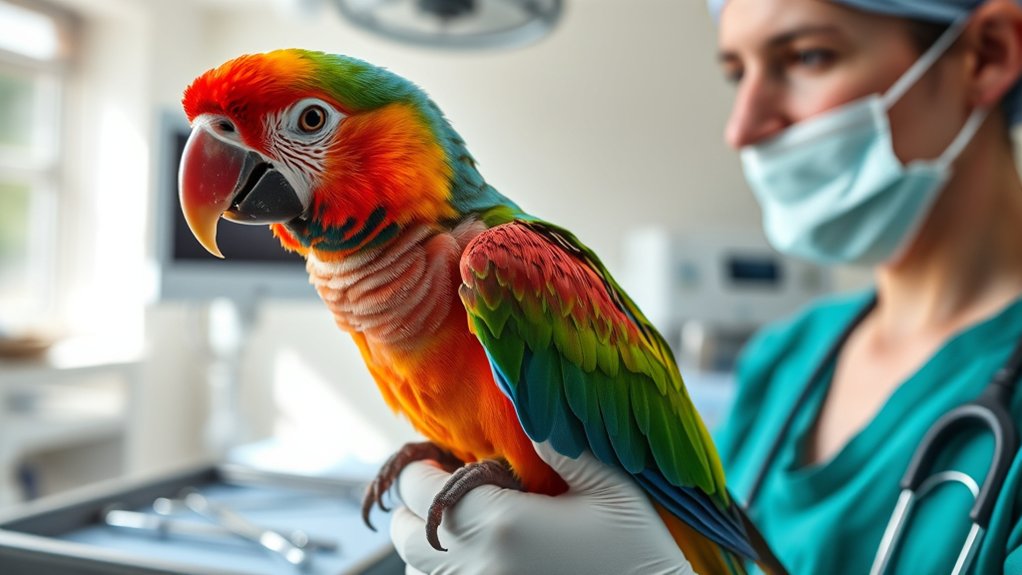
Although spaying and neutering are common and straightforward procedures for dogs and cats, you can’t apply the same approach to birds because their reproductive systems are fundamentally different.
Birds have internal ovaries and testes, unlike mammals that possess external reproductive organs. This internal anatomy makes surgical removal or sterilization highly invasive and technically challenging, often requiring deep coelomic surgery.
There are no standardized or practical surgical methods to sterilize birds permanently without significant risks. Attempting such surgeries can jeopardize your bird’s health and well-being.
Ethical concerns also weigh heavily because the benefits don’t outweigh the dangers involved.
Understanding these differences helps you appreciate why bird sterilization isn’t as simple or safe as it’s for dogs and cats. It also emphasizes the need for alternative approaches to managing avian reproductive behaviors.
Surgical Options for Avian Sterilization in Male and Female Birds
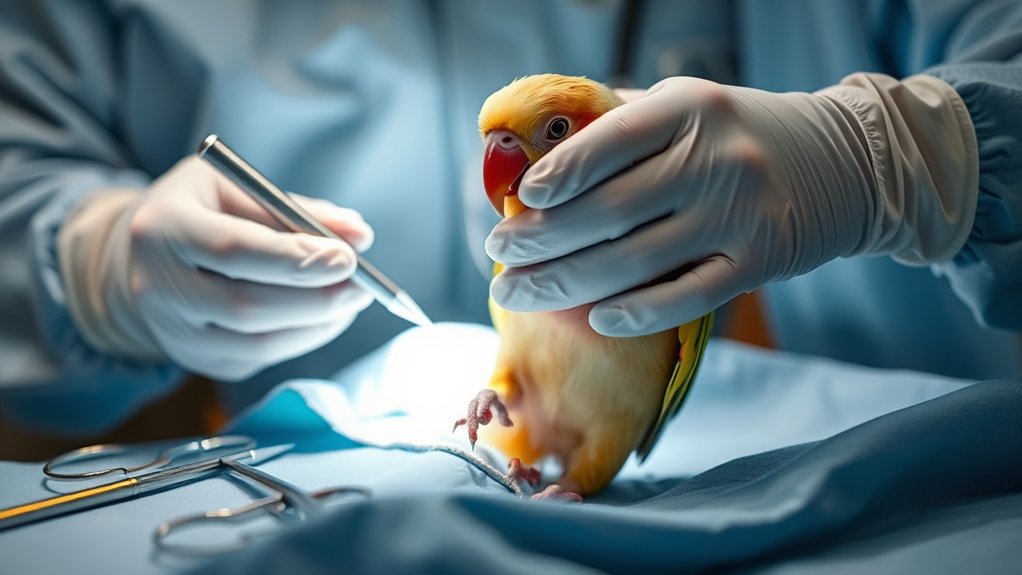
When it comes to surgical sterilization for your bird, the options can be quite different depending on whether you have a male or a female.
For males, procedures like vasectomy are available. These can reduce fertility but usually don’t affect hormone levels, which is a plus.
Now, for females, things get a bit more complicated. The surgeries tend to be more involved and carry higher risks.
So, it’s important to understand these differences well.
Knowing this can really help you make informed choices that prioritize your bird’s health and overall well-being.
Male Bird Sterilization
If you’re considering sterilization for a male bird, vasectomy is the primary surgical option available. This procedure involves cutting the ductus deferens to block sperm from reaching the cloaca without altering hormone levels or behaviors.
It’s important to know that both vas deferens must be completely severed for effectiveness.
Residual sperm can remain up to six months after surgery. So, it takes some time before the procedure fully works. Also, hormone-driven behaviors like crowing and aggression usually continue unchanged.
There are risks involved, including anesthesia complications, incomplete severing, and possible reconnection that could restore fertility.
Vasectomy offers a way to control fertility while preserving your bird’s natural behaviors.
However, you should definitely consult an experienced avian vet to minimize risks and monitor recovery carefully. This approach respects your bird’s health and well-being throughout the process.
Female Bird Surgical Options
Because female birds naturally lay eggs, spaying through ovary removal isn’t a practical or common option. Unlike in mammals, removing a bird’s ovaries (ovariectomy) is highly invasive, risky, and rarely performed.
Instead, surgical intervention for females usually addresses serious medical issues like ovarian cysts or tumors, not routine sterilization.
You’ll find that managing reproductive behaviors in female birds typically relies on environmental changes and behavioral strategies rather than surgery.
If you’re concerned about your bird’s reproductive health or behaviors, it’s best to consult an avian veterinarian who can recommend safe, effective alternatives.
Surgery is reserved strictly for severe conditions, making sure your bird’s welfare stays the priority while avoiding unnecessary risks.
Risks and Ethical Concerns of Bird Sterilization Surgery
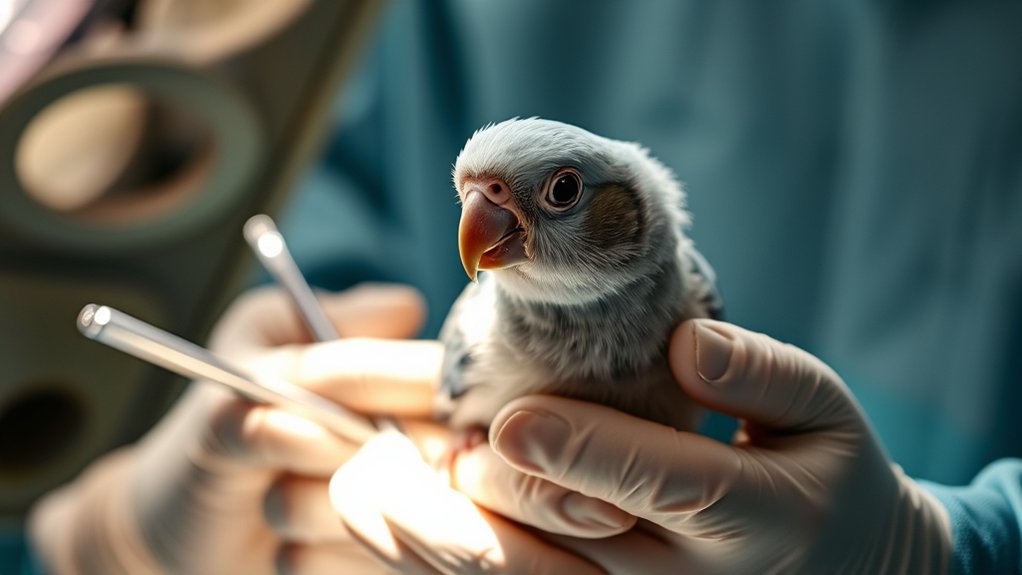
Although spaying and neutering are common in many pets, these procedures carry significant risks and ethical concerns when it comes to birds. You should know that bird sterilization surgery is rarely done because it’s invasive and complex. Birds’ reproductive organs are hard to access, making surgery risky.
When considering these procedures, keep in mind the high risk of anesthesia complications and bleeding. It’s also difficult to ensure complete sterilization.
Plus, there are ethical concerns about performing surgery solely for population control.
Many vets prefer egg removal as a safer alternative. Surgical intervention should focus on treating medical issues, not behavior control.
Hormonal and Chemical Treatments’ Effects on Bird Behavior
When managing challenging bird behaviors, hormonal treatments like deslorelin implants can help temporarily suppress actions such as crowing and territorial aggression. However, these treatments aren’t permanent solutions. They require repeated applications to maintain their effects.
While hormonal therapy may reduce certain behaviors, it doesn’t change your bird’s underlying instincts or natural programming.
Over time, relying on these treatments can become costly and impractical for long-term behavior management.
It’s important to note that chemical castration options such as Lupron or Suprelorin are illegal for poultry and aren’t approved or considered safe for avian use.
If you’re considering hormonal treatments, weigh the temporary benefits against the financial and ethical implications.
Always consult an avian veterinarian to ensure your bird’s well-being.
Non-Surgical Strategies for Managing Avian Breeding Behavior
If you want to manage your bird’s breeding behavior without surgery, several non-surgical strategies can help. These approaches focus on modifying behavior and controlling hormonal triggers to reduce reproductive instincts effectively.
You can try the following: use behavioral training like positive reinforcement to redirect mating urges. Control diet by limiting high-calorie treats to regulate hormones. Remove nesting materials to discourage breeding behavior. Encourage physical activity and provide natural sunlight to balance hormone levels.
Regular vet check-ups are essential to monitor your bird’s health and adjust strategies accordingly. These compassionate, non-invasive methods require patience but can markedly improve your bird’s well-being and reduce unwanted breeding behaviors.
Environmental Changes That Help Prevent Egg-Laying and Mating
Since environmental factors strongly influence your bird’s reproductive behaviors, making specific changes can effectively reduce egg-laying and mating instincts. Limit daily light exposure to 8-10 hours by covering the cage; this cuts hormonal triggers.
Remove all nesting materials like nestboxes, huts, or large bowls to prevent breeding behaviors.
Avoid shreddable items such as paper or cardboard to reduce nest-building urges.
Moving the cage weekly or when you notice nesting behaviors disrupts territorial and mating cues, keeping your bird less focused on reproduction.
Additionally, if your bird sits on food bowls, remove them and offer small, infrequent portions of fresh food to diminish breeding-related activity.
These environmental adjustments work compassionately, helping your bird feel secure while naturally reducing reproductive drives without invasive procedures.
Why Behavior Modification Works Best for Aggressive Birds
You’ll find that understanding what triggers your bird’s aggression is really the key to managing it well. Instead of jumping straight to surgery, it’s better to focus on training and making their environment more enriching.
This way, you’re actually addressing their needs and feelings, which helps reduce those unwanted behaviors. Plus, this approach doesn’t just improve their behavior—it also helps strengthen the bond between you and your bird over time.
Understanding Aggression Triggers
Although hormones play a role in bird aggression, environmental triggers like territory, nesting, and mating behaviors often have a stronger impact on how your bird acts.
Recognizing these triggers helps you address aggressive behavior more effectively through behavior modification rather than surgery.
Key triggers to watch for include:
- Defending territory or personal space
- Protecting nests or eggs
- Responding to sudden movements
- Reacting to specific locations or objects
Training Over Surgery
Recognizing what sparks your bird’s aggression opens the door to effective behavior modification techniques that often surpass surgical options.
By identifying and addressing triggers through positive reinforcement and targeted training, you can reduce aggressive behaviors without invasive procedures.
Surgery rarely changes innate behaviors driven by genetics and hormones, so it often fails to provide lasting solutions.
Instead, consistent behavior management helps you reshape your bird’s responses while minimizing risks.
Understanding and adjusting environmental factors and social interactions play a vital role in this process.
This allows you to create a supportive setting that discourages aggression.
When you invest time in training and behavior modification, you empower your bird to thrive peacefully.
That makes surgery a less necessary and less desirable choice.
Environmental Enrichment Benefits
When you enrich your bird’s environment with natural toys, varied habitats, and foraging opportunities, you provide essential mental and physical stimulation that helps curb aggressive behaviors. This approach redirects negative tendencies into positive, natural actions.
You’ll notice your bird engages more in behaviors like climbing and exploring, which reduces frustration.
Consistent modifications also create safe, low-stress spaces that support emotional well-being. Environmental enrichment offers a humane alternative to surgery, promoting long-lasting improvements.
Consider incorporating naturalistic toys to encourage problem-solving. Foraging challenges can simulate wild behavior, and varied perches and habitats help stimulate exploration.
Don’t forget to add quiet, secure zones to reduce stress.
Frequently Asked Questions
How Can I Tell if My Bird Is Fertile or Infertile?
You can tell if your bird is fertile by watching for mating behaviors or by consulting a vet. They might run tests like checking hormone levels or doing a semen analysis.
Keep in mind, just because your bird lays eggs doesn’t mean they’re fertile. So, getting a professional evaluation is usually the best way to know for sure.
What Are the Signs My Bird Is Ready to Breed?
When Bella, my cockatiel, started fiercely guarding her favorite corner and collecting twigs, I knew she was ready to breed. You’ll notice similar nesting behaviors, increased vocalization, and territorial aggression signaling your bird’s breeding readiness.
These signs show your bird is getting ready to start a family. It’s pretty natural for them to act a bit more protective and vocal during this time. Keep an eye out for these behaviors—they’ll help you understand what your bird needs.
Can Diet Influence My Bird’s Reproductive Behavior?
Yes, you can influence your bird’s reproductive behavior through diet. By providing balanced nutrition low in calcium, protein, and phytoestrogens, you’ll help reduce hormonal triggers and manage breeding instincts compassionately and effectively.
It’s all about giving your bird what it needs without overloading those hormones. So, adjusting their diet can really make a difference in how they act during breeding season. Just keep an eye on what they’re eating and tweak as needed.
How Often Do Birds Typically Lay Eggs in Captivity?
You’ll see birds laying eggs every 2 to 4 days, or sometimes in clutches of 3 to 8.
You can manage this by adjusting lighting, diet, and environment to help reduce their frequency compassionately. It’s all about finding the right balance to keep them healthy and comfortable.
Are There Any Bird Species That Can Be Safely Sterilized?
You can safely sterilize some birds like peacocks and turkeys through procedures like vasectomy.
But full spaying or neutering isn’t common or safe for most species. Their delicate anatomy and high surgical risks make those procedures tricky.
Conclusion
You might be surprised to learn that only about 5% of bird owners opt for surgical sterilization because of the high risks involved. Instead, managing behavior through environmental changes and hormone treatments is often safer and more effective.
Remember, birds respond best to compassionate, non-invasive care. By focusing on behavior modification, you’ll help your feathered friend stay healthy and happy without unnecessary stress or complications.