
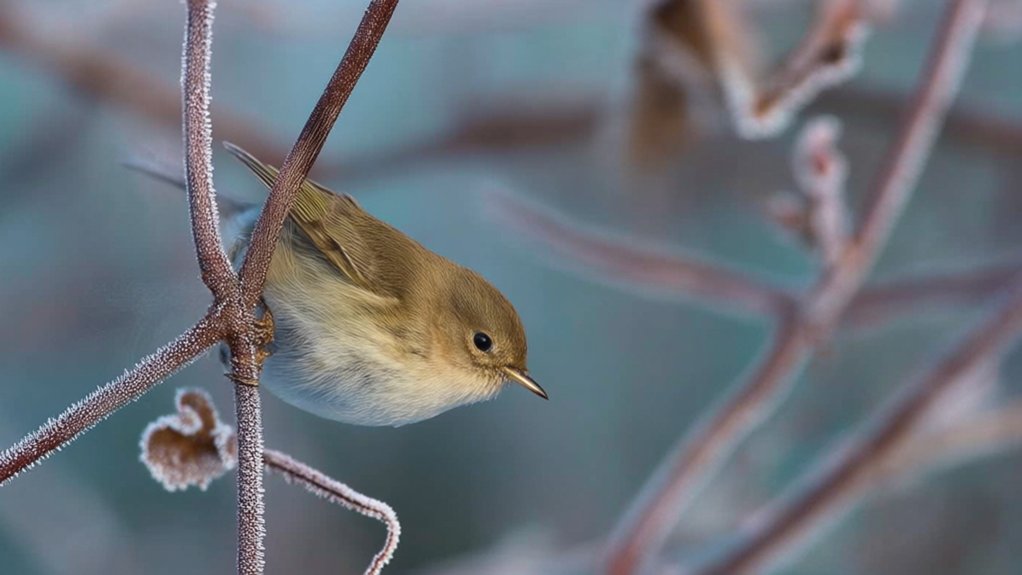
You can’t catch a human cold from birds because their viruses are species-specific and can’t infect bird cells. However, birds can develop respiratory infections from bacteria, fungi, or other viruses that mimic cold symptoms like sneezing, nasal discharge, and lethargy.
Good hygiene and careful nasal cleaning help prevent complications. If your bird shows persistent or severe symptoms, seek veterinary care promptly.
Understanding the differences and proper care is key to protecting your feathered friend’s health. Just keep an eye on your bird and don’t hesitate to get help if something seems off.
Reasons Birds Don’t Catch Human Colds
Although it might seem possible for birds to catch human colds, these viruses are species-specific and can’t infect avian respiratory systems. Human cold viruses, like rhinoviruses, rely on cellular mechanisms unique to mammals, which bird cells lack. Because these viruses can’t replicate in bird cells, transmission from humans to birds doesn’t occur.
Instead, birds face respiratory illnesses caused by pathogens specific to avian species, including certain bacteria, viruses, and fungi. Your bird’s immune system is well-adapted to resist human cold viruses, which further reduces any risk.
While practicing good hygiene is important to minimize cross-species contamination, scientific evidence shows the probability of your bird catching a human cold is extremely low. This species barrier protects birds from the common cold viruses that affect humans.
Common Signs of Respiratory Infection in Birds
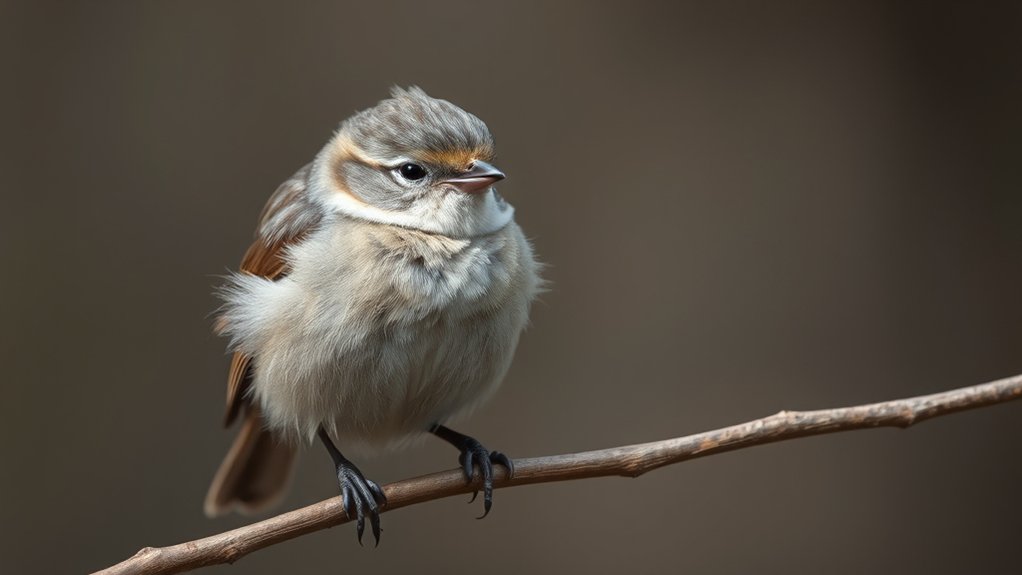
While human colds rarely affect birds, avian respiratory infections remain a significant health concern. You should watch for sneezing, nasal discharge, and mucus buildup around your bird’s nostrils. Fluffed feathers despite moderate temperatures and tail bobbing during breathing indicate respiratory distress.
Abnormal droppings, like runny or foul-smelling feces, may signal illness. Lethargy, disinterest in activities, and lack of grooming are also common signs. Listen for wheezing, clicking, or raspy breathing sounds.
| Symptom | Description | What to Look For |
|---|---|---|
| Sneezing & Nasal Discharge | Mucus around nostrils | Clear or colored nasal discharge |
| Feather Fluffing | Feathers puffed up unusually | Despite normal temperature |
| Tail Bobbing | Movement of tail during breathing | Labored or irregular breathing |
| Droppings | Changes in feces | Runny, foul-smelling |
| Audible Breathing | Wheezing or clicking sounds | Raspy or abnormal respiratory noise |
Differences Between Viral, Bacterial, and Fungal Bird Colds
You’ll notice that viral infections usually cause milder symptoms. They often come with minimal nasal crusting and clear discharge.
On the other hand, bacterial colds tend to produce yellowish discharge and crusts. If these aren’t treated, they can even cause tissue damage.
Then there are fungal infections, like aspergillosis. These typically lead to mucus buildup and respiratory distress, so they need specialized antifungal treatment.
Viral Versus Bacterial
Because viral, bacterial, and fungal infections affect birds differently, correctly identifying the cause of a bird cold is essential for effective treatment.
Viral infections usually cause mild symptoms like sneezing and clear nasal discharge. These typically resolve within 7-10 days without any intervention.
In contrast, bacterial infections often produce more severe signs, including thick, yellowish nasal secretions, crusting, and potential tissue erosion. If left untreated, bacterial infections can permanently damage nasal tissues and lead to deformities.
So, you should monitor symptom severity closely because bacterial cases require prompt antibiotic treatment to prevent complications.
While fungal infections also impact respiratory health, their management differs and will be discussed separately.
Understanding whether your bird’s cold is viral or bacterial helps you choose the right care approach. This improves recovery chances and reduces the risk of long-term harm.
Fungal Infection Signs
Recognizing fungal infections in birds means paying close attention to symptoms that are different from viral and bacterial colds. Fungal infections like aspergillosis often cause thick, discolored nasal discharge and crusting around the nostrils. This is unlike the clearer mucus you usually see with viral colds.
These infections develop slowly, with persistent nasal discharge and breathing difficulties. You might also notice the bird looking dull and unpreened, which is a sign it’s struggling.
It’s important to know that fungal infections aren’t treated with antibiotics like bacterial infections are. Instead, they need specific antifungal medications.
If left untreated, fungal infections can cause permanent damage to nasal tissue. This can lead to deformities or long-term respiratory problems.
Hygiene Tips to Prevent Bird Colds
When handling your bird, always wash your hands thoroughly with soap and water. This helps prevent transferring harmful bacteria and viruses. Avoid sharing food, drinks, or utensils to keep saliva-based bacterial transmission at bay.
Disinfect cages, toys, and feeding dishes regularly to limit environmental pathogens. Keeping the living area clean and free from dust, mold, and airborne irritants is also important. These irritants can impair your bird’s respiratory health.
During illness episodes, try to limit close contact with your bird. Maintaining good personal hygiene is key to protecting your feathered friend.
| Hygiene Action | Purpose | Frequency |
|---|---|---|
| Handwashing | Prevents bacteria/virus transfer | Before handling |
| Disinfecting cages/toys | Reduces environmental pathogens | Weekly |
| Cleaning living area | Removes irritants and allergens | Daily |
Safe and Comfortable Ways to Clean Your Bird’s Nose
You should gently clean your bird’s nostrils using a small, disinfected tissue tip. This helps avoid injury and carefully removes any mucus.
Before you start cleaning, it’s a good idea to use a safe, low-heat or humid environment to loosen any discharge. Just be careful not to push debris deeper into the nasal passages.
Keep an eye out for any persistent blockage or crusting. If the symptoms get worse or don’t improve, it’s best to seek veterinary help.
Your bird’s health is important, so don’t hesitate to get professional advice when needed.
Gentle Nose Cleaning
How can you safely clear your bird’s nostrils without causing discomfort or harm? Use a small, rolled, disinfected tissue to gently absorb mucus from each nostril. Lightly insert the tissue tip for a few seconds to remove crusts and mucus buildup, which helps promote clear breathing.
Always clean your hands thoroughly beforehand and make sure the tissue is disinfected to avoid introducing bacteria or fungi. Apply minimal pressure to prevent injuring your bird’s delicate nasal tissues.
Performing this gentle cleaning regularly can alleviate congestion and support respiratory health, especially during illness or mucus buildup.
Safe Cleaning Materials
Although cleaning your bird’s nostrils is essential for maintaining respiratory health, selecting safe and comfortable materials is just as important. You want to avoid irritation or injury while you’re at it. Use sterile, disinfected rolled tissue strips about 2-3 cm long to gently remove mucus without pushing it deeper.
Avoid harsh chemicals or household disinfectants near your bird’s sensitive nasal tissues. These can cause irritation and make things worse. Warm, damp cloths work well to soften and carefully wipe mucus around the beak and nostrils.
Always choose cleaning materials free from fragrances, dyes, or toxic substances. This helps prevent allergic reactions and keeps your bird safe.
Regular, gentle cleaning with these safe materials helps prevent nasal blockages and lowers the risk of secondary respiratory infections.
Doing this supports your bird’s overall health effectively and comfortably. It’s all about being gentle and cautious while keeping your feathered friend happy and healthy.
When To Seek Help
Maintaining your bird’s nasal hygiene with safe, gentle methods helps prevent complications, but knowing when to seek professional help is just as important. Use a rolled, disinfected tissue to carefully absorb mucus from your bird’s nostrils. Be sure to avoid pushing it deeper.
Always clean your hands before touching your bird’s beak or nostrils to reduce the risk of infection. Keep the cleaning brief and calm to minimize stress and discomfort.
Try to do this in a warm, quiet, draft-free space to support comfortable breathing.
If mucus persists after cleaning or your bird shows signs of respiratory distress, like labored breathing, wheezing, or lethargy, contact a veterinarian promptly.
Early intervention helps ensure proper diagnosis and treatment. This can prevent potential complications in your bird’s respiratory health.
When to Seek Veterinary Care for Bird Cold Symptoms
If your bird shows persistent sneezing, nasal discharge, or labored breathing, you should seek veterinary care immediately. These symptoms may signal a serious respiratory infection. Early diagnosis by an avian veterinarian is crucial to prevent disease progression and reduce long-term damage.
Avoid using over-the-counter medications without professional guidance because they can actually make the condition worse.
Watch for these signs that mean it’s time to get prompt veterinary help:
- Tail bobbing during breathing, which shows respiratory distress.
- Nasal crusts or discharge, suggesting infection.
- Lethargy or reduced activity, which can reflect systemic illness.
While you’re waiting for the assessment, isolate your bird in a warm, quiet spot. This helps minimize stress and reduces the risk of spreading any infection.
Getting quick veterinary care ensures your bird gets the right treatment and improves their chances of making a full recovery.
Diseases That Mimic Bird Cold Symptoms and What to Watch For
Recognizing when your bird’s symptoms go beyond a simple cold can be challenging because several diseases mimic cold-like signs such as nasal discharge and sneezing. Bacterial infections, sinusitis, and mycoplasma often cause swelling and discharge around the sinuses, closely resembling respiratory illness.
Identifying when your bird’s cold symptoms indicate a more serious infection can be difficult due to similar signs.
Viral infections typically resolve within 7-10 days but can present similarly.
Fungal infections like aspergillosis lead to mucus buildup and nasal crusting, which also look like cold symptoms but require antifungal treatment.
Since these conditions share overlapping signs, you can’t rely on symptoms alone. It’s essential to consult an avian veterinarian for an accurate diagnosis and targeted treatment.
Monitoring symptom duration, severity, and any unusual signs, such as persistent nasal crusting or swelling, helps determine when a simple cold has progressed to a more serious disease.
Frequently Asked Questions
Can Bird Colds Affect Their Ability to Fly?
Yes, bird colds can impair their flight by causing respiratory congestion, reducing lung capacity, and inducing fatigue. You’ll notice their stamina and coordination decline until they fully recover and regain normal breathing and strength.
It’s kind of like when we catch a cold and feel tired or out of breath. Birds need strong lungs and good energy to fly well, so any sickness really slows them down. They usually bounce back once they’re better.
Do Different Bird Species Show Cold Symptoms Differently?
Yes, different bird species show cold symptoms differently. You’ll notice parrots exhibit nasal discharge. Cockatoos display sneezing and tail bobbing.
Small songbirds often hide illness signs, so it might be harder to tell when they’re sick. Waterfowl, on the other hand, present mucus and breathing difficulties. Each bird species has its own way of showing they’re not feeling well.
How Long Does a Bird Cold Typically Last?
You’d think bird colds last forever, but they usually clear up in 7 to 10 days with proper care. Viral infections tend to resolve quicker.
On the other hand, untreated bacterial ones can drag on for weeks. So, it’s important to act fast and stay vigilant.
Can Bird Colds Be Transmitted to Other Pets?
Bird colds rarely transmit to other pets because avian respiratory viruses differ from those affecting mammals. Still, you should practice good hygiene and avoid close contact to prevent spreading bird-specific infections between animals.
It’s always better to be safe, right? Keeping things clean and giving your pets some space can go a long way in stopping any potential spread. So, even though the risk is low, a little caution helps everyone stay healthy.
Are There Natural Remedies to Help Birds Recover From Colds?
You can’t cure bird colds naturally, but you should keep their environment warm and stress-free. Providing a vitamin-rich diet is important too. Using humidifiers can help ease their breathing.
Also, saline drops can be applied cautiously, but only under veterinary advice. These steps support their recovery and make them more comfortable while they heal. Just remember, patience and care go a long way!
Conclusion
Imagine your bird’s gentle chirps muffled by a stuffy, irritated nose. While birds don’t catch human colds, they can suffer from their own respiratory infections caused by viruses, bacteria, or fungi.
By recognizing subtle signs and maintaining strict hygiene, you protect your feathered friend’s health. Clean their nostrils carefully and seek veterinary advice promptly when symptoms worsen.
Staying vigilant guarantees your bird’s bright eyes and clear songs remain a sign of well-being, not illness. Keep an eye out and your bird will keep on singing happily.