
You don’t need to worry about your bird catching a cold from you, since human cold viruses rarely infect birds due to species-specific differences. Birds have their own respiratory viruses that differ from human ones, and their immune systems are well-equipped to fight off human germs.
However, illnesses and stress in people can indirectly affect your bird’s health. Practicing good hygiene and limiting close contact with sick individuals helps protect your pet. It’s a simple way to keep your bird safe and healthy.
So, take a few precautions and enjoy your time with your feathered friend. Explore how to safeguard your bird’s health effectively.
Can Birds Catch a Cold From Humans?
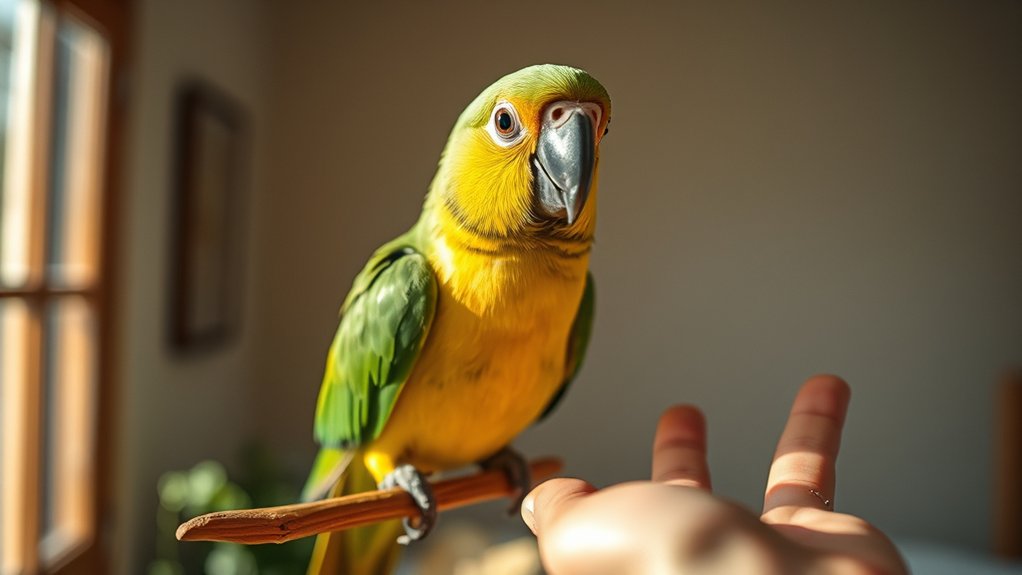
Although it’s natural to worry about passing your cold to a pet bird, birds are highly unlikely to catch colds from humans because their respiratory viruses are species-specific.
Most human respiratory viruses, including common cold and flu strains, can’t infect birds due to significant differences in viral structures and the birds’ immune defenses. Their immune systems effectively protect them against most human diseases, making cross-species transmission rare.
That said, there’s a minimal risk if you have close contact with your bird while you’re sick. So, it’s a good idea to practice proper hygiene. Wash your hands thoroughly and avoid contact with your bird’s saliva or mucus.
These simple steps help keep your bird healthy while you recover. They make sure your pet doesn’t get unnecessary exposure to human pathogens.
How Bird Colds Differ From Human Colds
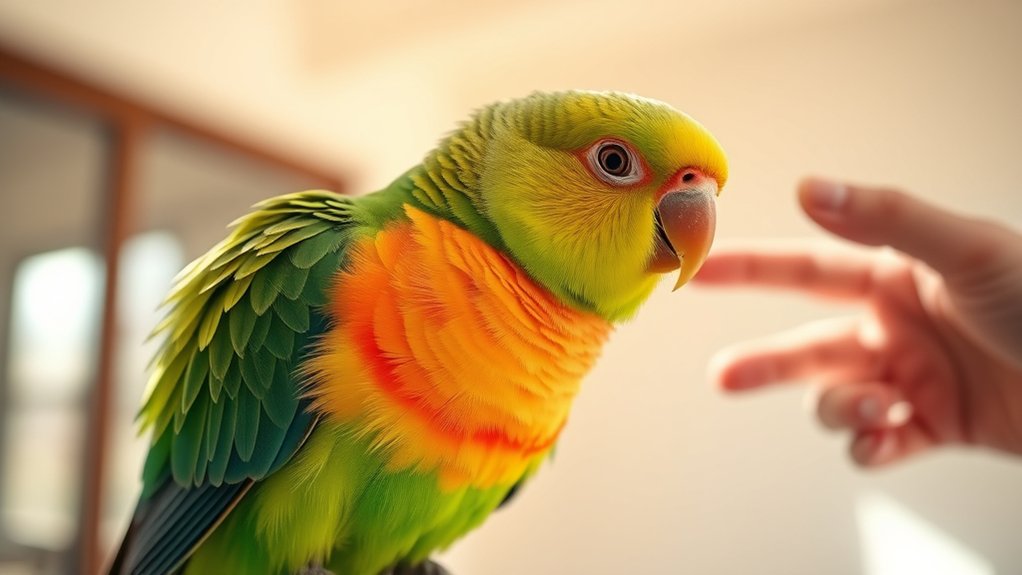
You should know that bird colds are caused by viruses, bacteria, or fungi that are specific to birds. These are quite different from the rhinoviruses and influenza viruses that cause colds in humans.
Human cold viruses tend to be species-specific, so they rarely infect birds because their immune systems respond differently. That’s why, even though birds and humans might show similar symptoms, the respiratory illnesses come from different types of germs.
Bird Cold Causes
Because bird colds stem from avian-specific viruses and bacteria, they differ substantially from the common colds humans experience. You’ll notice birds don’t catch human cold viruses like rhinoviruses or influenza. Instead, their respiratory illnesses arise from distinct avian pathogens.
Although symptoms like sneezing and nasal discharge may look similar, the underlying causes are unique to birds.
| Aspect | Bird Colds | Human Colds |
|---|---|---|
| Pathogens | Avian-specific viruses and bacteria | Rhinoviruses, influenza |
| Transmission | Primarily avian-to-avian | Human-to-human |
| Cross-species Risk | Highly unlikely | Not applicable |
Understanding these differences helps you realize why colds don’t transfer between you and your birds.
Human Versus Bird Viruses
When comparing human and bird colds, it’s important to recognize that the viruses responsible are fundamentally different. You should understand that human cold viruses like rhinoviruses and coronaviruses don’t infect birds.
Likewise, birds carry their own respiratory viruses, such as avian influenza and paramyxoviruses, which don’t affect humans. Here’s what you need to know:
- Human cold viruses can’t infect birds.
- Bird respiratory infections come from avian-specific pathogens.
- Cross-species transmission between human and bird cold viruses is negligible.
- Birds and humans have distinct viral pathogens causing respiratory illness.
- Scientific studies show no evidence of birds catching a cold from humans.
This distinction means you don’t have to worry about transmitting common colds to your bird companions. It’s pretty reassuring to know that your sneezes aren’t going to make your feathered friends sick!
How Your Bird’s Immune System Fights Human Germs
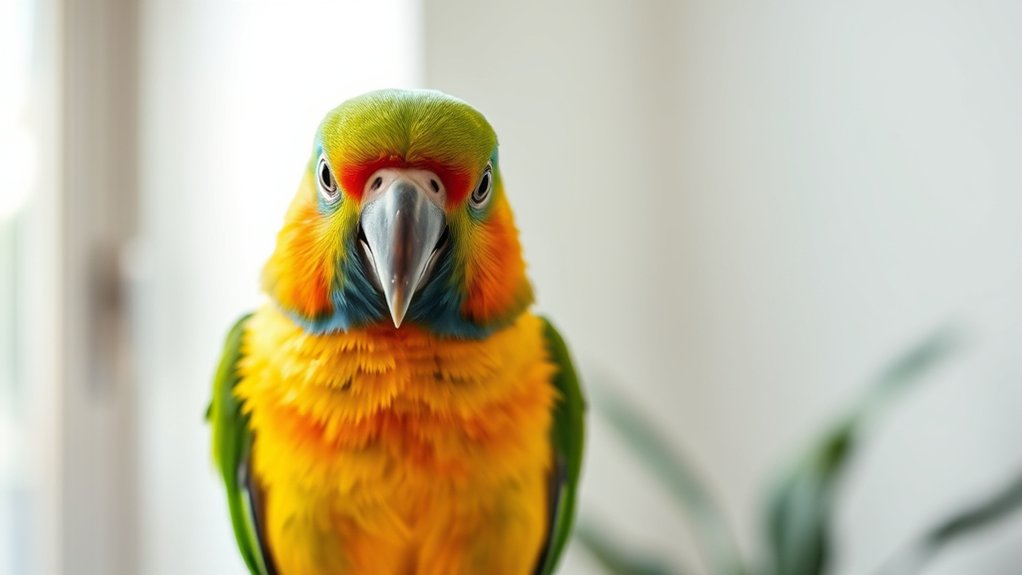
Your bird’s immune system is pretty amazing—it uses special cells and antibodies to spot and neutralize most human germs. This gives your feathered friend strong protection against infections.
And just like in people, things like good nutrition and keeping stress low really help boost your bird’s immune system. When your bird is well-fed and relaxed, it’s better equipped to fight off any potential bugs.
On top of that, keeping things clean and avoiding close contact with sick humans can make a big difference. By minimizing exposure, you’re helping to keep your bird safe from germs that might jump between species.
Bird Immune Defense
How does a bird’s immune system protect it from human germs? Birds have a robust immune system that generally prevents most human diseases, including common colds, from affecting them. Their immune defenses rely on specialized cells and antibodies to identify and neutralize pathogens before illness develops.
That said, factors like stress or poor nutrition can compromise this system. So it’s important to keep your bird happy and healthy.
To support your bird’s immune defense, consider these key points:
- Birds’ immune cells actively target bacteria and viruses.
- Healthy nutrition strengthens immune responses.
- Stress reduction lowers vulnerability to infections.
- Good hygiene minimizes pathogen exposure.
- Limiting close contact with humans reduces germ transfer.
Taking these steps can go a long way in keeping your feathered friend safe and sound.
Infection Resistance Factors
A bird’s immune defenses rely on multiple factors to resist infections from human germs. Your bird’s immune system is robust and specialized to combat avian-specific pathogens, which reduces the likelihood of cross-species transmission.
When your bird is healthy, its immune response effectively fends off many bacterial and viral threats introduced by humans. However, stress or underlying health issues can weaken this defense, increasing susceptibility.
Proper nutrition, hygiene, and regular veterinary care are critical in maintaining your bird’s immune strength. These factors optimize immune function, ensuring your bird can better resist foreign germs.
While birds rarely catch human colds, understanding these resistance factors helps you appreciate how your bird’s immune system operates to protect against potential infections. It’s pretty amazing how well they’re built to handle these challenges!
Immune System Support
Although birds have immune systems designed specifically for their unique bodies, they still face challenges when exposed to human germs. Your bird’s immune system actively fights off pathogens by producing targeted antibodies and immune cells.
To support this defense, you should focus on a few key things: providing balanced nutrition to boost immune function, keeping their living environment clean and sanitary, and scheduling regular veterinary check-ups to catch any issues early.
It’s also important to make sure your bird isn’t stressed or dealing with any underlying illness. Practicing good hygiene consistently helps reduce the chance of passing human germs to your feathered friend.
Birds with weaker immune systems are more vulnerable to infections, including those that come from humans. So, by strengthening your bird’s natural defenses and minimizing their exposure to human pathogens, you’re helping to keep them healthy and reduce the risk of infection.
How Human Illnesses Can Affect Your Pet Bird’s Health
Even though most human respiratory viruses don’t infect pet birds, your illness can still impact their health indirectly. When you’re sick, close contact can stress your bird. This stress weakens its immune response and makes it more vulnerable to avian-specific infections.
While human colds and flu rarely transmit to birds, it’s still important to keep up good hygiene. This helps minimize any risks of passing something along.
| Factor | Effect on Pet Bird |
|---|---|
| Human respiratory viruses | Rarely infect birds |
| Close contact with sick humans | Increases bird stress, lowers immunity |
| Hygiene practices | Reduces risk of cross-species transmission |
Knowing how these things connect helps you keep your bird healthy and happy.
Easy Hygiene Tips to Protect Your Bird From Infection
Since pet birds are sensitive to various pathogens, maintaining strict hygiene is essential to minimize infection risks. You can effectively reduce the chance of transmitting bacteria and viruses by adopting simple, consistent practices. Follow these hygiene tips to protect your bird:
Wash your hands thoroughly with soap and water before handling your bird. Avoid kissing or sharing food to prevent saliva-based bacterial transfer.
Disinfect the bird’s cage and toys regularly using bird-safe cleaning agents.
Use hand sanitizer when soap and water aren’t available, especially after contact with droppings or cage surfaces. Keep your hands clean and dry before touching your bird to support its immune defenses.
Implementing these measures helps create a safer environment, reducing your bird’s exposure to infectious agents. It’s easier than you might think and makes a big difference in keeping your feathered friend healthy.
Signs Your Bird Has a Cold or Respiratory Illness
When your bird shows signs like sneezing, nasal discharge, or labored breathing, it may be suffering from a cold or respiratory illness. You should carefully observe for persistent coughing, wheezing, or changes in vocalization, appetite, and activity level. These symptoms often indicate infection rather than normal grooming.
Early detection helps improve treatment outcomes, so prompt veterinary evaluation is essential. Below is a table summarizing common signs and their implications:
| Symptom | Possible Cause | Recommended Action |
|---|---|---|
| Sneezing | Cold, irritation | Monitor closely |
| Nasal discharge | Infection | Veterinary consultation |
| Labored breathing | Respiratory distress | Immediate vet attention |
| Wheezing | Airway inflammation | Veterinary diagnosis |
| Lethargy | Systemic illness | Prompt veterinary care |
How to Prevent Bird Cold and Illness Transmission
Although birds can catch colds from humans, you can substantially reduce the risk of transmission by practicing proper hygiene and minimizing direct contact with potential sources of infection. Maintaining a clean environment and limiting exposure are key to preventing illness.
Birds can catch colds from humans, but good hygiene and limited contact greatly reduce the risk.
To protect your bird, follow these guidelines:
- Wash your hands thoroughly after handling birds or cleaning cages.
- Avoid contact with bird saliva, droppings, or nasal secretions.
- Regularly disinfect cages and bird areas to reduce pathogens.
Also, limit interaction with people showing respiratory symptoms. Never kiss or share food with your bird to prevent saliva-borne bacteria.
Taking these simple steps really helps keep your feathered friend healthy!
When to See an Avian Veterinarian for Your Bird’s Health
If your bird shows signs of respiratory distress such as sneezing, coughing, or nasal discharge, you should promptly consult an avian veterinarian. These symptoms may indicate infections or other respiratory conditions requiring professional diagnosis and treatment.
Also, changes in behavior, appetite, or feather condition warrant a vet’s evaluation. These could be signs of underlying health issues you don’t want to ignore.
Regular checkups with an avian vet help catch early signs of illness and prevent serious complications.
Never give your bird medication without veterinary guidance. Doing so can lead to improper treatment and make things worse.
And if your bird shows rapid breathing, lethargy, or difficulty breathing, seek emergency care immediately. These signs can be life-threatening, so timely veterinary intervention is crucial to keep your bird healthy and happy.
Frequently Asked Questions
Can Bird Species Catch Colds From Each Other?
You generally won’t see bird species catching colds from each other because their respiratory viruses are species-specific.
However, some bacteria and fungi can infect multiple species, so you should maintain strict hygiene to prevent cross-infection.
It’s always better to be safe and keep things clean when you have different birds around. That way, you reduce the chance of any germs spreading between them.
What Are the Most Common Bird Respiratory Diseases?
The most common bird respiratory diseases include avian pneumovirus, aspergillosis, and infectious bronchitis. You’ll notice symptoms like sneezing, nasal discharge, and breathing difficulty.
It’s important to keep their environment clean and stress-free to help prevent these infections. Taking these simple steps can really make a difference for your bird’s health.
Do Indoor Birds Have a Higher Risk of Illness?
Indoor birds don’t have a higher illness risk; in fact, 70% fewer respiratory infections occur indoors due to controlled environments.
You should maintain hygiene and ventilation to keep their risk minimal and guarantee their health. It’s really about creating a clean, fresh space for them to thrive in. Just a little effort goes a long way!
How Long Do Bird Colds Typically Last?
Bird colds typically last 7 to 10 days. You’ll notice symptoms resolving within a week with proper care. But if your bird’s immunity is weakened or if there are secondary infections, recovery can take longer.
Sometimes it might even stretch beyond two weeks. So, it’s really important to monitor your bird’s health closely for the best results. Keep an eye out and don’t hesitate to consult a vet if things seem off.
Can Diet Influence a Bird’s Immune Response?
Yes, your bird’s diet directly influences its immune response. Providing essential nutrients like vitamins A, E, and omega-3 fatty acids strengthens immunity. This helps your bird resist infections and recover faster from illnesses more effectively.
Feeding your bird well isn’t just about keeping it full—it’s about keeping it healthy. When you focus on good nutrition, you’re giving your feathered friend the tools it needs to fight off sickness and stay strong. So, consider what’s on the menu as part of your bird’s overall care.
Conclusion
You might think your sniffles could turn your bird into a feathered flu factory, but ironically, their colds aren’t your colds. Their immune systems tackle different germs, so catching your cold is highly unlikely.
Still, your human bugs can affect their health, so hygiene isn’t just a suggestion, it’s a necessity. Keep those hands clean and watch for signs. Your bird’s health depends on your vigilance more than your tissues.