
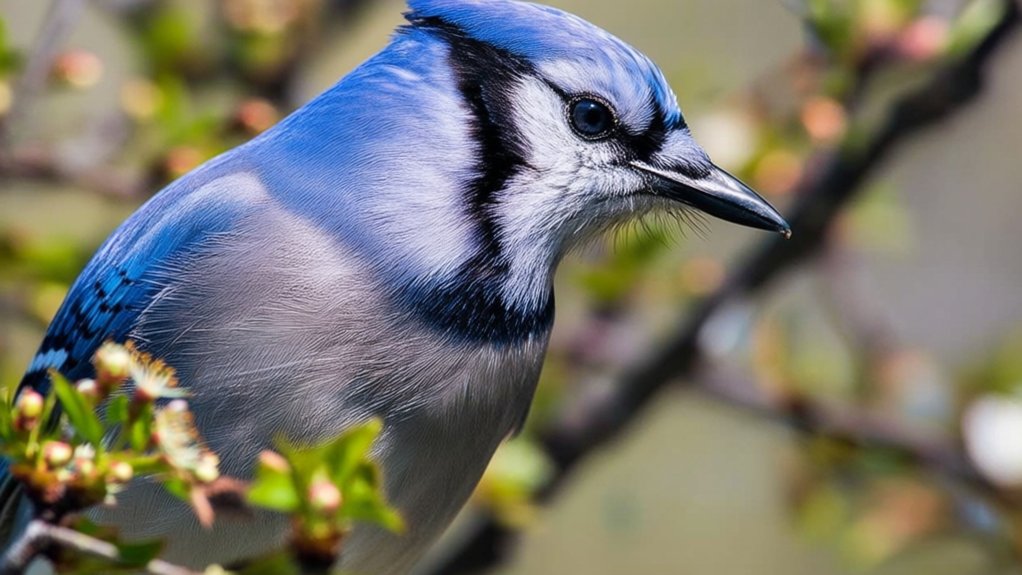
You can be confident that birds cannot catch COVID-19. Their ACE2 receptors are structurally different from humans’, which stops the virus’s spike protein from attaching and entering bird cells.
Experimental studies consistently find no infection or viral replication in domestic and wild birds, including chickens, ducks, and pigeons. So, pet birds don’t pose any transmission risk to their owners because of these receptor differences.
Understanding why birds resist SARS-CoV-2 gives us important insights into how viruses interact with hosts and why some species are more susceptible than others.
What Scientific Studies Reveal About Birds and COVID-19
Although birds are common carriers of various viruses, scientific studies have consistently shown that they aren’t susceptible to SARS-CoV-2, the virus causing COVID-19. Experimental infections involving domestic and wild bird species, such as chickens, ducks, and quail, demonstrate no evidence of viral infection or attachment.
This resistance comes from structural differences in the ACE2 receptor, which SARS-CoV-2 uses to enter host cells. Avian ACE2 receptors are quite different from those in humans.
Research also clarifies that avian coronaviruses like Infectious Bronchitis Virus (IBV) and Turkey Coronavirus (TCoV) belong to the Gammacoronavirus genus. This is distinct from the Betacoronavirus genus that infects humans.
Ongoing studies keep reinforcing the idea that birds are unlikely to act as hosts or reservoirs for SARS-CoV-2. So, their role in COVID-19 transmission is minimal at best.
How Do Coronaviruses Infect Birds Compared to Mammals?
When you compare coronaviruses infecting birds to those infecting mammals, you’ll notice some key differences in their receptor targets and entry mechanisms. Avian coronaviruses, mainly from the Gammacoronavirus genus, bind to receptors that are unique to bird species. This is quite different from mammalian coronaviruses, which often rely on the ACE2 receptor.
Birds generally don’t have the ACE2 receptor that’s critical for SARS-CoV-2 entry. That’s one reason why they’re not very susceptible to this virus. Instead, avian coronaviruses, like Infectious Bronchitis Virus (IBV), use different cellular pathways that evolved specifically for bird hosts.
Although some mammalian coronaviruses can infect birds in experimental settings, natural infections of birds with human coronaviruses like SARS-CoV-2 are extremely rare or don’t happen at all. These differences in receptor structure and how viruses interact with their hosts help explain why coronaviruses behave differently across these groups.
Which Bird Species Have Been Tested for COVID-19?
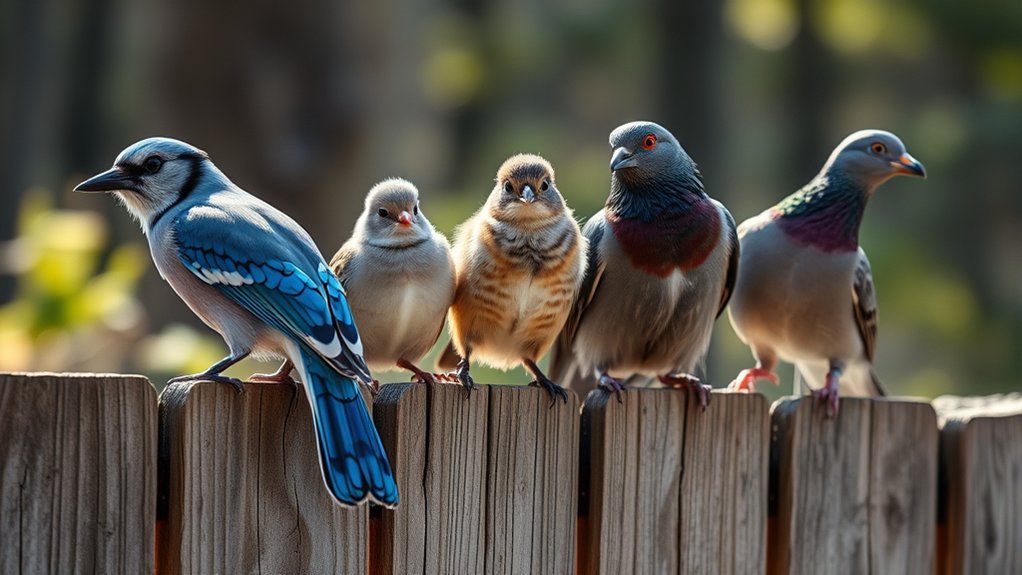
You’ve probably come across studies where domestic birds like chickens, ducks, turkeys, quail, and geese were tested for SARS-CoV-2. Interestingly, none of these birds showed any signs of infection.
Wild birds have been checked out too—pigeons, waterfowl, and seabirds have all been sampled, and so far, the virus hasn’t been detected in any of them.
Researchers have even gone a step further with experimental infections, which confirm that these birds are pretty much resistant.
This resistance mainly comes down to their ACE2 receptors not being compatible with the virus.
Tested Domestic Bird Species
Since domestic birds play significant roles in agriculture and daily life, researchers have thoroughly tested species such as chickens, ducks, turkeys, quails, and geese for their susceptibility to SARS-CoV-2. Studies consistently show no infection or virus attachment, aligning with ACE2 receptor variations that predict low susceptibility.
No natural or experimental infections have been reported, indicating these birds are unlikely hosts.
| Species | Infection Result |
|---|---|
| Chickens | No infection found |
| Ducks | No infection found |
| Turkeys | No infection found |
| Quails | No infection found |
Current data confirm domestic birds’ resistance to COVID-19, though research continues to monitor any changes in susceptibility. So, while things look good now, scientists are keeping an eye out just in case.
Wild Bird Infection Studies
Although domestic birds show no susceptibility to SARS-CoV-2, researchers have extended their investigations to various wild bird species to determine potential infection risks. You’ll find that extensive testing has focused on waterfowl, pigeons, and corvids, all showing no evidence of natural infection.
Common laboratory and wild birds, including chickens, ducks, and quail, also proved resistant to the virus.
Plus, ACE2 receptor compatibility studies revealed that most wild bird species have receptors incompatible with SARS-CoV-2, which prevents infection.
Surveillance programs across different regions consistently failed to detect SARS-CoV-2 in wild bird populations. These findings confirm that wild birds are unlikely reservoirs or vectors of COVID-19.
Experimental Infection Results
When researchers conducted experimental infections on common poultry species such as chickens, ducks, turkeys, quail, and geese, they found no evidence of SARS-CoV-2 replication or clinical symptoms. This resistance is attributed to the poor compatibility of avian ACE2 receptors with the virus.
Additionally, wild birds like pigeons and waterfowl also showed no susceptibility in controlled studies.
| Bird Species | Infection Outcome | Viral Replication |
|---|---|---|
| Chickens | No infection | None detected |
| Ducks | No infection | None detected |
| Turkeys | No infection | None detected |
| Quail | No infection | None detected |
| Geese | No infection | None detected |
Why Don’t Birds Catch COVID-19? The Role of the ACE2 Receptor
You’ll notice that birds’ ACE2 receptors are structurally different from the ones found in humans. Because of this, the SARS-CoV-2 spike protein can’t bind effectively.
This difference stops the virus from attaching and entering bird cells.
So, species like chickens and ducks end up being resistant to infection.
When we understand these receptor differences, it becomes clear why birds don’t catch COVID-19 as easily as mammals do.
ACE2 Receptor Differences
Because the ACE2 receptor serves as the primary entry point for SARS-CoV-2, its structure plays a crucial role in determining species susceptibility. When you examine birds, you find their ACE2 receptors differ markedly from those in mammals, blocking viral entry effectively.
Here’s why:
Birds’ ACE2 receptors have unique amino acid variations that prevent SARS-CoV-2 from binding efficiently. These structural differences cause incompatibility between the virus’s spike protein and the avian receptor.
Experimental infection studies confirm poultry species like chickens and ducks resist SARS-CoV-2 due to these receptor disparities.
Understanding these molecular distinctions clarifies why birds don’t catch or transmit COVID-19. It really highlights the ACE2 receptor’s essential role in species-specific viral susceptibility.
Virus Attachment Mechanisms
How exactly does the SARS-CoV-2 virus attach to host cells, and why does this mechanism fail in birds? The virus binds to host cells through its spike protein, which specifically interacts with the ACE2 receptor on the cell surface.
In birds, this attachment fails because their ACE2 receptors have structural variations that prevent effective binding. Key amino acid sequences required for strong spike protein attachment are absent in bird ACE2 receptors, disrupting the virus’s ability to enter cells.
Experimental studies confirm this, showing no SARS-CoV-2 infection in chickens, ducks, or other common birds. The limited similarity between bird and human ACE2 receptors explains why the virus can’t efficiently attach to or infect bird cells.
This blocks the initial step of infection and basically gives birds resistance to COVID-19.
Bird Species Susceptibility
Understanding why the SARS-CoV-2 virus fails to infect birds requires examining the molecular compatibility between the virus’s spike protein and the ACE2 receptor across different species.
In birds, the ACE2 receptor differs structurally from that in humans, resulting in low binding affinity for the viral spike protein. This molecular mismatch prevents the virus from attaching to and entering avian cells.
So, what does this mean exactly? It means the virus just can’t latch onto bird cells the way it does with humans.
Key points to contemplate:
- Avian ACE2 receptors exhibit genetic variations that hinder effective spike protein binding.
- Experimental data confirm poultry such as chickens, ducks, and turkeys resist SARS-CoV-2 infection.
- Unlike some mammals, bird ACE2 receptors lack the necessary structural features for viral entry.
All these factors together explain why bird species are resistant to COVID-19 infection. Pretty interesting, right? Birds just aren’t the right hosts for this virus.
Can Pet Birds Catch COVID-19 From Their Owners?
Although many pet owners worry about transmitting COVID-19 to their birds, current scientific evidence shows that pet birds aren’t susceptible to SARS-CoV-2.
Experimental studies involving common domestic birds like chickens, ducks, and quail have found no infection cases. This resistance is largely due to significant differences in the ACE2 receptors between birds and humans, preventing the virus from effectively binding to and entering bird cells.
Public health organizations affirm that COVID-19 transmission from humans to pet birds poses no risk.
So, you can be confident that the likelihood of your pet bird catching COVID-19 from you is extremely low to nonexistent.
Maintaining standard hygiene practices remains important, but there’s no need for additional COVID-19 precautions specific to pet birds at this time.
How COVID-19 Changed Pet Bird Owners’ Lifestyles
As more people shifted to remote work and stayed home during the COVID-19 pandemic, pet bird owners found themselves spending increased time interacting with their birds. This change led to notable lifestyle adaptations.
You likely noticed reduced noise and social stimuli, creating a calmer environment for your bird. You may have introduced special treats, such as Madeira or angel cake, enhancing bonding during lockdowns. It was a great way to connect with your feathered friend.
You probably faced occasional supply shortages, prompting you to seek alternative food sources to maintain balanced nutrition. It wasn’t always easy, but you found ways to keep your bird happy and healthy.
COVID-19’s Impact on Wild and Threatened Parrots
You’re seeing how COVID-19 really disrupted conservation efforts for threatened parrots like the Yellow-naped Parrot. It made protecting them even harder because habitat loss didn’t stop during the pandemic.
With all the restrictions in place, fieldwork became limited. So, conservation programs had to lean more on local communities to keep an eye on nests and help reduce poaching.
Interestingly, poaching did go down for a while. But without steady conservation support, the long-term survival of these parrots is still very much at risk.
Parrot Conservation Challenges
When lockdown restrictions halted field activities, parrot conservation efforts faced significant setbacks, especially in monitoring nests and habitats. You saw how this disruption slowed data collection for threatened species like the Yellow-naped and Scarlet Macaw. Their habitats have already declined by over 30% in two decades.
Conservation strategies had to adapt quickly, focusing more on remote involvement and community incentives. It was clear that getting local people engaged was more important than ever.
Key challenges include:
- Reduced field monitoring due to health risks and personnel shortages.
- Increased reliance on citizen science and cash incentive programs for local engagement.
- The urgent need for international collaboration to sustain long-term conservation projects despite pandemic constraints.
You have to recognize these challenges as critical to refining conservation protocols and safeguarding endangered parrots during and beyond the COVID-19 pandemic. It’s a tough situation, but adapting is key to making sure these birds stick around for future generations.
Pandemic Effects on Protection
How has the COVID-19 pandemic reshaped protection efforts for wild and threatened parrots? The pandemic temporarily disrupted conservation activities, including field surveys and nest monitoring, especially for species like the Yellow-naped Parrot. Restricted access made it harder to run programs that encourage local communities to protect nests, which lowered intervention success.
At the same time, habitat loss in Central America has gone over 30% in the past two decades, making things even riskier. Surprisingly, the lockdowns helped reduce poaching pressure, giving these birds a bit of a break.
To adapt, conservation groups have leaned more on citizen scientists and created national parrot alliances. These efforts helped keep protective measures going, even when things were tough.
It’s important to see that while some short-term benefits popped up, the overall impact has been negative. This means we need fresh, community-focused strategies to keep these vulnerable parrots safe during the ongoing challenges of the pandemic.
How Parrot Conservation Adapts During the Pandemic
Although COVID-19 restrictions disrupted traditional nest monitoring and fieldwork, parrot conservationists quickly adapted by implementing remote data collection and citizen science initiatives. You can see how these adaptations kept essential conservation momentum going despite limited field access.
Key strategies include shifting to remote monitoring technologies and engaging citizen scientists to track parrot populations without physical presence. They also modified incentive payments to local communities via cash transfers, which helped minimize travel and contact risks during field operations.
Plus, they used virtual collaboration platforms for planning and data analysis, making sure communication and strategy refinement continued smoothly. These measures really highlight the importance of resilient, flexible conservation frameworks that can withstand global crises.
What Precautions Should Bird Owners Take Regarding COVID-19?
Since birds aren’t susceptible to SARS-CoV-2, you don’t need to worry about transmitting COVID-19 to your pet birds.
Experimental evidence confirms that species like chickens, ducks, and turkeys can’t be infected, so the risk of birds acting as viral reservoirs or transmitters is negligible.
That said, you should still avoid coughing directly into your bird’s face to minimize any exposure to respiratory droplets.
Maintaining strict hygiene protocols remains essential. Wash your hands thoroughly before and after handling your birds, and clean their cages regularly.
These measures reduce the likelihood of other infections, though they don’t impact COVID-19 transmission risks.
What Future Research Is Needed on Birds and COVID-19?
To better understand the potential risks birds may pose in the context of COVID-19, researchers need to investigate whether SARS-CoV-2 can establish long-term or subclinical infections within various bird populations.
You should focus on these key research areas:
- Determine if the virus can mutate to infect or transmit efficiently among wild and migratory bird species beyond domestic poultry.
- Assess the environmental stability of SARS-CoV-2 in bird habitats and fecal matter to evaluate indirect transmission routes.
- Conduct genomic surveillance to identify viral adaptations in birds that might influence human health or variant evolution.
Frequently Asked Questions
Can Birds Transmit COVID-19 to Other Birds?
No, birds can’t transmit COVID-19 to other birds because they don’t get infected with SARS-CoV-2. Their ACE2 receptors don’t support the virus, so transmission and outbreaks among bird populations haven’t been observed.
Basically, the virus just can’t take hold in birds. So, you don’t need to worry about birds spreading COVID-19 to each other. It’s not something that happens.
Are Bird Feathers or Droppings Contagious for COVID-19?
You might worry about bird feathers or droppings spreading COVID-19, but research shows they don’t carry the virus. Still, you should clean droppings carefully to avoid other pathogens and maintain proper hygiene at all times.
It’s always a good idea to wash your hands after handling anything that could be dirty. Just keep things clean, and you’ll be safe.
How Does Bird Immunity Differ From Mammals Against Viruses?
You’ll find bird immunity differs from mammals by using unique Toll-like receptors and IgY antibodies, which alter pathogen recognition and response.
Their distinct ACE2 receptor variants also limit viral entry, enhancing resistance to many mammalian viruses.
It’s pretty interesting how these differences help birds fend off viruses that might affect mammals more easily.
Can Bird Watching or Feeding Increase COVID-19 Risk?
Though the plague doctor’s mask seems archaic, you won’t increase COVID-19 risk by bird watching or feeding.
Just make sure to maintain good hygiene, practice social distancing, and clean your equipment regularly. These steps help keep the risk of transmission really low.
Plus, birds aren’t susceptible to SARS-CoV-2 infection, so they don’t spread the virus.
Have Any Bird-Related Businesses Been Affected by COVID-19?
Yes, many bird-related businesses faced closures or reduced operations due to COVID-19. You’d notice disrupted supply chains, canceled events, and delayed conservation efforts. All of these impacted revenue and community engagement within the avian industry considerably.
It wasn’t just about money either. The connections and support networks that bird enthusiasts rely on took a hit. So, the whole bird-related business community felt the effects in more ways than one.
Conclusion
While birds don’t catch COVID-19 like mammals, imagine them as nature’s silent sentinels. They’re immune to this viral storm thanks to their unique ACE2 receptors. Studies show no widespread infections in tested species. This is reassuring if you have a pet parrot—it’s not a hidden carrier.
Still, just like a well-calibrated instrument, you should maintain precautions to protect both your birds and yourself. Ongoing research will fine-tune our understanding. This way, you’ll stay informed as science advances.