
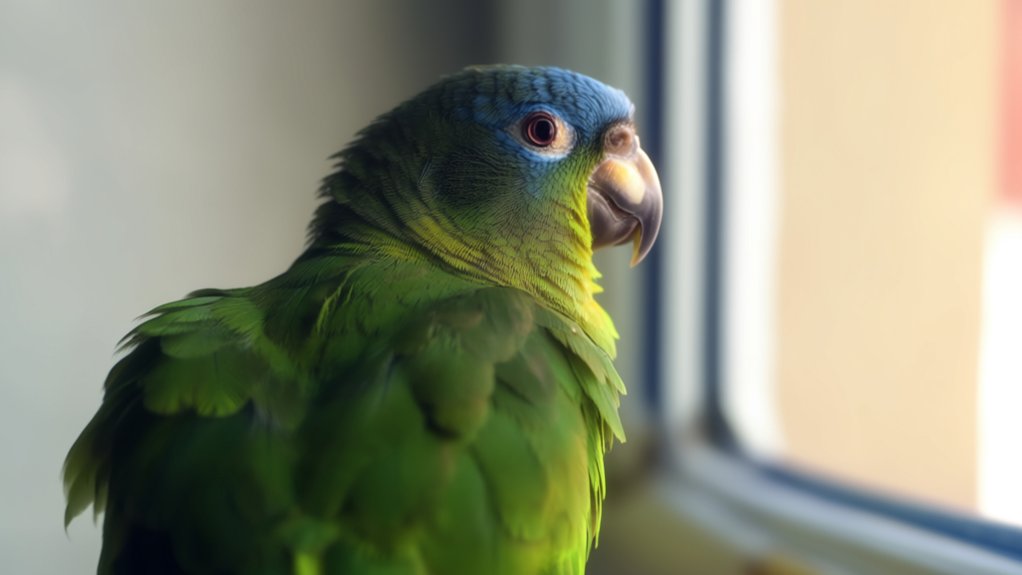
You can’t catch a cold from your bird, and birds generally don’t catch colds from humans either. Human cold viruses are species-specific and unable to infect birds because their immune systems are very different and strong against human pathogens.
While bacteria can transfer via saliva, they rarely cause colds in birds. So, the chances of your bird catching a cold from you are really low.
Practicing good hygiene helps minimize any risk. Understanding how birds’ immunity works and recognizing real symptoms can go a long way in protecting your pet’s health.
Can Birds Catch Colds From Humans? The Truth
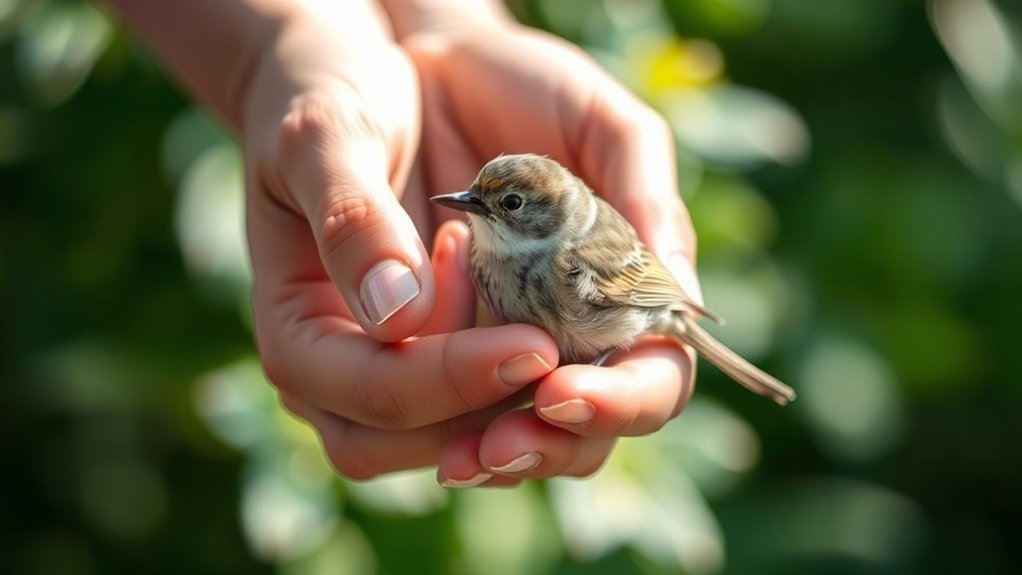
Although it might seem possible, birds generally don’t catch colds from humans because their immune systems are quite different. Most human respiratory viruses, including those that cause colds, are highly species-specific. They’ve adapted to infect only humans, not birds.
This means the viruses usually can’t jump between species effectively. While certain bacteria, like Gram-negative strains, can sometimes be transmitted through saliva, this rarely happens with cold viruses.
You can reduce any minimal risk by practicing good hygiene, like washing your hands and avoiding direct contact with birds. Keeping things clean not only helps prevent disease transmission but also supports birds’ overall health.
How Birds’ Immune Systems Keep Them Safe
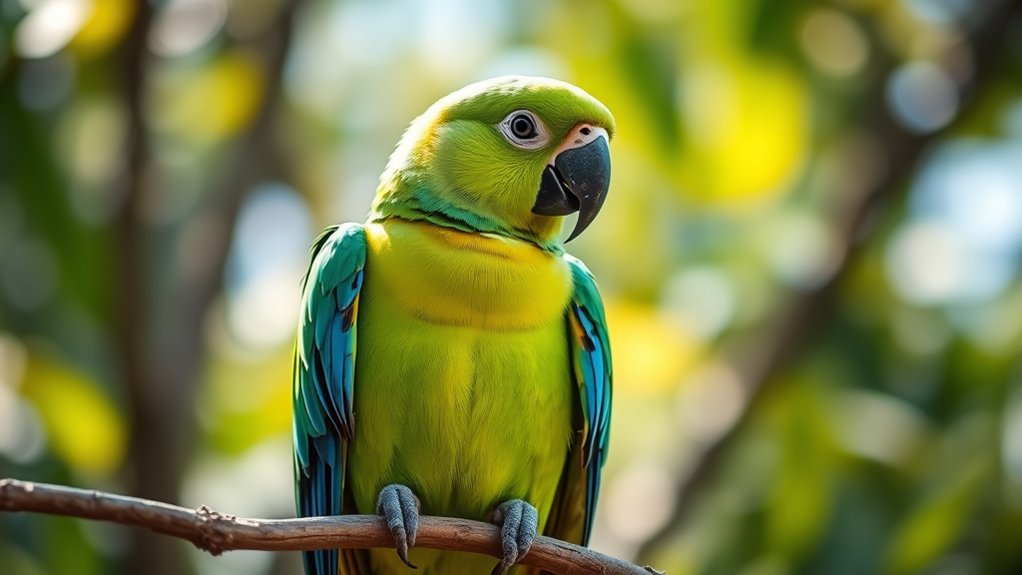
Because birds possess a robust immune system, they effectively resist many human pathogens, including cold viruses. Their immune defenses include specialized cells and antibodies tailored to combat infections specific to their species. This makes cross-species transmission of colds highly unlikely.
Birds’ strong immune systems prevent most human cold viruses from infecting them.
You should understand that genetic differences between bird and human viruses further reduce the risk of birds contracting human colds. To keep your bird healthy, maintaining proper nutrition is essential. It supports immune function and overall resistance to infections.
Key immune system features in birds include:
- Species-specific antibodies targeting avian pathogens
- Immune cells specialized for viral and bacterial defense
- Genetic barriers limiting cross-species virus transmission
These factors work together to keep birds protected from human cold viruses. It’s pretty amazing how their bodies handle these threats!
Common Respiratory Illnesses in Birds
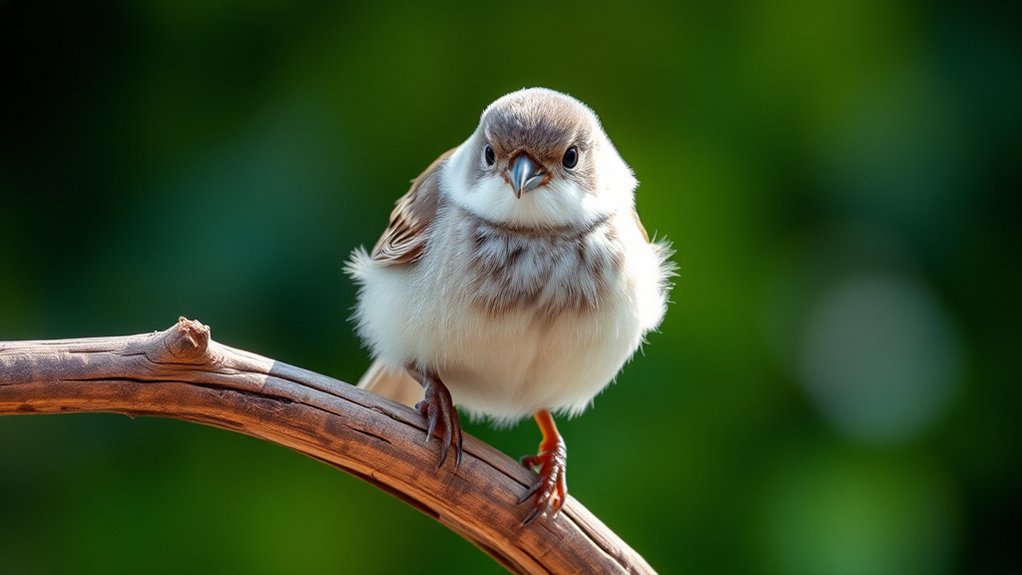
While birds’ immune systems protect them from many human pathogens, they remain vulnerable to respiratory illnesses caused by avian-specific viruses and bacteria. You should recognize symptoms like sneezing, nasal discharge, coughing, labored breathing, and tail bobbing. These illnesses often arise from environmental stress, poor ventilation, or exposure to infected birds, rather than human colds.
Maintaining hygiene and proper living conditions is essential to prevent disease. It’s all about keeping their environment clean and comfortable. That way, you help your birds stay healthy and avoid these common respiratory problems.
| Illness | Cause | Common Symptoms |
|---|---|---|
| Psittacosis | Chlamydia psittaci | Nasal discharge, coughing |
| Avian Influenza | Avian influenza virus | Labored breathing, sneezing |
| Mycoplasmosis | Mycoplasma spp. | Tail bobbing, nasal discharge |
Understand these risks to better protect your birds. It’s easier to care for them when you know what to watch out for!
Do Birds Mimic Cold Symptoms?
If you notice your bird making sounds that resemble coughing or sneezing, it might just be mimicking these noises instead of actually being sick. Birds are super smart and often copy human sounds as part of their social or playful behavior. So, hearing these sounds doesn’t always mean there’s a respiratory problem.
Usually, this kind of mimicry is just your bird interacting with you or its surroundings. To tell the difference between mimicry and real symptoms, think about a few things.
If the sounds happen repeatedly but there are no other signs of illness, it’s probably just your bird copying what it hears. On the other hand, real respiratory issues usually come with symptoms like nasal discharge or labored breathing.
What to Do If Your Bird Shows Cold-Like Symptoms
If your bird starts showing cold-like symptoms like sneezing or having nasal discharge, keep a close eye on these signs to see if they stick around or get worse.
It’s a good idea to isolate your bird right away and reach out to an avian veterinarian as soon as you can. That way, you can make sure your bird gets the right diagnosis and treatment.
In the meantime, try to keep things really clean and limit contact to help stop any infection from spreading.
Recognize Symptoms Early
Because birds can exhibit cold-like symptoms similar to humans, you should carefully observe signs such as sneezing, nasal discharge, coughing, or labored breathing.
Not all respiratory behaviors indicate illness; some may be mimicry. If symptoms appear, isolate your bird promptly to prevent spread and prepare for veterinary consultation.
Record any changes in behavior, appetite, or activity, as these details aid diagnosis. Early recognition is essential for effective intervention and avoiding complications.
To recognize symptoms early, focus on these key actions:
- Monitor respiratory signs: sneezing, coughing, nasal discharge, and breathing difficulty
- Note behavioral changes, including reduced appetite or lethargy
- Isolate the bird immediately and document symptom progression for the vet
This approach guarantees you act swiftly and accurately for your bird’s health.
When To See Vet
When your bird displays cold-like symptoms such as sneezing, coughing, or nasal discharge, you should promptly consult an avian veterinarian to guarantee accurate diagnosis and care.
Persistent or severe symptoms require immediate evaluation to rule out infections or other serious conditions.
Pay close attention if your bird’s condition worsens, especially if it shows decreased appetite or difficulty breathing. These signs demand urgent vet attention.
Early consultation helps determine whether the symptoms stem from viral infections, bacterial illnesses, or environmental factors, ensuring appropriate treatment.
Regular health checks combined with prompt veterinary care are vital to prevent complications and promote recovery.
Acting swiftly when symptoms first appear maximizes your bird’s chances for a full and timely recovery while minimizing risks associated with respiratory illnesses.
Home Care Tips
Prompt action and careful observation play key roles once your bird exhibits cold-like symptoms. Monitor any changes in behavior, appetite, or respiratory signs like sneezing or nasal discharge. Maintaining a clean, stress-free environment supports recovery and prevents complications.
To care for your bird effectively, focus on these steps:
- Wash your hands thoroughly before and after handling your bird to minimize infection risk.
- Isolate your bird from other pets and avoid contact with sick family members to reduce disease transmission.
- Keep the bird’s environment clean, well-ventilated, and free from drafts or irritants that may aggravate symptoms.
If symptoms persist or worsen, consult an avian veterinarian promptly to ensure timely treatment and avoid serious health issues. It’s always better to be safe and get professional advice when you notice anything unusual.
Bird Flu vs. Human Colds: What You Need to Know
You should know that bird flu and human colds come from different viruses, so it’s really uncommon for them to spread between species.
To keep your bird safe, just make sure you wash your hands regularly and avoid close contact like kissing.
Taking these simple steps makes the already small chance of cross-species infection even lower.
Transmission Differences Explained
Although bird flu and human colds may seem similar at first glance, they come from different viruses that rarely jump between species. You should know that bird flu mainly spreads through contact with infected birds or their droppings.
Human cold viruses are species-specific and don’t infect birds. Even though humans can pass some bacteria to birds, common cold viruses usually don’t cross over.
Here’s what you need to know about how these viruses spread:
- Bird flu spreads by direct contact with infected birds or contaminated surfaces.
- Human cold viruses mainly affect humans and don’t infect birds.
- Cross-species viral transmission is rare because viruses are picky about their hosts and immune systems differ.
This is why catching a cold from your pet bird is super unlikely.
Prevention Tips for Owners
Understanding the distinct ways bird flu and human cold viruses spread helps shape effective prevention strategies for pet owners. Since human cold and flu viruses rarely infect birds due to their robust immune systems, your focus should be on minimizing indirect risks.
Always wash your hands thoroughly after interacting with other people before handling your bird.
Avoid close contact behaviors like kissing or sharing food, which can transmit bacteria from human saliva to your pet.
Keep your bird’s environment clean and limit its exposure to individuals exhibiting respiratory symptoms.
Although transmission is uncommon, maintaining these hygiene practices reduces any potential risk.
Recognizing that bird flu and human colds stem from different viruses underscores the importance of targeted precautions to safeguard your bird’s health effectively.
Taking these simple steps can really help keep your feathered friend safe and healthy.
How Human Contact Affects Bird Cold Risk
Since most human illnesses, including colds, can’t be transmitted to birds because their immune systems are different, the risk is pretty low. But human contact can still affect your bird’s chances of getting infections.
For example, direct exposure to infected saliva or respiratory secretions can increase the chance of passing on bacteria or viruses. So, it’s good to be careful with interactions that might cause this transfer.
To help reduce your bird’s cold risk when you’re interacting, think about these tips:
- Avoid kissing or sharing food with your bird to stop saliva from spreading.
- If you have any respiratory symptoms, try to limit close contact to cut down on bacterial or viral exposure.
- Make sure to practice good hygiene, like washing your hands well before handling your bird.
Hygiene and Prevention: Protecting Your Bird From Illness
Maintaining good hygiene is one of the most effective ways to protect your bird from illness, especially after considering how human contact can influence infection risk. Thoroughly washing your hands with soap and water before handling your bird substantially lowers the chance of transferring bacteria or viruses.
Avoid kissing or sharing food with your bird, as saliva can carry harmful microbes. Regularly clean and disinfect your bird’s cage, toys, and feeding equipment to reduce exposure to pathogens. Keep your bird’s environment sanitary by removing waste and debris promptly.
Additionally, limiting contact between your bird and any infected family members or animals further minimizes the risk of disease transmission. These hygiene practices form a critical barrier in safeguarding your bird’s health.
Key Steps to Prevent Disease Transmission Between You and Your Bird
Although birds and humans differ considerably, disease transmission between the two can happen through close contact. To protect your bird, you need to put some key preventive measures in place.
First, make sure you wash your hands thoroughly with soap and water before handling your bird. This helps reduce the risk of transferring any germs.
Also, avoid sharing food, drinks, or kisses with your bird. Saliva can carry bacteria and viruses that might be harmful to them.
When you or others around you have respiratory symptoms, try to limit contact with your bird to stop any chance of cross-species infection.
Don’t forget to disinfect bird cages and accessories regularly to keep the environment clean. And if you’re feeling sick, it’s best to avoid handling your bird altogether.
By following these simple, science-backed steps, you’ll greatly reduce the chances of disease spreading and keep both you and your bird healthy.
- Practice thorough handwashing before contact
- Avoid sharing food, drinks, or kisses
- Limit contact when ill or exposed
Frequently Asked Questions
Can Birds Catch Colds From Other Animal Species?
Birds rarely catch colds from other animal species because their viruses are species-specific. You should know that while some parasites or bacteria can cross species, cold viruses typically don’t infect birds across species boundaries.
How Long Can Cold Viruses Survive on Bird Feathers?
Imagine a cold virus clinging to a sparrow’s feathers; it can survive up to 24 hours, depending on temperature and humidity. You’ll find it’s less stable on feathers than on smooth surfaces like plastic or metal.
Are Certain Bird Species More Resistant to Respiratory Infections?
Yes, you’ll find certain bird species like parrots and waterfowl have stronger immune systems or genetic traits that make them more resistant to respiratory infections. Their respiratory efficiency and environmental exposure also play key roles in their immunity.
It’s pretty interesting how these factors come together to give some birds a natural edge. So, it’s not just about one thing but a mix of genetics, biology, and where they live. This combination really shapes their ability to fight off respiratory issues.
Can Bird Colds Affect Their Ability to Fly or Eat?
Like a clogged engine stalling, bird colds restrict airflow and cause swelling. This makes flight exhausting and eating difficult.
You’ll notice their coordination falters, energy drops, and appetite declines until they receive proper veterinary care. It’s important to keep an eye on these signs to help your bird feel better soon.
Do Birds Show Behavioral Changes When Infected With Respiratory Viruses?
Yes, you’ll notice behavioral changes like decreased activity, reduced vocalization, and lethargy when birds are infected with respiratory viruses. These subtle signs, including altered breathing patterns, help you identify their illness early and provide timely care.
Paying attention to these changes can make a big difference. It’s all about catching the problem before it gets worse, so your bird gets the help it needs right away.
Conclusion
You might be surprised to learn that over 90% of common human cold viruses cannot infect birds because of their unique immune systems. While birds can’t catch colds from you, they do have their own respiratory illnesses that need careful attention.
By keeping good hygiene and watching your bird’s health closely, you reduce the chance of passing along other diseases. Staying informed and being proactive helps you protect both yourself and your feathered friend in the best way possible.