
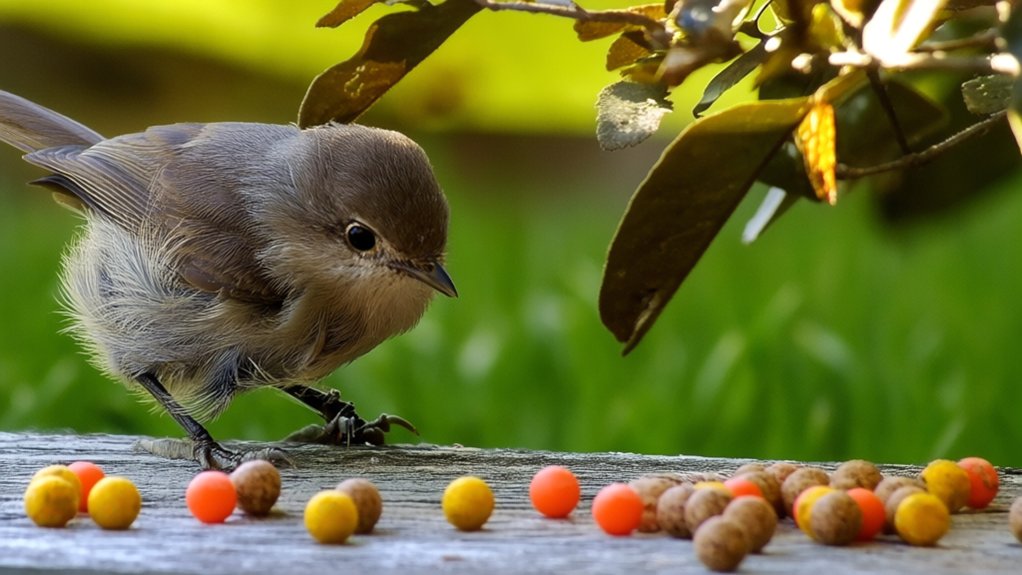
Yes, birds can die from rat poison, primarily due to internal bleeding caused by anticoagulant rodenticides that disrupt vitamin K recycling. When birds of prey eat poisoned rodents that seem healthy but contain toxins, they ingest harmful chemicals that build up in their bodies. This causes symptoms like bruising, weakness, and disorientation.
It’s especially deadly for young and vulnerable species. In urban areas, widespread rodenticide use severely impacts bird populations.
You can explore how to recognize poisoning and safer rodent control methods next.
How Rat Poison Kills Birds of Prey
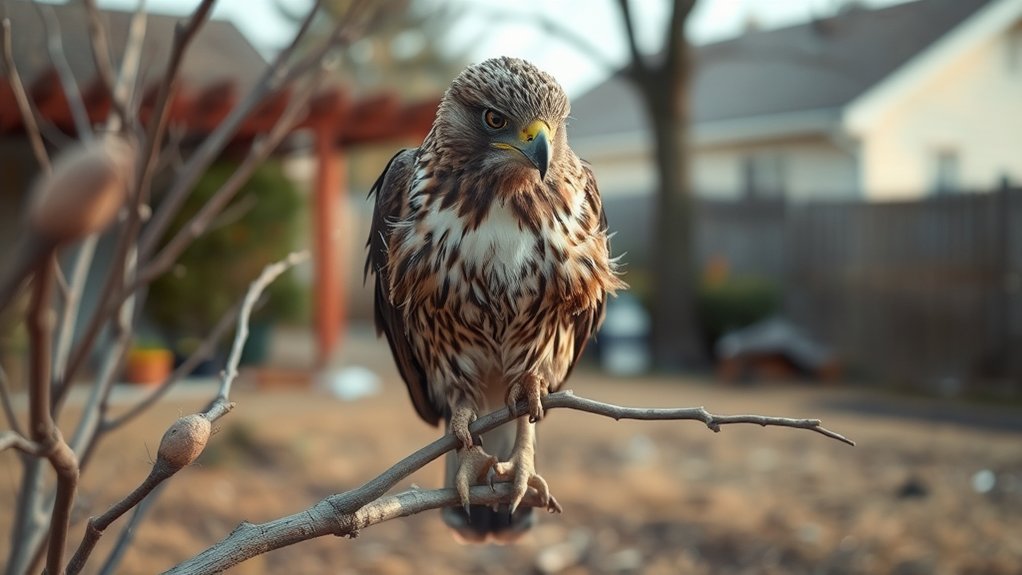
Although rat poison targets rodents, it often kills birds of prey indirectly when they consume poisoned animals. You should understand that second-generation anticoagulant rodenticides (SGARs) inhibit blood clotting, causing fatal internal hemorrhaging in these birds.
Rat poison harms birds of prey by causing fatal internal bleeding when they eat poisoned rodents.
When you consume a poisoned rodent, the toxin blocks vitamin K recycling, which is essential for clotting factors. This leads to uncontrolled bleeding.
Studies show over 84% of tested raptors in NYC, including hawks and owls, carry rat poison residues. You might observe symptoms such as bleeding from nostrils, bruising, weakness, and neurological impairments in affected birds.
Since rat poison can persist in rodent tissues for months, you’re at continuous risk of secondary poisoning whenever you feed on these prey animals.
Recognizing these effects is vital for understanding rat poison’s lethal impact on birds of prey. It’s important to be aware of how these poisons can affect wildlife, even if the poison isn’t meant for them.
This knowledge can help in making safer choices to protect these birds.
Reasons Birds Eat Poisoned Rodents
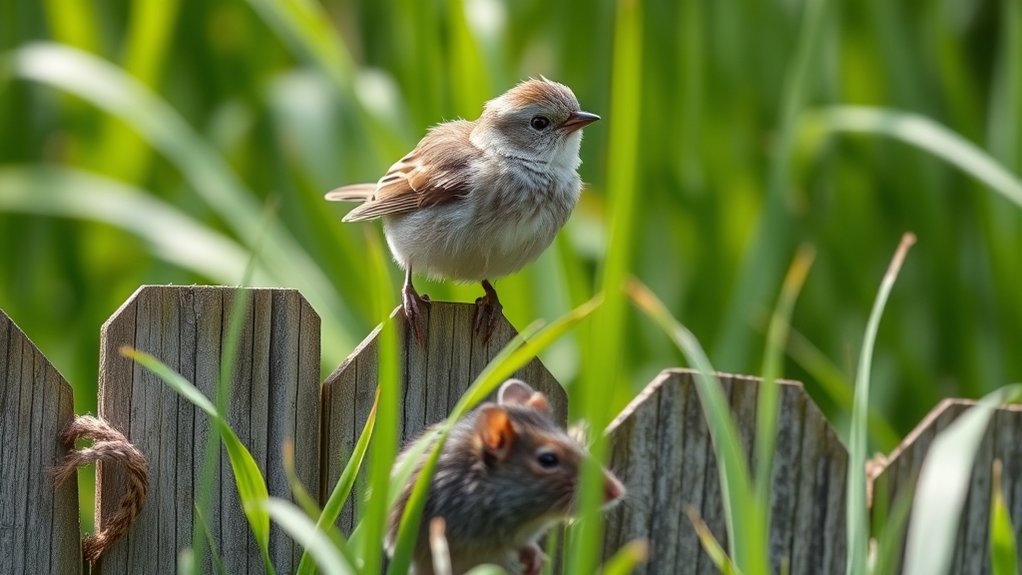
Because poisoned rodents often appear healthy and keep moving, birds of prey usually eat them without realizing the danger. These rodents can take days to die, so you might see birds hunting and eating them again and again. This means birds can unknowingly build up toxins inside their bodies.
Birds depend a lot on small mammals for food, which raises their chances of getting poisoned secondhand. Studies done in cities show that many dead raptors test positive for rat poison, highlighting how big this problem really is.
| Rodent Condition | Bird Behavior | Risk Factor |
|---|---|---|
| Healthy appearance | Frequent consumption | Toxin accumulation |
| Slow death | Repeated hunting | Secondary poisoning |
| Abundant prey | Reliance on rodents | High exposure probability |
Signs and Symptoms of Rat Poisoning in Birds
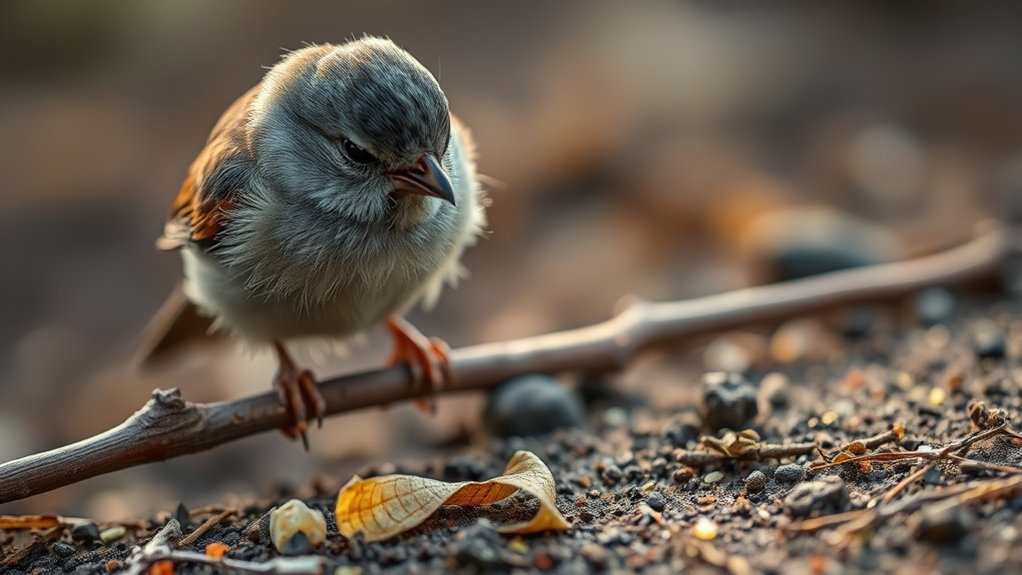
Birds that consume poisoned rodents often show distinct physical and behavioral signs indicating rat poison exposure. You may notice bleeding under the skin, bruising, and blood pooling in body cavities.
Many birds exhibit lethargy, weakness, and unresponsiveness, symptoms commonly linked to anticoagulant rodenticides.
Internal hemorrhaging is an essential concern, as it can cause death within 3 to 5 days after ingestion.
In some cases, neurological signs such as disorientation and inability to stand develop, especially with exposure to rodenticides like bromethalin.
Additionally, you might observe blood draining from the sinuses, signaling severe internal bleeding.
Recognizing these signs promptly is vital for diagnosing rat poison exposure and providing timely intervention to affected birds.
Which Bird Species Are Most Vulnerable to Rat Poison
When you examine species most vulnerable to rat poison, birds of prey such as hawks, owls, and eagles really stand out. This is because they eat rodents that have ingested toxic baits.
In fact, studies reveal that 100% of tested red-tailed hawks in certain regions carry rodenticide residues. That shows just how high their exposure risk is.
Small and juvenile birds, including songbirds and hatchlings, are also highly susceptible. Even minimal toxin levels can be fatal for them.
Additionally, scavengers like vultures and seabirds face secondary poisoning by feeding on poisoned carcasses. Rodenticides can stick around in these birds’ bodies for weeks or months.
This can cause internal hemorrhaging and neurological impairment.
Understanding these species-specific vulnerabilities helps clarify the ecological impact of rodenticide use. It also highlights the need for targeted wildlife protection measures.
How City Rodenticide Use Harms Urban Birds
Although urban environments provide diverse habitats for raptors like hawks and owls, these birds face significant risks from secondary poisoning after consuming rodents exposed to rat poison. Studies confirm 100% of tested urban raptors carry detectable anticoagulant rodenticides, which shows just how widespread the exposure is.
Second-generation anticoagulant rodenticides (SGARs) can stick around in bird tissues for up to 3.5 months, increasing the chance of fatal internal bleeding. Birds affected by these poisons often show internal hemorrhaging, bleeding, and neurological problems.
Sadly, this often leads to death before any help can arrive.
You should know that improper disposal of poisoned rodent traps and excessive rodenticide use make this problem worse. Cutting back on these practices is really important to reduce lethal exposure. It’s a key way to protect urban bird populations from the unintended effects of rodent control in city environments.
Safer Rat Poison Alternatives to Protect Birds
If you want to protect birds, try using non-toxic ways to control rodents, like snap traps or live traps. These methods help avoid the problem of secondary poisoning.
You can also make changes around your home, like sealing up entry points and removing things that attract rodents, such as food and shelter. This keeps them out without needing any chemicals.
When you combine these safe trapping methods with habitat changes, you get an effective way to manage rodents that’s friendly to wildlife. It’s a smart approach that helps keep both your home and the birds safe.
Non-Toxic Rodent Control
Since traditional toxic rodenticides pose significant risks to birds through secondary poisoning, adopting non-toxic rodent control methods offers safer alternatives. You can effectively manage rodent populations using trapping and exclusion techniques without harming wildlife.
Removing food, water, and shelter near buildings naturally reduces rodent presence, minimizing reliance on poisons.
Sealing entry points with stainless steel mesh and cement prevents rodents from entering indoor spaces, eliminating the need for chemical controls.
Using non-chemical traps, such as snap traps or live traps, also reduces secondary poisoning risks to predatory birds. These methods work well and keep the environment safer.
Plus, educating communities on safe pest management helps encourage more people to use these practices. This way, local bird populations stay protected from toxic exposure.
Habitat Modification Strategies
When you modify habitats to reduce rodent shelter and food availability, you directly lower rodent populations and the need for toxic poisons. Removing clutter, dense vegetation, and standing water eliminates rodent hiding places and breeding grounds.
Sealing building openings with stainless steel mesh and cement effectively blocks rodent entry, preventing infestations without chemical use.
Eliminating accessible food sources like uncovered trash and pet food further decreases rodent attraction. These strategies reduce reliance on toxic baits, which pose significant risks to birds and other wildlife through secondary poisoning.
By implementing habitat modifications, you create an environment less hospitable to rodents, ensuring safer control methods that protect birds of prey and urban wildlife.
This approach prioritizes ecological balance while maintaining effective rodent management. It’s a smart way to keep things in check without causing harm to other creatures or the environment.
Safe Trapping Techniques
Building upon habitat modification strategies, employing safe trapping techniques offers an effective alternative to toxic rodenticides that safeguards bird populations. You can use snap traps or live traps that avoid poisons, greatly reducing the risk of secondary poisoning to birds of prey and other wildlife.
It’s essential to seal rodent entry points and eliminate accessible food sources to enhance trapping effectiveness without relying on toxic baits. Regularly check non-chemical traps to prevent trapped rodents from becoming prey, which minimizes secondary poisoning risks.
These methods protect sensitive species like owls and hawks that might otherwise consume poisoned prey. Plus, educating your community on safe trapping and exclusion techniques helps reduce the ecological impact of rodent control on bird populations.
This way, we promote a balanced and safer environment for everyone.
What to Do If You Find a Poisoned Bird
If you discover a bird showing signs of illness or injury, you should contact a wildlife rehabilitator immediately. Many cases of rodenticide poisoning progress too far for effective treatment. Symptoms include bleeding from the beak or nostrils, neurological impairment, lethargy, and unresponsiveness.
Contact a wildlife rehabilitator immediately if you find a bird showing illness or injury symptoms.
Handle the bird carefully, wearing gloves to prevent contaminating yourself or causing additional stress. Don’t attempt to treat the bird yourself. Specialized diagnostic testing, such as tissue or blood analysis, is required to confirm rodenticide exposure.
Reporting the incident to local wildlife authorities is vital for tracking rodenticide impacts on bird populations and informing prevention strategies. Prompt professional intervention improves the bird’s chance of recovery.
It also helps broader conservation efforts by providing valuable data on poisoning incidents.
Resources to Protect Birds From Rat Poison
How can you effectively protect birds from the dangers of rat poison? Start by adopting non-toxic rodent control methods such as trapping and sealing entry points to prevent infestations without exposing birds to toxins.
Always dispose of poisoned traps as toxic waste to avoid secondary poisoning, particularly in predatory bird species.
It’s also important to educate your neighbors and building managers about rodenticide risks. This helps reduce urban bird mortality caused by secondary exposure.
Utilize resources like NYC Bird Alliance’s pamphlets, which offer detailed guidance on safe pest control practices that minimize harm to wildlife.
Additionally, report suspected bird poisonings to local wildlife organizations. This enables timely intervention and helps track the ecological impact of rodenticides on bird populations, supporting more effective conservation efforts.
How to Prevent Rodenticide Harm in Your Neighborhood
While rodenticides may seem like a quick solution, you can prevent harm to birds in your neighborhood by prioritizing non-toxic rodent control methods such as trapping and sealing entry points. These strategies effectively reduce rodent populations without exposing wildlife to toxic chemicals.
Properly disposing of poisoned bait and traps in sealed toxic waste containers is essential to avoid secondary poisoning of birds and scavengers.
You should also remove accessible food, water, and shelter sources to discourage rodents and reduce reliance on toxic baiting.
Advocating for rodenticide elimination in local parks and neighborhoods can considerably lower bird exposure to toxins.
Educating neighbors and property managers about these ecological risks encourages the adoption of safer pest control alternatives, protecting both rodents and surrounding wildlife.
Frequently Asked Questions
Can Rat Poison Affect Pet Birds Indoors?
Yes, rat poison can affect pet birds indoors. You need to avoid exposure because even small amounts can cause severe internal bleeding.
Contaminated food, water, or surfaces pose risks. So, make sure to store poisons safely and avoid using them inside your home. It’s better to be cautious when you have birds around.
How Long Does Rat Poison Remain Toxic in the Environment?
Rat poison remains toxic in the environment for weeks to several months, depending on the type. Second-generation anticoagulants persist the longest, contaminating soil and water.
Because of this, you have to handle and dispose of them carefully to minimize risks. It’s really important to be cautious so you don’t accidentally harm other animals or the environment. Always follow the safety instructions when dealing with these poisons.
Are There Specific Rat Poisons That Are More Dangerous to Birds?
You might spot a hawk silently suffering after eating poisoned prey. Second-generation anticoagulant rodenticides like brodifacoum pose the greatest risk. They cause prolonged internal bleeding and secondary poisoning.
These poisons are far more dangerous to birds than other rat poisons. So, it’s important to be cautious about what types of rodenticides are used around areas where birds hunt or live.
Can Birds Develop Resistance to Rat Poison Over Time?
You can’t expect birds to develop resistance to rat poison over time, as they lack the biological mechanisms rodents have.
Repeated exposure only increases toxicity risks, making them consistently vulnerable to anticoagulant effects. So, birds remain just as sensitive even with multiple encounters.
In other words, their bodies don’t adapt in the way rodents’ do, which is why rat poison stays dangerous for them every time.
Is Secondary Poisoning From Rat Poison Common in Aquatic Birds?
You know what they say, “One bad apple spoils the bunch.”
Yes, secondary poisoning is common in aquatic birds due to lingering rodenticide residues in prey. This causes internal bleeding and significant mortality within these populations.
It’s a serious issue that often goes unnoticed until the damage is done. So, keeping an eye on these toxins is really important.
Conclusion
You might think rat poison is the quickest way to control rodents, but it often harms birds too. This is especially true for predators eating poisoned prey. Understanding how these toxins affect birds helps you see the bigger impact on ecosystems.
By choosing safer alternatives and acting promptly if you find a poisoned bird, you play an essential role in protecting wildlife. Taking informed steps guarantees effective rodent control without endangering our critical bird populations. It’s all about keeping a balance that works for everyone.