
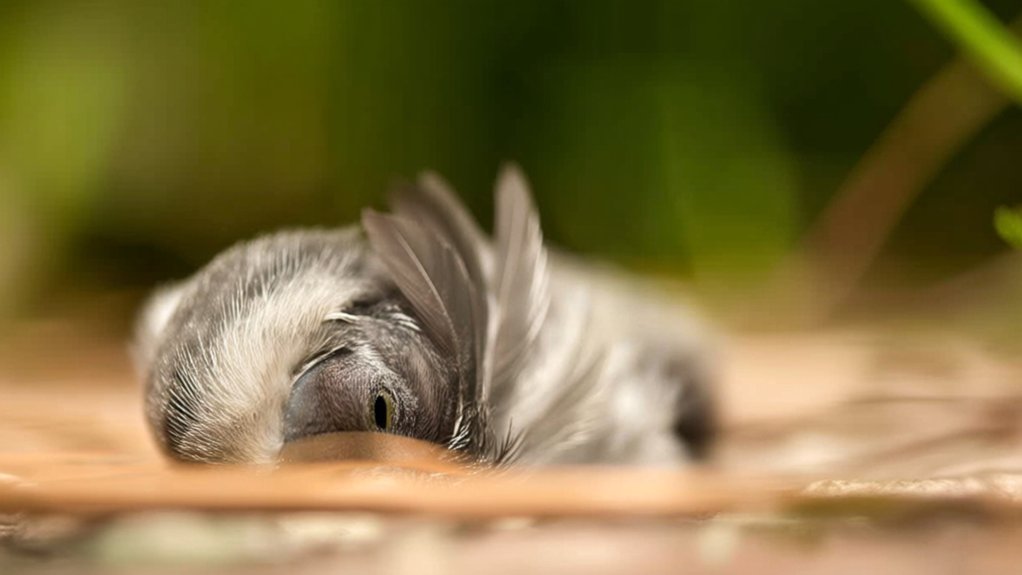
Yes, birds can die from seizures, especially if the episodes last too long, happen repeatedly, or come from untreated health problems. During seizures, they might fall, drown, or suffer brain damage and systemic failure.
Prompt care and monitoring are really important to keep them safe. You should create a safe, calm environment and seek veterinary help right away if seizures continue.
Understanding the causes, treatments, and prevention can greatly improve your bird’s chances of recovery and long-term health. It’s all about acting quickly and knowing what to do.
What Do Seizures Look Like in Birds?
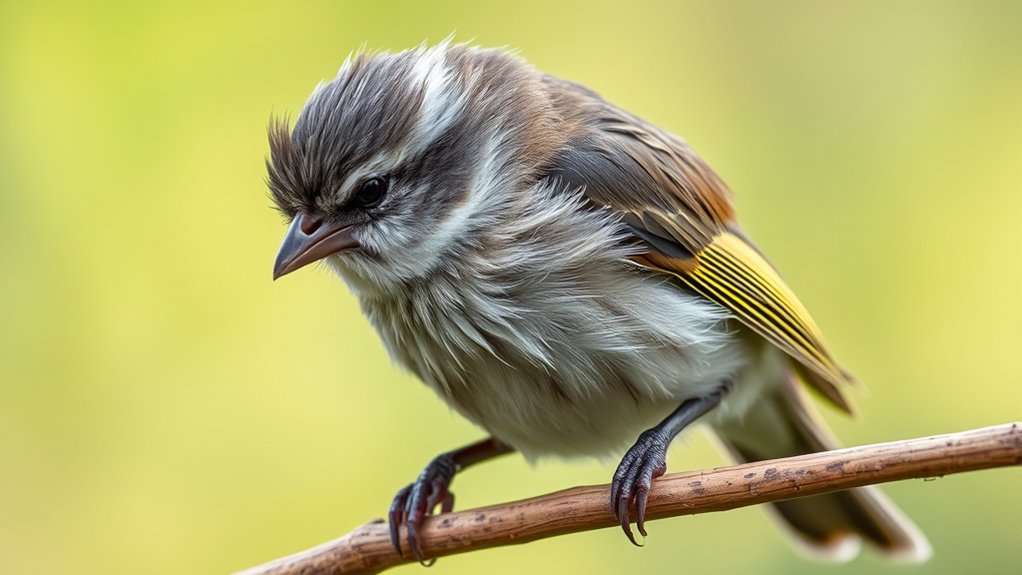
When birds have seizures, you might notice sudden falls, loss of balance, or stiffening and twitching of their body and wings.
During these episodes, they often exhibit uncontrolled paddling motions and may briefly lose responsiveness or awareness. Seizures typically last from a few seconds to several minutes.
After a seizure, birds can appear confused or lethargic. Sometimes, they show violent muscle spasms or a blank, “out of it” stare.
Recognizing these signs is really important for spotting seizure events in birds.
If you see these symptoms, it’s crucial to get veterinary help right away. This way, your bird can get the proper care and diagnosis it needs.
Acting quickly can make a big difference in your bird’s health and recovery.
Common Causes of Seizures in Birds
You’ll often find that metabolic and nutritional imbalances, like low calcium or blood sugar, can trigger seizures in birds.
Infections and exposure to toxins, such as heavy metals, also mess with their nervous system and cause seizures.
Knowing about these causes helps you spot the risks early and take steps to prevent problems.
Metabolic And Nutritional Causes
Although seizures in birds can stem from various causes, metabolic and nutritional imbalances are among the most common triggers you’ll encounter. Conditions like hypocalcemia and hypoglycemia directly affect neurological stability, which increases the risk of seizures.
Nutritional deficiencies, especially in vitamins B and E, disrupt nerve function and can potentially cause seizures.
Additionally, liver and kidney diseases may lead to systemic toxemia, which often shows up as seizure activity. Lipid disorders, such as fatty liver syndrome, further impair metabolism and add to the risk.
To figure out these underlying issues, veterinarians rely on blood tests that check calcium, glucose, and organ function.
By addressing these metabolic and nutritional factors promptly, you can help reduce seizure occurrences in your bird. This also improves your bird’s overall neurological health.
It’s definitely worth keeping an eye on these aspects to give your feathered friend the best care possible.
Infection And Toxin Exposure
Since infections and toxin exposure directly impact a bird’s nervous system, they represent critical causes of seizures you need to take into account.
Infections like Chlamydia psittaci (psittacosis) and avian bornavirus can produce neurological symptoms, including seizures. Fungal infections such as Aspergillosis may also invade the nervous system and trigger seizure activity.
Toxin exposure, particularly from heavy metals like lead and zinc, causes neurotoxicity that can result in seizures. Additionally, systemic toxemia from organ failure or poisoning disrupts normal neurological function, further increasing seizure risk.
To identify these causes, your veterinarian will likely recommend diagnostic tests including bloodwork, radiographs, and heavy metal analysis.
Early diagnosis and treatment are essential to prevent seizure progression and improve your bird’s prognosis.
How Seizures Can Be Fatal to Birds
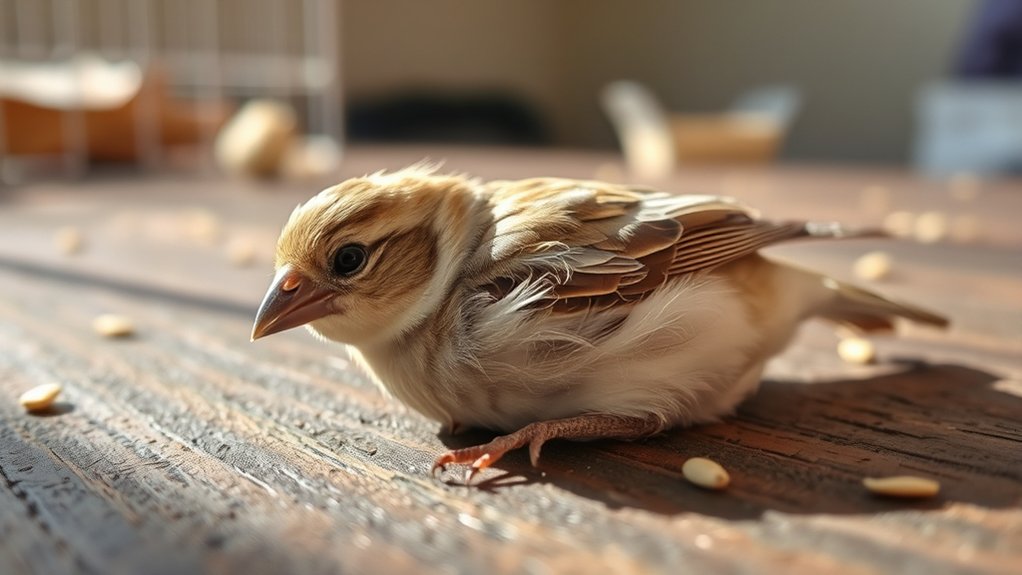
When a bird experiences prolonged or repeated seizures, the risk of fatal outcomes goes up a lot because of exhaustion, injury, or drowning. During a seizure, your bird might lose control of its movements, which can lead to falling from perches or drowning if it’s near water.
Severe seizures can cause brain damage or systemic failure, and without quick treatment, this might lead to death. If there are underlying health problems like organ failure or neurological damage, the seizures can get worse and increase the chances of death.
If seizures keep getting worse without immediate veterinary care, your bird may have trouble breathing or suffer systemic collapse. It’s really important to recognize how serious seizures are because quick care can stop these fatal complications and give your bird a better chance to survive.
How Vets Diagnose Bird Seizures
When your bird starts showing seizure-like symptoms, vets usually begin by running some diagnostic tests, such as blood work and radiographs, to figure out what might be causing the problem.
They’ll also perform neurological exams and go over your bird’s history to help tell seizures apart from other conditions.
Sometimes, if things aren’t clear, they might use more advanced tools like EEG monitoring.
This helps them confirm whether your bird is actually having seizures and can also reveal any underlying issues.
Diagnostic Tests Overview
How do veterinarians determine the cause of seizures in birds? They rely on a combination of diagnostic tests to evaluate metabolic, infectious, and toxic factors. Blood tests check organ function, calcium, and glucose levels. Radiographs help identify structural issues or heavy metal poisoning.
Infectious disease assays detect pathogens like Chlamydia psittaci and avian bornavirus. Heavy metal tests measure lead and zinc levels, which are common neurotoxins in birds. By combining these tests, vets can pinpoint the cause of seizures more accurately. It’s all about looking at the bird’s health from different angles.
| Test Type | Purpose | Common Findings |
|---|---|---|
| Blood Tests | Assess metabolism and organ health | Abnormal calcium, glucose, liver enzymes |
| Radiographs | Detect structural or toxic issues | Foreign bodies, bone fractures, metal presence |
| Infectious Disease Testing | Identify infections causing seizures | Positive results for Chlamydia, bornavirus |
| Heavy Metal Testing | Measure toxic metal levels | Elevated lead or zinc concentrations |
Identifying Seizure Causes
Although bird seizures can stem from various causes, veterinarians rely on a thorough approach to identify the underlying issue. They begin with a detailed physical exam, then order blood tests to assess organ function, calcium, and glucose levels.
Radiographs help detect heavy metal poisoning or structural abnormalities that may trigger seizures. Specific tests measure lead or zinc toxicity to rule out toxin-induced causes.
Infectious disease screenings target pathogens like Chlamydia psittaci and avian bornavirus, which can also provoke seizures.
By combining physical examination, laboratory analysis, imaging, and infectious disease testing, vets can accurately pinpoint the seizure’s cause.
This all-encompassing diagnostic work-up is essential because identifying the exact trigger guides effective treatment and improves your bird’s prognosis. It really makes a difference in how well your bird recovers.
Treatments That Help Birds Recover From Seizures
Since seizures in birds can arise from various causes, effective treatment requires a multifaceted approach. You’ll often need anticonvulsants like diazepam, phenobarbital, or levetiracetam to control seizure activity.
Addressing underlying metabolic imbalances, such as hypocalcemia or hypoglycemia, through proper supplementation is vital for recovery.
If infections are present, antibiotics or antivirals help reduce neurological symptoms and improve outcomes.
In cases of toxin exposure, chelation therapy combined with supportive care prevents ongoing seizures caused by heavy metals.
Additionally, providing warmth, anti-inflammatory medications, and a calm environment supports healing after seizures.
Safe Home Care for Bird Seizures
When your bird has a seizure, the first thing you want to do is create a safe, quiet space where there are no hazards that could cause injury.
It’s important to keep an eye on your bird and note how long the seizure lasts, what behaviors you see, and any possible triggers you notice.
This information will be really helpful for your veterinarian.
Acting quickly with emergency steps and then providing a calm environment afterward can really support your bird’s recovery and overall health.
Creating A Safe Space
To create a safe space for a bird experiencing seizures, you should place it in a quiet, dimly lit area with soft padding to prevent injury. This environment reduces stress and limits stimuli that may make the episode worse. It’s all about keeping things calm and comfy for your feathered friend.
Remove water and other hazards to avoid risks like drowning or further harm. Also, maintain warmth to support recovery and make sure the bird feels comfortable through the whole process.
Keep in mind these essentials:
Minimize noise and bright lights to reduce sensory overload. Use soft materials like towels or cushions to cushion falls or convulsions. And eliminate access to water bowls or sharp objects during the seizure.
Monitoring Seizure Episodes
Although seizures can be alarming, closely monitoring your bird during and after an episode is essential for effective home care. Keep the environment quiet, dimly lit, and free of hazards to prevent injury. Remove water dishes and place soft padding or towels nearby in case your bird falls or flails.
Avoid restraining your bird or placing objects in its beak. Instead, focus on safety and comfort. Carefully record details such as the seizure’s duration, observed behaviors, and any possible triggers. This information is fundamental for your veterinarian to assess the condition accurately.
After the episode, seek immediate veterinary care to identify underlying causes and determine the appropriate treatment. Your careful observation plays a key role in managing your bird’s health.
Emergency Response Steps
Caring for a bird during a seizure involves specific steps that prioritize safety and comfort while minimizing stress. You should create a calm, quiet environment with dim lighting to prevent further agitation. Remove any objects that could cause injury or drowning if your bird becomes disoriented or weak.
Make certain to record the seizure’s duration, behaviors, and potential triggers to help your veterinarian with the diagnosis. Keep your bird warm and comfortable during recovery, but try to avoid unnecessary handling.
Seek immediate veterinary care after the episode to find the underlying cause and start proper treatment. Following these emergency response steps helps keep your bird safe and supports timely medical intervention, which is essential for effective seizure management.
When to Seek Emergency Care for Bird Seizures
If your bird experiences a seizure lasting more than a few minutes or has multiple seizures in a row, you need to seek emergency veterinary care right away.
Also, call a vet if your bird loses responsiveness, can’t stand, or falls from its perch during a seizure.
Signs like open-mouth breathing, bleeding, or severe distress need urgent attention.
While you wait for help, don’t try to restrain or treat your bird. Instead, keep its environment quiet, dim, and safe.
It’s really important to note details about the seizure—how long it lasted, what behavior you saw, and any possible triggers.
This information will help the vet figure out what’s going on.
Quick emergency care can be critical for your bird’s survival and proper diagnosis, so don’t hesitate to act when these serious symptoms happen.
Long-Term Outlook for Birds With Seizures
While the long-term outlook for birds with seizures varies, it largely depends on identifying and treating the underlying cause promptly.
If the seizures stem from reversible issues like metabolic imbalances or toxin exposure, your bird may recover fully with proper care.
However, chronic conditions such as idiopathic epilepsy often require lifelong management. Without effective treatment, recurrent seizures can cause further neurological damage.
This can reduce your bird’s quality of life and lifespan.
To improve outcomes, ensure regular veterinary follow-up and stick to prescribed treatments.
Key factors affecting prognosis include timeliness and accuracy of diagnosis, the underlying cause of seizures (reversible vs. chronic), and consistency in long-term medical management and monitoring.
How to Prevent Seizures and Protect Your Bird’s Health
Because seizures can have various triggers, preventing them involves a multifaceted approach focused on your bird’s nutrition, environment, and overall health. Ensuring a balanced diet rich in calcium and vitamins helps avoid metabolic imbalances. Minimizing exposure to toxins like lead and zinc protects neurological health.
Reducing stress by maintaining a calm environment also prevents seizure episodes. Regular veterinary check-ups allow early detection of underlying issues.
| Prevention Aspect | Key Action |
|---|---|
| Nutrition | Provide balanced diet with vitamins |
| Environmental Safety | Avoid heavy metals and toxins |
| Stress Reduction | Keep environment quiet and stable |
| Veterinary Care | Schedule routine check-ups |
| Husbandry Practices | Maintain proper cage hygiene |
Following these steps helps protect your bird and lowers seizure risks effectively. Just stick to these simple habits, and your feathered friend will be much safer!
Why Early Detection and Care for Bird Seizures Saves Lives
Preventing seizures by managing your bird’s diet, environment, and stress levels lays a strong foundation for its health. But recognizing and addressing seizures early can make a life-saving difference.
Early detection lets you seek prompt veterinary care, which can prevent severe neurological damage or even death. By noticing initial signs like sudden falling, twitching, or unresponsiveness, you can enable quicker treatment and improve your bird’s prognosis.
Recognizing early seizure signs in your bird ensures swift care and better recovery outcomes.
Timely care targets underlying causes such as metabolic imbalances or toxins, which helps reduce recurrent seizures.
Key points to remember:
- Immediate treatment with anticonvulsants stabilizes your bird during seizures.
- Regular monitoring helps prevent long-term health decline.
- Quick response increases survival chances and overall well-being.
Acting fast and staying vigilant can save your bird’s life.
Frequently Asked Questions
Can Seizures in Birds Be Hereditary?
Seizures in birds can rarely be hereditary, but you’ll mostly see them caused by health issues or toxins. Some genetic factors may increase risk, but inherited seizure disorders in birds are uncommon and not well documented.
That said, it’s usually other problems that trigger seizures. So, if your bird is having seizures, it’s a good idea to check for underlying health issues or exposure to harmful substances.
Do Certain Bird Species Have Higher Seizure Risks?
Imagine a vibrant African grey suddenly trembling. Yes, certain bird species like parrots and cockatoos have higher seizure risks because of their unique neuroanatomy and genetics.
You should monitor these birds closely for early signs. Catching symptoms early can make a big difference in their care and treatment. So, keep an eye out and don’t hesitate to consult a vet if something seems off.
Are Bird Seizures Contagious to Other Birds?
No, bird seizures aren’t contagious to other birds. You should focus on identifying underlying causes and practicing proper hygiene.
Seizures result from medical issues, not infections, so they don’t spread between birds directly. Just keep an eye on your birds and consult a vet if you notice any unusual behavior.
Can Diet Influence Seizure Frequency in Birds?
Yes, diet can influence seizure frequency in birds. You should provide a balanced, species-appropriate diet rich in calcium, vitamins B and E. Avoid seed-only feeding to help stabilize neurological function and reduce seizure risk.
It’s really about giving your bird the nutrients it needs to stay healthy. Different species have different requirements, so tailoring their diet is key. This approach can make a noticeable difference in how often seizures occur.
What Environmental Changes Help Reduce Bird Seizures?
You’ll reduce bird seizures by stabilizing temperature and humidity, unlike sudden shifts that trigger stress. You’ll also minimize loud noises and bright lights, creating a calm, consistent environment that supports your bird’s neurological health effectively.
Keeping things steady really helps your bird feel safe and less anxious. When the environment is predictable, it lowers the chance of seizures happening. So, think about what you can do to keep things smooth and gentle for your feathered friend.
Conclusion
Seizures in birds can strike like sudden storms, threatening their fragile wings. By recognizing the signs early and seeking prompt veterinary care, you can become their shelter in the tempest.
With timely treatment and preventive measures, you help your feathered friend soar safely through life’s skies. Don’t wait. Early detection is the key to turning a perilous moment into a hopeful flight toward recovery and health.