
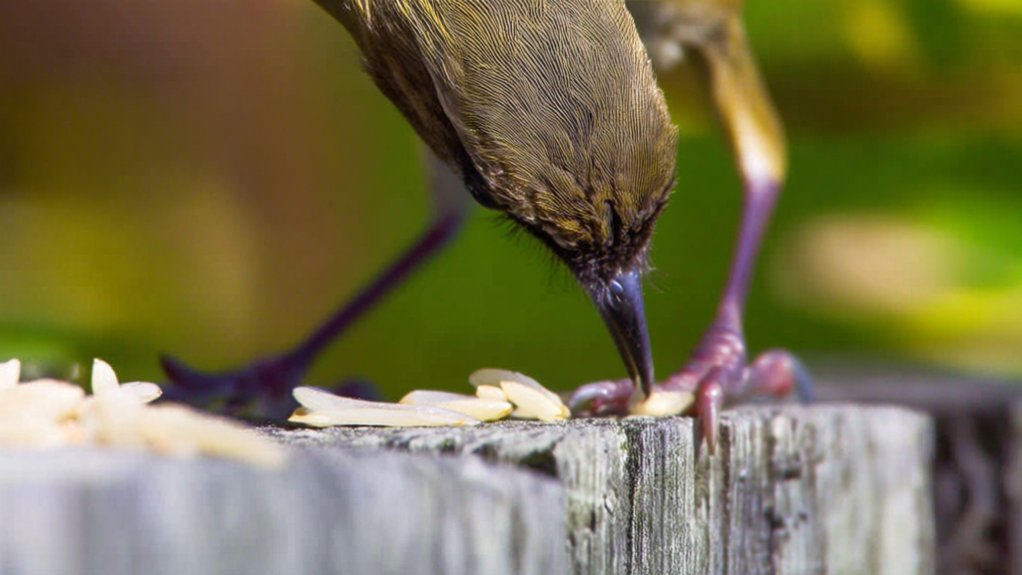
You can trust birds to digest rice safely because their specialized gizzards mechanically grind grains like rice into small, digestible particles. Enzymes and acids begin breaking down the rice early, which helps prevent harmful swelling in their digestive system.
Wild birds naturally eat both wild and cultivated rice for energy, especially during migration. But it’s important to remember that only plain, uncontaminated rice is safe for them. Seasoned or spoiled rice can actually pose risks.
Knowing these facts makes it easier to support birds’ health and nutrition in the right way. So, if you’re feeding birds, stick to simple, clean rice and you’ll be helping them stay healthy.
Do Birds Really Get Harmed by Eating Rice?
Although many people worry that rice might harm birds by swelling inside their stomachs, scientific research shows this concern is unfounded. Birds’ digestive systems, particularly their gizzards, efficiently grind and process grains like rice before any swelling could occur.
Scientific studies confirm birds’ digestive systems safely process rice without risk of harmful swelling.
Both cooked and uncooked rice are safely digestible, as confirmed by ornithologists and controlled studies.
You should know that birds naturally consume various grains, including rice, especially during migration or in agricultural areas. This indicates it’s a normal and safe part of their diet.
Cases of bird fatalities linked to rice are generally due to other causes, such as poor nutrition or environmental hazards, not the rice itself.
How Birds Digest Rice Safely
You might be wondering how birds manage to digest rice without any problems. Well, they’ve a muscular crop and gizzard that work together to grind and break down the grains really efficiently.
At the same time, enzymes and acids start the digestion process early on, which helps prevent the rice from swelling up inside them. So, by the time the rice reaches their stomach, it’s already been reduced to small, easily digestible particles.
Pretty neat, right?
Bird Digestive Mechanisms
When birds consume rice, their specialized digestive system guarantees the grains are safely processed without causing harm. You should know that birds have a muscular gizzard designed to grind hard grains like rice efficiently.
Before reaching the gizzard, enzymes and acids in the crop and stomach begin breaking down the food, preventing the grains from swelling dangerously inside.
Birds swallow rice grains whole, relying on the gizzard’s mechanical action to crush them into smaller particles suitable for digestion. This system works because grains expand slowly as they absorb water, allowing sufficient time for grinding and enzymatic action.
Wild birds naturally consume grains such as rice, wheat, and barley, showing that their digestive mechanisms are well-adapted to handle these foods safely and effectively.
Grain Breakdown Process
The process of breaking down rice grains starts right after ingestion, as enzymes and acids in the bird’s digestive tract begin to act on the food. When you see a bird eating rice, its gizzard plays a vital role by grinding the grains with the help of small stones or grit. This mechanical action, combined with chemical digestion, gradually breaks down the rice into smaller particles.
Rice absorbs moisture slowly within the digestive tract, which helps prevent rapid swelling that could cause harm. As digestion moves along, the bird’s system efficiently converts the rice into nutrients ready for absorption into the bloodstream.
This natural, coordinated process makes sure that rice doesn’t expand dangerously inside the bird’s stomach or intestines. So, the bird can get the nutrients it needs safely and effectively.
Wild Birds That Eat Rice Naturally
You’ll notice that many wild birds, like bobolinks and red-winged blackbirds, naturally eat rice, especially when they’re migrating. Rice is packed with essential nutrients that help fuel their long flights.
It’s pretty interesting when you think about it—these birds rely on rice to get the energy they need during their journey. Learning about these species and how they depend on rice really shows the important connection between bird migration and nutrition.
Common Rice-Eating Birds
Which wild birds have adapted to include rice as a significant part of their diet? Species like bobolinks, red-winged blackbirds, and grackles regularly consume rice, especially during migration. Bobolinks, scientifically named for their rice-eating habit, prefer foraging in agricultural rice fields.
You’ll also find sparrows, blue jays, and other small songbirds feeding on rice in paddies and fields. Additionally, waterfowl and marsh birds favor wild rice, an aquatic grain native to their habitats, which provides essential nutrients.
These birds have evolved digestive systems specifically suited to processing grains like rice, efficiently breaking down starches and extracting nutrients. Understanding these adaptations helps clarify how rice naturally integrates into the diets of various wild bird species without adverse effects.
Rice in Bird Migration
Although migratory birds encounter diverse habitats, rice fields consistently serve as essential stopover sites where species like bobolinks and red-winged blackbirds refuel on energy-rich grains. You’ll find that many migratory birds, including sparrows and finches, forage directly in rice paddies, consuming cultivated rice grains.
Wild rice, an aquatic grain, forms a crucial dietary component for waterfowl and shorebirds, supplying indispensable energy during extensive migrations. These birds rely on the availability of rice fields to rest and replenish energy reserves necessary for their long journeys.
Their digestive systems efficiently process rice, enabling them to extract nutrients critical for survival. Recognizing the role of rice in bird migration highlights the ecological importance of rice habitats as natural feeding grounds for numerous migratory species.
It’s pretty amazing how rice fields support these birds on their long trips.
Nutritional Role of Rice
Migratory and resident birds that frequent rice fields often rely on rice as a significant energy source. Species like bobolinks, red-winged blackbirds, and sparrows incorporate rice naturally, especially during migration.
Wild rice, richer in nutrients than processed white rice, offers these birds essential carbohydrates that fuel their high-energy activities.
While rice lacks substantial vitamins and minerals, its carbohydrate content provides a quick, energy-dense food source. Birds digest rice effectively through their gizzard, which mechanically grinds the grains, aiding nutrient breakdown and absorption.
Plus, rice’s slow water absorption prevents dangerous swelling inside the digestive system, making it a safe dietary component when consumed naturally.
Understanding this nutritional role clarifies why rice fields serve as critical feeding grounds for various wild bird populations. It’s pretty interesting how such a simple grain plays a key part in supporting these birds during crucial times like migration.
Nutritional Benefits and Limits of Rice for Birds
When you feed rice to birds, you provide them with a valuable source of carbohydrates that delivers quick energy. However, rice alone lacks essential vitamins and minerals birds need for ideal health. Brown rice, retaining its bran layer, offers more nutrients than white rice, making it a better choice.
Keep in mind that overfeeding rice can cause obesity, so moderation is key. Different bird species require varied diets, so rice should complement other natural foods.
| Nutrient Aspect | Details |
|---|---|
| Energy Source | Carbohydrates provide quick fuel |
| Nutritional Limits | Low in vitamins and minerals |
| Best Option | Brown rice preferred over white |
Balancing rice with other foods ensures birds receive a complete nutrient profile.
How Wild Rice and White Rice Affect Bird Digestion
Because wild rice retains more natural nutrients and requires less processing, it tends to be easier for birds to digest compared to white rice. Both wild and white rice primarily consist of carbohydrates, providing energy but lacking essential nutrients.
Birds rely on their muscular gizzard to mechanically grind grains like rice, which helps with digestion and prevents any swelling issues.
Uncooked rice, no matter the type, doesn’t rapidly expand inside a bird’s digestive system because of efficient enzymatic activity. Cooking rice softens it, making it more recognizable and easier for birds to eat, but it doesn’t really change how well birds digest it.
Knowing these differences can help you provide rice in a way that matches birds’ natural digestive abilities without causing harm or nutritional imbalance. It’s all about understanding what works best for them!
Risks of Contaminated or Seasoned Rice for Birds
Although rice can be a valuable food source for birds, seasoned or contaminated rice poses significant health risks. When rice contains added salt, spices, or flavorings, it can cause dehydration, kidney damage, and other toxic effects in birds.
Contaminated rice, especially with pesticides or heavy metals, introduces harmful substances that may lead to illness or reproductive problems. Additionally, rancid rice, which has spoiled or developed mold, can trigger digestive upset or poisoning.
Feeding birds with any rice that isn’t plain and clean increases the likelihood of severe health consequences, including death.
You should understand that these risks make it essential to avoid giving birds any rice that’s seasoned, treated with chemicals, or spoiled, as it compromises their health and survival.
Safe Ways to Feed Rice to Wild and Domestic Birds
If you want to feed rice to wild or domestic birds safely, you should offer only plain, unseasoned rice in moderation. Both cooked and uncooked rice can provide birds with a valuable energy source. Just make sure to avoid adding salt, spices, or any seasoning, as these can be toxic.
Choosing brown or wild rice over white rice increases the nutritional benefit because they’ve higher fiber and nutrient content. Serve rice in small quantities on clean surfaces or feeders to keep contamination and spoilage risks low.
Remember, rice should complement a balanced diet that includes natural seeds, grains, and insects. This way, birds get a full range of essential nutrients for the best health.
Dangers of Overfeeding Rice and Processed Foods to Birds
While feeding birds plain rice in moderation can offer nutritional benefits, overfeeding rice or processed foods like bread poses significant health risks. Excessive intake often leads to obesity, which decreases birds’ mobility and impairs their ability to forage naturally.
These foods lack essential nutrients, causing malnutrition and disrupting dietary balance. Overconsumption can also trigger digestive problems such as impaction or bloating, impairing digestion and overall health.
Regularly providing inappropriate foods increases susceptibility to disease and shortens lifespan.
To protect bird populations, you should avoid excessive feeding of rice and processed items. Focus instead on a varied diet that supports their nutritional needs and natural behaviors. Responsible feeding helps maintain birds’ health and ecological roles effectively.
Frequently Asked Questions
Can Baby Birds Digest Rice Safely?
Yes, you can safely feed baby birds cooked, unseasoned rice. They digest it more easily this way. Just make sure the rice is fully cooked.
Avoid giving them uncooked rice since it can cause digestive issues. Always offer rice in moderation and mix it with their natural diet.
This helps keep their nutrition balanced and supports their overall health. So, rice can be a good supplement but not the main meal.
Does Rice Affect Bird Migration Patterns?
Yes, rice availability influences bird migration patterns by providing vital energy during stopovers. You’ll find changes in rice fields can alter food access, affecting birds’ stamina, timing, and overall migration success.
When rice isn’t as accessible, birds might have a harder time refueling. This can delay their journey or make it more exhausting. So, rice fields play a pretty important role in helping birds complete their long trips.
How Does Rice Compare to Other Bird Grains?
You might think rice is the superhero of bird grains, but compared to oats or millet, it’s less nutrient-dense. Brown and wild rice offer more vitamins, yet birds digest grains like wheat more efficiently overall.
Can Feeding Rice Attract Unwanted Pests?
Yes, feeding rice can attract unwanted pests like mice, ants, and insects, especially in warm, humid environments. You should store rice airtight and clean spills promptly to minimize pest infestations around feeding areas.
Keeping things tidy really helps. Just a little extra effort can keep those pests away and make feeding time a lot less stressful.
Is Rice Safe for Birds With Dietary Restrictions?
Sure, rice is safe for birds with dietary restrictions if you serve simple, steamed, and seasoning-free grains. Brown rice boosts bird health by balancing nutrients, but avoid additives to prevent potential problems. This helps protect their sensitive systems precisely.
It’s best to keep things plain and straightforward. That way, you can feel confident that your bird is getting something safe and healthy. Just remember, no extra flavors or spices!
Conclusion
When you scatter grains of rice in the sunlit garden, imagine birds pecking safely, their digestive systems breaking down those kernels with precision. Rice, when clean and unseasoned, can be a harmless, modest snack. But overfeeding or offering processed varieties risks harm.
By understanding how birds digest rice and respecting their natural diets, you help them thrive. You turn each grain into a tiny, nourishing fuel rather than a potential hazard in their delicate system. It’s all about balance and care.