
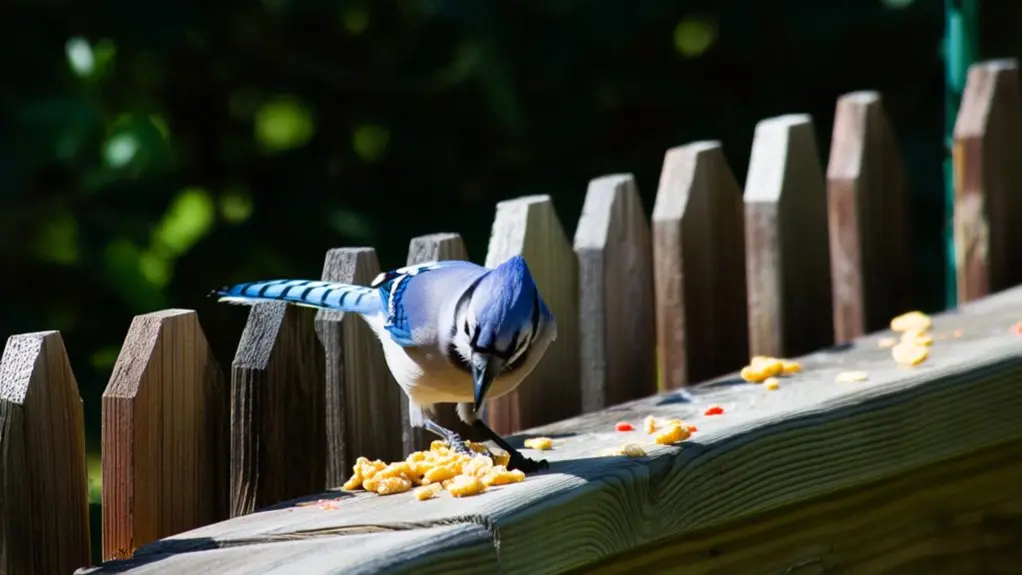
You can safely offer your bird plain, unsweetened Chex cereal as a small, occasional treat. Avoid flavored, salted, or sweetened varieties since ingredients like sugar, artificial flavors, and xylitol can harm your bird. Always check labels carefully and serve the cereal dry without additives.
Remember, Chex shouldn’t replace a balanced diet. Keep an eye out for any adverse reactions afterward.
If you want to understand the best feeding practices and safer alternatives, keep exploring further.
Is Chex Cereal Safe for Birds?
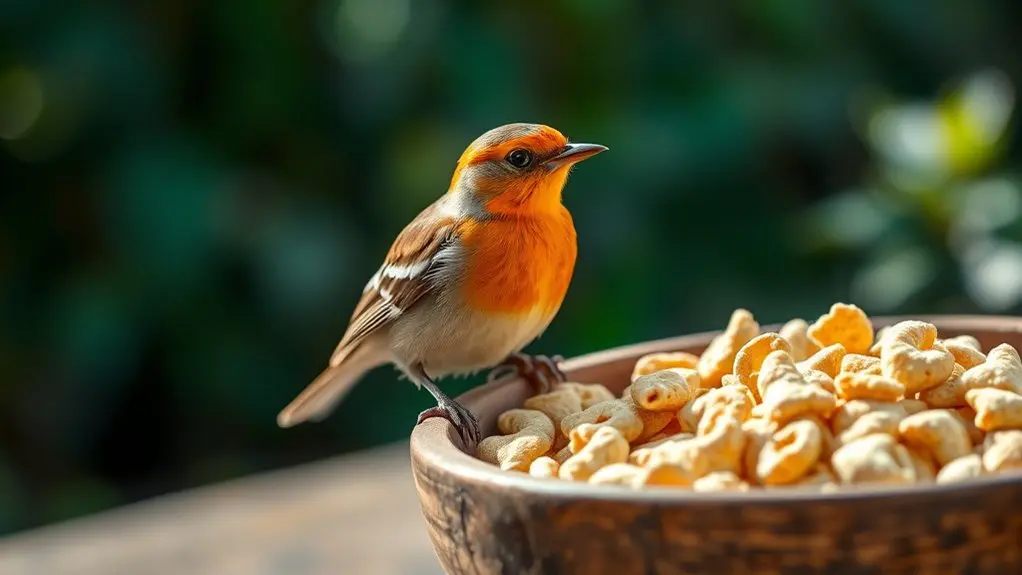
Wondering if Chex cereal is safe for birds? You’ll be glad to know that plain, unsweetened Chex cereals are generally safe for birds when offered in small, infrequent amounts.
Many Chex varieties use whole grains like rice, corn, or wheat, which can provide beneficial nutrients to your feathered friends.
Whole grains like rice, corn, and wheat in many Chex varieties offer beneficial nutrients for your birds.
However, it’s essential you choose cereals without added salt, artificial flavors, or sweeteners, as these can negatively impact bird health.
Always check the ingredient label carefully to confirm there are no harmful additives, preservatives, or excessive salt before feeding it to birds.
By selecting the right Chex cereal and offering it sparingly, you can safely include it as an occasional treat in your bird’s diet.
Just remember, a little goes a long way!
Harmful Ingredients in Chex Cereal
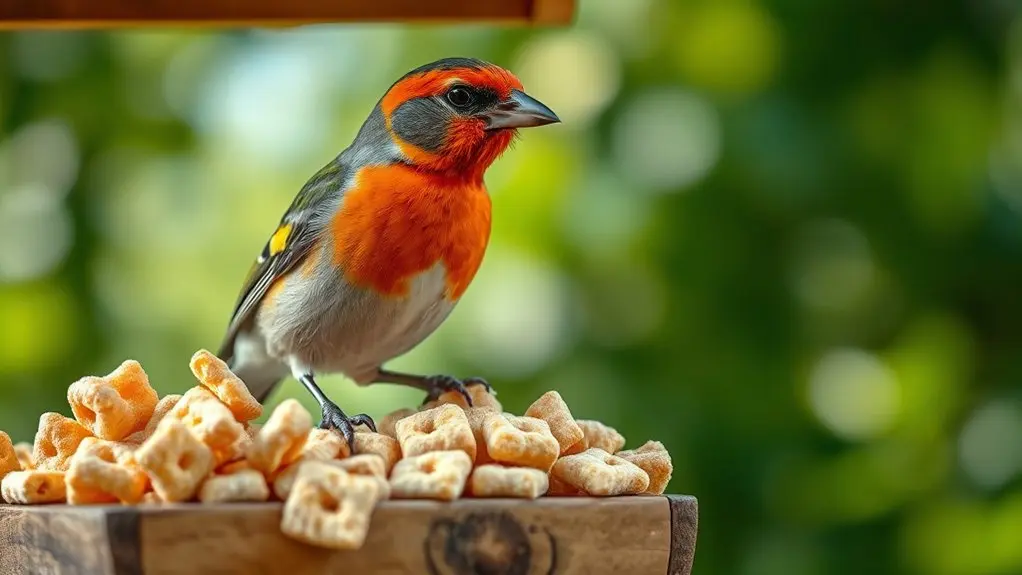
While plain, unsweetened Chex cereals can be a safe occasional treat, you need to be cautious about certain ingredients found in many Chex varieties. Many contain added sugars, artificial flavors, and preservatives that can harm your bird if ingested regularly.
Varieties with chocolate or honey include cocoa and high sugar levels, which are toxic or unhealthy for birds. Additionally, artificial colors and additives may trigger allergic reactions or hyperactivity in some species.
Some Chex cereals also contain salt and artificial sweeteners like maltodextrin, both unsuitable for avian health. Importantly, xylitol, found in some flavored Chex cereals, is highly toxic to birds and must be avoided.
Understanding these harmful ingredients helps you protect your bird’s health effectively. So, always check the label before sharing any Chex cereal with your feathered friend!
How to Safely Feed Chex Cereal to Birds
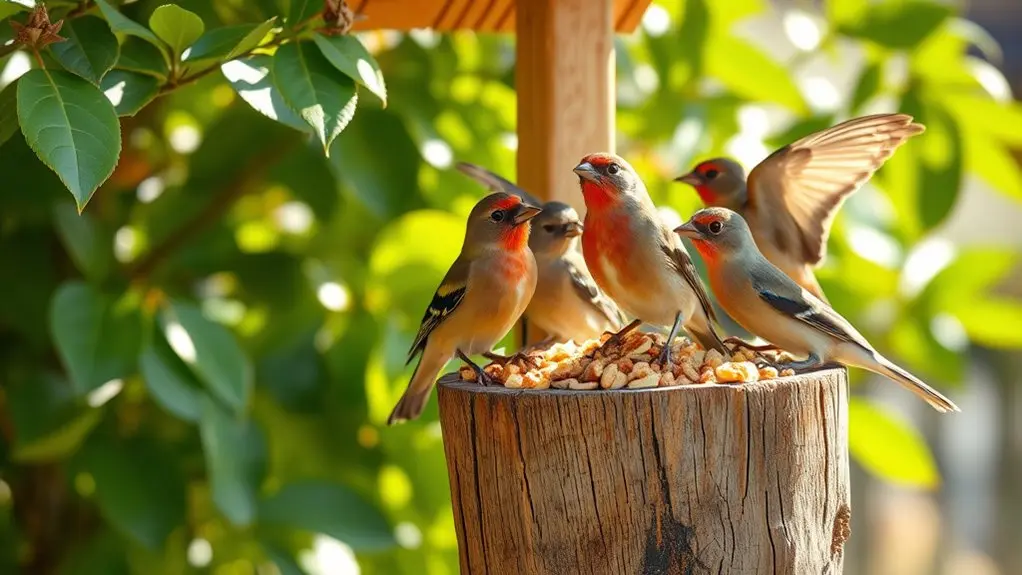
Because Chex cereals are generally low in sugar and free from artificial colors, you can safely offer them as an occasional treat to your bird. To guarantee safety and health, follow these guidelines:
Choose plain, unsweetened varieties like rice or corn Chex. Avoid flavored or salted options. Check ingredient lists carefully to exclude harmful additives such as xylitol or artificial sweeteners.
Offer Chex cereal in moderation. It shouldn’t replace a balanced, species-appropriate diet. Serve the cereal dry, never soak it in milk or add sweeteners or flavorings that could upset your bird’s digestion.
Make sure to monitor your bird for any adverse reactions after introducing Chex cereal for the first time. That way, you can keep your feathered friend happy and healthy!
Better Cereal Alternatives to Chex for Birds
If you want to provide your bird with a more nutritious snack option than Chex cereal, consider plain, unsweetened whole grain cereals like oats, bran flakes, or organic muesli. These options contain no added sugars or artificial ingredients. That means they support better digestive health and provide essential fiber.
Always check labels to avoid cereals with salt, sugar, or preservatives. These ingredients can actually harm your bird.
| Cereal Type | Key Benefits | Avoid Ingredients |
|---|---|---|
| Rolled Oats | High fiber, natural | Added sugars, salt |
| Bran Flakes | Nutrient-rich, low sugar | Artificial flavors, colors |
| Organic Muesli | Whole grains, no additives | Preservatives, sweeteners |
| Plain Rice Cakes | Low sugar, easy digestion | Salt, artificial additives |
Comparing Chex to Other Bird Cereals
When choosing a cereal for your bird, you’ll find that Chex stands out because it has whole grains and isn’t heavily processed. Compared to other cereals like Cheerios or Grape Nuts, Chex usually has less sugar and fewer artificial additives. So, it tends to be a healthier choice for your feathered friend.
That said, you should always check the labels to make sure there’s no added salt or extra flavorings.
Here’s a quick look at how Chex compares to other bird cereals:
- Made from whole grains like rice, corn, or wheat
- Generally lower in sugar than many commercial cereals
- Minimal artificial ingredients and processing
- Some varieties may include added salt or flavorings, so label checking is important
- Offers a simpler, more natural snack option when given in moderation
Because of its simple ingredients, Chex is often a better cereal choice for your bird’s diet.
Signs Your Bird Has a Problem After Eating Chex
Although Chex cereal can be a convenient snack for your bird, you should watch closely for any signs of distress after feeding it. Birds may experience gastrointestinal issues like diarrhea or vomiting, especially if the cereal contains high sugar or artificial additives.
Artificial colors and preservatives can trigger hyperactivity or allergic reactions. High salt levels in some Chex varieties might lead to dehydration, lethargy, or kidney problems. So, keep an eye out for any weakness or abnormal behavior in your bird.
These signs could indicate a serious reaction that requires immediate veterinary attention.
Also, remember that repeated consumption of processed cereals like Chex can contribute to obesity, fatty liver, and other long-term health issues.
Staying vigilant helps guarantee your bird’s safety and well-being after eating Chex cereal.
What to Do If Your Bird Reacts Poorly to Chex?
If your bird starts showing signs like vomiting, lethargy, or diarrhea after eating Chex, it’s best to stop feeding it right away. Keep a close eye on your bird and watch for any other symptoms that might pop up.
Avoid giving your bird any more of the cereal, especially if it has additives.
When you notice these signs, don’t hesitate to reach out to an avian veterinarian quickly. Getting professional care and a proper diagnosis is really important to make sure your bird stays healthy.
Identifying Adverse Symptoms
How can you tell if Chex cereal is harming your bird? You need to watch for clear signs of distress after feeding it. Birds may react poorly because of added sugars, artificial flavors, or preservatives in Chex.
Key symptoms to monitor include lethargy or unusual tiredness, diarrhea or abnormal droppings, vomiting or regurgitation, loss of appetite or refusal to eat, and difficulty breathing or respiratory distress.
If you notice any of these symptoms, stop giving your bird Chex cereal immediately. Make sure to provide fresh water and nutritious, bird-safe food instead. Keep a close eye on your pet’s condition.
If symptoms persist or get worse, contact an avian veterinarian right away. Early identification of adverse reactions can protect your bird’s health and make sure they get the care they need on time.
Immediate Care Steps
When your bird shows signs of distress after eating Chex cereal, act quickly to protect its health. Remove any remaining cereal from its environment to prevent further ingestion.
Monitor your bird closely for symptoms like vomiting, diarrhea, lethargy, difficulty breathing, or abnormal behavior, and note any changes.
Offer fresh, clean water to keep your bird hydrated and help flush out potential toxins.
Avoid inducing vomiting or administering home remedies without professional advice, as these actions can worsen your bird’s condition.
Contact an avian veterinarian immediately to get expert guidance and prompt treatment. Acting swiftly and following these steps can make a vital difference in your bird’s recovery and overall well-being.
Frequently Asked Questions
Can Baby Birds Eat Chex Cereal?
Yes, you can give baby birds plain, unsweetened Chex cereal occasionally in small amounts. Avoid sugary varieties. Serve it dry or soaked in water, and make sure it doesn’t replace their balanced diet.
Just keep an eye on how they respond to it. It’s all about moderation and making sure they get the nutrients they need.
Is Chex Cereal Safe for Wild Birds?
You might worry, but yes, Chex cereal is safe for wild birds if you choose plain, unsweetened varieties.
Just make sure to avoid sugary, salty, or artificially flavored types. Those can actually harm their health.
Sticking to the natural stuff helps keep them thriving the way nature intended.
How Often Can I Feed Chex Cereal to My Bird?
You should feed Chex cereal to your bird only once or twice a week as an occasional treat. This keeps their diet balanced and prevents potential health issues from too much processed cereal or added salt and sugar.
It’s best not to overdo it since birds need a variety of foods to stay healthy. Treats like Chex are fun but should always stay just that—treats. So, stick to small amounts and enjoy watching your bird nibble on it every now and then.
Does Chex Cereal Affect Different Bird Species Differently?
Yes, Chex cereal affects bird species differently. You’ll find parrots tolerate small amounts well, while sensitive species like songbirds may suffer digestive issues.
Always monitor your bird’s response and limit treats to avoid health problems. It’s better to be safe than sorry when it comes to their diet. Just keep an eye on how your feathered friend reacts!
Can Chex Cereal Cause Allergies in Birds?
Yes, Chex cereal can cause allergies in birds due to artificial additives and certain grains like wheat or corn. You should watch for symptoms like itching, swelling, or respiratory issues after feeding it to your bird.
If you notice any of these signs, it’s best to stop giving the cereal and consult your vet. Birds can be pretty sensitive, so keeping an eye on their reaction is always a good idea.
Conclusion
You might worry that Chex cereal isn’t nutritious enough for your bird, but in moderation, it can be a safe occasional treat. Just avoid varieties with added sugar or artificial ingredients, and always watch for any adverse reactions.
Remember, Chex shouldn’t replace a balanced diet but can add variety when given carefully. If you’re unsure, consider safer cereal alternatives designed specifically for birds to keep your feathered friend happy and healthy.